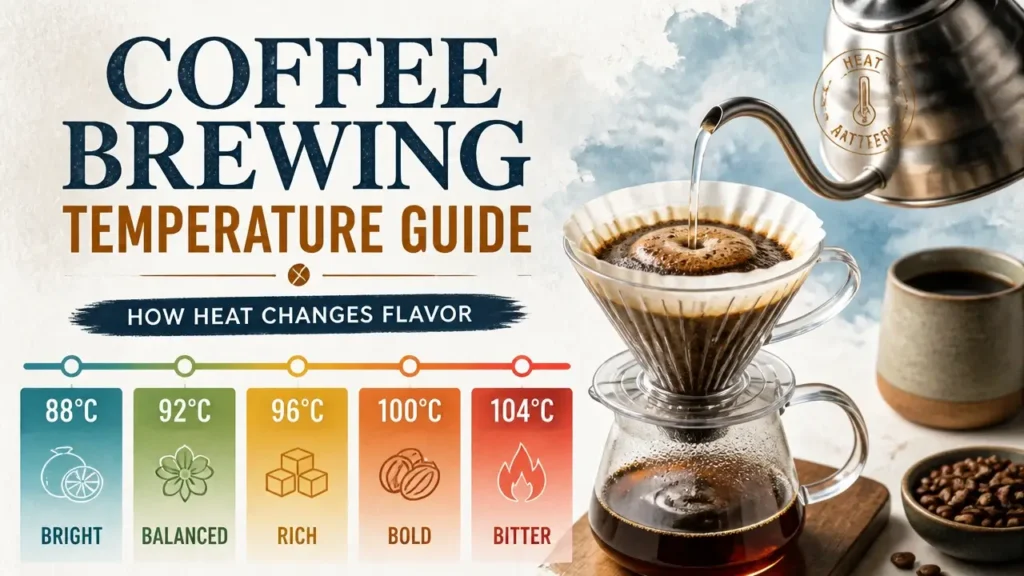
Professional infographic showing the impact of coffee brewing temperature on flavor profiles with a modern 3D aesthetic.
Brewing

Coffee Brewing Temperature Guide: How Heat Changes the Flavor in Your Cup

Coffee Brewing Temperature is the single variable that controls which soluble compounds dissolve into your cup and which stay locked in the grounds. Operating inside the 195–205°F range determines whether we extract bright acids and sweetness or tip into bitterness through over-extraction. Understanding this window lets us build every brewing decision — roast, method, grind — on a stable, repeatable thermal foundation.

Coffee Brewing Temperature Guide: How Heat Changes the Flavor in Your Cup Read More »
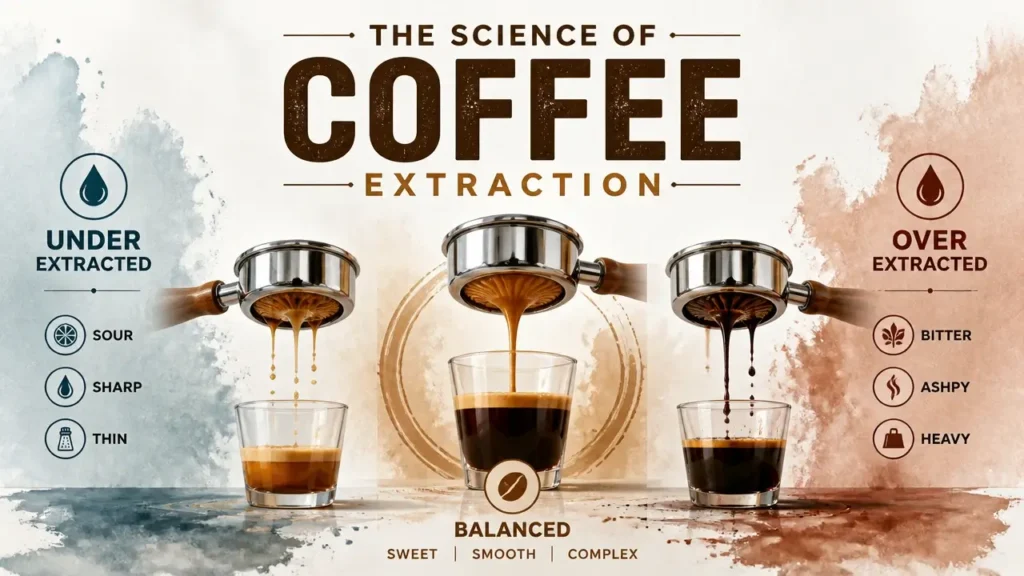
A professional 3D infographic comparing under extracted vs over extracted coffee with watercolor textures.
Brewing

The Science of Coffee Extraction: How to Diagnose Under vs Over Extracted Brews

Coffee extraction follows a strict chemical sequence—acids dissolve first, then sugars, then bitter compounds—and where you stop determines everything in your cup. We use the Golden Cup Standard as our target, aiming to capture sweetness before astringency takes over. Understanding this sequence lets us diagnose any brew failure, whether sour, hollow, or harsh, in seconds.

The Science of Coffee Extraction: How to Diagnose Under vs Over Extracted Brews Read More »

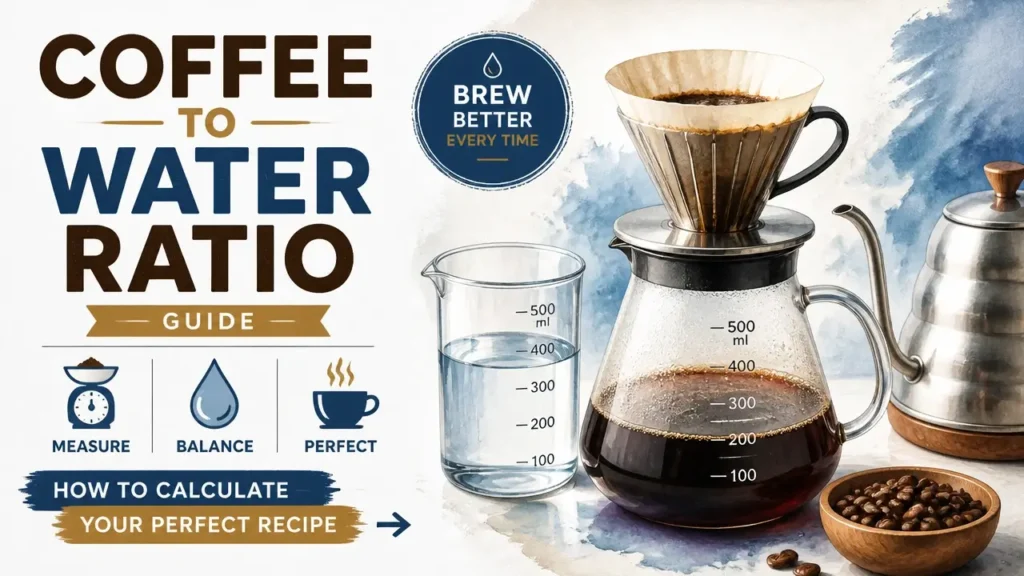
A stylized 3D infographic showing the perfect coffee to water ratio for brewing coffee.
Brewing

Coffee to Water Ratio Calculation: How to Find and Lock In Your Perfect Recipe

Coffee to water ratio calculation is the single variable that determines whether your cup tastes balanced, weak, or bitter—and mastering it requires only a scale, water, and your chosen brew method. We use a simple formula—dividing water weight by a ratio number—to produce an exact coffee dose that works across every brewer, from french press to espresso, eliminating guesswork permanently.

Coffee to Water Ratio Calculation: How to Find and Lock In Your Perfect Recipe Read More »

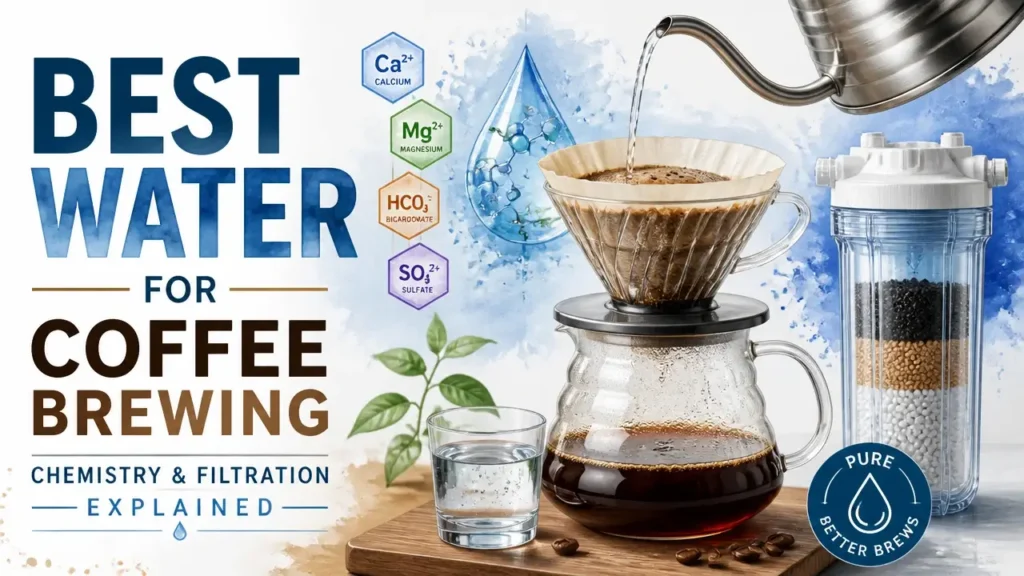
A stylized 3D render with watercolor textures showing coffee brewing chemistry and water filtration components.
Brewing

Coffee Brewing Water: Understanding Water Chemistry and Choosing the Right Filtration Method

Coffee brewing water determines extraction quality more precisely than grind size or brew ratio, because dissolved minerals — specifically magnesium, calcium, and bicarbonate — govern how efficiently solubles transfer from ground coffee into your cup. We use water chemistry parameters like TDS, General Hardness, and Alkalinity as the actual levers of flavor, and misreading them is why technically correct technique still produces flat or harsh coffee.

Coffee Brewing Water: Understanding Water Chemistry and Choosing the Right Filtration Method Read More »

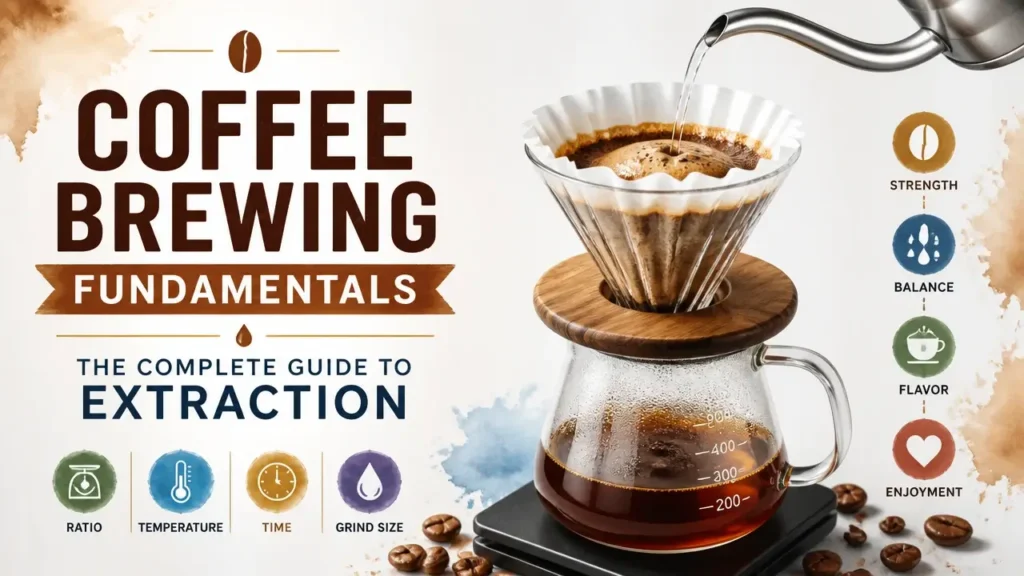
A hyper-realistic 3D render of a coffee brewing extraction process with a modern watercolor infographic layout.
Uncategorized

Coffee Extraction Explained: How to Read, Measure, and Control Every Variable in Your Cup

Coffee extraction is the single process that determines every flavor in your cup—water contacts coffee grounds and pulls soluble compounds into solution, producing everything from sweetness to acidity to bitter finish. We use this understanding as our diagnostic foundation: when extraction goes wrong, your taste buds reveal whether soluble compounds were pulled too little or too much, and every fix flows from that signal.

Coffee Extraction Explained: How to Read, Measure, and Control Every Variable in Your Cup Read More »

Hyper-realistic 3D magazine-style cover of famous coffee roasters featuring artisan beans, roasting equipment, and sleek infographic layout
Uncategorized

Famous Coffee Roasters: The Visionaries Who Architected the Modern Roast

Famous coffee roasters don’t earn their place in history by being popular—they earn it by permanently changing how we source, roast, and understand coffee. From Alfred Peet’s dark-roast rebellion to Stumptown’s Direct Trade model, we can trace a clear evolutionary arc where each visionary roaster solved a problem the industry didn’t yet know it had.

Famous Coffee Roasters: The Visionaries Who Architected the Modern Roast Read More »

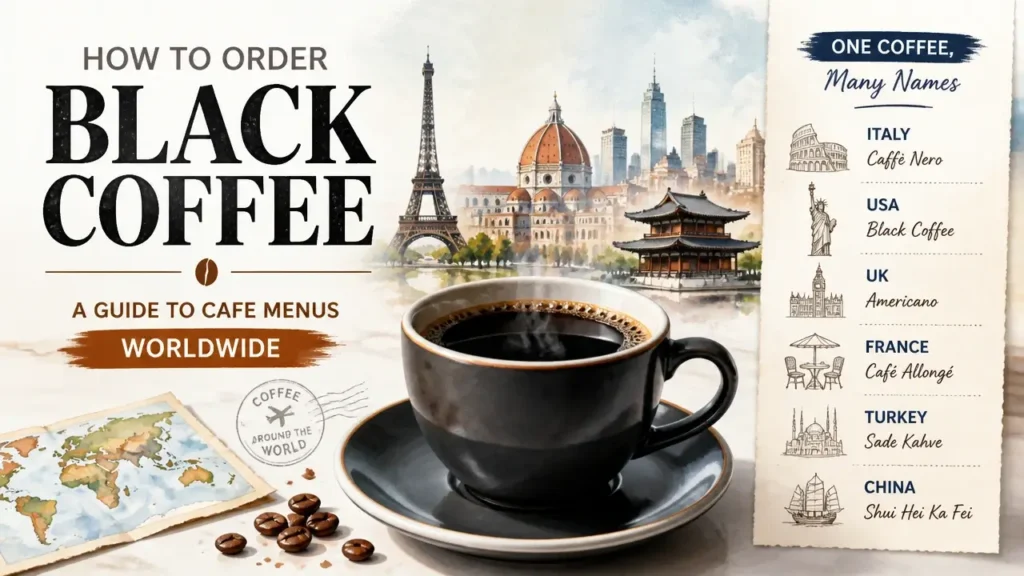
A stylized 3D infographic showing a perfect cup of black coffee for a guide on how to order black coffee globally.
Uncategorized

Ordering Black Coffee: A Complete Guide to Cafe Menus Worldwide

Ordering black coffee sounds simple until a barista asks three follow-up questions before you reach the register. Black coffee means brewed coffee with no milk or sugar, yet the term alone fails us because espresso, drip coffee, and cold brew all qualify—and each demands a different name depending on where we’re standing on earth.

Ordering Black Coffee: A Complete Guide to Cafe Menus Worldwide Read More »

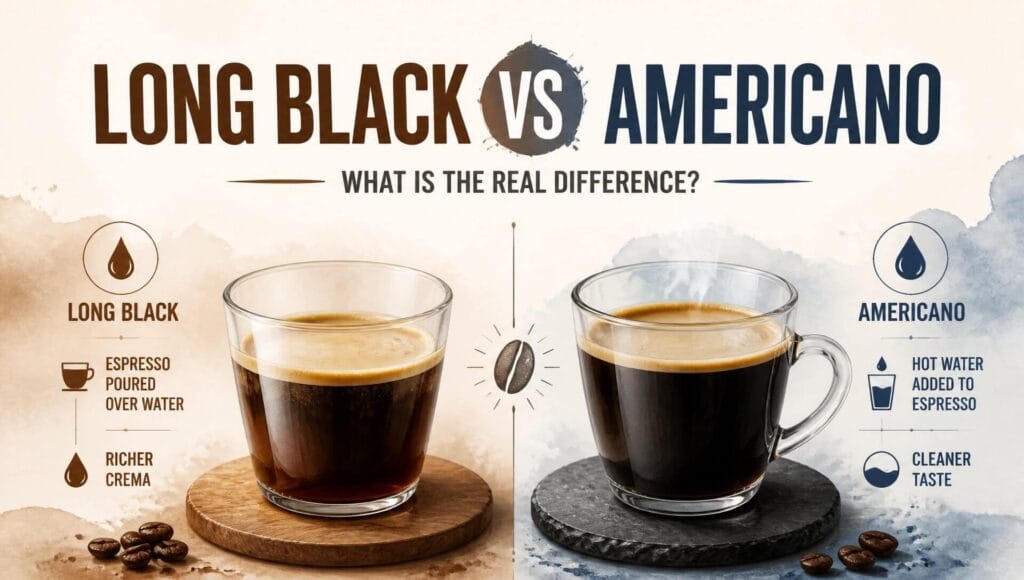
Comparison infographic of Long Black vs Americano: espresso poured over hot water (Long Black) versus hot water added to espresso (Americano), highlighting richer crema and cleaner taste.
Brewing

Long Black vs Americano: What the Pouring Order Really Changes About Your Cup

Long Black vs Americano is a comparison defined entirely by one variable — the order in which espresso meets hot water. When espresso is poured into water, crema survives intact and concentration stays bold; reverse that sequence, and uniformity wins over intensity. We understand this distinction through preparation order, the single mechanical truth that explains every downstream difference in taste, aroma, and texture.

Long Black vs Americano: What the Pouring Order Really Changes About Your Cup Read More »

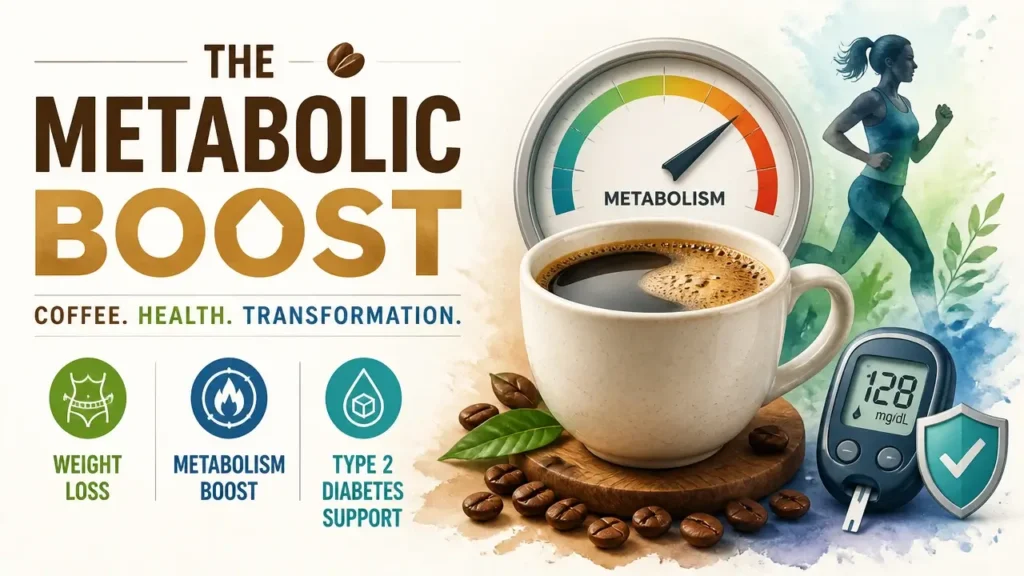
A stylized 3D coffee cup representing the link between coffee consumption and improved insulin sensitivity for weight loss and diabetes management.
Uncategorized

The Metabolic Double-Edge: How Coffee Affects Weight Loss and Type 2 Diabetes Risk

Coffee triggers a measurable spike in epinephrine and cortisol that temporarily suppresses insulin sensitivity and elevates blood sugar—yet decades of meta-analyses show lifelong drinkers carry significantly lower type 2 diabetes risk. We explore how chlorogenic acids, thermogenesis, and fatty acid oxidation create a metabolic environment where coffee’s long-term benefits consistently outpace its acute glucose disruption.

The Metabolic Double-Edge: How Coffee Affects Weight Loss and Type 2 Diabetes Risk Read More »

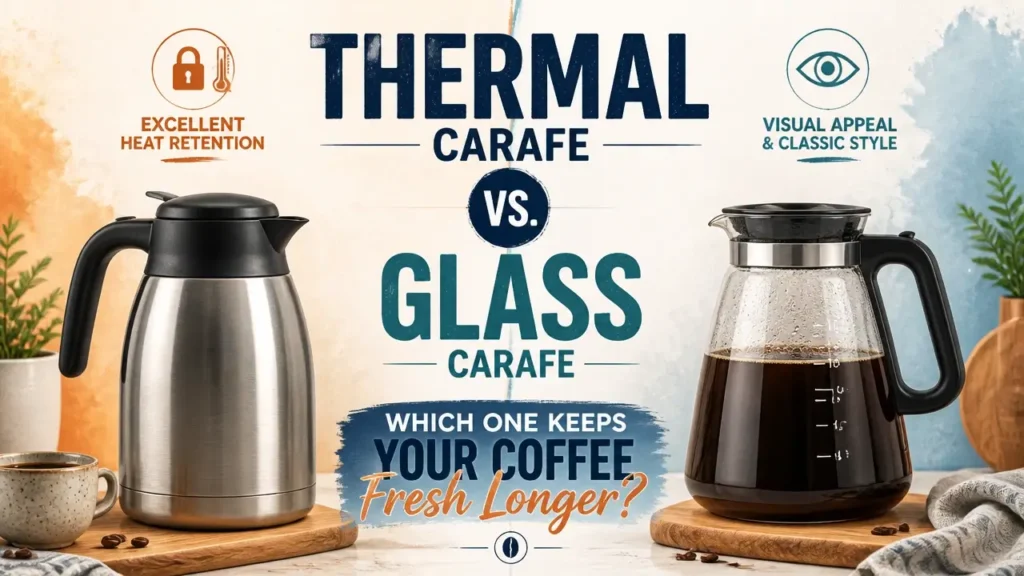
Hyper-realistic 3D rendering comparing thermal carafe and glass carafe for optimal coffee freshness.
Buying Guide Brewing

Thermal Carafe vs Glass Carafe: Which One Actually Keeps Your Coffee Fresh Longer?

Thermal carafes keep coffee fresh longer than glass carafes by eliminating the warming plate entirely, relying instead on vacuum-insulated steel to slow temperature loss to roughly 2.5 °F per hour versus 4 °F per hour for glass. We measure freshness through temperature, oxidation rate, and safety risk—criteria that reveal why passive insulation consistently outperforms continuous reheating for flavor preservation.

Thermal Carafe vs Glass Carafe: Which One Actually Keeps Your Coffee Fresh Longer? Read More »

A stylized hyper-realistic 3D rendering of a professional barista with watercolor textures representing modern coffee advocacy.
People

Famous Baristas Who Are Redefining Modern Coffee Culture and Craft

Famous baristas shape the specialty coffee industry not merely through drink-making skill but through a convergence of competition credentials, educational impact, and social innovation. We recognize figures like James Hoffmann and the 2025 World Barista Champion Jack Simpson as anchors of this landscape — each advancing the craft across distinct dimensions that collectively redefine what modern coffee mastery means.

Famous Baristas Who Are Redefining Modern Coffee Culture and Craft Read More »

A professional 3D infographic showing a comparison between an espresso leveler and a tamper for baristas.
Buying Guide Brewing Uncategorized

Espresso Leveler vs Tamper: Do You Actually Need Both Tools for a Better Puck?

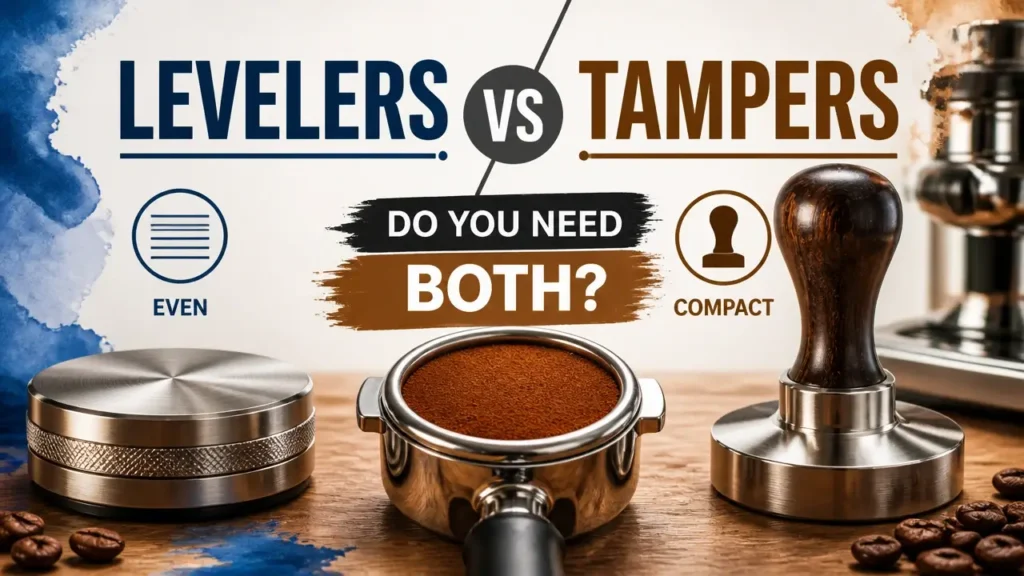
Espresso puck preparation demands two mechanically distinct actions: lateral distribution and vertical compression. A leveler redistributes grounds horizontally across the portafilter basket, eliminating density gaps before any pressure is applied. A tamper then compresses that bed with consistent vertical force, creating the uniform puck resistance that prevents channeling. We need both tools because neither action substitutes for the other.

Espresso Leveler vs Tamper: Do You Actually Need Both Tools for a Better Puck? Read More »

Scroll to Top