Pham Toan

Pham Toan is a veteran barista and café owner who has been shaping coffee experiences since 2017. Driven by an exhaustive approach to the beverage, his expertise spans sensory analysis, advanced brewing extraction mechanics, and beverage nutritional data tracking. Through Coffee Factz, Toan bridges the gap between commercial hospitality and rigorous coffee education, creating data-driven guides that map every single corner of the coffee world for global enthusiasts.

Pham Toan - CoffeeFactz Author
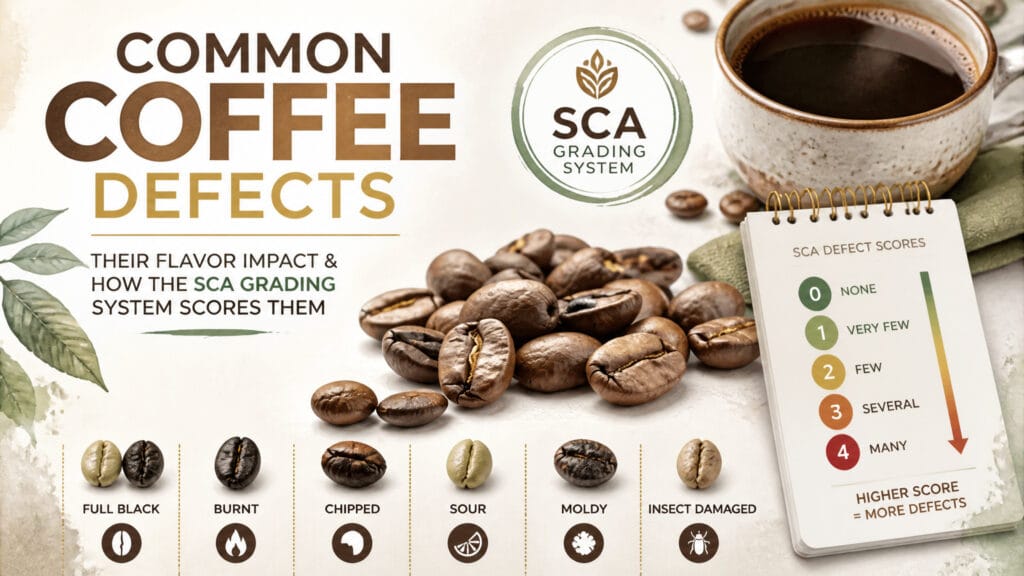
An infographic explaining common coffee defects—such as full black, burnt, chipped, sour, moldy, and insect damaged—and how the SCA grading system scores their flavor impact.
Coffee Beans

Common Coffee Defects, Their Flavor Impact, and How the SCA Grading System Scores Them

Common coffee defects don’t just fail a lot on paper – they inject specific off-flavors into the cup, from rancid oil in full blacks to peanut husk in quakers. This guide maps every SCA primary and secondary defect to its visual fingerprint, scoring weight, and sensory consequence, so you can grade with precision and buy with confidence.

Common Coffee Defects, Their Flavor Impact, and How the SCA Grading System Scores Them Read More »
The Ultimate Guide to Coffee Cupping & Sensory Analysis featured image with hyper-realistic 3D watercolor texture of cupping tools and coffee beans.
Brewing

The Complete Coffee Cupping Guide: SCA Protocol, Scoring, and Sensory Vocabulary

Coffee cupping is the specialty industry’s standardized sensory evaluation method, used by Q Graders, roasters, and green buyers to assess quality on equal terms. This guide covers the full SCA protocol, the SCAA 10-attribute scoring form, sensory vocabulary, and the real limits of the method – with practical entry points for newcomers.

The Complete Coffee Cupping Guide: SCA Protocol, Scoring, and Sensory Vocabulary Read More »

Understanding Specialty Coffee Grading Systems: SCAA, SCA, and Beyond infographic cover with watercolor texture
Coffee Beans

Specialty Coffee Grading Systems: How Scores Are Built, What They Mean, and Why They Matter to Your Business

Specialty coffee grading systems determine market value, sourcing decisions, and roaster positioning – yet most professionals only understand half the process. A coffee earns its score by clearing two sequential gates: a physical inspection that eliminates defects, then a calibrated sensory evaluation by certified Q Graders. Here’s how both gates work.

Specialty Coffee Grading Systems: How Scores Are Built, What They Mean, and Why They Matter to Your Business Read More »

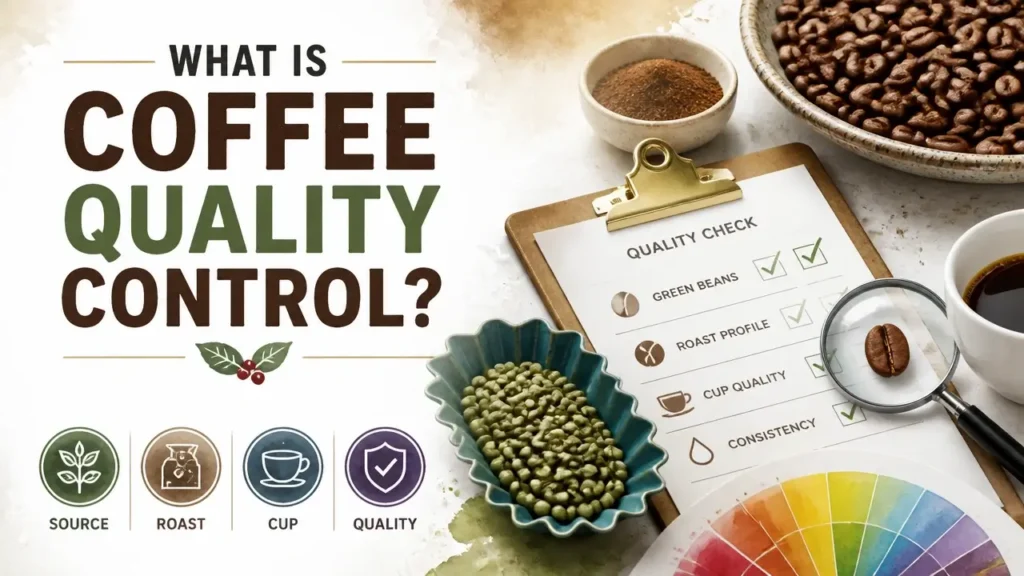
What Is Coffee Quality Control in Specialty Coffee? infographic showing cupping and grading process in a hyper-realistic watercolor style
Coffee Beans

Coffee Quality Control in Specialty Coffee: The Complete Conceptual Foundation

Coffee quality control in specialty coffee is a standardized, repeatable measurement system that decides whether a lot meets its target sensory attributes – and it governs every custody transfer from cherry to roasted bag. Understanding how it works, who performs it, and what protocols drive it is the foundation every coffee professional needs.

Coffee Quality Control in Specialty Coffee: The Complete Conceptual Foundation Read More »

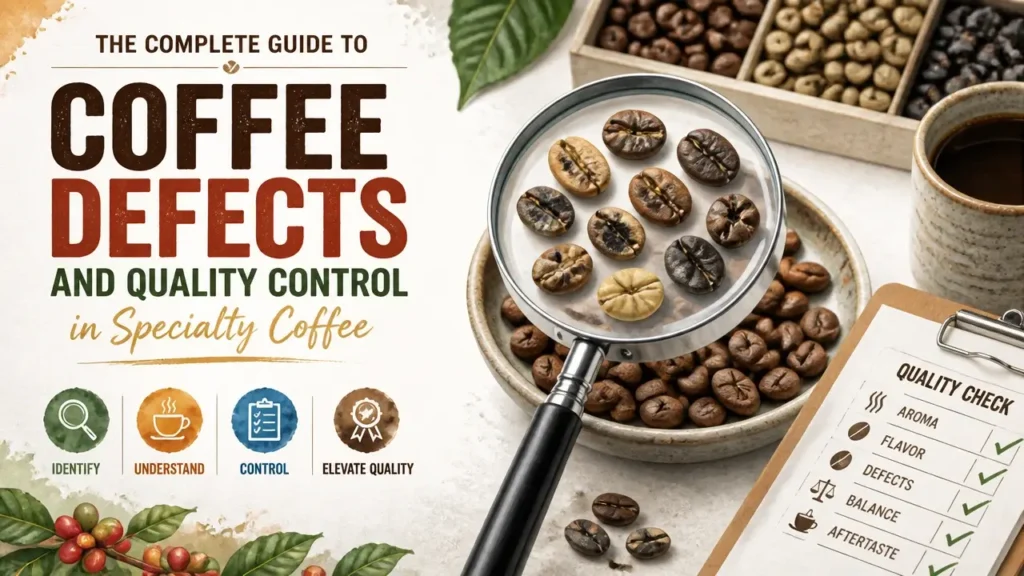
Hyper-realistic 3D watercolor infographic of coffee defects and quality control tools for specialty coffee, showing defective beans and grading equipment.
Coffee Beans

Coffee Defects Quality Control: The Complete SCA Framework for Specialty Professionals

Coffee defects quality control separates profitable specialty lots from costly rejections. This guide maps the full SCA defect taxonomy, traces root causes from cherry to container, and shows how cupping catches what visual grading misses – before a tainted lot reaches your roastery or your customer.

Coffee Defects Quality Control: The Complete SCA Framework for Specialty Professionals Read More »

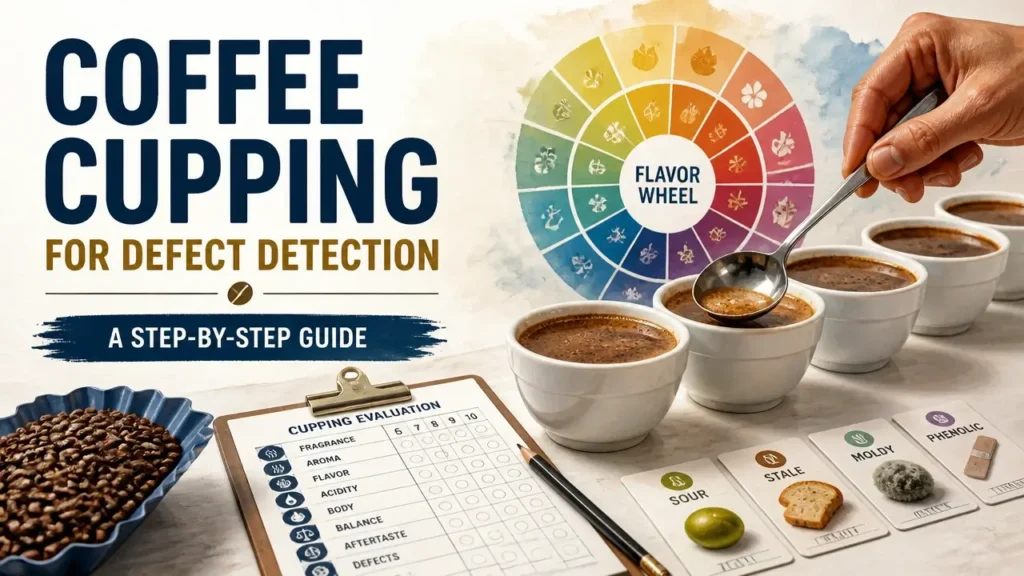
Step-by-step guide on how to perform coffee cupping for defect detection in specialty coffee standards
Coffee Beans

Coffee Cupping Defect Detection: The Complete Step-by-Step Protocol for Finding What’s Wrong in the Cup

Coffee cupping defect detection fails before the first sip when setup variables go uncontrolled. This protocol covers every prerequisite, from water TDS windows and grind timing to multi-temperature tasting gates and SCA scoring arithmetic, so defects don’t hide behind procedural gaps.

Coffee Cupping Defect Detection: The Complete Step-by-Step Protocol for Finding What’s Wrong in the Cup Read More »

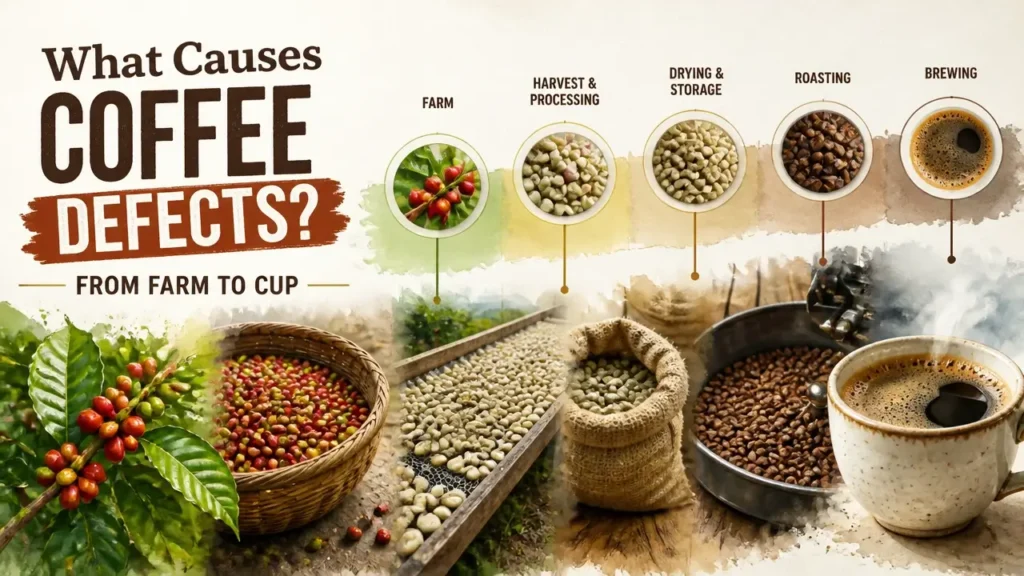
Featured image for article 'What Causes Coffee Defects? From Farm to Cup' showing a hyper-realistic 3D infographic with watercolor texture and bright studio lighting
Coffee Beans

Causes of Coffee Defects: A Stage-by-Stage Guide from Farm to Roast to Cup

The causes of coffee defects rarely originate where professionals first look. A black bean blamed on the roaster may have been dead at the farm gate. This guide traces every defect type – structural, sensory, economic, and roast-induced – back to its mechanical origin, stage by stage, using SCA grading standards and fermentation chemistry.

Causes of Coffee Defects: A Stage-by-Stage Guide from Farm to Roast to Cup Read More »

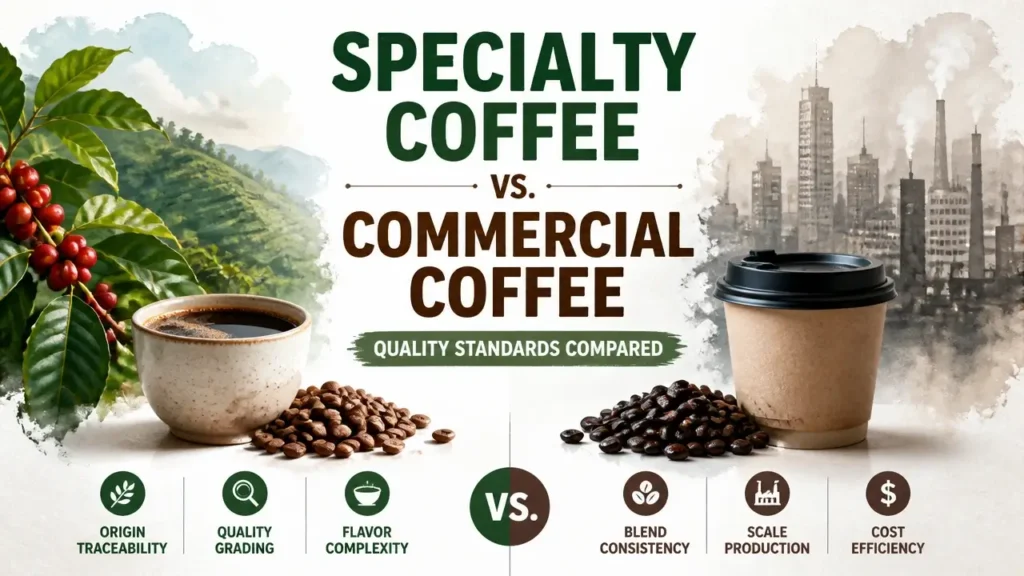
Specialty coffee vs commercial coffee quality standards comparison in hyper-realistic watercolor infographic.
Coffee Beans

Specialty vs Commercial Coffee Quality Standards: What Every Roaster, Importer, and Producer Needs to Know

Specialty vs commercial coffee quality standards diverge at a single number – 80 points on the SCA cupping scale – but the real separation runs deeper than a score. From zero-tolerance defect rules to traceable supply chains and certified Q Grader evaluation, the gap between these two markets shapes every sourcing decision, price negotiation, and roasting strategy in the industry.

Specialty vs Commercial Coffee Quality Standards: What Every Roaster, Importer, and Producer Needs to Know Read More »

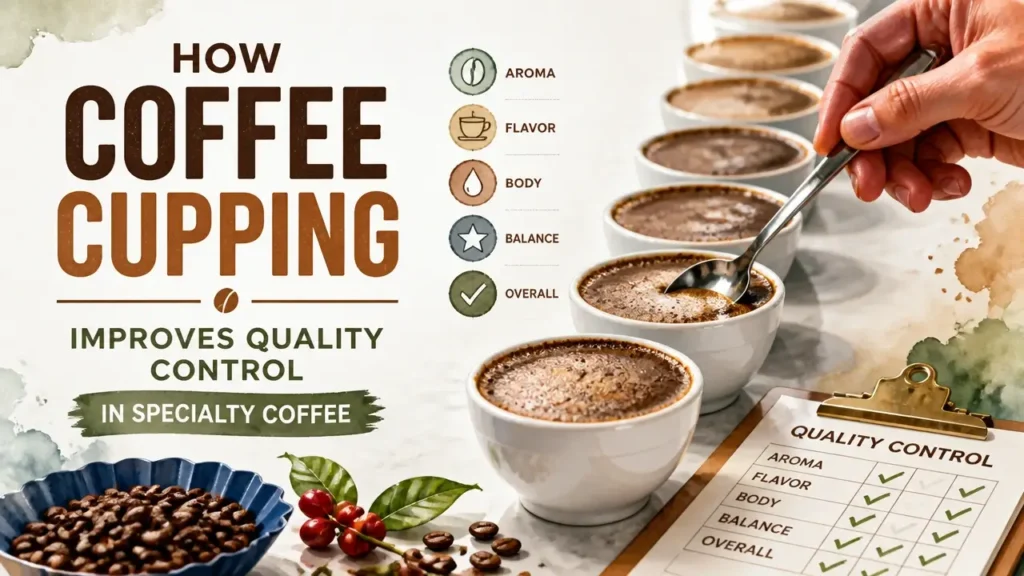
Hyper-realistic 3D rendering with watercolor texture of a coffee cupping table, showing quality control in specialty coffee.
Brewing

How Coffee Cupping Improves Quality Control Across the Specialty Coffee Supply Chain

Coffee cupping improves quality control by detecting flavor taints, processing faults, and lot degradation that physical grading cannot catch. A structured cupping program, anchored in SCA protocol and blind evaluation, creates an audit trail from farm to roastery that protects purchasing decisions and enforces contract terms.

How Coffee Cupping Improves Quality Control Across the Specialty Coffee Supply Chain Read More »

Professional coffee cupping with Q graders, roasters, and buyers evaluating specialty coffee standards
Brewing

Who Uses Coffee Cupping: Every Professional Career Path Explained

Coffee cupping is the shared technical language of the entire specialty coffee supply chain. Q Graders, green buyers, production roasters, and ICE graders all use it differently – but each depends on calibrated sensory evaluation to make decisions that move real money and shape what ends up in your cup.

Who Uses Coffee Cupping: Every Professional Career Path Explained Read More »

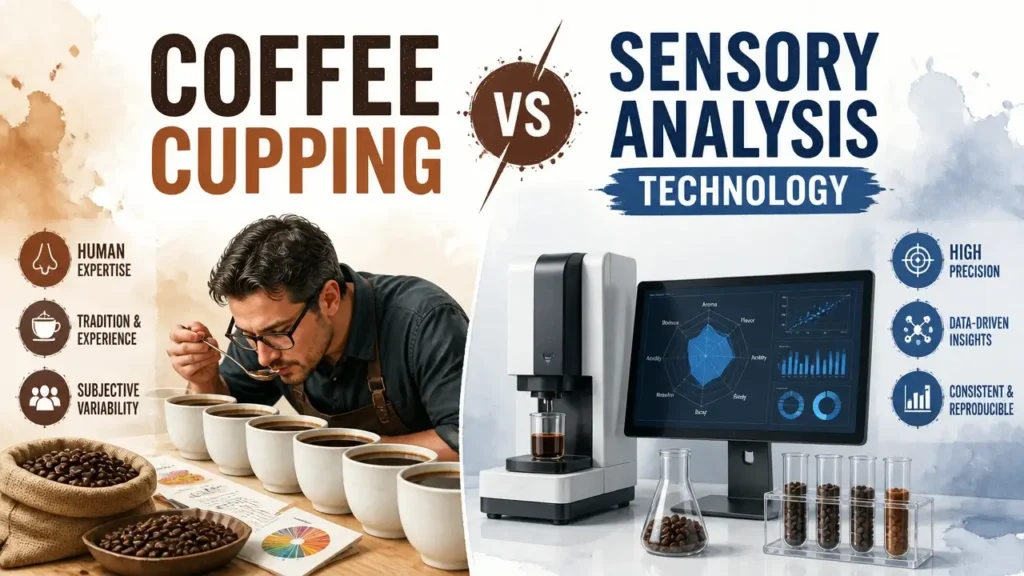
Coffee Cupping vs Sensory Analysis Technology Pros and Cons - hyper-realistic 3D infographic with watercolor texture comparing traditional cupping and modern sensor technology.
Brewing

Coffee Cupping vs Sensory Analysis Technology: The Honest Performance Breakdown Every Quality Professional Needs

Coffee cupping vs sensory analysis technology is the wrong binary for most quality operations. This breakdown tests both methods against six hard performance dimensions – accuracy, consistency, speed, objectivity, cost, and sensory completeness – so you can build an evaluation program that actually holds up under pressure.

Coffee Cupping vs Sensory Analysis Technology: The Honest Performance Breakdown Every Quality Professional Needs Read More »

Illustration of coffee cupping benefits and limitations with a modern infographic layout, watercolor texture, and bright studio lighting for the article 'Benefits and Limitations of Coffee Cupping: An Honest Assessment'.
Brewing

The Real Benefits and Limitations of Coffee Cupping for Coffee Professionals

The benefits and limitations of coffee cupping determine whether it belongs in your workflow or just on your shelf. Cupping strips brewing variables to reveal a coffee’s raw sensory profile, but the SCA protocol’s power depends entirely on calibrated humans behind the bowls. Here’s the honest operational breakdown.

The Real Benefits and Limitations of Coffee Cupping for Coffee Professionals Read More »

Scroll to Top