Brewing

Professional espresso machine extracting a double shot of espresso into two clear glass cups, showing the golden crema forming on top with beautiful bokeh lighting effects in the background.
Brewing

Espresso vs Coffee Beans: 3 Secrets Baristas Won’t Tell You

Espresso is fundamentally different from regular coffee because it is a specific, high-pressure brewing method, not a type of bean. While all espresso starts as coffee beans, the process uses 9 bars of pressure to extract compounds rapidly, resulting in a concentrated shot with crema. Read on to unlock the secrets of espresso extraction versus standard brewing.

Espresso vs Coffee Beans: 3 Secrets Baristas Won’t Tell You Read More »

Cappuccino vs Frappuccino drinks
Brewing

Dreamy or Bold? Your 2-Minute Guide to Frappuccino vs Cappuccino Bliss

The main difference between a Frappuccino vs Cappuccino lies in preparation: a Frappuccino is an icy, blended, sweet confection, while a Cappuccino is a hot, layered Italian classic built on espresso, steamed milk, and foam. Frappuccinos prioritize dessert flavors and texture, whereas Cappuccinos emphasize concentrated espresso flavor and warmth. Read on to discover the key differences in detail.

Dreamy or Bold? Your 2-Minute Guide to Frappuccino vs Cappuccino Bliss Read More »

A comparison of mocha and mochaccino coffee drinks
Brewing

The Hidden Difference Between Mocha & Mochaccino

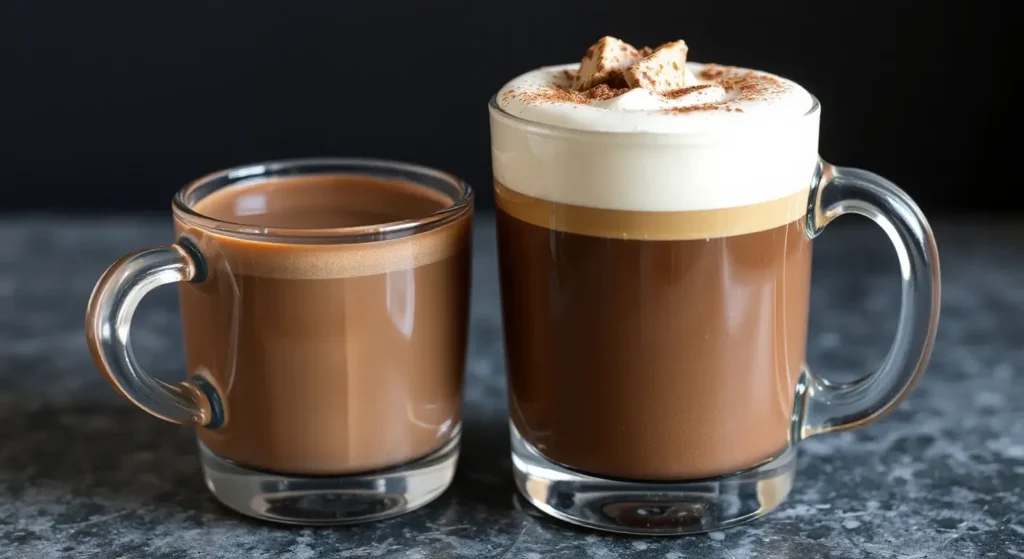
The fundamental difference between a Mochaccino vs Mocha lies in the milk texture: a Cafe Mocha is richly integrated and velvety, while a Mochaccino is topped with a distinct, airy layer of frothed milk, mirroring a cappuccino structure. This textural variation drastically alters the flavor delivery of the espresso and chocolate base. Read on to master your next gourmet coffee order.

The Hidden Difference Between Mocha & Mochaccino Read More »

A latte with a question mark, representing the debate about whether lattes are hot or cold.
Brewing

Hot or Cold Latte Secret: Never Order Wrong Again

By definition, a traditional latte is served hot, made by pouring steamed milk over espresso. The defining characteristic relies on the velvety microfoam created by heating milk to 140–155°F. Cold variations fundamentally change the texture. Read on to explore hot vs. cold preparations and seasonal preferences.

Hot or Cold Latte Secret: Never Order Wrong Again Read More »

coffee roast flavor profiles
Brewing

Types of Coffee Roasts – 3 Simple Profiles

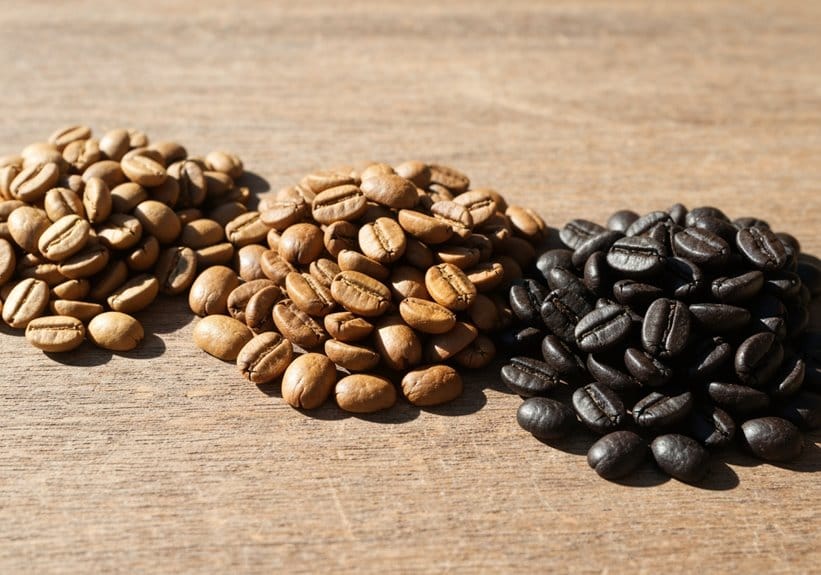
There are three primary coffee roasts: light, medium, and dark, each offering distinct flavor profiles, caffeine levels, and textures. Light roasts are fruity with higher caffeine, medium roasts are balanced with caramel notes, and dark roasts are bold and bittersweet. Read on to discover how these roasting levels impact your coffee experience.

Types of Coffee Roasts – 3 Simple Profiles Read More »

roast depth impacts flavor
Brewing

Dark Roast Vs Medium Roast Coffee – 3 Key Differences

Dark roast vs medium roast pits sweet, smooth profiles against bold, smoky intensity. Medium roasts retain slightly more caffeine by weight, though dark roast dominates extraction efficiency. Medium roasts benefit from higher chlorogenic acid for inflammation control. Explore the full differences now.

Dark Roast Vs Medium Roast Coffee – 3 Key Differences Read More »

Hyper-realistic 3D coffee beans with watercolor accents illustrating caffeine content and dark roast coffee strength.
Brewing

Dark Roast Coffee Isn’t Actually Stronger — Here’s What Really Controls Your Caffeine

Dark Roast Coffee tastes bolder and more intense, but that perceived strength is a sensory illusion driven by bitterness and caramelized compounds—not caffeine content. We instinctively equate flavor perception with energy, yet caffeine content depends primarily on coffee bean species, measurement methods, and brew method. Understanding this distinction helps us engineer our actual daily buzz with precision.

Dark Roast Coffee Isn’t Actually Stronger — Here’s What Really Controls Your Caffeine Read More »

coffee processing method explained
Brewing

What Is Dry Process Coffee and How Does It Work?

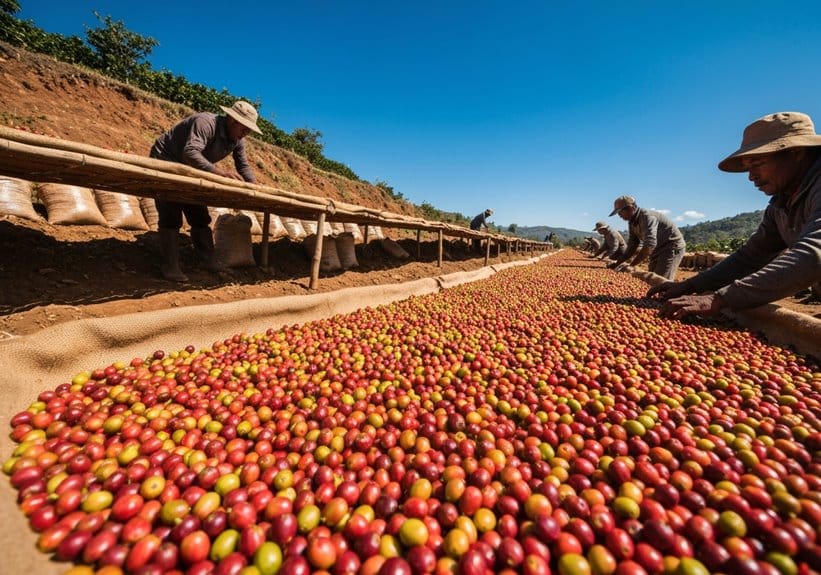
Dry process coffee is the oldest method, where whole coffee cherries are dried naturally under the sun with the fruit left on. This water-efficient technique takes around 3-4 weeks, requiring careful monitoring to avoid mold. The result is a cup known for its heavy body and pronounced sweetness. Read on to explore the workflow and flavor impact of this classic method.

What Is Dry Process Coffee and How Does It Work? Read More »

home coffee plant care
Brewing

Successfully Growing a Coffee Plant at Home

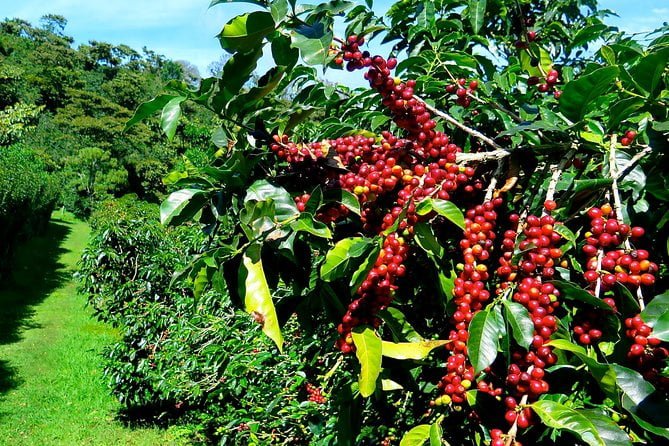
Growing a coffee plant at home requires simulating tropical conditions, primarily high light exposure (4+ hours daily) and warm temperatures between 70°F to 80°F. Key care involves consistently moist, well-draining soil and humidity above 30%. Read on to discover essential fertilization and propagation tips for robust indoor growth.

Successfully Growing a Coffee Plant at Home Read More »

caring for coffee plants
Brewing

Step-by-Step Care for Your Coffee Plant

Caring for a coffee plant involves balancing key environmental factors similar to its tropical origins. Provide at least four hours of direct sunlight daily, maintain temperatures between 18-26ºC, and aim for 60-80% humidity. Consistent watering without waterlogging is crucial for preventing root rot. Read on to master your coffee-growing skills.

Step-by-Step Care for Your Coffee Plant Read More »

Scroll to Top