Brewing

coffee processing method explained
Brewing

What Is Dry Process Coffee and How Does It Work?

Dry process coffee is the oldest method, where whole coffee cherries are dried naturally under the sun with the fruit left on. This water-efficient technique takes around 3-4 weeks, requiring careful monitoring to avoid mold. The result is a cup known for its heavy body and pronounced sweetness. Read on to explore the workflow and flavor impact of this classic method.

What Is Dry Process Coffee and How Does It Work? Read More »

home coffee plant care
Brewing

Successfully Growing a Coffee Plant at Home

Growing a coffee plant at home requires simulating tropical conditions, primarily high light exposure (4+ hours daily) and warm temperatures between 70°F to 80°F. Key care involves consistently moist, well-draining soil and humidity above 30%. Read on to discover essential fertilization and propagation tips for robust indoor growth.

Successfully Growing a Coffee Plant at Home Read More »

caring for coffee plants
Brewing

Step-by-Step Care for Your Coffee Plant

Caring for a coffee plant involves balancing key environmental factors similar to its tropical origins. Provide at least four hours of direct sunlight daily, maintain temperatures between 18-26ºC, and aim for 60-80% humidity. Consistent watering without waterlogging is crucial for preventing root rot. Read on to master your coffee-growing skills.

Step-by-Step Care for Your Coffee Plant Read More »

smooth cold brew method
Brewing

How to Get Smooth Cold Brew Using a Coarse Grind

The ideal cold brew grind size is coarse, resembling chunky sea salt, to prevent over-extraction during the long steep time. Finer grinds lead to bitterness, while overly coarse grounds result in weak flavor. Achieving this specific particle consistency is fundamental for rich, balanced cold brew success.

How to Get Smooth Cold Brew Using a Coarse Grind Read More »

grind coffee with ninja
Brewing

How to Use Your Ninja Appliance to Grind Coffee Perfectly

To grind coffee perfectly with a Ninja grinder, select the appropriate grind size (fine for espresso, medium for drip, coarse for French press) and use short pulses for consistency. Mastering the conical burr grinder settings dictates the final flavor profiles. Read on to discover precise techniques and ratios for optimal brewing.

How to Use Your Ninja Appliance to Grind Coffee Perfectly Read More »

moka pot grinding techniques
Brewing

Master the Moka Pot: 5 Best Grind Tips

The ideal moka pot grind size ranges between 360 and 660µm, best described as a medium-fine texture similar to sea salt. Achieving this consistency, often around 650µm, ensures optimal extraction efficiency at the required 1-2 bar pressure without clogging the filter. Using a burr grinder is crucial for uniform results. Read on to discover specific adjustments for roast levels and maintenance tips.

Master the Moka Pot: 5 Best Grind Tips Read More »

coffee drink comparison guide
Brewing

Flat White Vs Latte Vs Cappuccino: the Ultimate Comparison Guide

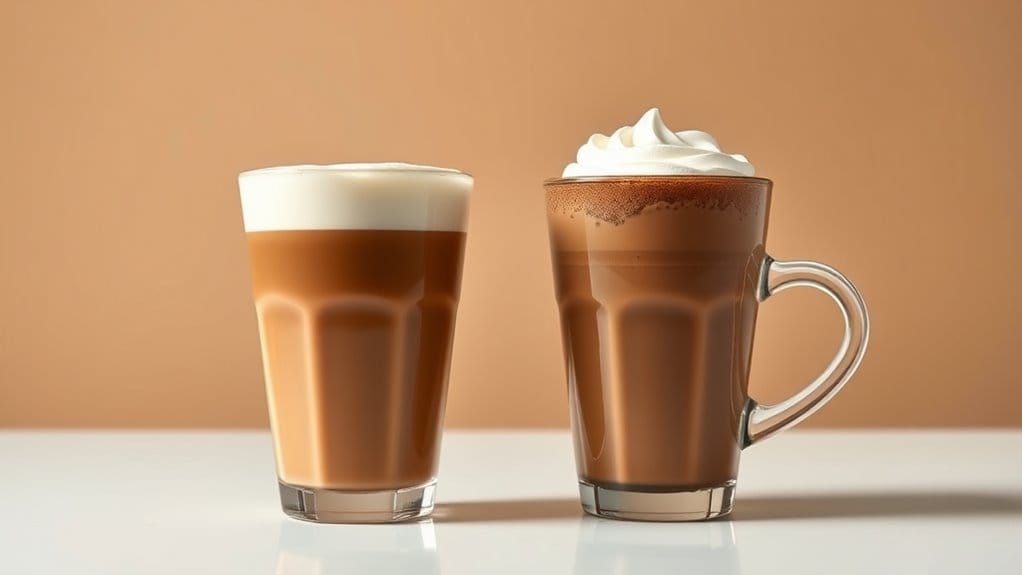
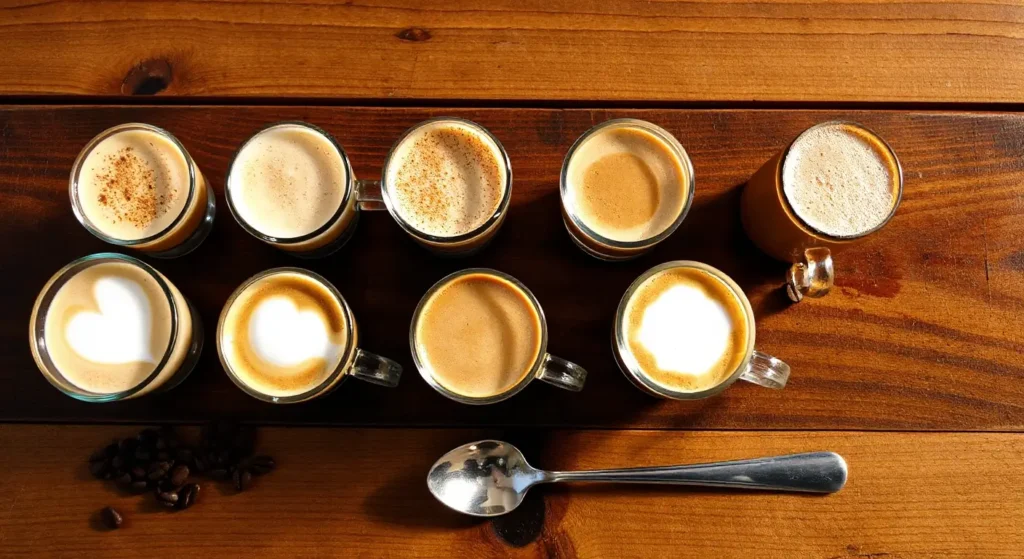
The primary difference between a flat white, cappuccino, and latte lies in the milk texture and proportion relative to the espresso base. A flat white uses tightly integrated microfoam for a velvety texture, a latte has more steamed milk and minimal foam, while a cappuccino features a distinct, airy foam dome. Read on for a detailed comparison of these beloved drinks.

Flat White Vs Latte Vs Cappuccino: the Ultimate Comparison Guide Read More »

brewing black eye coffee
Brewing

How to Make Black Eye Coffee: Step‑by‑Step Recipe + Definition

Black eye coffee is a potent beverage defined as standard drip coffee infused with two shots of espresso, resulting in a massive caffeine boost. Originally conceived by Pacific Northwest coffee shops, this mix requires brewing a base of regular coffee and pulling a double shot of espresso. Read on to master this turbo-charged cup and conquer your day.

How to Make Black Eye Coffee: Step‑by‑Step Recipe + Definition Read More »

espresso shot ounce measurement
Brewing

How Many Ounces in a Shot of Espresso: Complete Measurement Guide

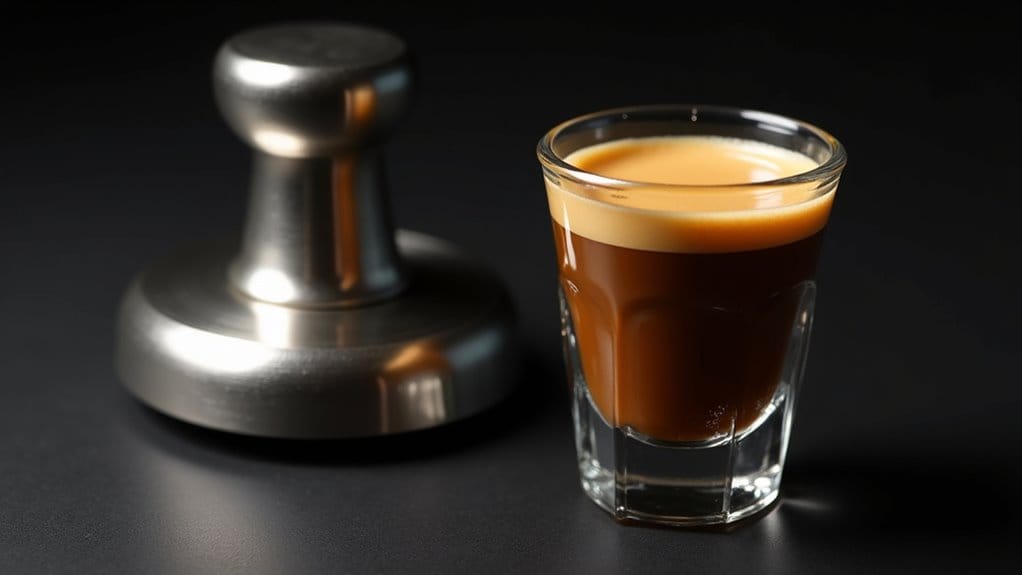
A standard shot of espresso is traditionally defined as 1 fluid ounce (approximately 25–30ml). Hitting this precise ounce measurement locks in sweetness and consistency, contrasting bitter or sour results. While volume is cited, professionals rely on gram weight and brew ratios for true accuracy. Read on to master the tools and techniques for measurement consistency.

How Many Ounces in a Shot of Espresso: Complete Measurement Guide Read More »

A glass of creamy Espresso Martini, garnished with three coffee beans, illustrating a recipe for coffee lovers.
Recipes

Creamy Espresso Martini Recipe for Coffee Lovers

A Creamy Espresso Martini achieves its signature velvety texture primarily through vigorous shaking of fresh espresso, not added dairy. This technique emulsifies the oils, creating a thick, coffee-bean froth. Key components include vodka, coffee liqueur, and cooled espresso. Read on for the simple, non-dairy steps to achieve professional-grade foam.

Creamy Espresso Martini Recipe for Coffee Lovers Read More »

Scroll to Top