Brewing

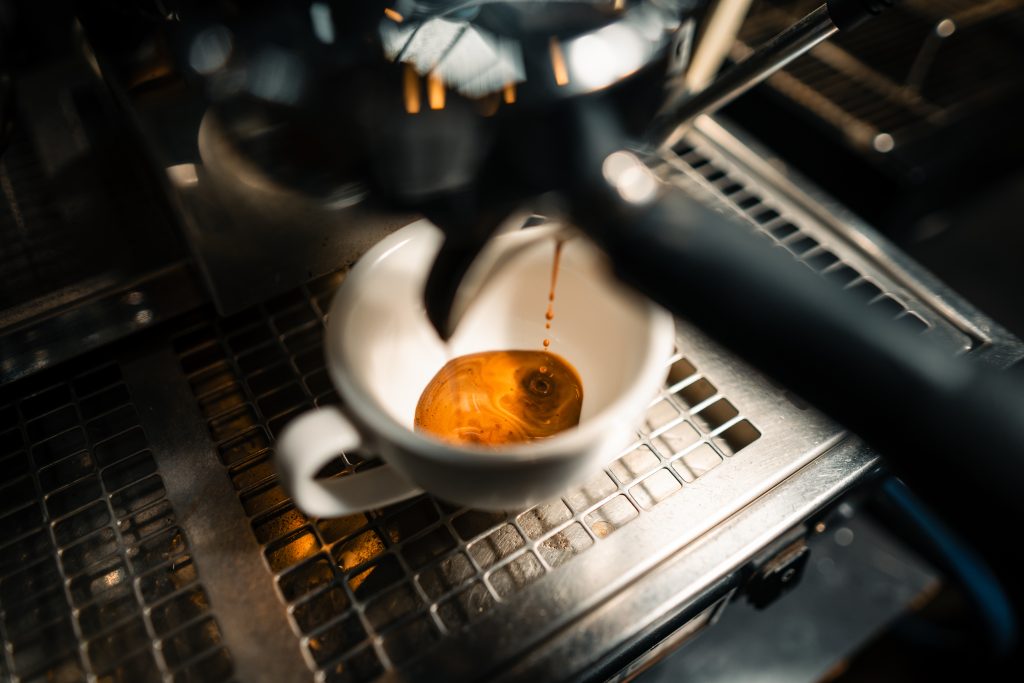
Close-up of espresso being extracted into a white cup from an espresso machine.
Brewing

An Overview of Espresso: History, Culture, techniques and Benefits

Espresso is a concentrated coffee beverage brewed by forcing hot water (195°–205°F) through finely ground coffee at 9–10 atmospheres of pressure, with an ideal extraction time of 20–30 seconds. This Italian-born method, first commercialized in 1902 by Luigi Bezzera, is defined by its high pressure, which creates the distinctive golden-brown foam layer known as crema. Contrary to popular belief, a single shot of espresso contains less total caffeine than a regular cup of drip coffee due to its smaller serving size. Learn the key elements and techniques required to master the perfect espresso shot.

An Overview of Espresso: History, Culture, techniques and Benefits Read More »

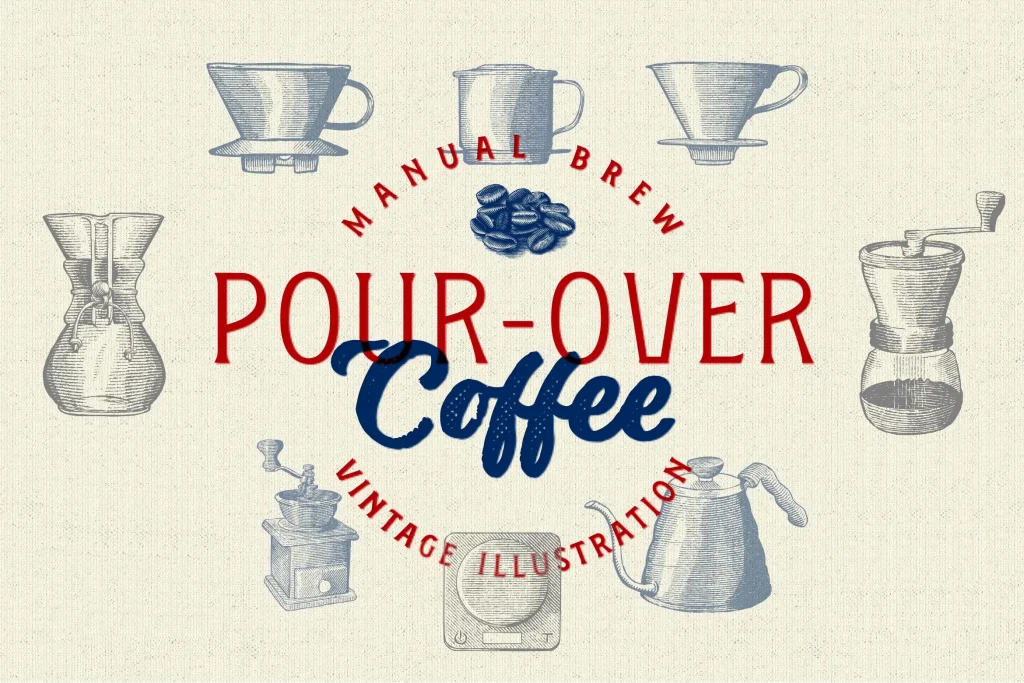
Vintage illustration of pour-over coffee manual brew equipment
Brewing

Unlock the Secrets of Pour Over Coffee

Pour over is a manual brewing technique, pioneered by Melitta Bentz in 1908, where hot water is precisely poured over medium-fine ground coffee, allowing it to drip through a filter into a cup. This method, often utilizing a 1:18 coffee-to-water ratio, offers complete control over variables like water flow and temperature, resulting in a cleaner, more nuanced flavor compared to immersion methods. Essential tools include a gooseneck kettle for controlled pouring and popular brewers like the Hario V60 or Kalita Wave. Unlock the secrets of the pour over method and learn the step-by-step guide to brewing your perfect cup.

Unlock the Secrets of Pour Over Coffee Read More »

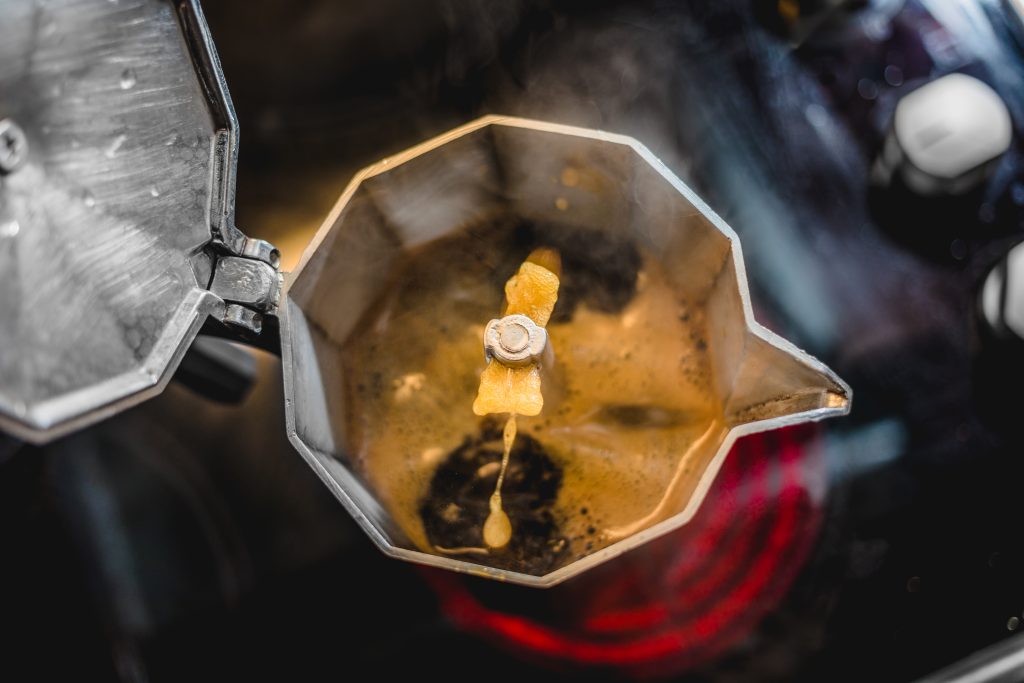
Top view of coffee brewing in a Moka Pot on a stovetop
Brewing

The Ultimate Guide to Moka Pot Coffee Brewing

The Moka Pot, or stovetop espresso maker, is a three-chambered Italian coffee brewer invented by Alfonso Bialetti in the 1930s that uses steam pressure to force hot water through coffee grounds. Unlike a true espresso machine (9 bars), the Moka Pot operates at a lower pressure (around 1.5 bars) to produce a rich, intense, and flavorful coffee, making it a robust and economical alternative for home brewing. To use it, fill the lower chamber with water, add medium-ground coffee to the filter basket, and heat it on the stove until the coffee collects in the upper chamber. Discover the full guide on how to brew and maintain this iconic symbol of Italian coffee culture.

The Ultimate Guide to Moka Pot Coffee Brewing Read More »

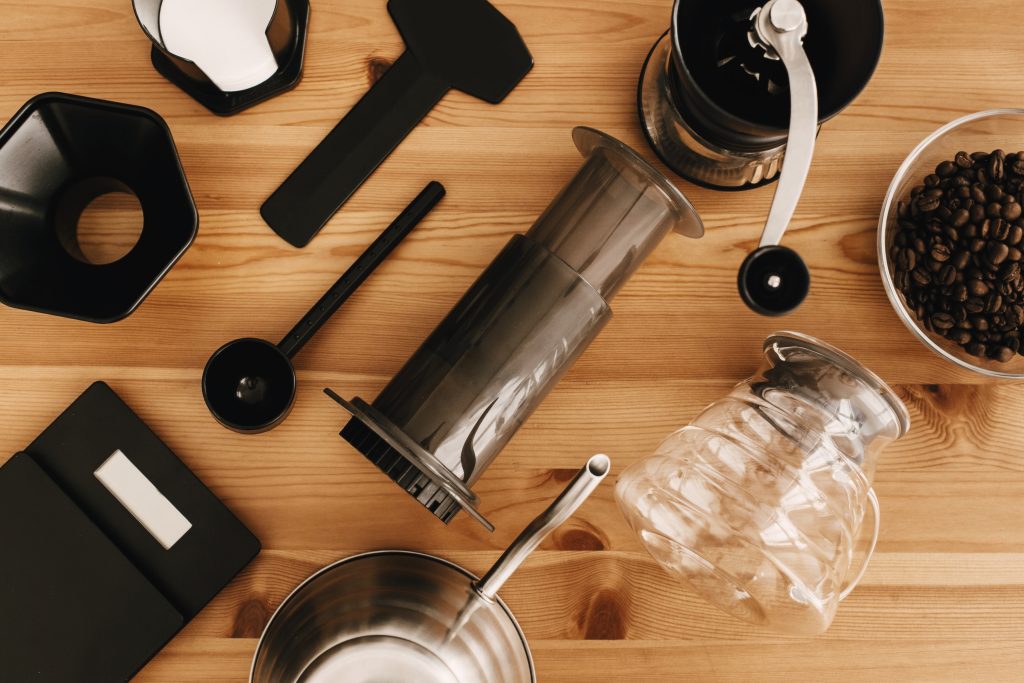
AeroPress coffee maker and various coffee brewing accessories on a wooden table.
Brewing

AeroPress: Rich, Smooth, Full-bodied

The AeroPress is a portable coffee brewing device, invented by Alan Adler in 2005, that uses a combination of immersion, steeping, and air pressure to produce a rich, smooth, and full-bodied coffee. Known for its quick brewing time of 2–3 minutes, the AeroPress delivers a cup that is less acidic and more flexible than pour-over methods, allowing users to create espresso-like concentrates or lattes. Many enthusiasts use the “inverted method” to control the steeping time before plunging. Explore the best techniques and award-winning recipes to master your AeroPress brewing today.

AeroPress: Rich, Smooth, Full-bodied Read More »

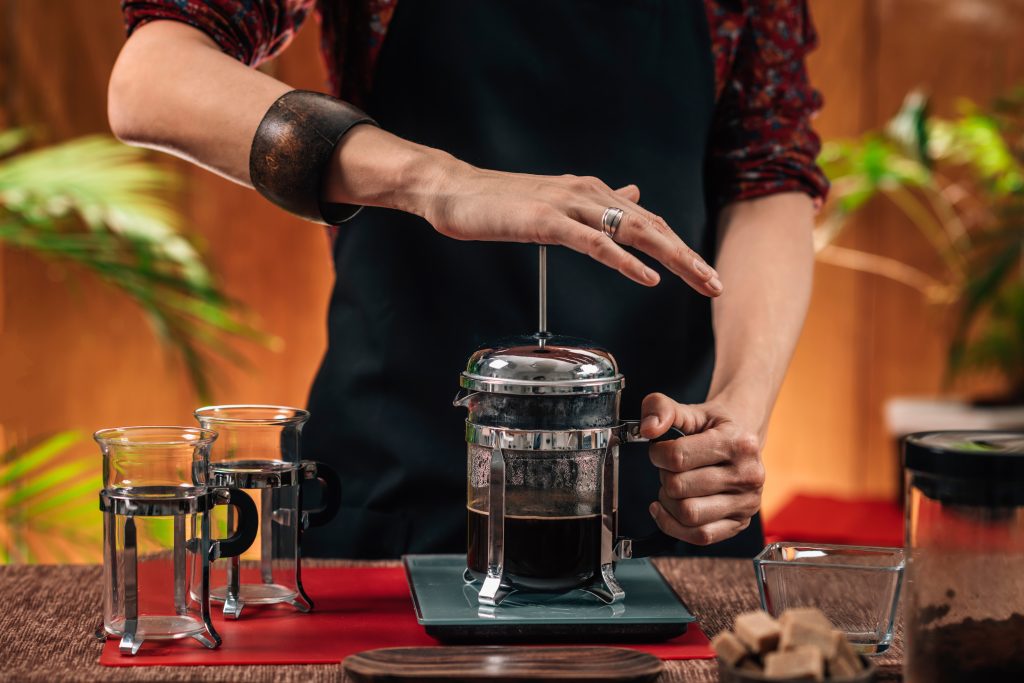
Barista pressing down the plunger on a French Press with two glass mugs beside them.
Brewing

French Press: Simple Yet Refined, Bold & Unforgettable

The French Press is an immersion coffee brewing method, first patented in 1852, where medium-coarse coffee grounds and hot water steep together for a minimum of four minutes before a plunger separates the grounds from the liquid. This method bypasses paper filters, allowing coffee oils and rich flavors to remain in the brew, resulting in a bolder, more authentic flavor compared to clean, paper-filtered methods like pour-over. The standard SCA ratio suggests 36 grams of coffee to 660 grams of water. Learn the precise, step-by-step technique to brew a truly unforgettable cup of French Press coffee.

French Press: Simple Yet Refined, Bold & Unforgettable Read More »

Scroll to Top