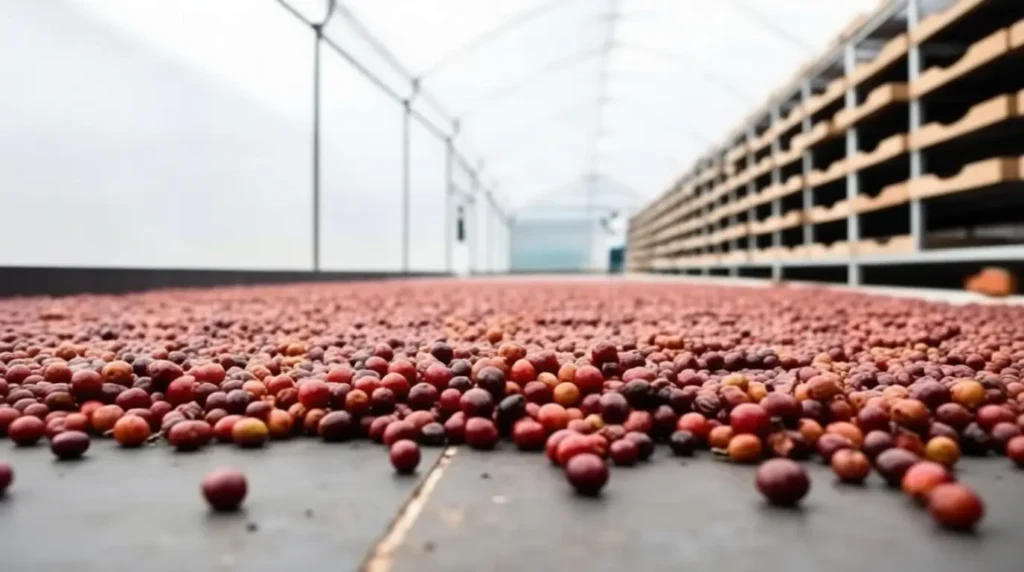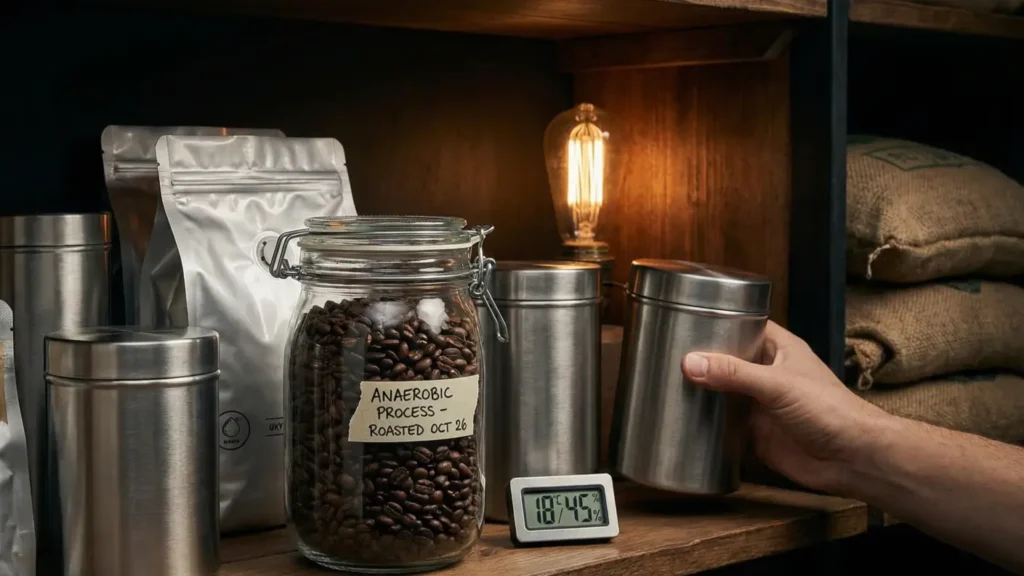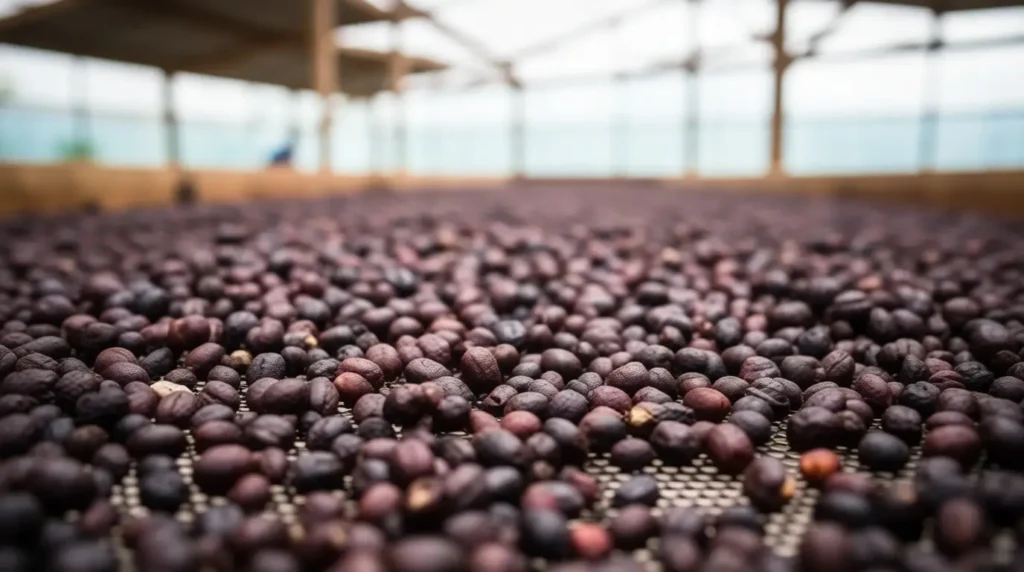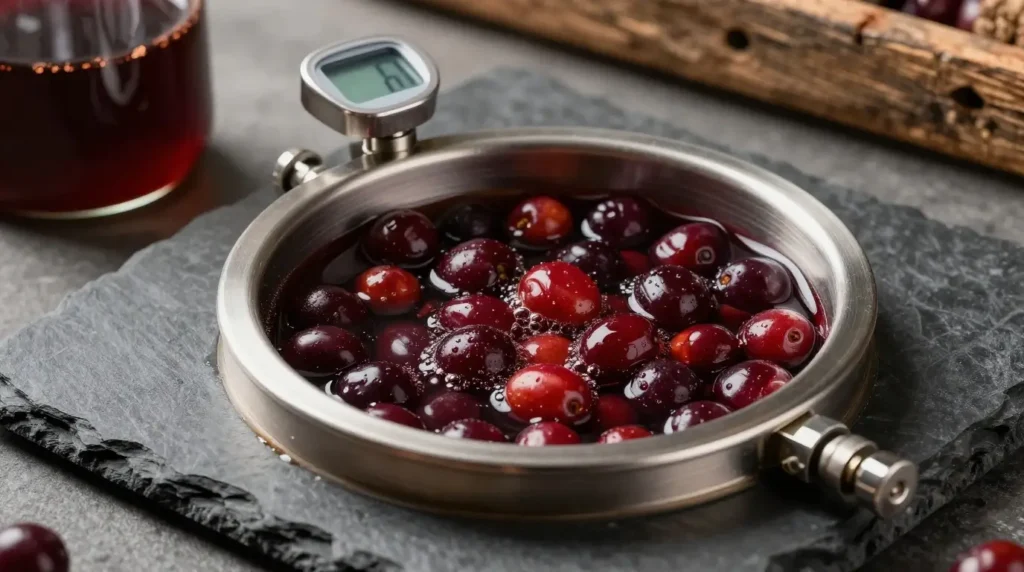
A professional 3D infographic showing how to compare anaerobic coffee processing tanks from high-end industrial units to cost-effective home setups.
Coffee Beans

Anaerobic Coffee Processing Tanks Compared: Stainless Steel, HDPE Barrels, and GrainPro Bags — Plus the Full Setup Workflow

Anaerobic fermentation demands five interdependent hardware components before a single cherry enters the tank: a CO₂-purged container, a one-way pressure-release valve, a temperature logger calibrated to the 15–18 °C window, and a pH/Brix meter verified against buffer solutions. We use this integrated setup to control gas exclusion, chemical endpoints, and thermal stability simultaneously—transforming equipment selection from guesswork into a repeatable, failure-resistant workflow.

Anaerobic Coffee Processing Tanks Compared: Stainless Steel, HDPE Barrels, and GrainPro Bags — Plus the Full Setup Workflow Read More »

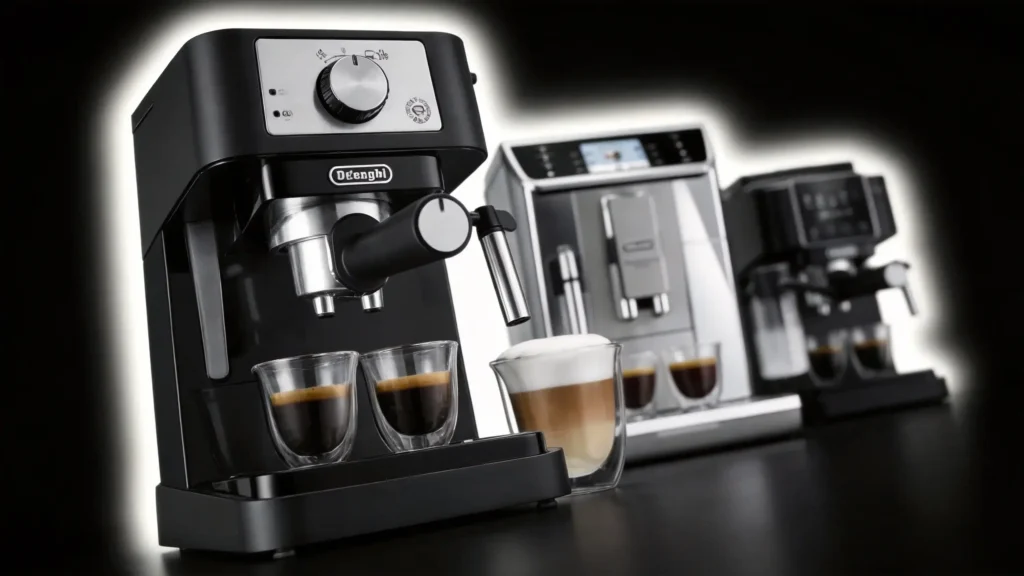
A stylized hyper-realistic 3D rendering comparing a Keurig and Nespresso coffee machine side-by-side with a modern infographic layout.
Buying Guide Brewing

Keurig vs Nespresso: Which Pod Coffee Machine Is Actually Right for You?

Pod coffee machines divide cleanly into two systems—Keurig and Nespresso—each engineered around fundamentally different decision criteria. Keurig prioritizes pod variety and low pod cost, while Nespresso delivers high brew pressure and genuine crema. We use these measurable differences in machine price, milk-frothing capability, and environmental impact to match each system to the drinker it actually serves.

Keurig vs Nespresso: Which Pod Coffee Machine Is Actually Right for You? Read More »

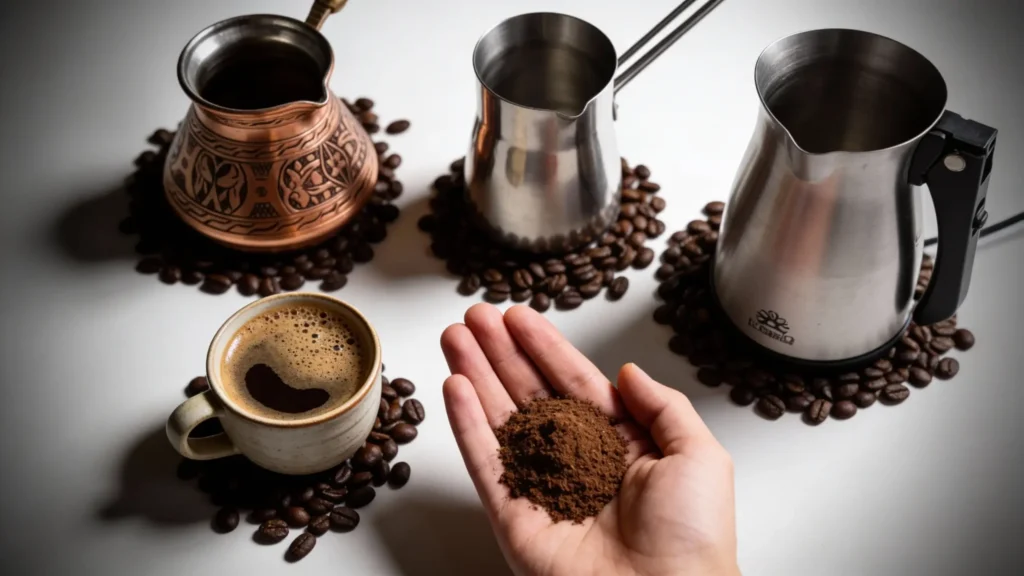
High-quality graphic featuring Geisha and Catimor coffee cherries in a 3D artistic style representing anaerobic fermentation process.
Coffee Beans

The Best Coffee Varieties for Anaerobic Fermentation: From Geisha to Catimor, Ranked and Explained

Anaerobic fermentation coffee varieties determine cup complexity by controlling which esters and organic acids develop inside sealed, oxygen-free tanks during coffee processing. Geisha dominates this field because its dense sucrose load feeds *Saccharomyces cerevisiae* T58, generating ethyl acetate and isoamyl acetate at concentrations we rarely achieve with Catimor’s thinner mucilage layer.

The Best Coffee Varieties for Anaerobic Fermentation: From Geisha to Catimor, Ranked and Explained Read More »

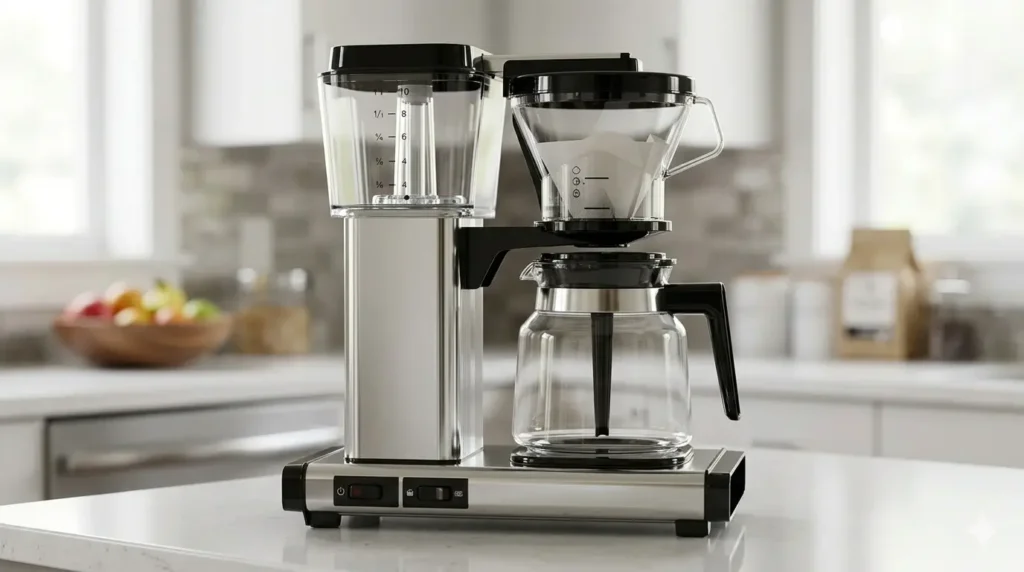
A stylized 3D infographic comparing the anaerobic washed coffee process to honey processed beans with bright artistic textures.
Coffee Beans

Anaerobic Washed & Honey Processing: How Clarity, Sweetness, and Complexity Are Built from the Tank Up

Anaerobic coffee processing transforms sealed-tank fermentation into a precision flavor tool by stripping oxygen from the environment so lactic-acid bacteria convert mucilage sugars into esters under controlled CO₂ pressure. When we apply this mechanism to depulped beans, we get clean brightness; when we retain mucilage for the honey variant, we unlock extreme sweetness—two distinct outcomes driven by one oxygen-free system.

Anaerobic Washed & Honey Processing: How Clarity, Sweetness, and Complexity Are Built from the Tank Up Read More »

Scroll to Top