Brewing

A perfect cup of coffee, whether espresso or cappuccino, is a matter of choice and personal preference.
Brewing

Espresso vs. Cappuccino: The 30-Second Trick to Picking the PERFECT Brew Every Time

The core difference between Espresso vs. Cappuccino lies in their composition: Espresso is a concentrated shot of coffee, while a Cappuccino is a balanced 1:1:1 ratio of espresso, steamed milk, and thick milk foam. Both typically contain the same amount of caffeine (around 63-75mg per single shot), but the cappuccino’s milk significantly mellows the flavor intensity. Use our 30-second trick to confidently pick the perfect brew for your next coffee moment.

Espresso vs. Cappuccino: The 30-Second Trick to Picking the PERFECT Brew Every Time Read More »

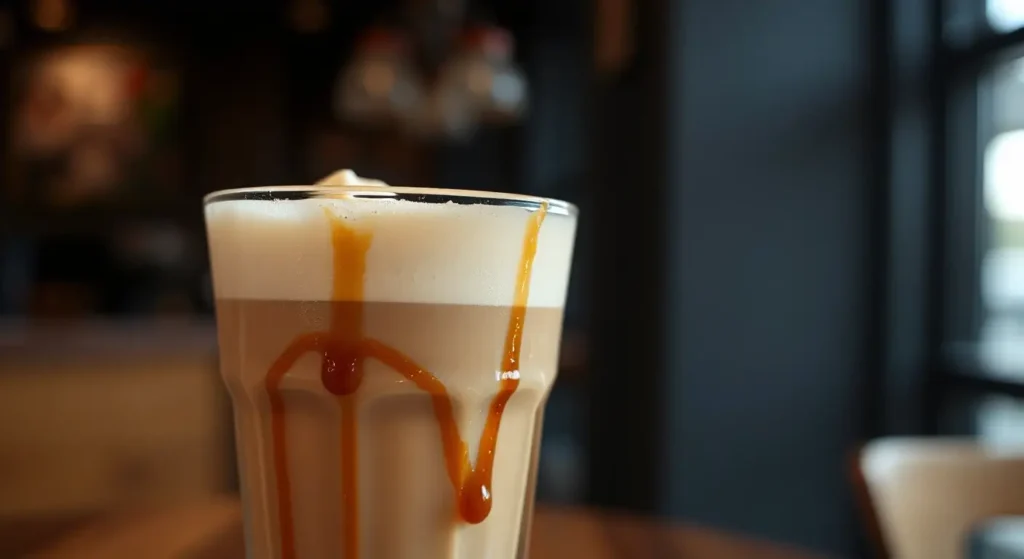
Dunkin caramel macchiato calories in a creamy iced caramel macchiato from Dunkin Donuts
Brewing

Dunkin Macchiato Calories—Less Than 300 Cal, More Satisfaction

A standard Dunkin’ Caramel Macchiato ranges from 120 calories (Small Iced) to 260 calories (Large Hot), confirming most sizes are already compliant with a sub-300 calorie goal. Iced drinks are typically lower than hot versions, but customization is key: switching to skim milk or cutting two syrup pumps saves approximately 40 calories. Read the full guide to master your low-calorie Dunkin’ order.

Dunkin Macchiato Calories—Less Than 300 Cal, More Satisfaction Read More »

Authentic Italian caffè macchiato with real macchiato mini-foam topping on smooth espresso
Brewing

Master Caffè Macchiato: The Mini‑Foam Trick That Gives Espresso Velvet

A traditional caffè macchiato is a single shot of espresso (60–80 mg caffeine) “marked” with a tiny spoonful of milk foam, served in a 2–3 oz demitasse cup. This contrasts sharply with the milk-dominant latte macchiato, where the espresso is poured through milk to create layers. Learn the mini-foam trick to master this espresso-first classic.

Master Caffè Macchiato: The Mini‑Foam Trick That Gives Espresso Velvet Read More »

A delicious coconut latte made with coconut milk and topped with whipped cream
Brewing

5-Minute Coconut Milk Magic: Iced Latte Bliss Without the Café Line

A creamy, cafe-quality iced coconut milk latte can be made in just 5 minutes using two shots of espresso and the thick cream from full-fat canned coconut milk. This method ensures a rich texture and avoids the watery separation often found when using standard carton milk. Skip the line and master this tropical, dairy-free recipe today.

5-Minute Coconut Milk Magic: Iced Latte Bliss Without the Café Line Read More »

A cappuccino with a layer of foam and a sprinkle of cinnamon on top
Brewing

Not Just Foam! The Truth About What a Cappuccino REALLY Is

A standard single-shot cappuccino contains 60–80 mg of caffeine, which is generally less than a typical 8–12 oz cup of brewed coffee (95–165 mg). While the espresso base is highly concentrated, the smaller serving size and dilution by milk mean the total caffeine is often lower. Read the full guide to understand the difference between perceived strength and actual caffeine content.

Not Just Foam! The Truth About What a Cappuccino REALLY Is Read More »

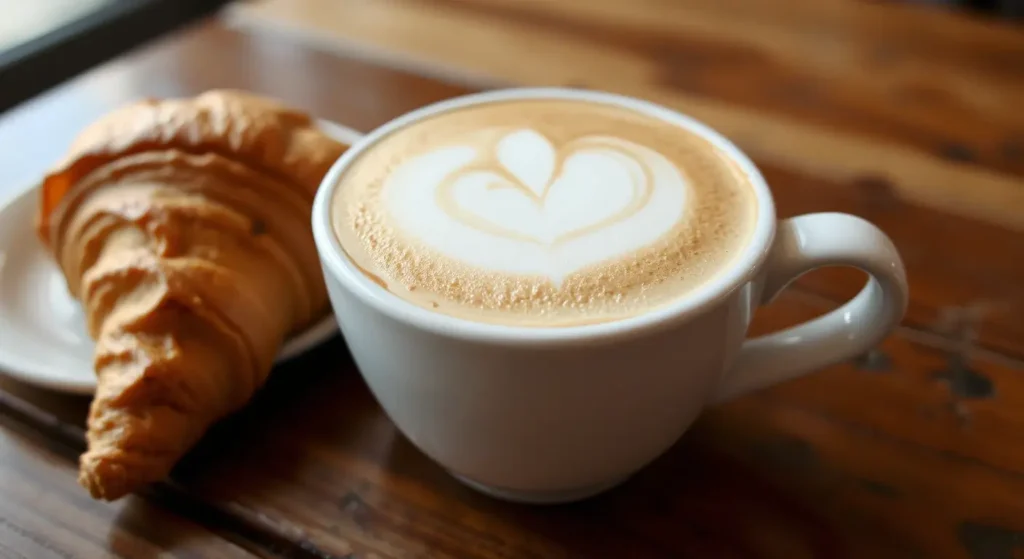
Silky Italian cappuccino with perfect crema, authentic cappuccino italiano style not foam-heavy
Brewing

Stop Ruining Your Cappuccino! 3 Italian Secrets for Creamy Perfection

The authentic Italian cappuccino relies on a strict 1:1:1 ratio of espresso, steamed milk, and velvety microfoam, served exclusively in a 5-6 ounce cup. This precise balance ensures the coffee flavor shines through, unlike larger, milk-heavy global versions. Learn the three Italian secrets to master the perfect microfoam and traditional preparation.

Stop Ruining Your Cappuccino! 3 Italian Secrets for Creamy Perfection Read More »

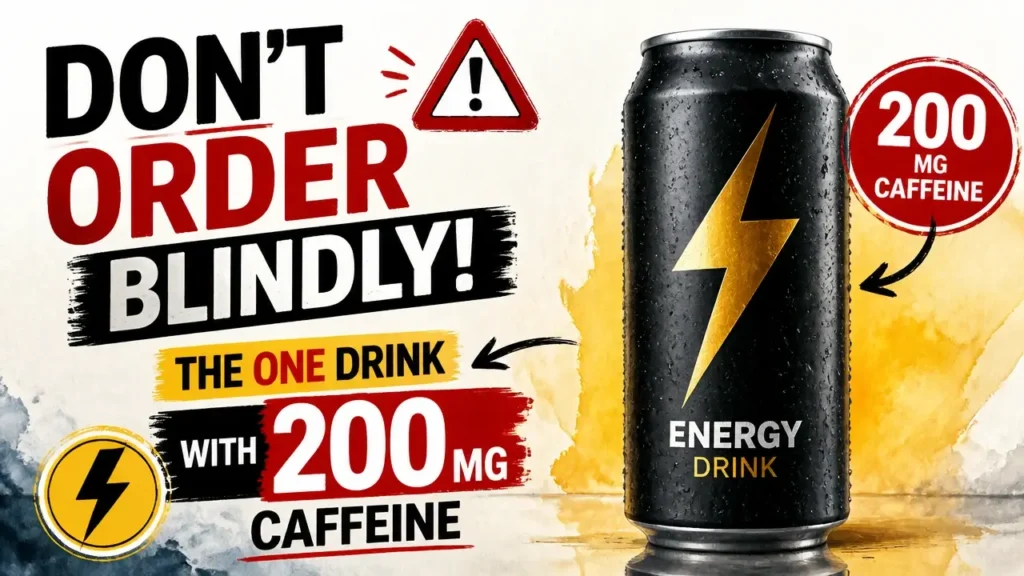
A stylized 3D render of a coffee cup with a bold infographic showing 200mg caffeine drinks label.
Brewing

200mg Caffeine Drinks: Every Real Option Worth Ordering at a Café or Store

200mg caffeine drinks deliver the equivalent of two to three standard cups of coffee in a single serving — making drip coffee, cold brew, triple-shot lattes, and energy drinks like Monster or Celsius the most common sources. We use the FDA daily limit of 400 mg as our ceiling to help you identify exactly which orders hit that threshold without accidentally doubling your dose.

200mg Caffeine Drinks: Every Real Option Worth Ordering at a Café or Store Read More »

A variety of latte flavors, including unique and hidden options
Brewing

Barista Secrets: 20 Hidden Latte Flavors You’ve Never Tried

Latte flavors are categorized into Classic, Chocolate-based, Nutty, Fruity, and Seasonal, but the most exciting options are “Adventurous” combinations like Saffron Pistachio and Chili Mocha. These unique latte flavors move beyond standard vanilla and caramel by utilizing exotic ingredients and global inspirations, offering sophisticated profiles that elevate the espresso-milk base. Discover 20 hidden flavors and simple recipes to transform your daily coffee routine.

Barista Secrets: 20 Hidden Latte Flavors You’ve Never Tried Read More »

Close-up shot of a professional steam wand aerating milk in a stainless steel pitcher, creating microfoam for specialty coffee drinks. Steam rises from the surface as the milk is being textured.
Brewing

Why Can’t You Froth Milk? The 1 Mistake 90% of Home Baristas Make

The single mistake 90% of home baristas make is misjudging the critical timing between the initial aeration (stretching) phase and the subsequent texturing (folding) phase, a process directly tethered to temperature awareness. This error results in either separated, bubbly foam or thin, warm milk, preventing the creation of velvety microfoam. Understand the science and the exact technique required to fix this common error and start pouring café-quality lattes today.

Why Can’t You Froth Milk? The 1 Mistake 90% of Home Baristas Make Read More »

Aromatic mocha coffee drink with steamed milk and chocolate syrup
Brewing

Caffeine or Chocolate? The Truth Behind Every Mocha

A mocha is a chocolate-flavored espresso drink combining one double-shot of espresso (2 oz), 1-2 tablespoons of chocolate syrup or powder, and 8-10 oz of steamed milk in a 1:1-2:8-10 ratio. Unlike a latte, mochas contain chocolate which adds sweetness and complexity, making them 20-40% higher in calories and noticeably sweeter than standard lattes or cappuccinos. Mochas contain the same caffeine as lattes of the same size since they use identical espresso shots—typically one shot for small and two for medium or large. Read the full article to explore mocha variations, flavor profiles, and how it compares to other coffee drinks.

Caffeine or Chocolate? The Truth Behind Every Mocha Read More »

Scroll to Top