
Key Takeaways
- Traditionally, a latte is served hot, made with espresso and steamed milk.
- The defining feature of a standard latte is the texture of the milk (microfoam).
- Cold variations include the straightforward Iced Latte and the dessert-like Blended Latte.
- Always specify “hot” or “iced” if you have a strong preference, as context sometimes defaults to temperature expectations.
What is a Latte?
So, what exactly are lattes hot or cold by definition? Before we talk temperature, we need to agree on the basics. A latte, short for caffè latte, is one of the most popular espresso-based drinks globally. Its simplicity is its strength, relying on just two primary components to achieve its characteristic texture and flavor profile.
- Espresso: Provides the base temperature for the latte, typically around 195°F to 205°F, and influences the overall temperature due to its high initial temperature.
- Milk: Dilutes the temperature of the espresso and, when steamed, contributes to the final temperature of the latte; steamed milk is usually heated to around 140°F to 160°F, which is the typical temperature range for a latte.
When people ask, “Are lattes hot or cold?”, the answer depends entirely on how the milk is treated. The traditional preparation defaults to a hot beverage, utilizing expertly steamed milk. If you order just a “latte” without specifying, you are almost always receiving a warm cup of coffee heaven. However, the term has broadened significantly, leading to confusion when someone expects a chilled drink and receives a steaming mug, or vice versa. Understanding these components is the first step to ordering perfectly every time.
The Traditional Latte Experience: Hot and Steamy
The classic latte is a study in texture and subtle temperature play. When a barista prepares a traditional latte, they are aiming for warm, comforting perfection. This warmth is entirely derived from the incorporation of steamed milk poured over freshly pulled espresso. It’s the standard for a reason: the heat unlocks the sweetness in the milk, reducing the sharpness of the espresso pull and creating a smooth, luxurious mouthfeel.
If you walked into an Italian cafe decades ago and asked for a latte, you’d likely receive a glass of milk! Even in modern English-speaking coffee shops, asking for a standard latte implies you want it served hot. The entire preparation is centered around that steam wand and the magic it performs on dairy (or alternative) beverages.
The Art of Steaming Milk
Steaming milk is where the true artistry of the latte lies. It’s not just heating the milk; it’s an aeration and texturing process. A barista uses the steam wand to inject hot, pressurized steam into the cold milk. This requires precision—too much air, and you get stiff foam like you’d find on a cappuccino; too little, and the drink is watery. We’re aiming for something silky, almost liquid velvet, known as microfoam.
A step-by-step guide from a barista shows how to steam milk for the classic latte: positioning the steam wand, aerating the milk, creating a vortex for texturing, and achieving the “wet paint” consistency essential for latte art.
The Impact of Steamed Milk on Latte Temperature

The temperature of the steamed milk dictates the entire experience. If the milk is under‑heated, the drink tastes dull and the texture feels thin. If it’s over‑heated—scalding the milk—the natural sugars break down, resulting in a flat, sometimes slightly burnt taste, and you lose the delicate microfoam structure. For a traditional latte, milk is typically steamed to a temperature range of 140 – 155 °F (60 – 68 °C), which enhances the milk’s natural sweetness and creates a velvety microfoam ideal for latte art. This range ensures the drink is wonderfully warm but not so hot that it immediately burns your tongue, allowing you to savor the flavor profile right away. This precision is *why* the **hot** latte reigns supreme in traditional coffee service.
Exploring Cold Latte Variations
While the steamed version is the standard, the demand for cold options has exploded, particularly in warmer climates or for those who simply prefer a chilled experience. When you want something refreshing, you are moving away from the traditional steamed milk base into entirely different preparation territory. This is when the question “are lattes cold?” becomes a resounding “yes, potentially!”
| Latte Variant | Preparation Method | Typical Temperature | Key Characteristics |
|---|---|---|---|
| Iced Latte | Espresso or strong coffee is mixed with milk and served over ice | Chilled, around 40°F (4°C) | Distinct layers of coffee and milk, retains texture of milk, straightforward coffee flavor |
| Blended Latte | Espresso or strong coffee is blended with milk and ice to create a uniform, frothy mixture | Very cold, around 32°F (0°C) | Smooth, creamy texture, mixed coffee and milk flavor, often topped with whipped cream |
Iced Lattes: A Refreshing Twist
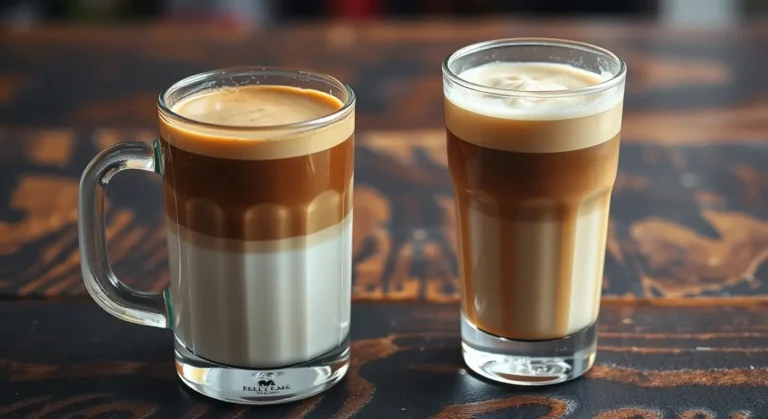
The Iced Latte is perhaps the simplest departure from its hot sibling. Instead of steaming the milk, it is poured cold over espresso shots and ice. The preparation often results in visually distinct layers—espresso sinking slightly below the milk—which beautifully showcases the components of the drink. It maintains a clearer separation of flavors compared to a hot latte where everything blends into a uniform warmth. Interestingly, the perception of taste changes dramatically at lower temperatures. Research on taste perception shows that temperature systematically modifies neural activity for sweet stimuli. So, even if the sweetness of the milk is slightly muted by the cold, the overall refreshment factor is off the charts. It’s a straightforward, crisp experience designed for sipping slowly.
Blended Lattes: The Frozen Delight
Then there is the Blended Latte, which borders on being a coffee‑flavored milkshake. This variation incorporates ice into the blending process along with espresso and milk (often with added syrups or flavorings). The result is a thick, frosty beverage where the coffee and milk are completely emulsified. You lose the clear distinction found in the iced version. It’s a dessert masquerading as a morning pick‑me‑up, perfect for those who find traditional coffee textures too thin.

Seasonal Preferences and Latte Temperature
It’s funny how the weather dictates our coffee habits. I’ve noticed that my own ordering habits shift dramatically with the calendar. When the air gets crisp, suddenly that hot, steamy mug feels necessary. When the summer sun blazes, I can’t get enough of anything cold. Cafés understand this seasonality implicitly, tailoring their menus to encourage the switch.
- Spring:
- Hot latte with floral flavors (e.g., lavender, rose)
- Refreshing iced latte with citrus or fruit notes (e.g., lemon, strawberry)
- Summer:
- Iced latte with cold brew coffee for a smoother taste
- Iced latte with fruity and refreshing flavors (e.g., peach, mint)
- Coconut milk or other non‑dairy milk iced lattes for a creamy, dairy‑free option
- Autumn:
- Spiced hot latte (e.g., pumpkin spice, cinnamon, nutmeg)
- Caramel or maple syrup flavored hot latte for a sweet, comforting taste
- Winter:
- Hot latte with rich, chocolatey flavors (e.g., mocha, chocolate mint)
- Spiced hot latte with warming spices (e.g., cinnamon, ginger, cloves)
- Whipped cream‑topped hot latte for an extra luxurious treat
Making an Informed Choice: Hot or Cold Latte?
So, we’ve established the territory: the hot latte is the traditional default, built on the smooth texture of steamed milk, while cold lattes offer icy refreshment in layered or blended forms. If you are new to a coffee shop or simply unsure of their standard, what is the safest bet?
The rule of thumb is simple: If you only ask for a “Latte,” expect it hot.
If you walk in on a 90‑degree day and order a “Latte,” the barista might pause, knowing you might have meant “Iced Latte.” However, adhering to tradition, they will likely prepare it steamed unless you clarify. This is why asking the right question preempts any disappointment.
If you prefer the warm embrace of steamed milk, state clearly: “Can I have a hot latte?” If you are craving something chilled, be specific: “I’d like an iced latte” or “Can I get a blended version?” This minor addition removes ambiguity. Understanding that the structure changes wildly between a hot and cold preparation—from velvety microfoam to icy dilution—should guide your decision based on what texture you want your milk delivery system to have that day.
The Verdict: Enjoying Your Latte Just Right
Ultimately, the secret to never ordering wrong again is realizing that there is no singular “correct” temperature for a latte; there is only the correct temperature for your moment. The hot preparation satisfies the purist, focusing on the velvety marriage of espresso and perfectly steamed milk. The cold variations meet the need for refreshment, trading delicate milk texture for invigorating chill. By understanding that “Latte” defaults to warm steam unless specified otherwise, you are already ahead of the curve. Don’t hesitate; whether you choose hot or cold, enjoy the beautiful simplicity of espresso meeting milk exactly the way you desire it.
FAQ
Q: If I just say “latte,” what temperature will I get?
A: By default, you will receive a traditional hot latte made with steamed milk. Always specify “iced” if you want it cold.
Q: Are lattes traditionally made with cold milk?
A: No. The defining characteristic of a traditional latte is the texture achieved by steaming the milk, making it a hot beverage.
Q: How is the flavor different between a hot and an iced latte?
A: The hot latte allows the flavors to fully integrate into a smooth profile, while the iced latte tends to present more distinct layers, as the cold temperature affects flavor solubility and perception.
Q: Is a blended latte considered an iced latte?
A: No. An iced latte is simply cold milk over ice. A blended latte includes ice blended into the drink, making it significantly thicker and colder, almost like a frozen drink.
Q: Can I get a decaf latte hot or cold?
A: Absolutely. Temperature and caffeine content are independent specifications. You can have any preparation—hot, iced, or blended—with decaffeinated espresso.