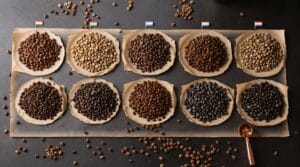

The name “mocha” historically refers to a type of Yemenite coffee bean with naturally chocolatey notes, but in modern coffee shops, the café mocha has become synonymous with a chocolate-flavored latte. This added chocolate completely alters the drink’s character. Instead of a creamy, espresso-forward experience, you get a rich, sweet, and comforting blend where the chocolate is often the star of the show.
The preparation typically involves mixing the chocolate element (which can be syrup or powder) directly with the espresso shot first. This crucial step ensures the chocolate dissolves perfectly into the hot, concentrated coffee, creating a dense, flavorful base before the steamed milk is poured in. Without this step, you risk having the chocolate sit stubbornly at the bottom of your cup.
A helpful YouTube video is available that details the process of making a mocha, with an emphasis on incorporating the chocolate element first for a smooth mix.
Types of Chocolate in Mochas
The type of chocolate used is not a minor detail—it dictates the final flavor profile and intensity of the mocha. Baristas have a few common options, each bringing a different richness and depth.
- Cocoa powder: This offers the purest, most intense chocolate flavor but tends to be less sweet. It can sometimes result in a slightly grittier texture if not mixed thoroughly, but provides a deep, dark chocolate experience.
- Chocolate syrup: This is the most common choice, especially in busy cafes. Syrups are convenient, dissolve instantly, and generally come pre-sweetened. They usually result in a lighter, sweeter, more confectionary-like chocolate taste.
- Dark chocolate: Using actual melted dark chocolate (often in a ganache or sauce form) yields the highest quality, most luxurious mocha. This option provides a complex flavor with notes of bitterness that contrast beautifully with the milk and espresso.
Impact of Chocolate on Flavor Profile
The inclusion of chocolate transforms the mocha from a simple coffee drink into a dessert beverage. Where the latte’s flavor is defined by the subtle marriage of milk and espresso, the mocha’s flavor is an emphatic blend, often masking the espresso’s delicate nuances.
Mocha tends to be significantly sweeter and richer than a latte. The chocolate adds considerable body and depth, giving the drink a heavy, luxurious mouthfeel. If you are someone who finds plain espresso too intense or a latte too mild, the mocha provides that perfect bridge—a coffee flavor softened and sweetened by high-quality chocolate. You might also find that the extra chocolate kick makes the mocha a popular choice among those seeking a sweet indulgence.
The true impact of the chocolate is that it shifts the balance: the latte is coffee first, milk second; the mocha is chocolate and coffee, enjoyed equally.
Head-to-Head Comparison: Mocha vs Latte
To truly appreciate both drinks, we need to line them up and compare them ingredient-to-ingredient, taste-to-taste, and dose-to-dose. This direct comparison makes it easy to understand why your favorite barista always asks whether you want a latte or a mocha.
| Characteristics | Mocha | Latte |
|---|---|---|
| Main Ingredients | Espresso, chocolate (syrup or cocoa powder), steamed milk | Espresso, steamed milk, thin layer of frothed milk |
| Taste Profile | Rich, chocolatey, deep, sometimes sweet | Creamy, milky, subtle espresso flavor |
| Caffeine Content | 1 shot espresso (60-80mg caffeine), varies with chocolate and milk | 1 shot espresso (60-80mg caffeine), varies slightly with milk ratio |
Ingredients: A Side-by-Side Look
The fundamental difference, as we’ve established, is the chocolate. Both drinks feature espresso (usually one or two shots, depending on the cup size) and copious amounts of steamed milk.
A latte focuses purely on these two elements, perhaps with a dash of simple syrup or flavor extract if requested. The integrity of the espresso shot and the texture of the steamed milk are paramount.
The mocha, however, requires the introduction of cocoa solids or chocolate sauce/syrup. This added ingredient not only provides flavor but also adds to the drink’s total volume and richness. The quality and type of this chocolate are the deciding factors in a mocha’s ultimate success. While a latte is an exercise in minimalism, a mocha is an exercise in indulgence, leaning on the synergy between coffee and cocoa.
Taste Profiles: Mocha vs Latte
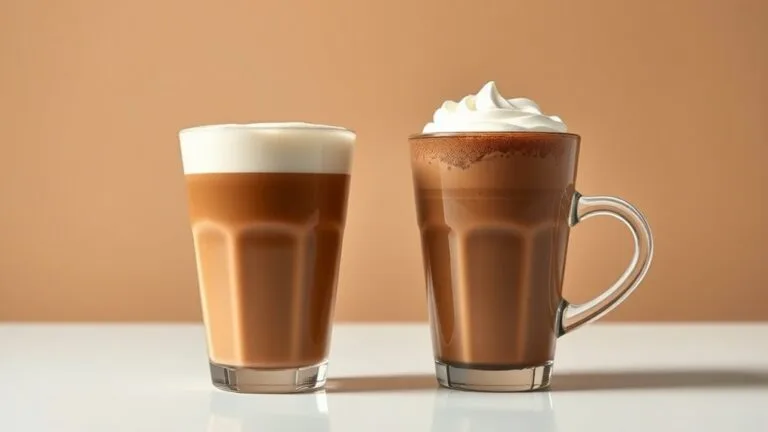
The taste experience of the latte is defined by its milky, mellow character. It has a slightly airy texture due to the smooth foam layer, and the dominant flavor is warm milk punctuated by the subtle, roasted notes of the espresso. The overall impression is soft and highly palatable for those who aren’t seeking an intense coffee hit.
The mocha, in contrast, hits the palate with a powerful combination of sweetness and bitterness. The chocolate flavor is dominant, enveloping the espresso shot in a dark, rich coating. Mochas feel heavier and denser in the mouth, often bordering on liquid dessert. They satisfy a craving for sweetness and rich flavor that a standard latte simply cannot touch.

Caffeine Content Comparison
When comparing the caffeine content, it’s easy to assume the mocha has more because it feels more intense, but the reality is simpler. Since both drinks are built on the same foundation of espresso and use similar amounts of milk, the caffeine content is virtually the same.
In standard servings, both a latte and a mocha typically contain one or two shots of espresso, translating to roughly 60–160 mg of caffeine. The chocolate added to the mocha does not significantly increase the caffeine level. Most chocolate syrups contain only trace amounts of caffeine.
It is helpful to remember that regardless of the drink, takeaway coffees often contain significant caffeine. Understanding this can help prevent excessive caffeine intake, as noted in a study evaluating the caffeine content in servings of coffee. Whether you choose a mocha or a latte, pay attention to the number of espresso shots to manage your intake effectively.
Choosing Between Mocha and Latte: Factors to Consider
So, how do you decide which drink to order the next time you step up to the counter? The choice between a mocha and a latte boils down to several key personal preferences. This decision-making process is akin to a problem-solution approach: identifying what you seek in a coffee experience and selecting the drink that best meets that need.
Here is an ordered guide to help you make the perfect choice:
- Caffeine Content: Consider how much caffeine you need or want. Both mochas and lattes contain espresso, but the amount of espresso can vary.
- Flavor Preferences: Think about whether you prefer the rich, chocolatey flavor of a mocha or the more straightforward, milky taste of a latte.
- Calorie Count: If you’re watching your diet, consider that mochas generally have more calories due to the chocolate syrup or cocoa powder added to them.
- Sugar Content: Related to calorie count, if you’re monitoring your sugar intake, a latte might be a better choice unless you specifically ask for less sugar in your mocha.
- Cost: Sometimes, mochas can be more expensive than lattes due to the additional ingredients like chocolate syrup.
- Mood and Occasion: Consider the occasion or your current mood. For example, a mocha might be more suitable as a treat or dessert drink, while a latte could be a better everyday choice.
- Personal Health Goals: If you’re trying to limit your intake of certain ingredients like sugar or dairy, choose the drink that better aligns with your goals. For instance, you can ask for a latte with non-dairy milk.
- Texture and Creaminess: Think about whether you prefer the thicker, creamier texture often associated with mochas or the lighter texture of lattes.
- Customization Options: Consider how much you want to customize your drink. Both mochas and lattes can be customized, but the base flavor profiles offer different starting points.
- Time of Day: Your choice might depend on the time of day. For example, a mocha might be more appealing as an afternoon pick-me-up or dessert, while a latte could be a good morning choice.
If you are craving a comfort beverage that functions as a small dessert, the mocha is your answer. If you prefer a milder, balanced morning drink where the true flavor of the espresso bean still gets a chance to breathe, the latte is your classic choice.
A Final Reflection on Coffee Choices
We’ve dissected the two most popular milk-and-espresso drinks, and at the end of the day, the differences are wonderfully distinct. The latte offers creamy, milky elegance, a subtle embrace of espresso. The mocha, on the other hand, provides rich, chocolatey decadence, a joyful merger of coffee and cocoa.
Understanding these basic compositions isn’t just about ordering correctly; it’s about enhancing your entire coffee experience. Knowing what you like—whether it’s the simplicity of dairy and coffee or the sweetness of chocolate—allows you to take control of your daily ritual. The world of coffee is vast, but mastering the mocha versus latte conundrum is a great starting point for becoming a more informed and delighted coffee drinker.
FAQ
Q: Which drink is healthier, a mocha or a latte?
A: Generally, a plain latte is healthier because a mocha usually includes high-sugar chocolate syrup, adding significant calories.
Q: Do mochas always taste sweeter than lattes?
A: Yes, nearly always. The addition of chocolate (whether syrup or powder) provides extra sweetness that a standard latte lacks.
Q: Can I order a mocha with less chocolate?
A: Absolutely! Most baristas are happy to adjust the amount of chocolate syrup to suit your preference for less sweetness.
Q: What is the main difference in texture?
A: Mochas tend to feel heavier and denser due to the added chocolate solids, while lattes are lighter and creamier with a thin layer of microfoam.
Q: If I don’t like chocolate, should I still order a mocha?
A: No. If you dislike chocolate, you will not enjoy a mocha. Stick to a latte, which provides a pure espresso and milk taste.