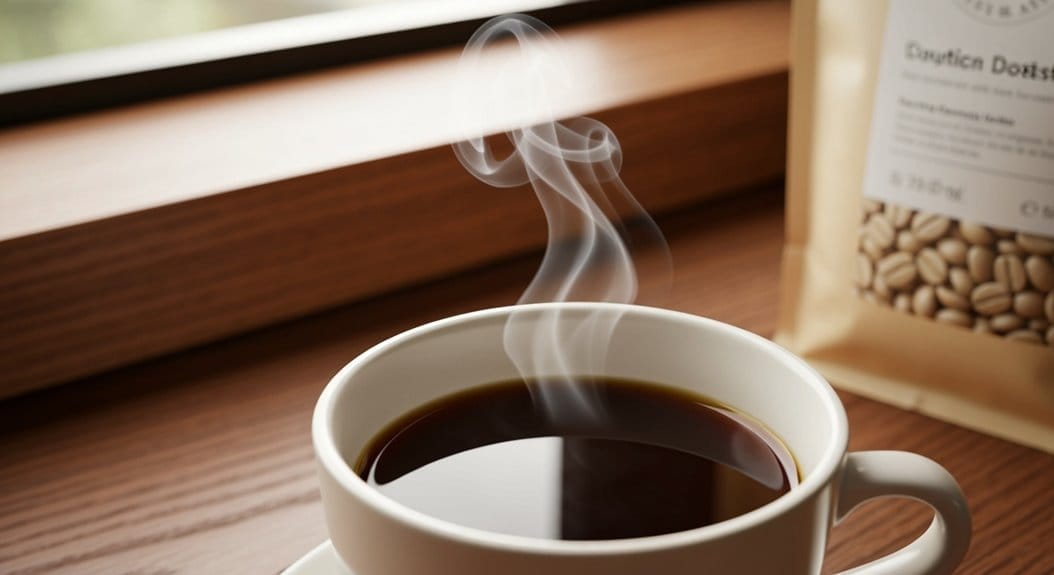
Cà Phê Rang Đậm Có Ít Axit Hơn Cà Phê Rang Nhạt Không?
Cà phê rang đậm thường có độ chua thấp hơn so với rang nhạt do quá trình rang kéo dài đã làm giảm đáng kể lượng axit chlorogenic. Sự thay đổi hóa học này mang lại một cấu trúc hương vị mượt mà hơn, đồng thời cũng nhẹ dịu hơn cho dạ dày. Hãy cùng khám phá khoa học đằng sau tách cà phê hoàn hảo của bạn.
Is dark roast coffee less acidic than light roast? You bet! Dark roast tends to be like that chill friend who keeps the party mellow. The longer roasting time makes those beans less acidic by reducing retained chlorogenic acids, giving you a smoother sippin’ experience. Light roast, on the other hand, is like a zesty fruit explosion, while dark roast is more bittersweet comfort. So, if you’re tired of feeling like a chemistry experiment, stick around! There’s more to uncover about your coffee choices.
Bài học chính
Cà phê rang đậm thường có độ chua thấp hơn vì quá trình rang đã làm giảm lượng axit trong hạt.
Rang nhạt (Light roast) duy trì lượng axit chlorogenic cao hơn, mang lại hương vị trái cây tươi sáng và vị chua sắc nét hơn.
Sự tương tác của mùi hương có thể làm tăng cảm nhận về độ chua, khiến cà phê rang nhạt có cảm giác chua hơn so với rang đậm.
Các loại cà phê rang đậm có thể nhẹ dịu hơn cho dạ dày, giúp giảm tình trạng nhạy cảm tiêu hóa so với cà phê rang nhạt.
Những biến đổi hóa học trong quá trình rang làm chuyển đổi hồ sơ hương vị từ vị trái cây sang vị đắng êm dịu hơn ở các loại cà phê rang đậm.
Hiểu về cảm nhận độ chua trong cà phê
When it relates to understanding acidity perception in coffee, it’s a bit like maneuvering a maze—one moment you think you’re on the right track, and the next, you’re questioning if you even know what coffee is! (Spoiler alert: you do.)So, here’s the deal: perceived acidity isn’t just about those fancy numbers on a pH scale; it’s more about how much alkali you need to calm down all those feisty coffee acids.And guess what? The aroma interaction plays a hilarious role! Fruity or citrus scents can trick your brain into thinking the coffee is tangier than it actually is—like a prankster on a sugar rush. This perception is influenced by titratable acidity, which correlates more closely with how we experience sourness than the actual pH levels.That’s why some dark roasts feel smoother, despite their deliciously complicated chemistry. Go figure!
Tác động của quá trình rang đến thành phần axit
While diving into the world of coffee roasting, one can’t help but feel a bit like a science experiment gone awry—mixing chemistry with caffeine!So, here’s the scoop: light roasts, with their short roast durations, cling to chlorogenic acids like a toddler clings to a teddy bear, giving that bright, zesty flavor.But, when beans roast longer and hit that darker side, those acids take a hit—poof! Less acid retention means fewer fruity notes and more bitter vibes. It’s like trying to find a sweet treat in a bag of sour candy!
Tác dụng của cà phê rang đậm đối với sự nhạy cảm tiêu hóa
Surprisingly often, coffee lovers find themselves wrestling with their stomachs after a cup of their favorite brew! Enter dark roast coffee, a potential hero for those with digestive sensitivity.
Hội ghiền cà phê ơi, có bao giờ bạn cảm thấy cồn cào khó chịu sau khi uống xong tách cà phê yêu thích chưa? Cà phê rang đậm (dark roast) có thể chính là giải pháp êm dịu mà bạn đang tìm kiếm đấy!
It’s like that friend who knows how to calm everyone down at a party! Here are some benefits of dark roast:
Axit dạ dày tiết ra ít hơn đồng nghĩa với việc ít bị ợ nóng hơn—tuyệt vời!
Nó dịu nhẹ hơn với những chiếc dạ dày nhạy cảm, biến nó thành món đồ uống chân ái sau chầu nhậu tưng bừng tuần trước.
Hợp chất N-methylpyridinium (NMP) giúp ngăn chặn các tế bào sản sinh axit phiền toái đó—thật kỳ diệu!
Quá trình rang làm giảm các hợp chất gắt gỏng, tạo ra trải nghiệm mượt mà, ngon miệng—giống như một cái ôm ấm áp trong chiếc cốc vậy!
Câu hỏi thường gặp
Phương pháp pha chế có ảnh hưởng đến độ chua của cà phê rang đậm không?
Brewing methods considerably influence dark roast coffee’s acidity. Diverse brewing styles can alter acid levels perceived in the cup, with cold brewing generally resulting in lower acidity compared to hotter extraction methods like espresso or drip.
Thêm sữa có làm giảm độ axit trong cà phê không?
Adding milk benefits coffee drinkers by facilitating acidity reduction. The proteins and fats in milk interact with coffee’s acidic compounds, leading to a smoother taste and fewer perceived bitter notes, enhancing total drinking experience.
Uống cà phê ít axit có mang lại lợi ích gì không?
Drinking low-acid coffee offers health advantages by reducing digestive discomfort for sensitive individuals. The low acid benefits include minimizing acid reflux symptoms and promoting a smoother coffee experience without sacrificing flavor intensity for many consumers.
Độ cao trồng cà phê ảnh hưởng thế nào đến độ chua?
Altitude markedly influences coffee acidity through high altitude effects, enhancing complex acid development. Favorable growing conditions, including cooler temperatures and nutrient-rich soil, contribute to denser beans with brighter, more vibrant acidity profiles in high-elevation coffee.
Giống hạt cà phê đóng vai trò gì đối với độ axit?
Coffee bean varieties considerably influence acidity, with Arabica showcasing a broader flavor profile variation due to its complex acids. In contrast, Robusta offers a simpler, less nuanced acidity, contributing to distinct taste experiences in brewed coffee.
Pham Toan is a veteran barista and café owner who has been shaping coffee experiences since 2017. Driven by an exhaustive approach to the beverage, his expertise spans sensory analysis, advanced brewing extraction mechanics, and beverage nutritional data tracking. Through Coffee Factz, Toan bridges the gap between commercial hospitality and rigorous coffee education, creating data-driven guides that map every single corner of the coffee world for global enthusiasts.