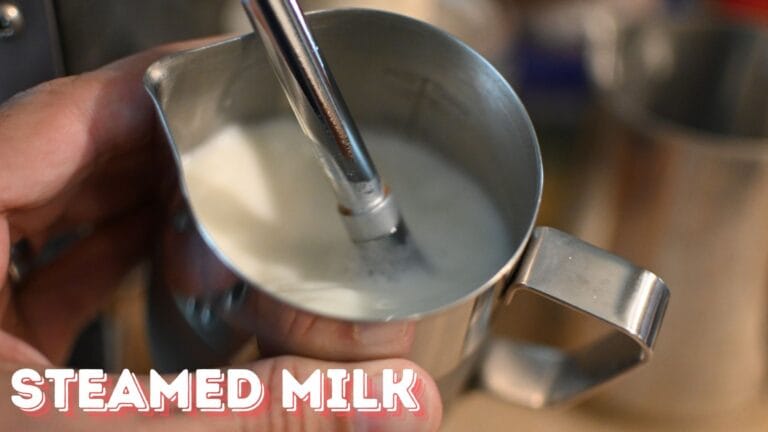

I see you. You’ve got the shiny espresso machine, the carefully weighed beans, and your technique for pulling a shot is getting respectable. But then comes the milk. You follow the instructions, you turn on the steam wand, and what you end up with is either thin, warm soup or something resembling chunky insulation foam. Sound familiar? Don’t worry; you’re not alone. Frothing milk—creating that velvety microfoam that makes lattes and cappuccinos sing—is often the barrier between a decent home coffee and café quality. It feels like a secret handshake that only professional baristas know. Well, I’m here to tell you that the secret isn’t complicated mechanics; it’s usually one glaring, common mistake that 9 out of 10 home enthusiasts make without realizing it. By the end of this guide, we’ll strip away the mystery, understand the science, and finally get you to that glorious, paint‑like texture.
Understanding Milk Frothing
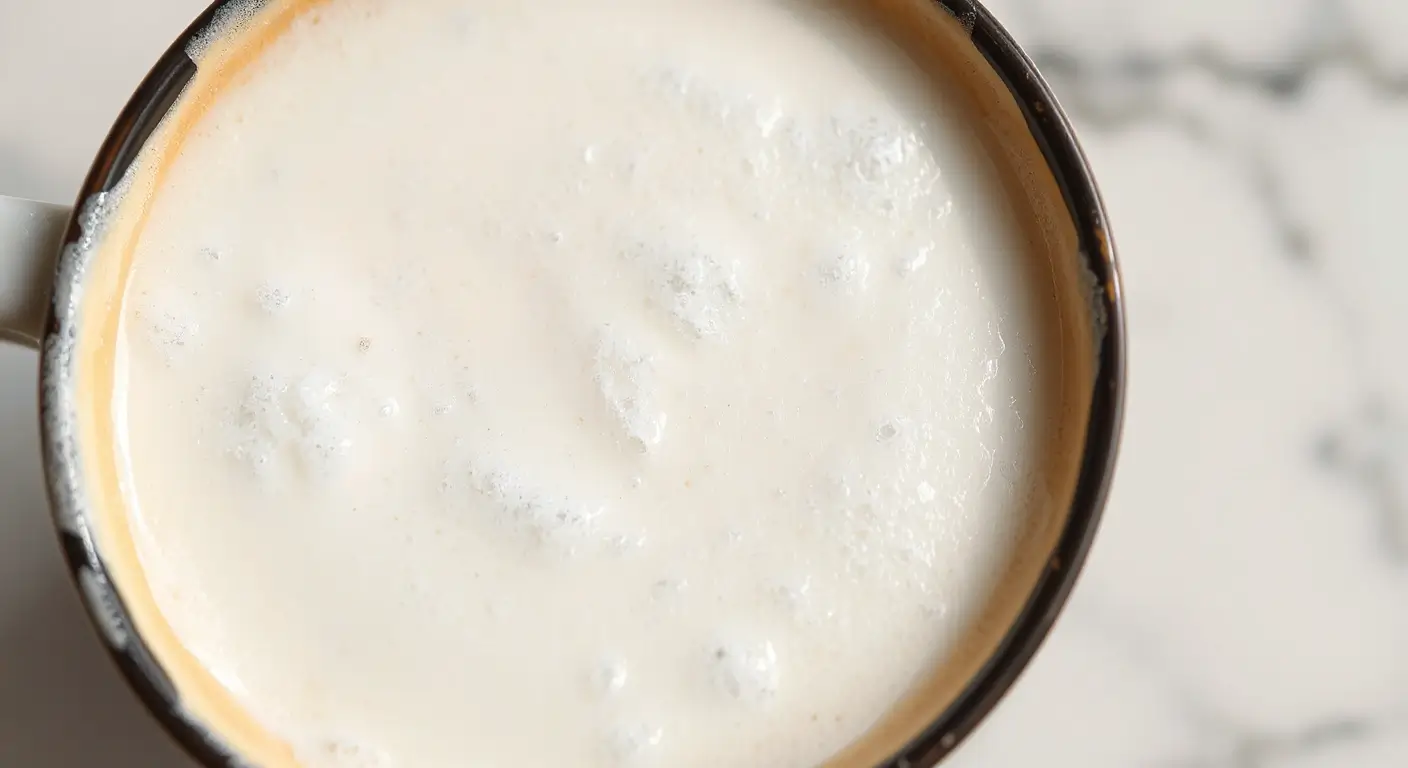
Let’s get down to brass tacks before we start steaming. When we talk about quality milk for a latte or cappuccino, we aren’t just looking for bubbles; we’re aiming for microfoam. This is the smooth, silky liquid that integrates perfectly with the espresso, not the stiff, dry foam you might use on an old‑school diner cappuccino. To create it, you need to understand the basic mechanics of what’s happening inside that metal pitcher.
Before perfecting your microfoam texture, it pays to master understanding espresso basics to ensure your base shot is properly extracted.
The Science Behind Frothing
So, how does heating up some dairy (or non‑dairy) liquid transform it into something worthy of latte art? It’s chemistry in action. Milk is primarily composed of water, lactose (sugar), fat, and crucially, proteins (casein and whey). When we steam milk, we are essentially forcing air into the liquid while heating it. The proteins are the structural element here. They unfold due to the heat and then trap the tiny air bubbles we introduce, creating a stable network. Think of the proteins like tiny nets catching the air. If you don’t heat it enough, the proteins don’t unfold properly. If you heat it too much, the proteins coagulate weirdly, and the milk scalds, destroying the flavor and the structure. A piece of research on this phenomenon confirms that Foam stability and characteristics varied significantly based on milk processing and heating temperature, showing just how delicate this balance is. This process of introducing air is called aeration.
Factors Affecting Froth Quality
Achieving that perfect coffee milk foam isn’t just about how you hold the wand; several components play huge roles. Milk type is perhaps the most obvious factor. Higher fat content generally contributes to a richer mouthfeel, while proteins are what build the actual structure. Skim milk often yields large, unstable bubbles because it lacks the fat to stabilize the protein structure. Conversely, whole milk gives you that beautiful, creamy texture. The temperature of the incoming cold milk also matters immensely for how long you have to steam it before hitting the thermal limit. Equipment, specifically the steam wand nozzle, dictates how much air is introduced and how finely it’s incorporated. Getting to know these variables means you can troubleshoot later. Let’s compare some common types:
| Milk Type | Fat Content (%) | Frothing Capability | Stability of Froth | Texture of Froth |
|---|---|---|---|---|
| Whole Milk | 3.5 | High | High | Creamy |
| 2% Milk | 2 | Moderate | Moderate | Smooth |
| Skim Milk | 0.5 | Low | Low | Thin |
| Almond Milk | 1.5 (varies) | Low-Moderate | Low | Fragile |
| Soy Milk | 2-4 (varies) | Moderate | Moderate-High | Variable |
| Coconut Milk | 24 (full‑fat) | High | High | Rich, Thick |
| Oat Milk | 1-2 (varies) | Moderate | Moderate | Silky |
As you can see, there’s no one‑size‑all approach to how to foam milk, but generally, the higher the solids (fat and protein), the easier it is to create a stable froth.
Equipment and Tools
Before we even talk technique, let’s ensure your toolkit isn’t holding you back. While some people can froth with a simple French press or electric whisk, if you’re aiming for true microfoam that you can pour into a latte, you’ll likely be working with a machine that has a steam wand. Knowing your tools is the first step for knowing how to froth milk with a wand effectively.
Conversely, whole milk gives you that beautiful, creamier texture.
- Steam Wand: A metal tube attached to an espresso machine that injects steam into milk to froth it.
- Frothing Pitcher: A container used to hold and froth milk to the desired consistency. Stainless steel is preferred because it transfers temperature quickly, letting you feel the heat build‑up.
- Thermometer: A device that measures the temperature of the milk, crucial for achieving the optimal frothing temperature.
- Milk Frothing Thermometer Jug: A specialized pitcher that has a built‑in thermometer for monitoring milk temperature during frothing.
- Electric Milk Frother: A standalone device that froths milk to the desired consistency without the need for an espresso machine.
- Manual Frother: A handheld device that froths milk through manual effort, ideal for travel or when a power source is not available.
Having the right pitcher size is also important. Don’t try to texture a half‑liter of milk in a tiny 12‑ounce pitcher; you need room for expansion! Remember, when planning out how to properly froth milk, your equipment is your partner in this endeavor.
Step-by-Step Guide to Frothing Milk
This is where we move from theory to practice. Learning how to get frothy milk that feels like wet paint is a physical skill. It requires precision, timing, and a little bit of auditory feedback. We are going to focus on achieving that elusive microfoam, especially vital when you want to know how to foam milk for latte drinks.
Mastering physical pouring skills goes hand in hand with learning broader espresso preparation techniques used by professional baristas.
Preparing Milk for Frothing
Preparation handles about 30% of the success rate right off the bat. If you skip the prep, even perfect technique sometimes fails. The whole goal here is to start cold and introduce air while heating gently.
First, select your milk. For the classic journey into latte art, use cold whole milk. If you use plant‑based milk (like oat or soy), check the packaging; higher‑end barista blends are often formulated with stabilizers to help them froth better than standard cartons. Once you’ve chosen your milk, pour only the amount you need into your pitcher—never fill it more than halfway, preferably about one‑third full, to allow maximum room for expansion.
The temperature needs to be correct. Starting too warm means you rush through the crucial aeration phase and end up with scalded milk before you texture it correctly. We want the milk ice cold. The recommended temperature range for frothing milk is 140–155°F (60–68°C). Get your milk chilled in the fridge, not just cooled slightly on the counter. Starting below 45°F gives you precious seconds to stretch the milk properly.
Frothing Technique
This is the phase where the magic, or the disaster, happens. Forget everything you think you know about making soap bubbles; we are working with incorporating air gently. If you are using an espresso machine with a steam wand, ensure the wand is positioned correctly relative to the milk surface.
To truly understand the movements, sometimes reading isn’t enough. Visual learning speeds up the process considerably. A comprehensive step‑by‑step video tutorial on milk frothing can be found in the YouTube video “Everything You Need To Know To Steam Great Milk
Once you’ve purged the wand, dip the tip of the steam wand just below the surface of the cold milk. Turn the steam on full blast. You should hear a gentle, ripping paper sound—like tearing a sheet of paper very slowly. This is the *stretching* or *aeration* phase. You are introducing air here. Keep the tip near the surface, listening for that sound, and let the volume increase until the pitcher feels slightly warmer to the touch—maybe a couple of degrees past room temperature. If you hear loud, aggressive hissing or screaming, you are too deep, or your wand is too far out. Too much noise means big, ugly bubbles!
Once the milk has expanded by about 25–30% (depending on the drink), you immediately transition to the *texturing* or *folding* phase. Submerge the wand tip slightly deeper into the milk (about an inch down) and angle the pitcher so the steam creates a whirlpool or vortex effect. This vortex is crucial because it mixes the air you just incorporated throughout the milk, breaking down those larger bubbles into the fine microfoam we desire. Keep the wand submerged and let the milk heat up evenly until you hit that target temperature.
Achieving the Right Consistency
Knowing when to stop steaming is often the hardest part. If you stop too soon, the foam will separate from the liquid milk. If you go too long, you burn it. For a latte, you want a very thin layer of foam sitting atop liquid milk—it should look and feel like glossy wet paint. For a cappuccino, you allow a bit more air incorporation, resulting in a thicker, pillowy layer.
Once you hit the target heat (around 150°F), immediately turn off the steam and remove the pitcher. Immediately wipe the steam wand clean, and then *purge* it again to eject any milk trapped inside. If you skip the wipe and purge, it’s a guaranteed recipe for pain later. Now, look at your milk. It should be uniform. If you see distinct layers of foam and milk, you didn’t texture enough. A quick tap on the counter can sometimes release any large surface bubbles, but true microfoam won’t have many to begin with.

Different drinks demand specific textures. A flat white requires almost no aeration; you are barely introducing air to heat the milk. A standard latte needs mild aeration, focusing heavily on the texturing/folding phase. A cappuccino needs the most aeration, aiming for a thicker, almost meringue‑like fluff on top. Mastering how to froth milk for a latte means prioritizing that silky integration over sheer volume.
Balancing your milk volume requires measuring espresso shots accurately to achieve the ideal ratio in your cup.
Common Frothing Mistakes to Avoid
If you’re struggling, odds are you are falling into one of these common traps. Baristas rarely make these errors, but home users frequently overlook the simple fixes. Let’s look at what sabotages your efforts so you know how to froth successfully.
- Over‑aeration: Adding too much air to the milk, resulting in a froth that’s too thick and separates quickly.
- Insufficient temperature control: Not heating the milk to the optimal temperature, affecting the texture and stability of the froth.
- Poor milk quality: Using low‑quality or old milk, which can lead to a subpar froth.
- Inadequate frothing technique: Not holding the steam wand at the correct angle or not moving it properly, resulting in a froth that’s not smooth or consistent.
- Not purging the steam wand: Failing to purge the steam wand before frothing, which can introduce air and create large bubbles.
- Using the wrong type of milk: Not using milk that’s suitable for frothing, such as milk with a high water content or non‑dairy milk alternatives that don’t froth well.
- Not adjusting frothing time and steam pressure: Not adjusting the frothing time and steam pressure according to the type of milk being used, resulting in under‑ or over‑frothing.
Temperature Control Issues
This is often where the hidden problem lies, connected directly to how long to froth milk. If your milk is too cold to begin with (say, straight from a very cold fridge), you spend too much time heating it before you can aggressively aerate it. By the time the milk is warm enough for tasting good, you’ve already over‑aerated it, resulting in big, soap‑like bubbles. Conversely, if your ambient temperature is high, or your pitcher is warm, you burn the milk before you’ve even introduced enough air. The milk scalds, and the proteins break down—you lose the structure entirely. Temperature dictates the duration you have in the stretching phase. Getting this wrong means you are either creating hot, separated milk or cold, bubbly dishwater.
Over‑Frothing and Under‑Frothing
Over‑frothing means you kept the steam tip near the surface for too long. The positive outcome here is a lot of foam volume; the negative outcome is that you end up with dry foam that sits on top of liquid milk like a helmet. You can’t pour latte art with this; you can only spoon it on.
Under‑frothing means you didn’t aerate enough or didn’t create the vortex swirl to mix the air in. The result is milk that is simply hot, with a thin, bubbly skin on top. The goal for most standard drinks is a sweet spot right in the middle: smooth, glossy, and integrated.
Troubleshooting Tips
Even with perfect preparation, sometimes the universe conspires against your morning brew. If your milk isn’t cooperating, don’t panic and don’t toss the pitcher—yet. Here are practical adjustments you can make on the fly to fix common issues.
- Check the milk temperature: Ensure the milk is at the optimal temperature (around 40°F to 45°F) for frothing.
- Verify the steam wand cleanliness: Check if the steam wand is clean and free of any blockages or dried milk residue.
- Purge the steam wand: Purge the steam wand by releasing a small amount of steam before frothing.
- Adjust the steam pressure: Check the steam pressure setting and adjust it according to the manufacturer’s guidelines.
- Check the milk type: Ensure you’re using the right type of milk for frothing (whole milk works best).
- Monitor the frothing time: Adjust the frothing time to achieve the desired consistency.
- Clean and descale the steam wand regularly: Regularly clean and descale the steam wand to prevent mineral buildup.
- Check for blockages in the steam wand: Inspect the steam wand for any blockages or debris that may be obstructing the flow of steam.
If your milk is too thin, it means too little air went in, or you heated it too fast and skipped the aeration stage. Next time, keep the tip closer to the surface during the initial 5–10 seconds to introduce more volume. If it’s too thick, you added too much air. Next time, transition faster from the aeration (stretching) phase to the texturing (whirlpool) phase.
Final Thoughts on Milk Texture
Mastering milk is the final frontier for many home baristas, and I hope this guide has cleared up some confusion. That single mistake 90% of people make isn’t about having the wrong machine; it’s almost always related to misjudging the *timing* between introducing air (stretching) and mixing the air in (texturing), usually tethered to temperature awareness. Practice makes the movements automatic, allowing your ears and your hands to take over from your eyes.
Frequently Asked Questions
Q: How cold should my milk be before steaming?
A: Very cold is best! Ideally, pull it straight from the refrigerator, aiming for 40°F (4°C) or slightly below.
Q: Why does my non-dairy milk separate so quickly?
A: Many plant-based milks lack the sheer protein and fat content of whole dairy milk, making their structure fragile.
Q: What is the “hissing” sound I hear when steaming?
A: That sound is the steam incorporating air. A gentle, ripping paper sound indicates proper aeration.
Q: Is it better to have too much foam or too little?
A: For lattes and flat whites, too little foam is easier to fix. Too much dry foam means you’ve over-aerated.
Q: How do I know if I’ve overheated the milk?
A: If you touch the bottom of the pitcher and it’s too hot to comfortably hold for more than a second, you’ve gone too far.