A caffè macchiato is a shot of espresso “marked” with a tiny speck of milk foam. When I hold the traditional demitasse cup, it feels like a tiny, sacred stage where just two ingredients star. That distinct little spot of white atop the dark, mahogany crema is the signature—like a subtle watermark on a document signaling the true source. Forget what you think you know; the real macchiato isn’t drenched in milk. It’s espresso first, a perfect mark second. It is, quite simply, marked coffee.
Classic Caffè Macchiato
Imagine a single espresso shot pulled perfectly into a demitasse cup, its surface crowned with rich crema. Now, the barista takes a spoon, dips it into the steamed milk, and deposits just the tiniest spill of pure milk foam right in the center. This foam speck barely lifts, resembling a dimple on a porcelain surface. This single, minimalist approach emphasizes the espresso, making it the star, framed by the small cup’s curve, akin to a small chalice.

Latte Macchiato
A towering latte macchiato begins with creamy, well-steamed milk filling a tall glass—that’s the substantial base. Then, the espresso shot is carefully poured through the milk, often creating three distinct layers: milk at the bottom, espresso in the middle, and a layer of lighter foam on top. The espresso’s color splash creates a visual roadmap of the drink’s structure. When you sip, these layers intermix gently, resulting in a milder, significantly milkier experience.
Americano Macchiato
The Americano macchiato is espresso shrunk by hot water, then lightly marked, offering a softer coffee experience. It adheres to a calculated dilution; think roughly a 1:3 water-to-coffee ratio for the base. Following that, a whisper of milk foam is added, barely lifting the surface tension of the diluted coffee. The resulting taste is soft, almost latte-like in its gentle nature, yet unmistakably Americano in its diluted coffee profile.
To better understand how this traditional Italian beverage evolved over time, you can explore the fascinating Macchiato commercial history and how modern chains have transformed it.
Why “Macchiato” Means “Marked” in Italian Coffee Culture
When I look at the name itself, I trace it back to its origins for a deeper appreciation. The italian macchiato is a perfect example of how language shapes what we see in our cup. According to a linguistic study, ‘macchiato’ derives from ‘macchiare’ meaning ‘to spot or stain.’ In plain English, it literally means “marked” or “stained,” which perfectly echoes how a single, tiny milk bubble stains the dark canvas of the espresso shot. Unlike a latte that coats the entire espresso with milk, the traditional macchiato leaves one visible, intentional blot. This etymological anchor shows that the drink’s identity hinges entirely on that single mark left on the *caffè macchiato*. Understanding its linguistic birthright instantly grounds you in Italian coffee culture.
The Classic Caffè Macchiato vs. Latte Macchiato & Americano Macchiato
If you are standing at the counter and need to make a quick decision, remembering the purpose of each drink is paramount. Here’s a quick snapshot: the differences usually boil down to size, milk presence, foam quantity, and resulting flavor intensity. I want you to walk away knowing exactly which copy to order based on your mood.
Here is how these three macchiato variants stack up against each other in terms of composition:
- Caffè Macchiato (The Classic Mark):
- Serving Vessel: Small ceramic demitasse cup (usually 2–3 oz).
- Milk/Foam: A very small spoonful of steamed milk foam, intended merely to mark the drink.
- Flavor Profile: Espresso-dominant. The milk softens the acidity without masking the coffee’s character.
- Latte Macchiato (The Layered Mark):
- Serving Vessel: Tall, clear glass.
- Milk/Foam: Mostly steamed milk, topped with espresso poured over it to create defined layers.
- Flavor Profile: Milk-dominant. It tastes like a very milky coffee, with the espresso flavor appearing later as you sip.
- Americano Macchiato (The Diluted Mark):
- Serving Vessel: Small to medium cup, resembling an Americano presentation.
- Milk/Foam: The espresso base is diluted with hot water first, then finished with just a dot of foam.
- Flavor Profile: Balanced, coffee flavor spread thinner than the classic, providing a lighter body.
If you crave a coffee-first taste where the espresso shines brightest, choose Classic. If your primary craving is for creamy milk texture, the Latte Macchiato is the pick. And if you prefer a lighter, more diluted coffee blend, go Americano. This quick comparative guide should ensure you never accidentally order a giant, milky beverage when you wanted that intense little espresso hit.
Milk‑to‑Espresso Ratio, Strength, and Presentation: What Sets Them Apart
The real magic—and the source of confusion—lies in the minuscule differences in milk and foam ratios when comparing the caffè macchiato to its cousins, the cappuccino and the flat white. These differences dictate everything from texture to intensity.
A classic caffè macchiato needs less than an ounce of milk foam total—it’s about marking the drink, not mellowing it out. Compare that to the structural demands of a cappuccino, which requires equal thirds of espresso, steamed, and foamed milk. The flat white, on the other hand, needs almost no actual foam; it relies on highly texturized, velvety steamed milk (microfoam) folded into the espresso for a smooth, creamy sight.
| Drink | Foam Ratio (≈ ratio of foam to total volume) | Shot Size (caffeine strength) | Visual Cues |
|---|---|---|---|
| Caffè Macchiato | ≈ 15–20 % foam (a small “macchiato” of foam on top of the espresso) | 1 single shot (≈ 30 ml, 60–80 mg caffeine) | Creamy spot atop the crema, light swirling, no latte‑art border |
| Cappuccino | ≈ 30–35 % foam (equal thirds: espresso, steamed milk, and foam) | 1–2 shots (≈ 30–60 ml, 60–160 mg caffeine) | Thick, velvety mousse with a pronounced frothy border; latte‑art or plain white froth |
| Flat White | ≈ 10–15 % foam (fine microfoam, barely a visible layer) | 1–2 shots (≈ 30–60 ml, 60–160 mg caffeine) | Smooth, slightly hazed surface with hardly any visible foam; coffee colour visible through thin microfoam |
The *espresso intensity* in a macchiato is unparalleled among these three because its liquid volume is dominated by the shot itself. If you are ever unsure what you are holding, use this simple test: try pressing the foam with your finger. The thick, structured foam of a cappuccino will resist, while the thin speck on a macchiato offers almost no resistance. Notice that grassy mound versus the single speck—that difference tells you everything about the strength you are about to taste.
Regional Twists: How Italy and Global Coffee Shops Interpret the Macchiato
When I travel, I know the macchiato will change shape, but I always look for the true Italian core. In a Naples café, for instance, I love watching the speed; the barista often whips a single foam dot while you wait for the espresso pour, all done in under a minute. The emphasis is always on speed and minimal dairy.
Did you know? Regional differences in Italy often involve slight adjustments to the espresso itself. Some northern regions might use slightly less milk, creating an even bolder bite, while some southern variations might add an extra dash of espresso to the standard foam for a punchier flavor profile—more bitter, yet still velvety.
It’s fascinating how the drink travels. When these global coffee shops adopt the name, the preparation shifts into entirely new territory, often becoming a dessert in a glass.
Traditional Italian Café Style
Walk into a Milanese bar and you will receive your macchiato in a narrow Turkish ceramic cup. It is a pure, bracing experience: a shot of espresso, kissed—and only kissed—by a single, sparse leaf of foam. My preference is always for this minimal milk application, as it respects the bean’s roast profile immediately. Tradition dictates that the milk content must remain negligible.
Regional Italian Variations
The Italian coffee world is not monolithic. Certain regions have a local tweak that throws purists for a loop, but which I find interesting when I’m exploring. Some baristas compensate for a slightly different espresso roast by adding an extra espresso dash to the standard macchiato. This regional deviation means you might encounter a double‑marked drink, resulting in a much stronger, less mellowed flavor profile than you expected.
International Specialty Shop Tweaks
Beyond pure espresso, specialty coffee shops outside Italy often layer flavors onto the macchiato concept. They might introduce vanilla, caramel, or spice dusting onto the foam. They also experiment substantially with foam texture, aiming for incredibly fine micro‑fizzed bubbles that melt instantly. If you are looking for innovation over authenticity, this is where you find it.
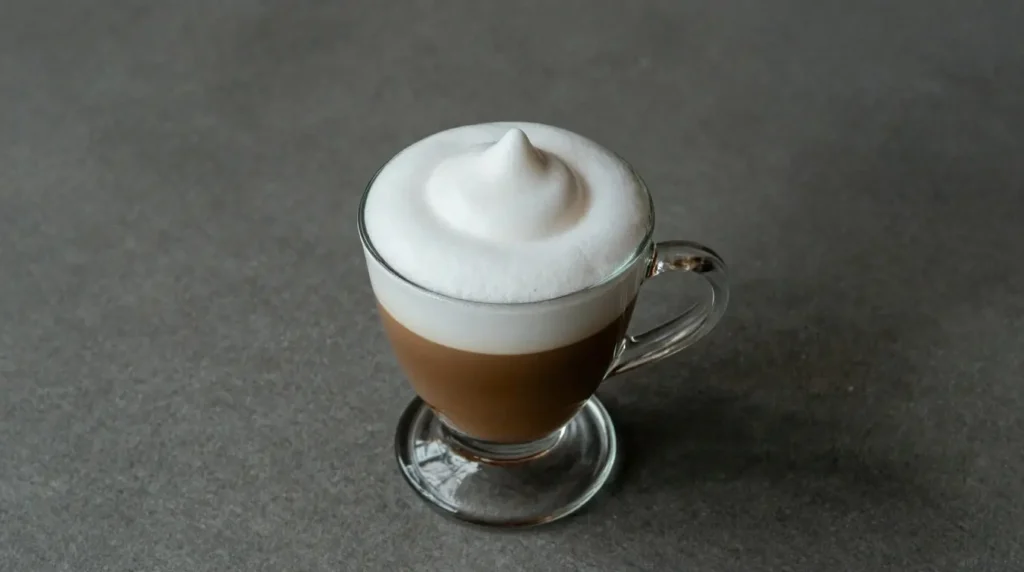
While traditional Italian bars keep things minimalist, global preferences often lean toward sweeter, syrup-laden iterations, as seen in various Macchiato recipe variations found in modern cafe culture.
U.S. Counterparts and Pricing
In the United States, the macchiato often means different things in different zip codes. You can expect to pay anywhere from $4 in a smaller city café to $6.50 in a highly stylized San Francisco specialty spot for this small drink. Cup sizes vary widely, too, ranging from a tight 4‑oz shot to an almost 8‑oz glass, which often blurs the line with a cortado. If you want the authentic, espresso‑upfront taste in the States, my practical guidance is always to ask clearly for a “regular macchiato” or specify that you want it served in a demitasse.
How to Order or Brew a Perfect Caffè Macchiato at Home
If you’ve got access to an espresso machine with a good steam wand, making a *real macchiato* is deeply satisfying. It’s all about controlling the dairy element.
- Pull a perfect single or double shot of espresso directly into your demitasse cup.
- Pour only enough cold milk into your steaming pitcher to cover the tip of the wand slightly.
- Introduce the steam wand just below the surface, allowing air in to create just a few large bubbles (the “mark” foam).
- Submerge the wand deeper to heat the milk to around 150°F, then shut off the steam.
- Give the pitcher a firm tap on the counter to pop any large surface bubbles.
- Gently spoon only the stiffest, thickest foam onto the center of the espresso crema.
For a visual guide to those crucial steam wand movements, you can see the mini‑foam technique:
When serving, I often place the small cup on a coffee‑maple wafer; the slight perfume enhances the initial aroma as you bring the cup up for that first, marked sip.
Separating Fact from Fiction: Debunking Common Macchiato Misconceptions
There’s a lot of fuzzy language floating around coffee menus, and I want to help you speak confidently, armed with precision. The biggest misunderstanding I encounter is confusing the *latte macchiato* with an actual latte.
Here is the simple difference, stated clearly: A latte is primarily milk steamed, combined with espresso, often topped with thin foam art. It’s a milk‑heavy drink. The *real macchiato* is marked, not soaked.
I once heard a barista explain it perfectly: he said, “A true macchiato is marked, because if you need more than a spoonful of milk, you’ve ordered a latte.” Recognizing these divisions in coffee vocabulary ensures you get exactly what your palate desires when you walk into any café.
Your Next Steps
By mastering the classic caffè macchiato, you unlock a small‑but‑powerful coffee ritual that honors tradition while delivering maximum espresso flavor. Learning the look of that tiny foam spot separates the novice from the knowledgeable drinker. Now, I encourage you: grab your demitasse, practice skimming that perfect foam spot onto your next pull, and experience the velvet texture for yourself. When you nail it, show off your foam art on Instagram and tag us—after all, coffee expertise is best shared as a conversation starter.
FAQ on Espresso Marks
Q: Is a caramel macchiato an authentic Italian drink?
A: No. The caramel macchiato, popularized by large chains, is a layered, sweet drink, completely different from the reserved, foam‑marked traditional caffè macchiato.
Q: What size cup should a classic macchiato be served in?
A: Traditionally, it must be served in a small demitasse cup, usually between 2 and 3 ounces in total volume to accommodate the single espresso shot and the tiny foam mark.
Q: What does “espresso marked” mean precisely?
A: It means a small dot or stain of steamed milk foam has been placed on top of the espresso crema, distinguishing it from a drink where the espresso is poured into the milk.
Q: Can I use cold milk instead of steamed milk for the mark?
A: While the traditional method requires warm steamed milk foam, some very casual interpretations use a tiny bit of cold foam or frothed cold milk, but this changes the texture significantly.
Q: If I order a macchiato in the US, should I expect a Starbucks‑style drink?
A: Not necessarily. Always clarify if you want a “traditional macchiato” or “espresso marked” to avoid receiving a Venti‑sized, highly sweetened beverage unless that is what you prefer!