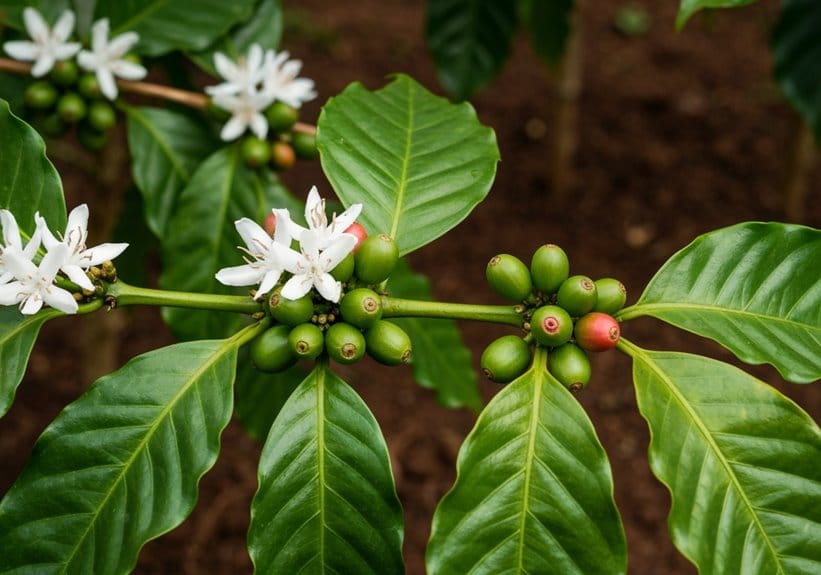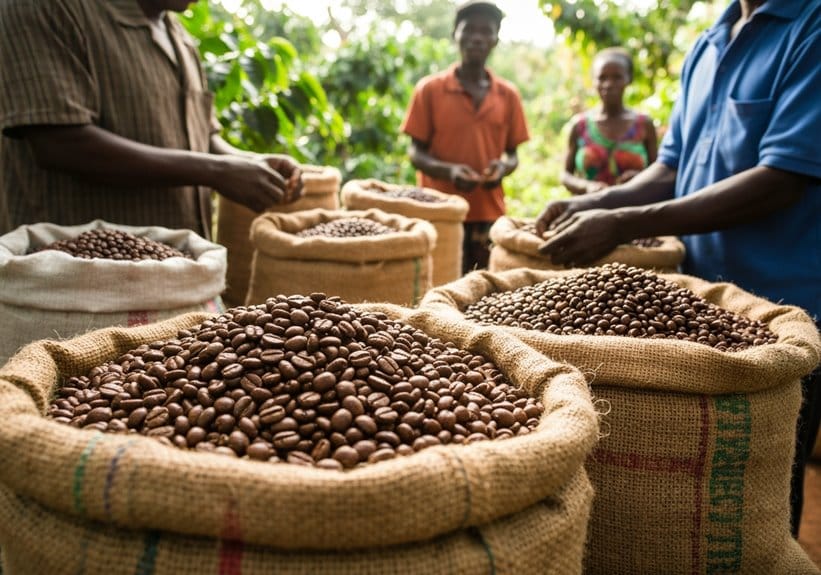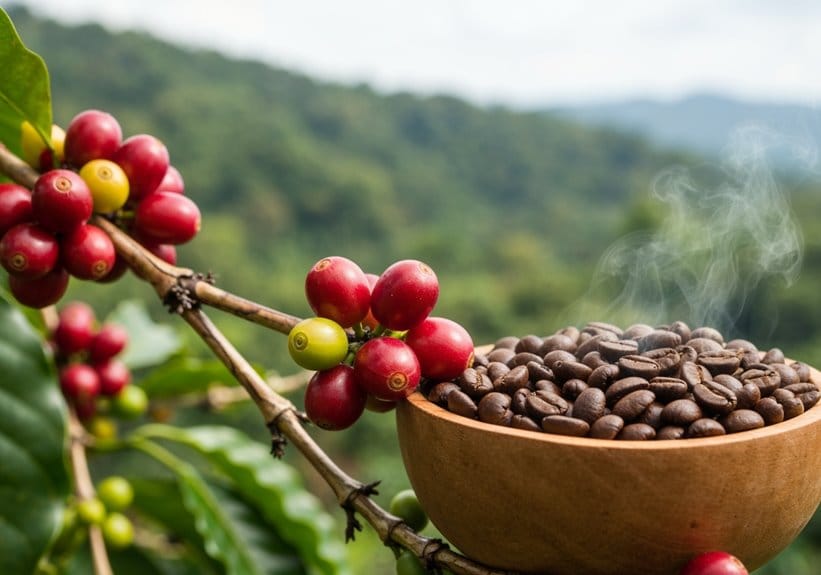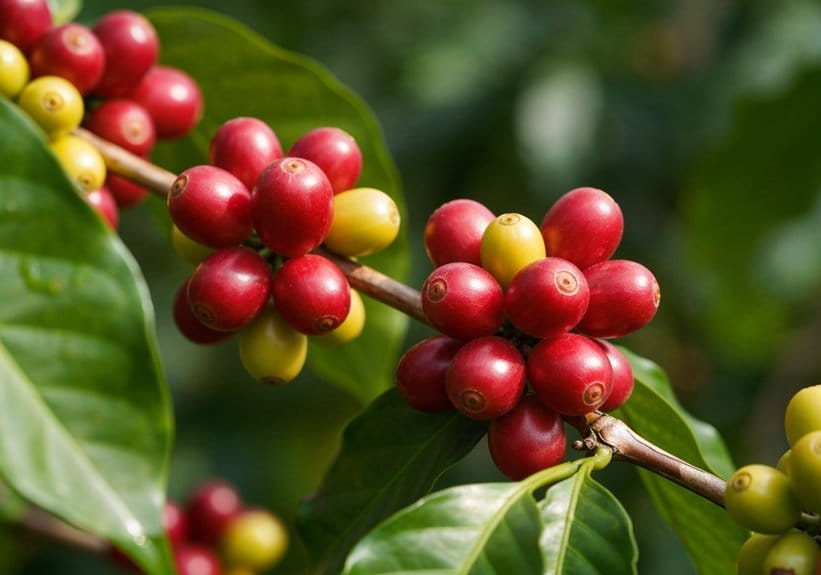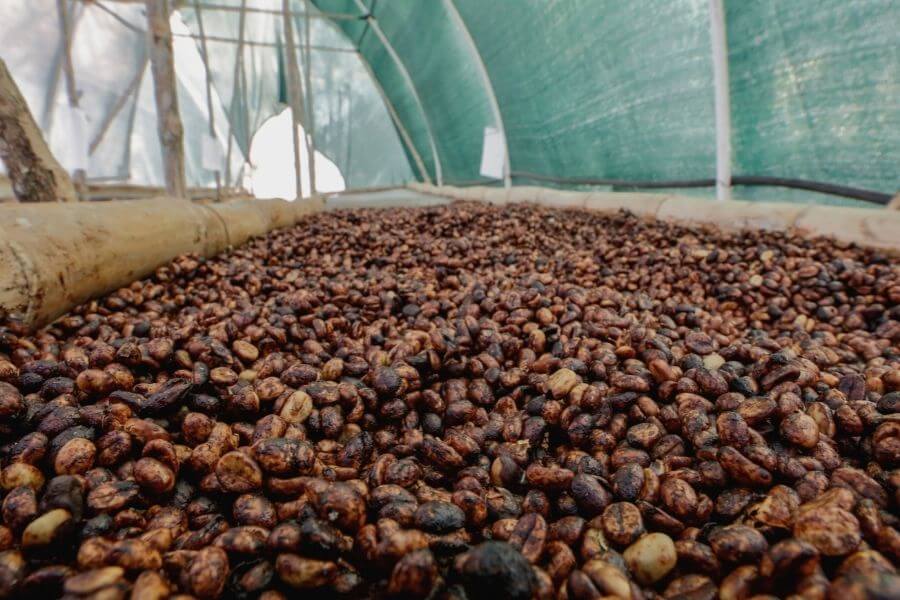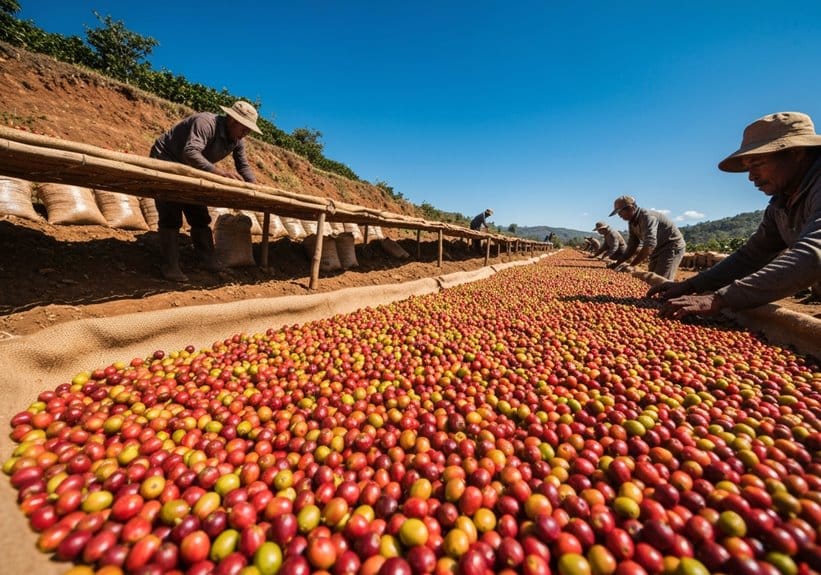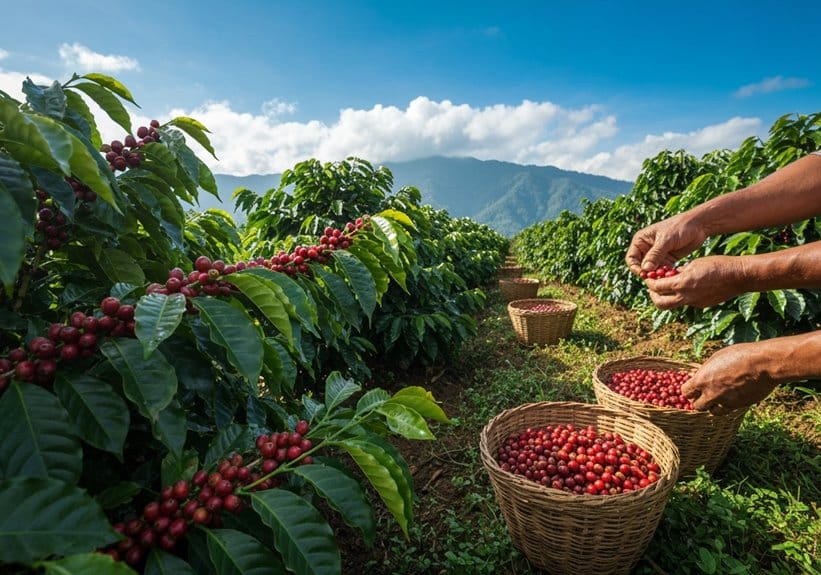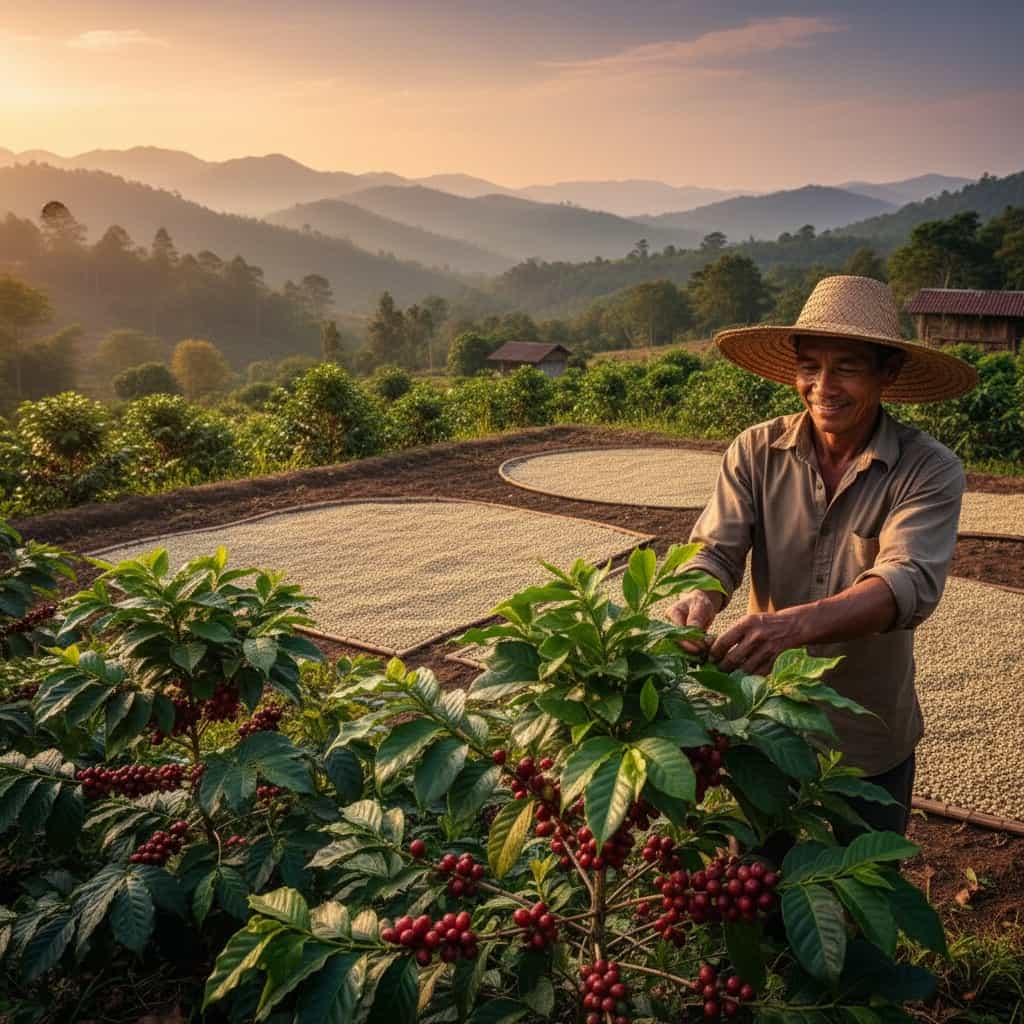
Coffee farmer harvesting ripe coffee cherries on plantation during cultivation process
History & Culture

How Do Coffee Beans Come Through the Cultivation Process?

Coffee beans begin their journey as seeds selected for high yield and disease resistance, followed by flowering and cherry development. Harvesting involves selective or mechanized picking, leading to processing methods that define flavor. Learn the full farm to cup process now.

How Do Coffee Beans Come Through the Cultivation Process? Read More »

stylish 16 oz coffee mugs
Buying Guide

7 Best 16 Oz Coffee Mugs to Keep Your Brew Hot and Your Style on Point

The best 16 oz coffee mugs balance large capacity with durability, heat retention, and comfortable handling. Top options include models from Miicol, Urbanstrive, and Contigo, often featuring stoneware or stainless steel construction. We highlight mugs that are microwave safe and optimize your daily coffee routine. Read on to discover the ultimate list of functional and flair-filled choices.

7 Best 16 Oz Coffee Mugs to Keep Your Brew Hot and Your Style on Point Read More »

coffee bean plant traits
Coffee Beans

Key Characteristics of the Coffee Bean Plant

The coffee bean plant, scientifically known as Coffea arabica, is an ambitious bush that can grow 4 to 10 meters tall. It thrives specifically within the tropical Coffee Belt, requiring well-drained soil and a high-humidity atmosphere. These conditions are crucial for producing quality beans. Read on to discover key botanical features and growth requirements.

Key Characteristics of the Coffee Bean Plant Read More »

starbucks coffee bean sources
Coffee Beans

Where Does Starbucks Get Their Coffee Beans?

Starbucks primarily sources coffee beans from over 30 countries across Latin America, Africa, and the Asia-Pacific regions, including key suppliers like Colombia, Brazil, and Ethiopia. They emphasize using 100% Arabica beans and maintain strict ethical sourcing standards through C.A.F.E. Practices. Keep reading to explore the global flavor map behind your favorite cup.

Where Does Starbucks Get Their Coffee Beans? Read More »

Hyper-realistic 3D magazine cover titled 'Where Does Coffee Come From?' with coffee beans and world map in watercolor texture
Coffee Beans

The Coffee Belt Explained: Where Coffee Grows, Who Grows It, and Why That Map Is Changing

The Coffee Belt wraps the planet in a narrow tropical band between the Tropic of Cancer and the Tropic of Capricorn, where every commercial coffee bean on Earth starts its life. This ribbon of high-altitude land ties an Ethiopian legend to your morning cup, and it’s already shifting under a warming sky.

The Coffee Belt Explained: Where Coffee Grows, Who Grows It, and Why That Map Is Changing Read More »

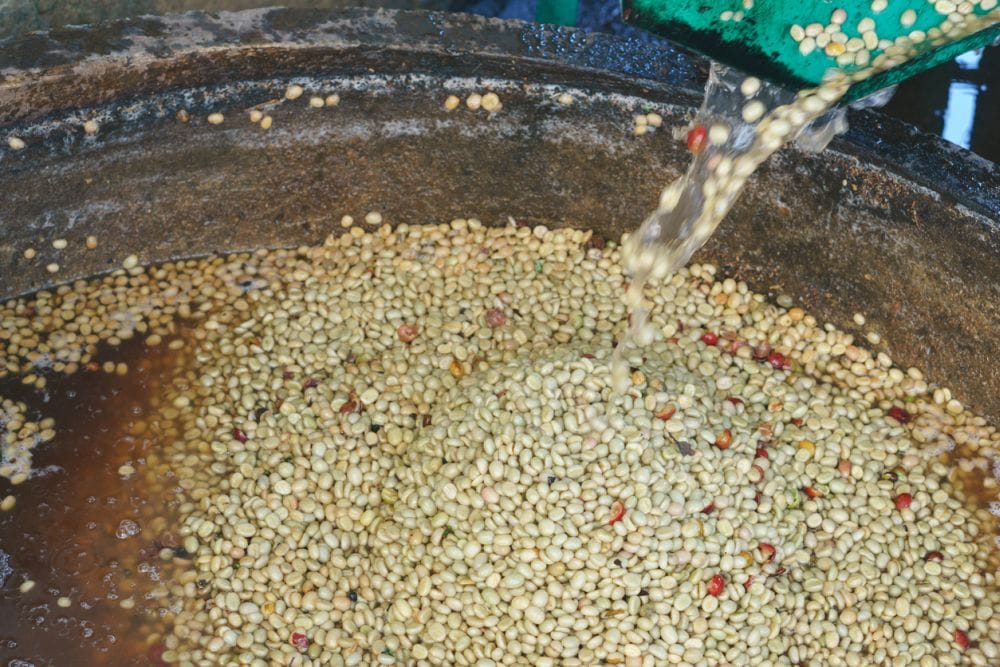
Washed process fermentation tanks in coffee farm to cup journey enhancing flavor clarity
Coffee Beans

What Is Washed Process Coffee and How Does It Affect Flavor?

Washed process coffee is a method where the fruit (cherry) is completely removed from the bean before drying, resulting in a exceptionally clean and crisp taste profile. This wet processing involves sorting, pulping, fermentation, and thorough washing to enhance flavor clarity. Read on for a detailed look at what defines this popular coffee journey.

What Is Washed Process Coffee and How Does It Affect Flavor? Read More »

coffee with fruity flavor
Coffee Beans

What Is Natural Process Coffee and Its Taste?

Natural process coffee is made by sun-drying whole coffee cherries with the fruit intact, a method born from hot, dry climates. This allows fruit mucilage to ferment and infuse the bean with intense fruity and wine-like notes. Read on to discover the history, characteristics, and brewing secrets of this vibrant coffee style.

What Is Natural Process Coffee and Its Taste? Read More »

Learn how to make coffee from beans in 3 steps: fresh beans, grinding, and brewing in a pour-over setup.
Uncategorized

How to Make Coffee From Beans at Home in 3 Simple Steps

Making coffee from beans at home doesn’t require expensive gear or barista training. Three variables control everything: grind size, coffee-to-water ratio, and brew time. Get those right, and a French press or basic drip machine produces a genuinely great cup every single morning.

How to Make Coffee From Beans at Home in 3 Simple Steps Read More »

Black honey processed coffee beans showing rich dark color and sticky honey-like coating on parchment
Coffee Beans

What Is Honey Process Coffee and How Is It Different From Other Methods?

Honey process coffee is a unique method where the outer skin of coffee cherries is removed, but some of the sweet, sticky mucilage remains on the bean during drying. This high sugar concentration caramelizes to create a lively, syrupy flavor profile. Discover the steps and flavor impact of this delightful hybrid process.

What Is Honey Process Coffee and How Is It Different From Other Methods? Read More »

coffee processing method explained
Brewing

What Is Dry Process Coffee and How Does It Work?

Dry process coffee is the oldest method, where whole coffee cherries are dried naturally under the sun with the fruit left on. This water-efficient technique takes around 3-4 weeks, requiring careful monitoring to avoid mold. The result is a cup known for its heavy body and pronounced sweetness. Read on to explore the workflow and flavor impact of this classic method.

What Is Dry Process Coffee and How Does It Work? Read More »

coffee harvesting techniques explained
Coffee Beans

Methods Used in Coffee Harvesting

The primary coffee harvesting methods include selective picking, strip picking, machine harvesting, and the use of handheld vibrating machines like Derricadeiras. Selective picking ensures the highest quality by gathering only ripe cherries, while strip picking gathers all cherries at once. Read on to discover how each method affects bean quality and farmer efficiency.

Methods Used in Coffee Harvesting Read More »

Scroll to Top