Key Takeaways
- Owl G3006 (15-bar pump, touchscreen), De’Longhi Dedica (compact, fast heat-up), and Apex V2 (dual PID) offer café-quality espresso under $500.
- Owl and Apex machines feature PID temperature control for precise extraction; De’Longhi excels in compact design and quick operation.
- Prioritize 9–15 bar pressure, durable metal construction, and easy-clean components like dishwasher-safe drip trays for hassle-free home brewing.
- De’Longhi’s manual steam wand suits beginners; Owl’s swivel wand and Apex’s commercial-grade portafilter cater to users craving customization.
- Regular descaling, immediate rinsing of frothers, and using fresh beans optimize flavor and machine longevity across all three models.
Owl Semi-Automatic Espresso Machine with Milk Frother (G3006)
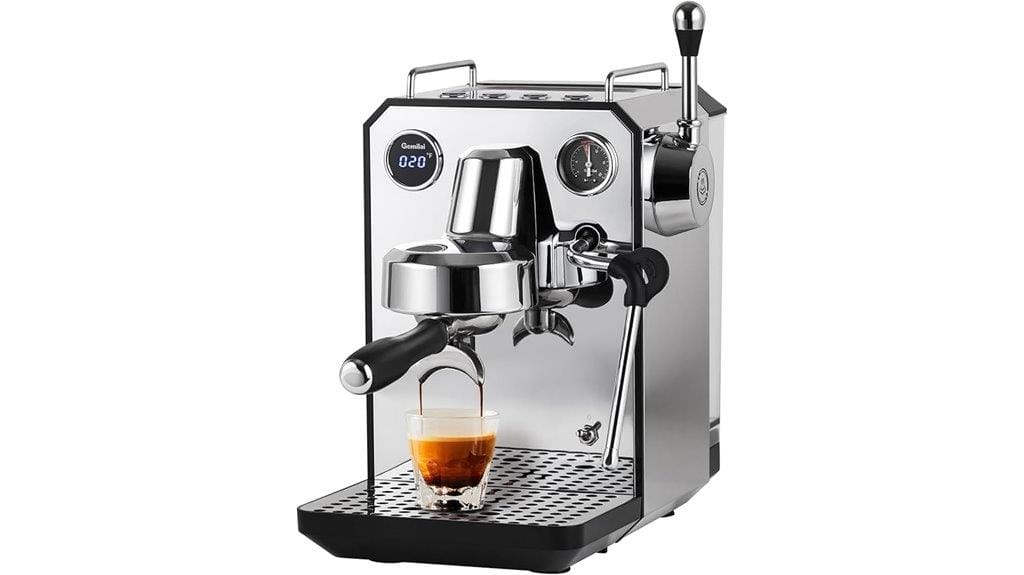
- Thermal Balance Brewing Head and PID temperature control ensure consistent, rich espresso extraction.
- Customizable brewing parameters (time, temperature, pre-infusion) accessible via intuitive dual-display touchscreen.
- Versatile swivel steam wand with dual-hole nozzle for silky milk froth and beginner-friendly latte art.
- Requires high-quality, freshly ground beans to avoid bitter results, shifting blame to user prep.
- Semi-automatic workflow demands practice to master pressure, timing, and steaming techniques.
- Premium features (PID, commercial-grade pump) may still feel pricey compared to basic home machines.
While semi-automatic models like the G3006 demand a hands-on approach to grinding and tamping, busy mornings often call for the hands-off precision detailed in our super automatic espresso machines overview.
De’Longhi Dedica Espresso Machine with Manual Milk Frother & 15-Bar Pump
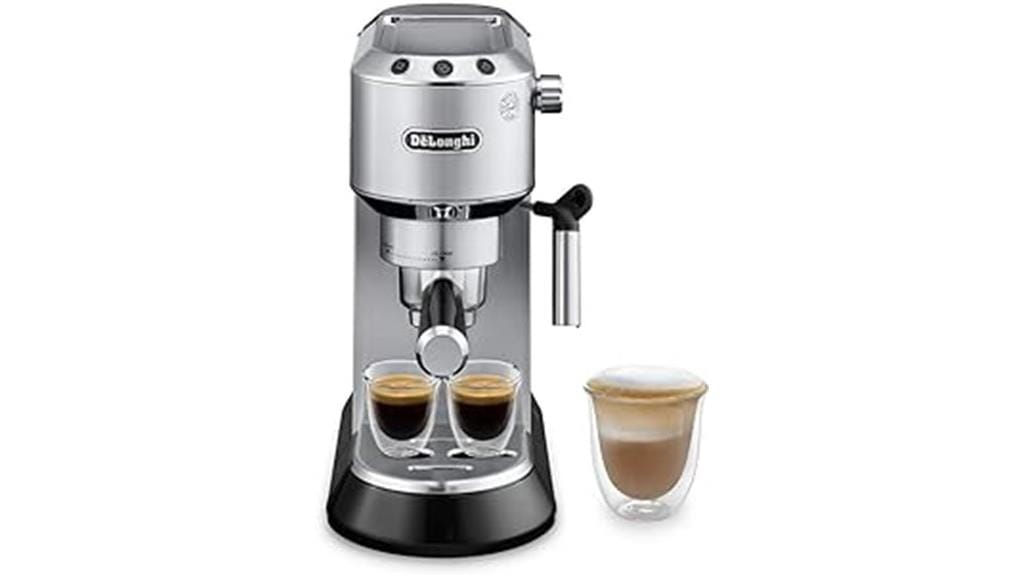
For those who appreciate the streamlined aesthetic of the Dedica but lean toward capsule convenience, our curated selection of delonghi nespresso machines expert picks offers effortless mornings without sacrificing counter space.
Apex Espresso Machine V2 (Grey)
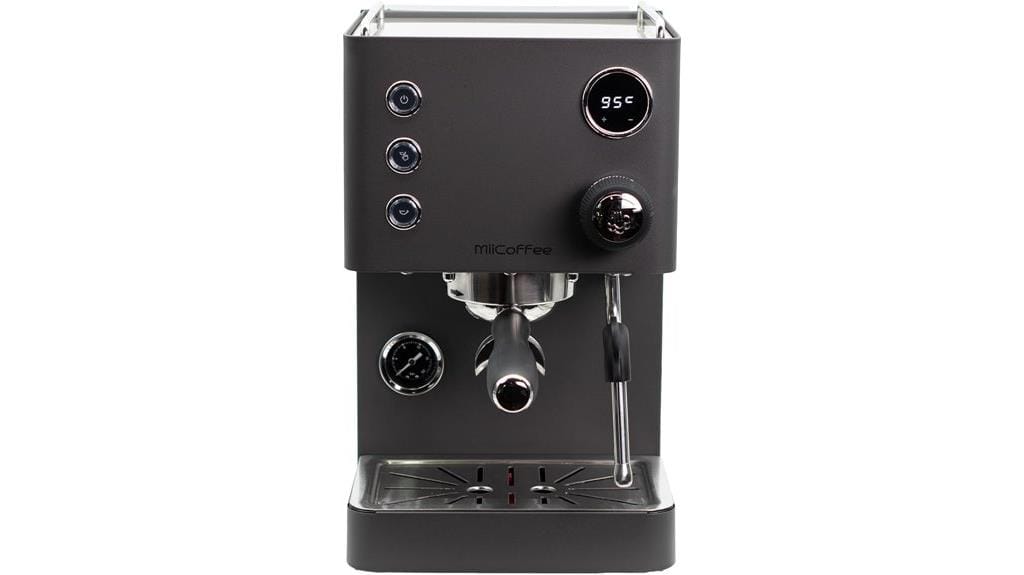
- Dual PID systems and adjustable pre-infusion allow precise control over brewing temperature and extraction.
- Commercial-grade 58mm portafilter and 9-bar pressure deliver consistent, professional espresso results.
- Powerful steam wand (with free single-hole tip option) creates silky microfoam for latte art.
- Steeper learning curve for beginners due to manual settings adjustments and interface complexity.
- Minor build inconsistencies (rough edges, misaligned panels) and unintuitive touchscreen navigation.
- Accessories like a milk pitcher and upgraded tamper are not included, requiring separate purchases.
Home baristas looking to expand their semi-automatic repertoire beyond the Apex V2 will find exceptional thermal stability and user-friendly interfaces in our guide to the best breville espresso machines.
Factors to Consider When Choosing Espresso Machines Under $500
When choosing an espresso machine under $500, focus on steady brew pressure (around 9 bars) and accurate temperature control—they guarantee bold, balanced espresso shots every time. A powerful steam wand for creamy milk froth and a sturdy build, like metal parts instead of plastic, keep your machine reliable long-term. Don’t forget easy cleanup features, like removable parts or self-cleaning modes, because nobody wants a complicated mess after their caffeine fix!Brew Pressure Consistency
Most importantly, steady brew pressure—around 9 to 15 bars—makes or breaks an espresso, turning it into velvety magic or a bitter puddle! Reliable pressure squeezes out rich flavors and creamy crema, like a tiny superhero working behind the scenes. Machines with commercial-grade pumps, like the Italian ULKA, keep pressure rock-solid, no ifs or buts—espresso’s pickier than a cat deciding which sunbeam to nap in. If pressure wobbles, your shot gets wimpy or bitter, like coffee throwing a tantrum. Look for features like PID systems that stabilize the brewing environment, even if your beans or grind size play tricks. Machines letting you tweak settings laugh in the face of variables, keeping pressure locked-in. Check specs for robust pumps and fancy tech—your taste buds will high-five you!Temperature Control Accuracy
Just as brew pressure shapes the espresso’s body, temperature decides its soul—hit that sweet spot between 190°F and 205°F, and the coffee sings with caramel sweetness or bright fruitiness. Good machines lock in this range tightly, like a thermostat on a mission, ensuring every shot avoids sour under-extraction or bitter over-extraction. Look for models with PID tech, which acts like a brain constantly adjusting heat for precision. Thermal blocks or boilers matter too—some hold heat like a champ, while others struggle, leading to wild temperature swings mid-brew. Fancy features? Adjustable settings let you tweak temperatures for lighter or darker roasts. Your coffee won’t throw a tantrum if the machine keeps things steady, turning beans into liquid magic without drama. Forget guesswork—consistency is king here.Steam Function Efficiency
While a perfect espresso balances bold flavor, steam function efficiency makes or breaks milk-based drinks, turning plain milk into lush foam that’s like a fluffy cloud in your latte. Dual-hole steam nozzles are key here—they pump out steam faster and smoother, letting you control the froth, so no sad, bubbly milk puddles. Stainless steel wands stay hot, resist sticky milk residue, and bendy designs make it easier to angle into mugs for silky microfoam. Adjustable steam pressure gives power to tweak textures, from velvety for cappuccinos to liquid-silk for lattes. Quick cooling or pressure buildup between steaming and brewing matters for speedsters whipping back-to-back drinks. And don’t skip regular cleaning and descaling—yes, it’s boring, but gunked-up wands? They’re foam’s worst enemy.Build Durability Quality
Espresso machines under 0 walk a tightrope between affordability and toughness, where sturdiness starts with the materials hugging every part. Lightweight plastics might cut costs, but they can crack if handled roughly—think “oops, butterfingers” moments. Critical parts, like the brewing head and steam wand, need metal guts to survive daily grind, not flimsy parts that quit after a month. Stainless steel shells laugh at spills and scratches, looking sharp while plastic buddies fade or chip. Users rave about bulletproof portafilters and drip trays that don’t wobble under pressure, because nobody wants espresso puddles on the counter. Water seals shouldn’t leak like a drippy faucet, and easy-access panels hint at design smarts. It’s like a pizza oven: heat-resistant, hardworking, and built to last beyond Friday night cravings.Maintenance Simplicity Steps
Maintenance ease often separates coffee heroes from countertop disasters, so choosing machines with grab-and-go parts, like removable water tanks and drip trays, lets users ditch the scrubbing hassle. Prioritize models with automatic pressure release, which prevents messy surprises during maintenance, like sudden spurts of leftover water. Clear guides or videos showing how to disassemble and clean parts are lifesavers, especially for newcomers worried about breaking things. Milk frothers need love too—immediately rinsing them after use stops sticky milk gunk from turning into clogs, or worse, a science experiment. Dishwasher-safe components? Yes, please! Pop those drip trays, portafilters, or steam wands in the dishwasher, and let machines handle the dirty work. Simple steps keep coffee tasting great, machines humming, and your mornings stress-free!Frequently Asked Questions about Espresso Machines Under $500
What are the best espresso machines under $500 for home baristas?
For budget‑friendly home baristas, the top picks are the Owl G3006 (15‑bar pump, PID control, touchscreen), De’Longhi Dedica (compact 15‑bar pump with manual frother), and MiiCoffee Apex V2 (dual PID, 9‑bar pressure, 58 mm portafilter). All three deliver café‑quality shots and are priced below $500.
Does the Owl G3006 have the same 15‑bar pump and PID control as higher‑end machines?
Yes. The Owl G3006 uses an Italian 15‑bar pump coupled with a PID temperature controller, giving you precise heat stability comparable to many premium models, all while fitting under $500.
How does the De’Longhi Dedica’s manual milk frother compare to the automatic frothers in budget machines?
The Dedica’s manual frother relies on a powerful steam wand to produce froth, offering full control but requiring a bit more skill. Automatic frothers in other budget models (like some entry‑level machines) are quicker but less customizable.
What does dual PID control mean in the Apex V2 and why is it important?
Dual PID means the machine has separate temperature controllers for the boiler and the brew head, ensuring consistent heat for both water and milk. This precision reduces taste variations and is especially valuable when using different roast levels.
How can I keep a budget espresso machine clean and avoid bitter shots?
Regular cleaning is key: rinse the steam wand after each use, descale the boiler every 3–4 months, remove and wash the drip tray and portafilter daily, and always use fresh, high‑quality beans. These steps keep the machine running smoothly and protect your espresso’s flavor.