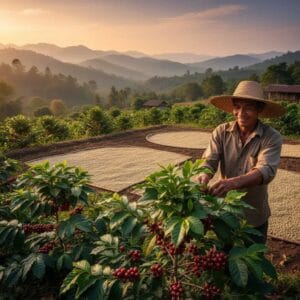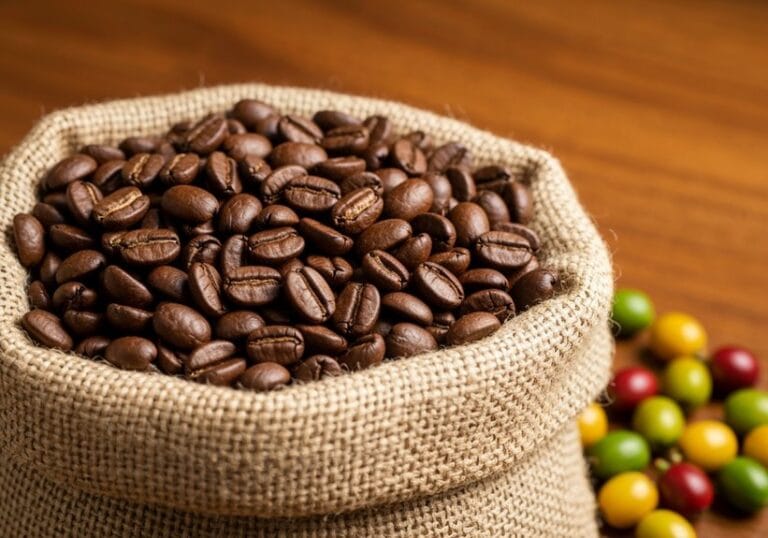

For new roasters, Brazilian Beans (Santos) and Costa Rican Tarrazu are perfect picks! Brazilian Santos is like a warm hug, super smooth with nutty and chocolatey notes, no burnt taste to worry about! Then there’s the Tarrazu, grown high in the mountains with zesty citrus vibes that’ll wake your taste buds! Both are forgiving, making it easier to practice, even when things go a bit sideways (we’ve all been there!). Stick around, and you’ll uncover even more secrets to successful roasting!
Key Takeaways
- Brazilian Beans (Santos) offer low acidity and smooth flavors, making them accessible for beginners to practice roasting techniques.
- Costa Rican Tarrazu beans showcase impressive flavor complexity, ideal for experimenting with various roasting levels and achieving vibrant citrus notes.
- Central American Arabica coffees provide diverse flavor profiles, promoting exploration and teaching roasters about distinct taste characteristics during practice.
- Beans like Nicaraguan and Guatemalan varieties allow easy defect sorting and demonstration of clear roast aromas, essential for honing sensory skills.
- Practical roasting tips help new roasters control heat and time cracks effectively, ensuring consistent results and quality in roasted coffee.
Brazilian Beans (Santos)
When diving into the world of coffee roasting, one might stumble upon Brazilian Santos beans, and, let me tell you, they’re like the approachable friend who always brings snacks to the party!
With their low acidity and smooth flavors, you might think they’re hiding something, but no! Those Santos characteristics shine with delightful nutty and chocolatey notes, perfect for anyone starting out. The beans are sourced from São Paulo, resulting in a rich flavor profile that’s highly sought after.
Brazilian Santos beans offer low acidity and smooth flavors, showcasing delightful nutty and chocolatey notes—perfect for coffee novices!
Ideal roasting? They don’t discriminate—light brings out floral hints, medium keeps things balanced, and dark adds a smoky punch! Seriously, it’s like a flavor buffet where you can be the chef!
Plus, their dry-processed charm guarantees you won’t end up with a cup that tastes like burnt toast. So, give them a try, your taste buds will thank you!
Costa Rican Tarrazu (Washed Process)
Costa Rican Tarrazu beans are like the spirited friend who always knows how to bring life to the party! Grown in the high-altitude Tarrazu region, these beans pack a punch with impressive flavor complexity.
Here are some key reasons why they’re perfect for new roasters:
- Rich volcanic soil, making them feel like royalty.
- Vibrant citrus notes that dance on your tongue.
- Hand-picked cherries to guarantee peak ripeness—who knew coffee could be so picky?
- SHB classification, meaning these beans are tough cookies, perfect for practice!
- Washed process for that smooth, clean cup.
With a lively acidity and a balanced sweetness, Tarrazu beans make roasting a joy. They’re practically begging to be devoured! Additionally, their growing conditions in the Coffee Bean Belt contribute to the nuanced flavor profile that sets them apart. The Bourbon Coffee variety is particularly valued for its high-quality beans, making it a great option to explore. Trust me, your taste buds will thank you!
Central American Arabica Coffees
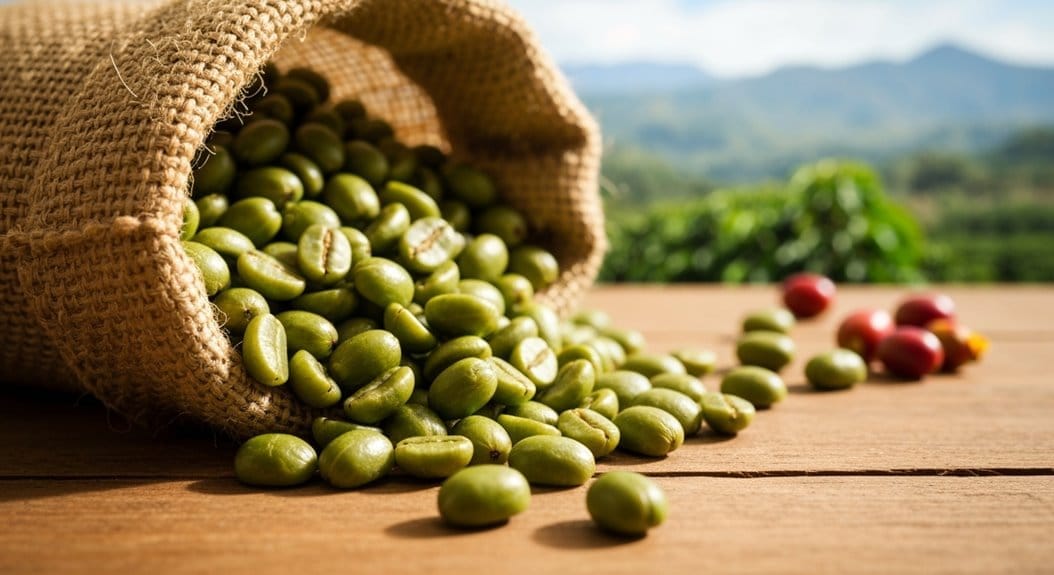
Central American Arabica coffees offer a vibrant, flavorful journey that can make any coffee enthusiast do a little happy dance (though, beware of those who toe-tap a bit too fervently).
These beans are delicious playgrounds for flavor! Take Nicaraguan profiles, for instance—grown at high altitudes, they often burst with mild fruity brightness, sweet caramel, and even a nutty bouquet that rides in wearing a vanilla bowtie. Central America’s ideal growing conditions enhance the flavors and complexities of the coffees produced.
Now, let’s not forget Guatemalan varietals! Known for their bright acidity and full body, they bring complex flavor hints of chocolate, fruity citrus, and nutty goodness to the party.
Combining these beauties will certainly spark some roaster experimentation. Seriously, your taste buds might just send you a thank-you card! Additionally, the unique flavour profiles of these beans arise from their ideal growing conditions, including altitude and climate.
Characteristics to Consider for Beginner Roasters
Roasting coffee beans for the initial time can feel like stepping into a culinary battleground! New roasters should focus on a few key characteristics to ease into this aromatic world:
- Easy defect sorting for consistent quality.
- Distinct roast aroma to guide your sensory learning.
- Clear primary and secondary cracks for proper timing.
- Acceptable taste across different roast levels to avoid total disasters.
- Visible post-roast changes for instant feedback. Additionally, the optimal growing regions significantly influence bean quality, so take this into account when selecting your beans.
These traits are essential for mastering a roast. Additionally, selecting beans with uniform bean size will help ensure even roast development and improve overall consistency.
It’s all about experimentation, finding those delightful flavors while dodging the dreaded “yikes, this tastes like burnt popcorn!” moments.
Practical Notes for Home Roasting
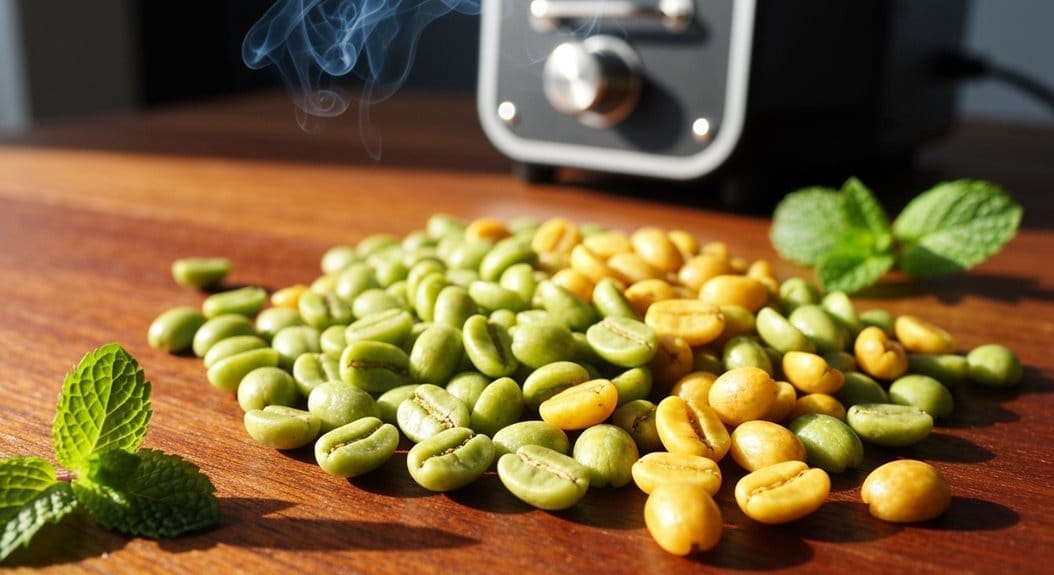
When diving into the wild world of home roasting, one must not forget that controlling heat is like training a hyper puppy—not always easy, but super necessary! Mastering roasting techniques is essential. For example, aim for even heat for a balanced roast; too much heat on the outside? You’ve got a burnt bean!
| Phase | Key Reminder | Flavor Insight |
|---|---|---|
| Drying | Watch for color change! | Perfect for preventing uneven roasts! |
| Initial Crack | Timing is everything! | Kick-starts flavor development! |
| Cooling | Cool it fast! | Keeps those delicious flavors intact! |
Don’t forget to rest those beans, too! Because just like a fine wine, coffee needs time to shine! Additionally, roasting at higher altitudes can lead to denser beans that enhance your coffee’s flavor profile due to their unique development. The process of coffee growing influences the characteristics of your beans and ultimately how they roast.
Frequently Asked Questions
How Long Should I Roast These Beans?
Roasting beans typically takes 7-15 minutes, depending on desired roasting profiles. Effective cooling techniques post-roast are essential to halting development, preserving flavor, and ensuring that beans reach their intended taste without overcooking.
What Equipment Do I Need for Roasting?
To effectively roast coffee, one needs several equipment types such as a drum or hot air roaster, a thermometer, cooling tray, scale, and proper packaging tools, all essential for mastering different roasting techniques and ensuring consistency.
Can I Blend Different Beans While Roasting?
Blending different beans while roasting is possible, impacting blending ratios and flavor profiles. However, it may lead to uneven development and complexity; careful management of bean characteristics is essential for best results in the final cup.
How Do I Store Roasted Coffee Beans?
Roasted coffee beans should be stored in airtight containers at an ideal temperature of 15-24°C. This prevents exposure to oxygen and humidity, preserving freshness and flavor while minimizing the risk of staling.
What Should I Look for in Coffee Bean Freshness?
To assess coffee bean freshness, one should consider bean origin, smooth texture, consistent color, and proper packaging. Furthermore, the roast profile’s peak flavor typically occurs 4 days post-roasting, impacting general freshness and taste quality.
References
- https://www.joemilanjr.com/coffee-best_green_coffee_beans_beginning_oasters/
- https://www.home-barista.com/roasting/suggested-coffee-beans-for-beginner-home-roaster-t71462.html
- https://www.coffeebeancorral.com/blog/post/home-roast-coffee
- https://www.youtube.com/watch?v=ekbPF1kMEdg
- https://frontiercoffeeroasters.com/blogs/frontier-coffee-roasters-blog/comparing-brazilian-santos-coffee-beans-to-other-brazilian-coffees