
Why Roast Coffee Beans Yourself? Ever wondered what makes coffee production truly special? Roasting your own beans unlocks:
- Flavor control tailored to your taste buds
- 30-50% cost savings versus store-bought bags or you would like to become a coffee roaster.
- Avoid coffee industry pitfalls like stale beans, blends, or uneven roasts – crucial for high quality coffee results.
Your Optimal Learning Path:
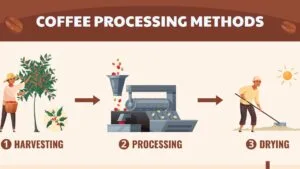
For further reading and detailed techniques, check out our guide on black and yellow honey process.
For further reading and detailed techniques, check out our guide on dry process coffee mechanics.
For further reading and detailed techniques, check out our guide on washed process coffee flavor.
For further reading and detailed techniques, check out our guide on coffee processing methods overview.
- Master equipment → Core roasting process → Method selection
- Technique refinement → Troubleshooting → Safe experimentation
Defining Equipment, The Roaster & Green Coffee Beans
“Coffee Roaster” Definition – Machine vs. Artisan
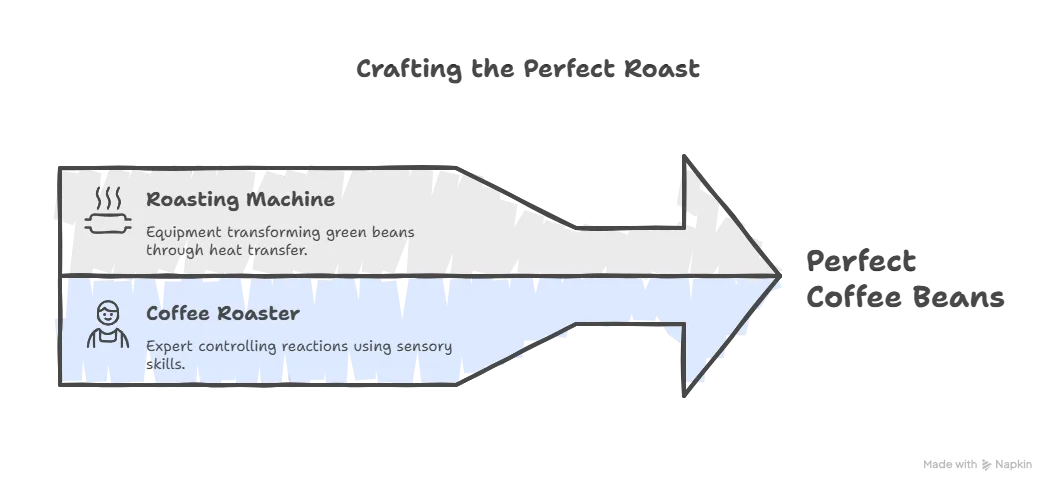
The term “coffee roaster” cleverly describes both equipment and expertise. At its core:
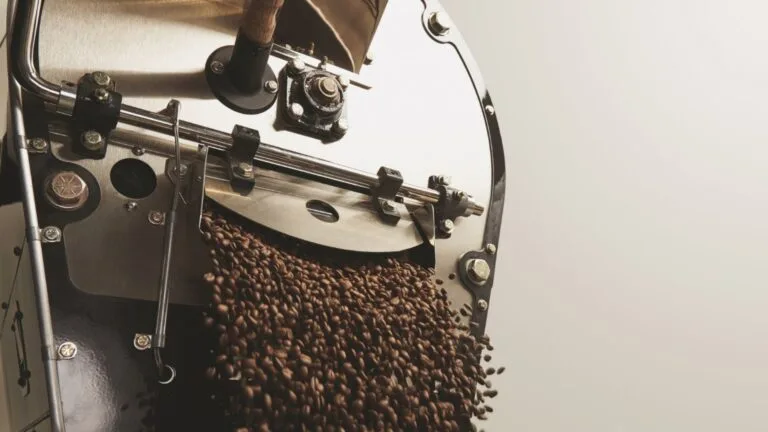
- Roasting Machine: Applies heat transfer to transform green coffee beans by Drum (direct contact), Hot-air (convection)
- Coffee Roaster (Person): Controls chemical reactions via sensory skill by adjusts heat/airflow using color, aroma, and “crack” sounds.
💡 Pro insight: Small-batch machines (1-5kg) let specialty coffee roasters experiment with bean variables like density and moisture.
Green Coffee Beans – The Raw Canvas
💡 From my notes: Hot air systems deliver reliable results for single-origin coffees. Drum roasters excel at creating balanced blends.
Coffee Roasting Techniques by Roast Level
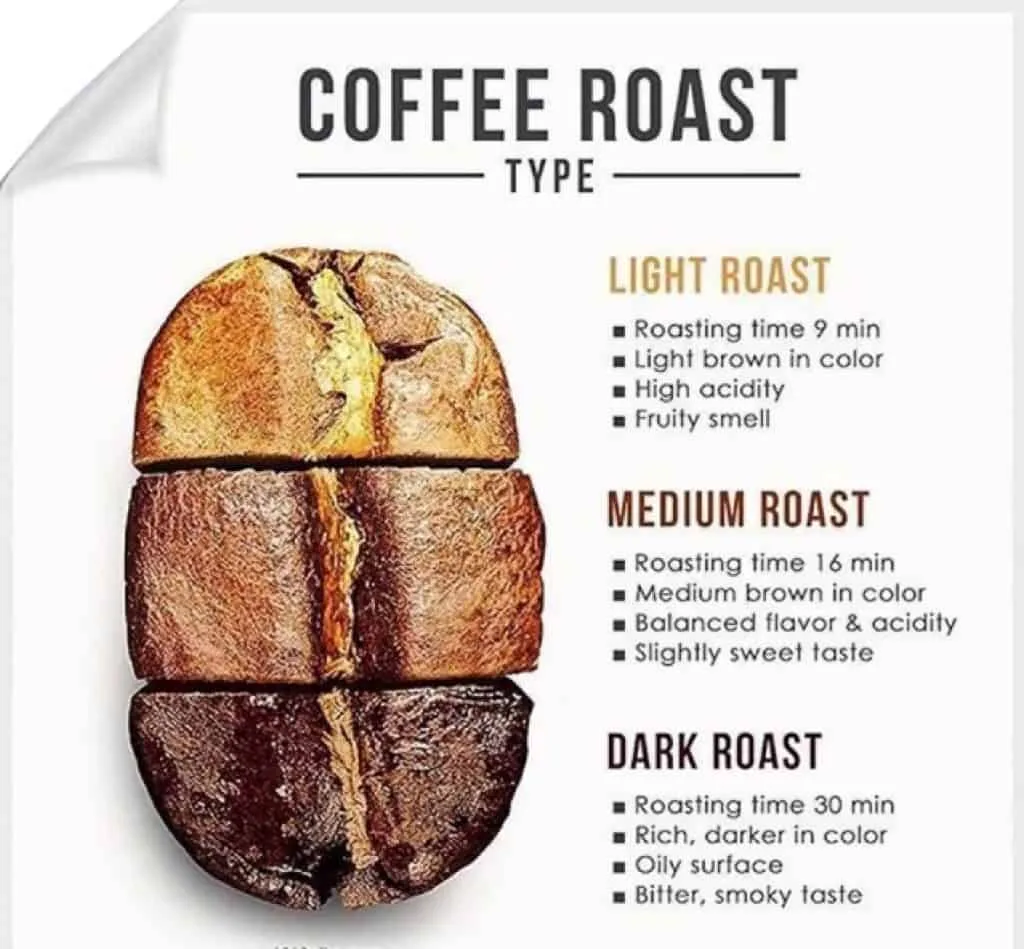
Light Roast – Capturing Vibrant Nuances
When mastering coffee roasting techniques for lighter roasts, your mission is preserving those delicate origin notes. Here’s how we protect acidity and fruit-forward character:
- Key Parameters:
- → Final Temp: 205-210°C
- → Duration: 9-11 minutes
- → Stopping Cue: 15-30 seconds after first crack ends
💡 Pro insight: Extend drying time slightly to avoid tipping (scorched edges) – the secret to crystalline acidity in Ethiopian Yirgacheffes!
Medium Roast – The Art of Balance
This crowd-pleasing profile demands perfect harmony. Your coffee roasting techniques should balance three elements:
- Flavor Triad:
- → Bright acidity (like green apple)
- → Caramelized sweetness
- → Velvety body
- Key Parameters:
- → Final Temp: 215-220°C
- → Duration: 11-13 minutes
- → Stopping Cue: Midway between first and second crack
🌟 Fascinating fact: Medium roasts develop 20% more sweetness than light roasts through controlled caramelization. Try Colombian beans to experience this magic!
Dark Roast – Walking the Flavor Tightrope
Pushing beans further requires vigilant coffee roasting techniques. Beware oil surfacing – that glossy sheen signals over-development:
- Critical Safeguards:
- → Max Temp: ≤ 230°C (beyond this = burning)
- → Max Time: ≤ 15 minutes
- → Stopping Cue: At first audible second crack
- Flavor Rescue Tip:
- Reduce heat by 5°C/minute after first crack to avoid smokiness overpowering chocolate notes
⚠️ From my logs: Sumatra handles high heat well, but watch bean color closely. Stop at deep brown—never black.
Pro Tips & Troubleshooting
4 “Roast-Ruining” Mistakes & How to Fix Them
Avoid these mistakes when setting up your coffee roasting process—they can ruin your batch. This is critical for busy shops roasting small volumes:
Scorching (Burnt Edges)
- Why it happens: Rushing drying phase with aggressive heat
- Fix: Reduce initial temp by 10°C for first 2 minutes
⚠️ Roaster alert: Listen for rapid “cracking” sounds – your first warning sign!
📌 Keep low, stable Rate of Rise (RoR) here for uniform development and avoid scorch. Professional roasters widely use this method. (Perfect Daily Grind, 2020)
Under-development (“Grassy” Flavor)
- Why it happens: Cutting Maillard stage too short
- Fix: Extend 150-190°C phase by 1-2 minutes
💡 Pro tip: Kenyan beans need extra Maillard time – aim for caramelized sugar notes
Baking (Flat, Lifeless Beans)
- Why it happens: Temperature dips below 200°C post-first crack
- Fix: Maintain ≥200°C during development
🌟 For coffee shops: Use thermal probes to monitor bean mass temp, not just air!
Poor Chaff Removal (Fire Risk & Flavor Spoilage)
- Why it’s catastrophic: Ignited chaff causes roaster fires, Smoky off-flavors, Non-compliance with emission regulations
- → Budget option: Use vacuum attachments + HEPA filters (85% efficiency)
→ Pro upgrade: Install cyclone systems – ROI in 18 months via reduced fire insurance premiums
🌟 The Probat Solution: “Cyclone separator achieves 99% chaff removal efficiency while limiting dust emissions to ≤20 mg/m³. This exceeding Germany’s TA Luft standards” (Probat, 2024).
Cooling & Resting – Your Secret Weapon
Perfecting this coffee roasting procedure ensures high quality in every cup:
Step 1: Rapid Cooling
- Chill beans within 4 minutes using fans/cooling trays
- → Critical for preserving delicate floral notes in light roasts
Step 2: Degassing Rest
- Store in airtight containers 24-72 hours
- → 48 hours ideal for espresso; 24 for filter
Step 3: Packing – The Freshness Lock
- Use one-way valve bags → Releases CO₂ while blocking oxygen
“According to the SCA, CO₂ levels post-roast impact freshness and extraction quality. But ideal values vary with bean density/roast profile, and no fixed standard exists” (Samo Smrke, 2019).
→ Pro Tip: For espresso, delay packing to Day 2–3 (extra degassing reduces channeling).
- Readiness Check:
- → Sweet aroma (no smoke or grass)
- → Dry surface (oil-free for light/medium)
- → Uniform color (no blotchy spots)
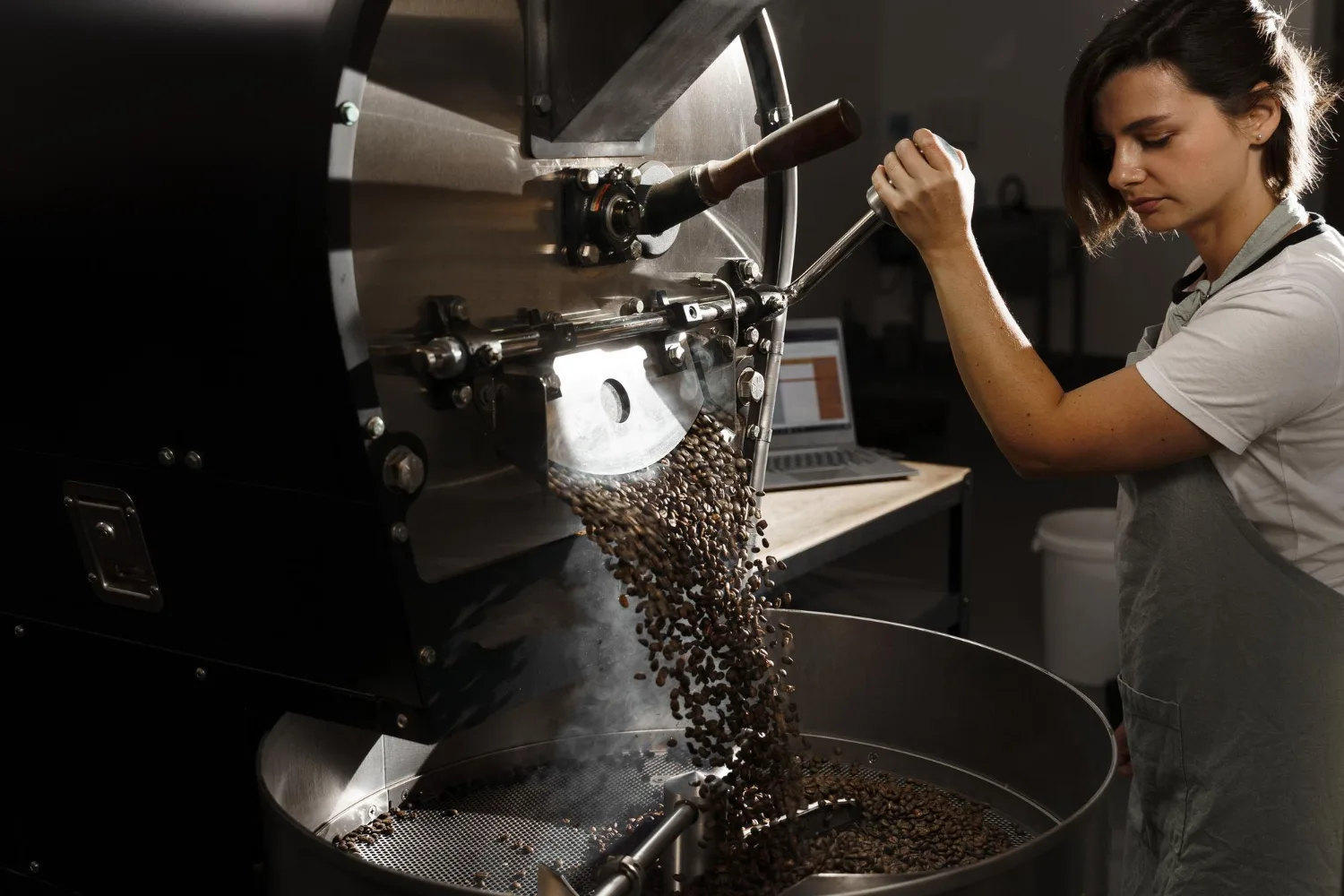
✨ High quality secret: Ethiopian naturals need 72-hour rests – patience rewards with blueberry explosions!
Conclusion & Practice Roadmap
Your Professional Quality Checklist
Before sealing any batch – whether you’re experimenting at home or supplying coffee producers – run through these non-negotiables:
- ✅ Uniform bean color (no light/dark patches)
- ✅ Zero scorch marks (check edges carefully!)
- ✅ Sweet fragrance (caramel/fruit notes, never smoke)
- ✅ Even snap when squeezed (tests moisture distribution)
🌟 Fun fact: Top coffee producers use this exact checklist – it catches 90% of roasting flaws before packaging!
Roasting Starter Plan
Ready to confidently roast coffee? This beginner-friendly roadmap builds skills safely:
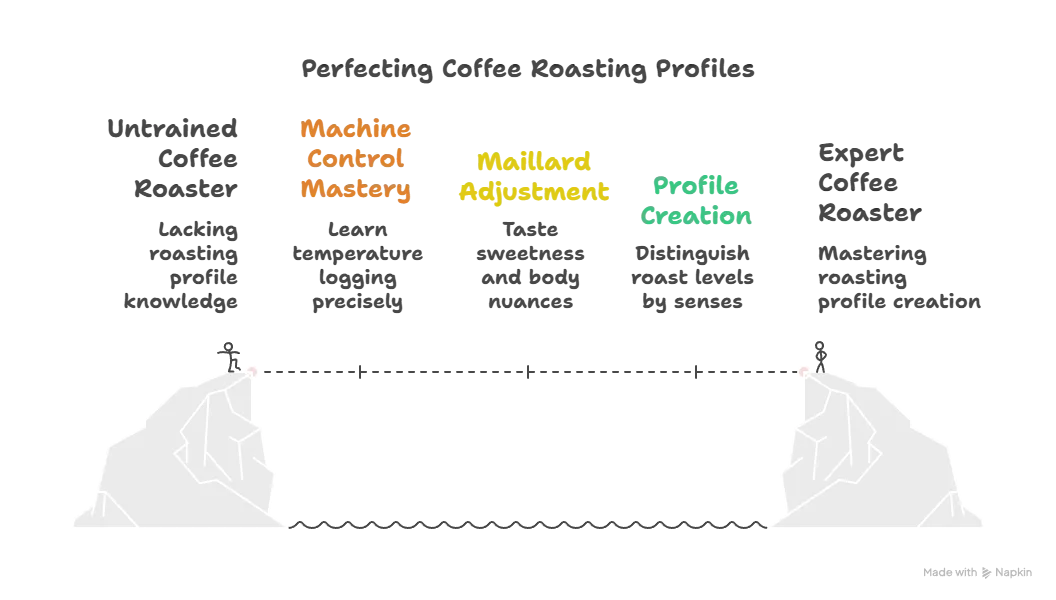
💡 Pro insight for shops: Start with small batches (under 500g) when dialing in new beans – saves costs while mastering your roast coffee signature!
Frequently Asked Questions about Coffee Roasting
What is the difference between drum roasting and hot‑air roasting for home coffee roasters?
Drum roasting uses a rotating metal drum heated by gas or electric burners; heat is transferred by conduction and radiation, producing rich chocolate and caramel notes but requiring more experience for heat control. Hot‑air or fluid‑bed roasters use a column of super‑heated air that surrounds the beans; this delivers highly uniform, bright acidity and is easier for beginners, especially with delicate, high‑acidity origins.
How long should I roast a light, medium, or dark coffee to achieve the desired flavor?
Light roasts stay around 205–210 °C for 9–11 minutes, stopping just after the first crack; medium roasts finish at 215–220 °C for 11–13 minutes, stopping halfway between first and second crack; dark roasts are held at 225–230 °C until the second crack (≈15 min max). Track time‑temperature curves with a probe for consistent results.
What are the steps for cooling and resting roasted coffee beans to keep flavor?
Rapidly cool beans within 4 minutes using fans or a cooling tray to lock in aroma, then let them rest 24‑72 hours in airtight containers (24 h for filter, 48 h for espresso) to allow CO₂ to escape. Pack only after the rest period to avoid channeling and preserve freshness.
Which factors should I consider when selecting a small‑batch coffee roaster?
Look at batch size (1‑5 kg for experimentation), heat source (gas, electric, or propane), airflow control (drum vs fluid‑bed), and ease of chaff removal (cyclone or vacuum). Also consider the roaster’s rate‑of‑rise (RoR) capability and the ability to adjust airflow for delicate beans.
How can I identify and prevent common roasting mistakes like scorching and under‑development?
Listen for rapid “cracking” sounds early in the dry stage to avoid scorching; keep the rate of rise around 12°C/min. Under‑development shows grassy, weak flavor; extend the 150‑190°C Maillard phase by 1‑2 minutes. Use a temperature probe on the bean mass, not just the air, to monitor real roasting temperature.