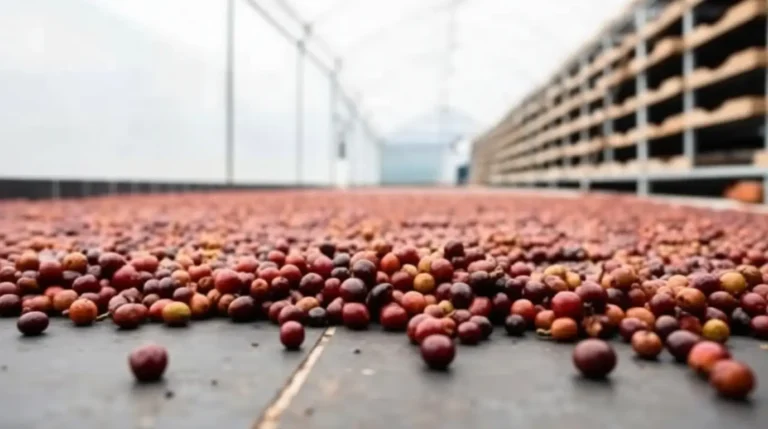

You see bags labeled anaerobic with tasting notes like “rum bomb” or “funk,” but the process behind them often feels like a black box. Most explanations stop at the marketing hype, leaving you guessing why one batch tastes complex and another tastes like vinegar. This distinction matters because anaerobic natural coffee processing isn’t just a buzzword; it is a specific biological event where whole cherries ferment in sealed tanks without oxygen.
Understanding the mechanics lets you tell quality from accident. Seeing inside the tank shows how the cherry peel acts as a biological filter and how CO2 pressure dictates the chemistry. Once you see the system behind the seal, you won’t need a script to know what you are tasting or why it costs what it does.
To master these controlled transformations and apply advanced producer fermentation science to your own harvests, review the comprehensive protocols and roasting guidelines.
When you are ready to translate those complex tank dynamics from green bean to your mug, mastering the art of brewing anaerobic coffee ensures you highlight those vibrant fruit notes without extracting unwanted astringency.
Anaerobic Natural Coffee Processing Defines Whole Cherry Fermentation
Anaerobic natural coffee processing relies on a sealed tank, operates within a biological filter, and thrives in an anaerobic environment. This method isolates whole cherries from oxygen to direct microbial activity toward specific flavor compounds. Producers manage this biological system by controlling pressure and temperature rather than relying on open-air exposure.
Anaerobic Fermentation Defines Oxygen-Free Whole Cherry Processing
Anaerobic fermentation occurs without oxygen, distinguishing it from traditional aerobic methods. Producers apply this method to whole coffee cherries instead of depulped beans to preserve internal sugars. The cherry peel forms a protective layer around the fruit during this stage. Sealing the tank facilitates interaction among microbial consortia within the limited oxygen supply. This environment typically lasts between 24 and 72 hours before drying begins.
While many coffee types can undergo this process, certain coffee varieties for anaerobic fermentation are particularly suited to developing exceptional flavor profiles, ranging from fruity and floral to rich and complex.
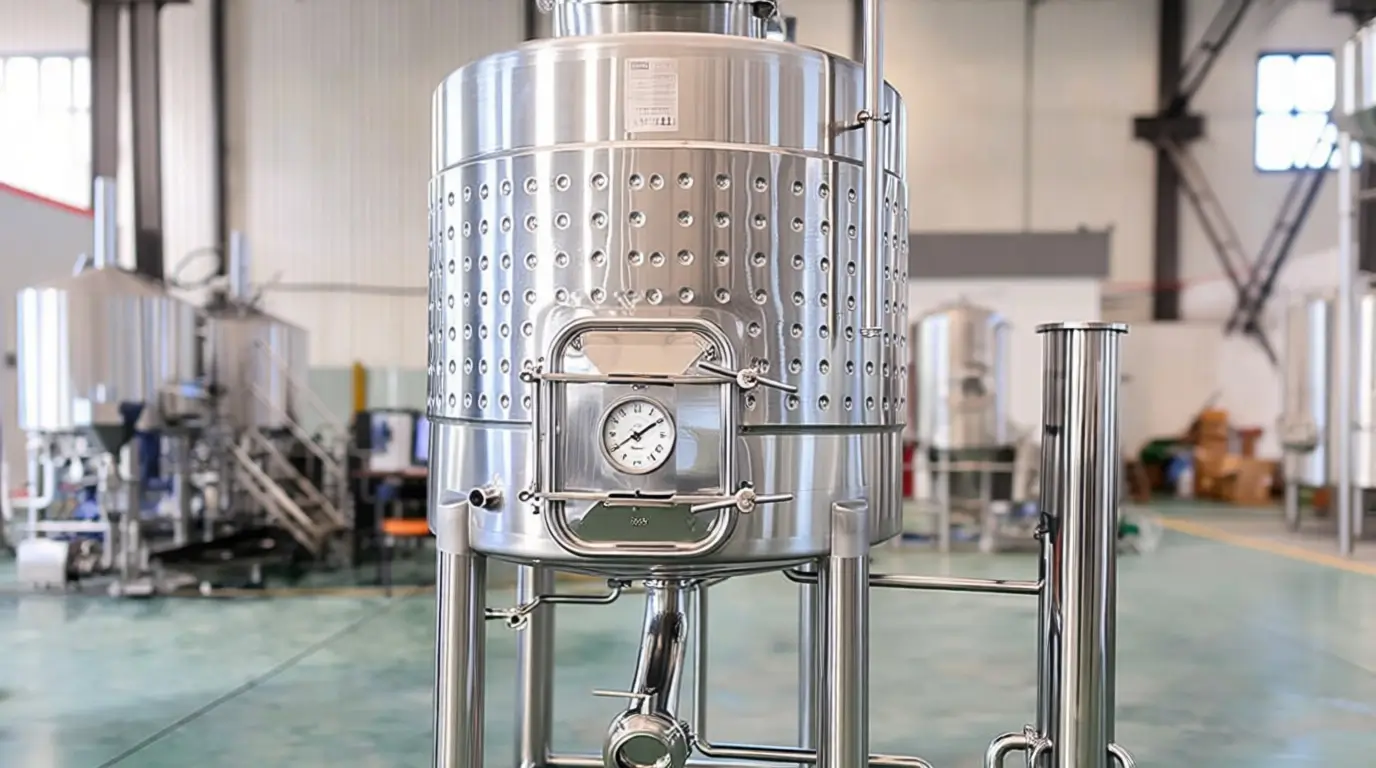
Choosing the right equipment is critical for maintaining this environment; you can explore the pros and cons of different anaerobic coffee processing tanks including stainless steel and HDPE barrels to determine which fits your setup workflow.
Quality Metrics Determine Anaerobic Natural Flavor Outcomes
Producers report primary flavor outcomes including tropical fruit, wine-like notes, and funky pickled elements. This technique overlays on natural, washed, or honey variations to modify the cup profile. Marketing copy often emphasizes exotic adjectives while ignoring the practical parameters producers manage. Controlled tank pressure maintains stability throughout the fermentation window. A specific pH gradient maintains microbial balance to prevent spoilage. The system optimizes for tank temperature to guide enzyme activity. Finally, the biochemical reaction creates changes in the volatile compound profile. Baseline quality-control metrics include Brix and CO2 levels alongside these factors.
Load Whole Cherries into Sealed Tanks
A sealed tank maintains precise tank pressure and optimal tank temperature to ensure oxygen-free fermentation. This setup does more than just keep air out: it creates the physical force needed to push sugars from the fruit into the bean. Getting this step right establishes the anaerobic atmosphere and sugar-infusion mechanism critical for flavor development.
To understand how these controlled pressures influence broader processing methodologies, consult Carbonic Maceration Coffee The Complete guide on modern whole-cherry innovations.
Sort and Load Whole Cherries
Start by filling a water basin to separate the fruit. Lighter, defective cherries float to the top, allowing you to skim them off before they enter the system. Once sorted, move the dense, healthy cherries using a gentle funnel or conveyor to prevent bruising. Uniform load density matters because gaps can trap oxygen. When you close the lid, the tank valve ensures a hermetic seal. The automation system regulates flow based on tank pressure to keep the environment stable.
Video:
Purge Oxygen and Set Tank Parameters
Inject CO₂ to displace residual oxygen, typically running the gas for a set duration until sensors confirm purity. Set the initial heat between 15–18 °C for a slow, steady fermentation. Tank temperature optimizes the metabolic rate of the yeast and bacteria. You must also record the starting pH and take a Brix reading of the juice released as the fruit breaks down. This controlled stability supports activity within microbial consortia.
While the basics of loading are straightforward, the pressure created by CO₂ injection does more than just keep oxygen out: it helps maintain the anaerobic conditions that promote sugar metabolism by microbes. The CO₂ pressure supports the conditions for the cherry’s natural sugars to be metabolized through microbial activity on the peel into the bean, laying the groundwork for the intense sweetness and “funk” that can develop later.
Cherry Peel Biological Filter Shapes Funk Flavor
The biological filter, formed by the cherry peel and its mucilage layer, regulates oxygen diffusion and sugar flow. This physical barrier decides whether you get clean tropical notes or muddy funk, yet its performance hinges entirely on the environmental conditions you set. Without tight control over temperature and pressure, this filter produces inconsistent results rather than the signature flavor profile you expect.
Cherry Peel Anatomy Forms Microbial Consortia
The cherry peel forms the outermost defense, comprising skin, pulp, and the sticky mucilage layer beneath. This mucilage layer provides for microbial colonization by dominant yeasts like Candida spp. and bacteria such as Lactobacillus spp. under anaerobic conditions. These microbes break down polysaccharides into ethanol and lactic acid, driving the conversion of substrates into volatile aroma compounds.
Research confirms this biochemical reaction where specific taxa succeed one another on the peel surface:
The study investigates coffee beans fermented under strictly anaerobic conditions and documents the succession of microbial taxa on the cherry peel mucilage. It reports that Candida spp. (yeasts) colonize the outer mucilage early, secreting pectinases that break down polysaccharides, while Lactobacillus spp. become dominant as the environment acidifies, metabolizing released sugars and organic acids. Together they drive the conversion of these substrates into ethanol, lactic acid, and downstream esterification reactions that generate the volatile aroma compounds characteristic of specialty coffee.
Peel Filter Controls Oxygen and pH Gradient
Oxygen diffusion controls the selective passage of metabolites, allowing sugars and organic acids to pass while retaining others within the peel environment. Simultaneously, microbial activity modulates via the pH gradient, driving the conversion of filtered metabolites into precursors for characteristic funk volatiles like esters and phenols. This process produces sensory notes ranging from pickled and sour to tropical, though many practitioners report inconsistent funk without precise control.
Industry data highlights the magnitude of this chemical shift when conditions align, though universal percentages remain batch-specific:
Current literature does not provide a single, sector-wide percentage figure for ester increase attributable specifically to an “optimized cherry-peel biological filter.” Recent studies report that many producers report that moving from conventional aerobic natural processing to controlled anaerobic conditions can double or even triple the peak concentrations of key esters such as ethyl acetate and isoamyl acetate, but these results are batch-specific and expressed as fold-changes rather than a universal % increase. For example, a 2024 study on the production of volatile compounds using wild yeasts reported total ester concentrations reaching 105.84 mg kg⁻¹, representing a ≈200 % rise compared with a control aerobic batch. Because the data are experimental and not standardized across the industry, no definitive industry-wide statistic is available.
Monitor Temperature, pH, CO₂ Pressure, and Brix
An anaerobic environment sustains ideal water content and is protected by a parchment barrier to prevent gas exchange. You might think hitting perfect numbers guarantees a better cup, but precise control of temperature, pH, CO₂ pressure, and Brix is essential without promising consistent funk. Mastery of these four variables is necessary but not sufficient for superior cup scores because the relationship between variables and flavor chemistry is complex.
Maintain 15–18°C Temperature and 3.8 pH
Keep the tank between 15–18°C during fermentation. Higher temperatures accelerate microbial activity and risk “boozy” or vinegary off-flavors that ruin the batch. The pH gradient drops as sugars are metabolized, so you must stop at ≈ 3.8 to prevent spoilage. An anaerobic environment maintains water content within the cherry during this acidification. The parchment barrier shields the seed from outside air while acids build inside.
Track CO₂ Pressure and Brix Levels
Detail the one-way valve system and typical pressure levels like 0.5–1 bar. Pressure maintains anaerobiosis while supporting conditions for sugar metabolism into the bean. Periodic Brix readings track sugar depletion and indicate fermentation progress for you. Temperature influences pH drop rate, pressure affects microbial metabolism, and Brix correlates with volatile precursor availability. Even when these variables are perfectly controlled, the promised increase in cup score is not guaranteed. Many producers still encounter off-flavors or inconsistent scores despite optimal metrics. High pressure enhances volatile compound profile formation during fermentation. This stability preserves integrity during seed removal.
The data below illustrates this shift across different pressure and temperature settings:
| CO₂ Pressure (bar) | Initial Brix (°Bx) | Fermentation Brix (°Bx) | Temperature (°C) | Volatile Precursor Formation* | Microbial Activity† | Expected Flavor Outcomes‡ |
|---|---|---|---|---|---|---|
| 0.5 – 1.0 | 12 – 13 | 10 – 11 | 15 – 16 | Low ester & aldehyde synthesis; modest acid-precursor buildup | Dominated by Lactobacillus spp.; slow acidification | Light body, subtle fruit notes, higher perceived acidity |
| 1.0 – 1.5 | 12 – 13 | 9 – 10 | 16 – 17 | Moderate ester (ethyl acetate, iso-amyl acetate) and ketone production | Mixed Lactobacillus and Acetobacter; balanced growth | Balanced acidity, pronounced fruity-floral aromatics, medium body |
| 1.5 – 2.0 | 13 – 14 | 8 – 9 | 17 – 18 | High ester (ethyl butyrate, phenylacetate) and higher alcohol formation; enhanced sugar-derived precursors | Strong Acetobacter activity; rapid CO₂ generation, slight yeast contribution | Rich mouthfeel, complex fruit (berry, tropical) and spice notes, lower sharp acidity |
| > 2.0 (up to 2.5) | 13 – 14 | ≤ 8 | 18 | Maximal esterification and formation of lactones; possible off-flavor precursors (acetaldehyde) if pressure too high | Over-active Acetobacter; possible yeast stress, reduced bacterial diversity | Intense fruit & wine-like aromas, risk of over-ripe or “solvent-like” notes, fuller body but potential bitterness if pressure exceeds optimal range |
* Volatile precursor formation refers to the synthesis of aroma-active compounds (esters, aldehydes, ketones, lactones) that later develop during roasting.
† Microbial activity describes the dominant microbial groups and their metabolic intensity under the given conditions.
‡ Flavor outcomes are the typical sensory attributes observed after roasting and cupping of beans processed under each parameter set.
Fruit Fermentation Generates Volatile Compound Profile
The coffee cherry produces the volatile compound profile that defines funk through fruit fermentation. This is not random noise: it is a specific chemical cocktail synthesized by peel-derived microbes under precise pH and pressure conditions. Variations in process duration influence the microbial activity inside the sealed tank.
To see how these invisible chemicals map to what you taste, look at the breakdown below.
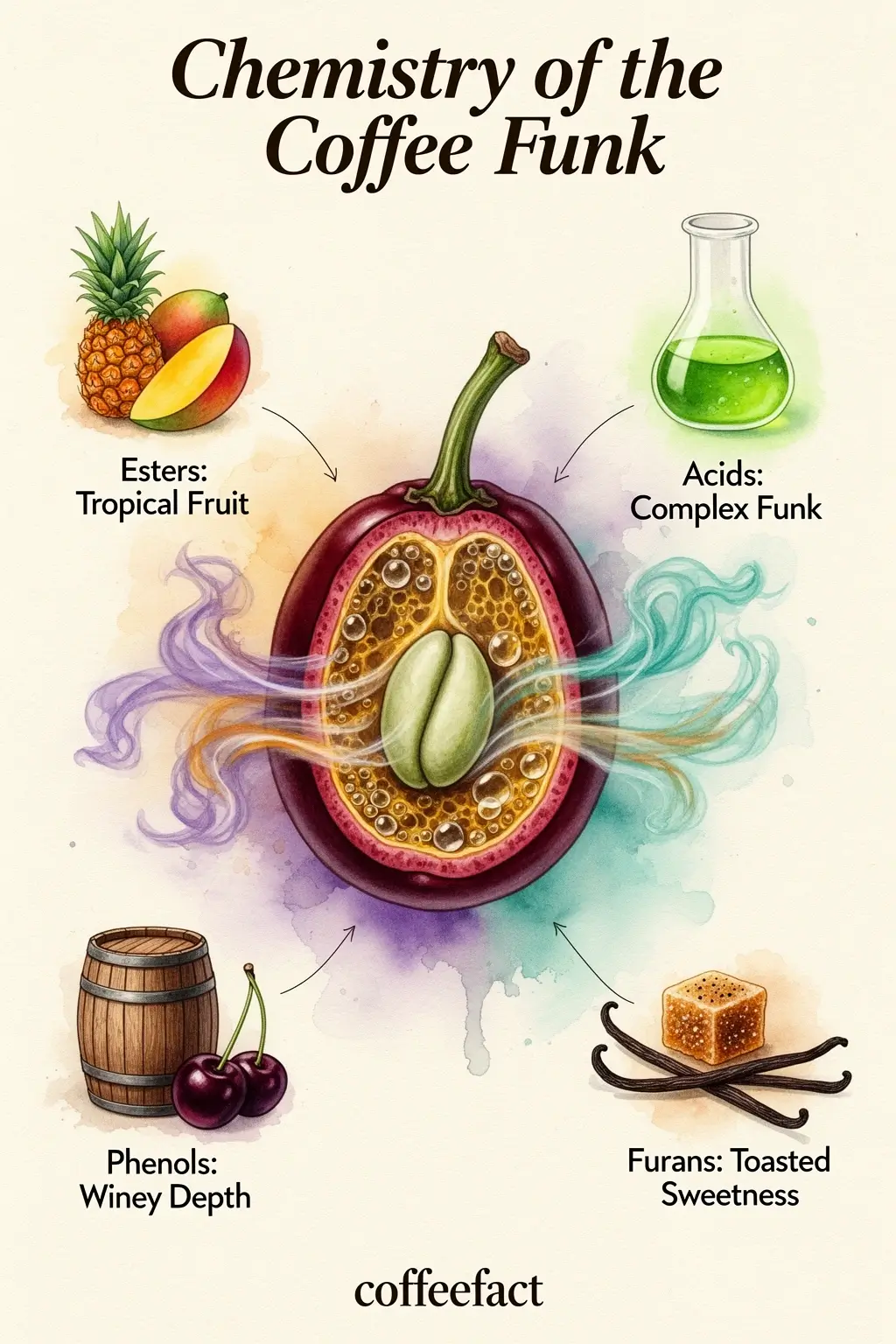
The pH gradient and microbial consortia on the peel convert sugars and acids into distinct volatile families. CO₂-driven anaerobic conditions fuel ester production, intensifying fruity and funky notes.
- Esters: Compounds like ethyl acetate drive tropical fruit notes.
- Organic Acids: Lactic acid adds pickled or sour dimensions.
- Phenolic Compounds: Complex structures create winey or rum-like depths.
- Furans: These molecules contribute caramelized sweetness.
Higher Brix and longer fermentation amplify certain volatiles, while premature halting preserves a balanced profile. Regional practice in Colombia affects how producers manage these variables. The standard for result quality determines the final cup.
Research from ZHAW confirms this intensity. Dr. Chahan Yeretzian and Dr. Samo Smrke, Head of the Coffee Excellence Centre and Head of Coffee Processing, highlight a specific compound.
“One very intense fruity smelling compound, ethyl 3-methylbutanoate, stood out in the natural carbonic macerated coffee,” Chahan and Smo say. It was found to be 125-times more abundant than in the washed coffee.
This observation confirms why maintaining the pH gradient is essential for retaining volatile aromatics.
Do sealed tank Costs Limit Anaerobic Natural Scaling?
A sealed tank’s high tank pressure drives the volatile compound profile that justifies the premium market price. While anaerobic naturals can command a premium of roughly 12 €/250 g, the hidden capital outlay, ongoing CO₂ costs, and scalability hurdles often offset the financial upside. This economic reality means that consistent “funk” production is not universally profitable despite its premium market price.
Producers must purchase specialized infrastructure to maintain an oxygen-free environment. Standard open fermenters cannot sustain the required pressure levels. Continuous CO₂ injection adds recurring operational expenses that drain margins quickly.
Bram de Hoog, a specialty coffee sourcing manager at Ally Coffee, observes the trade-off between quality control and expense:
“It can drastically increase a coffee’s cup score and hence the value of the coffee,” Bram says. Furthermore, the anaerobic process, when compared to other types of fermentation, can give producers better control of the fermented batch. … Moreover, it should be remembered that anaerobic fermentation is more expensive than the more traditional types of coffee processing (natural, washed, and honey). Anaerobic fermentation requires special sealed tanks to be used during the fermentation; these must then be regularly monitored for accurate control of the processed batches, so it requires additional manpower. Hence, this is not a process that all producers can afford.
This observation confirms why maintaining the sealed tank environment demands significant labor investment. Monitoring requirements demand additional manpower to track pressure and temperature constantly. Small lots remain viable, but bulk production faces diminishing returns. The process limits volume compared to traditional natural methods.
Real Talk: What Most People Miss About Anaerobic Natural Coffee Processing
How does CO₂ pressure actually push sugars into the bean?
CO₂ pressure forces liquid through the cherry peel, moving sugars directly into the bean’s interior. The gas creates a gradient that drives juice past the mucilage barrier, so the bean absorbs more fermentable sugars before drying. This extra sugar load fuels stronger ester formation later in roasting.
Why can two batches with identical temperature, pH, and Brix still taste different?
They can still taste different because microbial succession can diverge, leading to different flavor outcomes. Small variations in oxygen micro‑leaks, cherry skin thickness, or initial yeast strain populations shift the balance between yeast and bacteria, altering ester and acid profiles despite matched metrics.
What happens if the pH drops below 3.8 during fermentation?
If pH falls below 3.8, acid‑tolerant bacteria dominate and can produce excessive acetic acid, leading to vinegar‑like off‑flavors. The low pH also stresses yeast, reducing ester synthesis, so the batch may end up thin, overly sour, and fail to achieve the desired funk.
How does using nitrogen instead of CO₂ for the purge affect the fermentation?
Using nitrogen for the purge removes oxygen without adding soluble CO₂, so the pressure‑driven sugar infusion never occurs. The beans retain less internal sugar, resulting in milder esters and a cleaner but less “funky” cup. It also limits the natural carbonation that stabilizes microbial activity.
What are the risks if a power outage interrupts temperature control mid‑fermentation?
A power outage that lets temperature rise or fall disrupts microbial metabolism, causing erratic acid and ester production. Sudden heat spikes can accelerate yeast death, while cooling stalls activity, both creating inconsistent flavor pockets and increasing the chance of spoilage if the tank isn’t quickly re‑sealed.
Can mixing cherry varieties in one tank compromise the “biological filter” effect?
Mixing cherry varieties can compromise the peel’s biological filter because skin thickness and mucilage composition differ, altering oxygen diffusion and sugar release rates. The uneven filter creates micro‑environments where some microbes over‑dominate, leading to uneven ester distribution and a less predictable flavor profile.