
The Truth About First Coffee Locations: How Cafés Sparked Social Revolutions
The Concept of a Café – From Ottoman Coffeehouses to Modern Coffee Shops
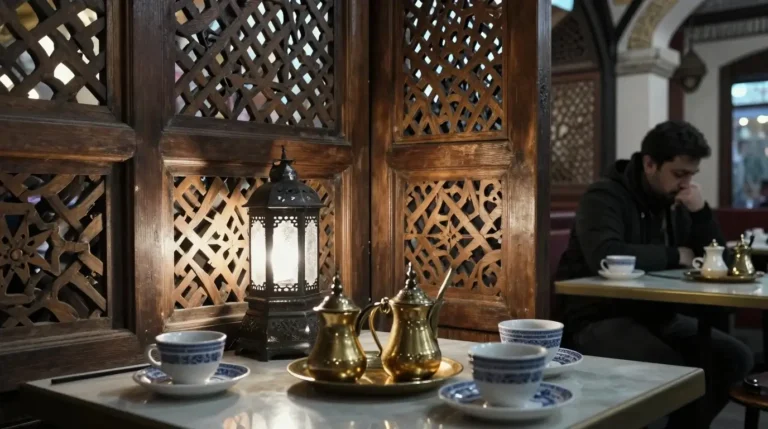
Picture the first Ottoman coffeehouse: a dim room where the scent of roasted beans beckoned patrons, not just for the beverage, but for the atmosphere that accompanied it. When we talk about a “café” today, we often think of fancy espresso machines or quiet places to work, but the cafe origin is far more atmospheric. Historically, a café was quite literally a ‘house of coffee,’ a designated public space built around this invigorating new drink. These historic coffee shops were immediate social phenomena. From their start, they weren’t just about transactions; they were about interaction. This early Coffeehouse culture established conventions that remain with us, such as the expectation of lingering, observing, and engaging with others. Three pillars—sight, taste, and talk—define the café experience, even now. I find it fascinating how this simple premise endured centuries of change. Just as a market bustles with goods, a café gathers souls, acting as a neutral ground where everyone, regardless of status, could share a cup and a conversation. This early blueprint, forged in the Ottoman Empire, seeded the global coffee shop history we explore today.

Istanbul to Paris – The First Transcontinental Spread
From Istanbul’s bustling docks to Paris’s cobblestone cafés, coffee crossed the Mediterranean in 1669. This wasn’t just a transfer of product; it was a transport of social structure. We see a swift evolution in role: Istanbul was the trade hub where seeds arrived; Paris quickly repurposed the concept into a cultural salon. This Transcontinental leap proved coffee’s universal appeal as a social lubricant.
Parisian Coffeehouses – Birthplace of Salon Culture
A 17th-century salon, coffee steaming, minds firing.
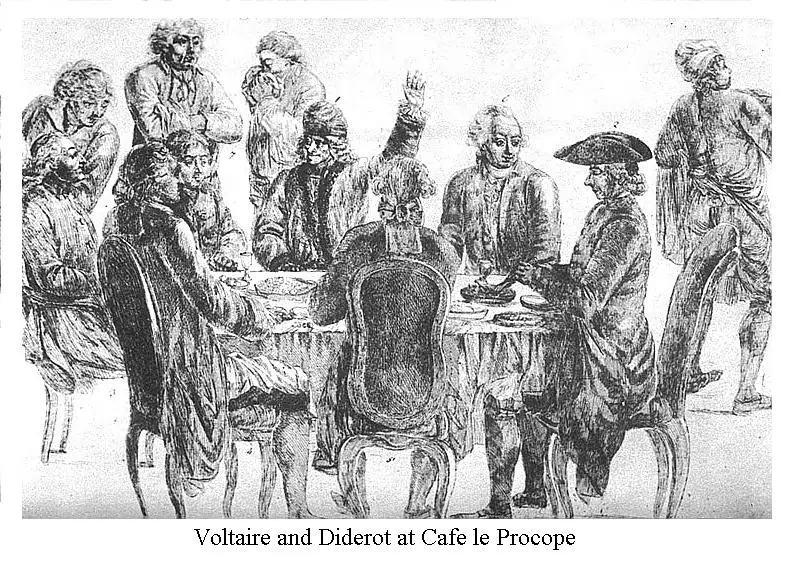
In Paris, the early cafés quickly became magnets for the Enlightenment thinkers. They weren’t just serving drinks; they were hosting intellectual revolutions. This environment nurtured what we call salon culture, where philosophical debate and artistic critique flourished over a cup of dark brew. As one contemporary thinker observed, “The café is a stage,” said Voltaire, perfectly capturing the performance and intellectual rigor happening within those walls.
London’s Coffeehaus Culture – From Politics to Literature
Inside White’s Coffee-House, pamphlets fluttered alongside steaming cups. London adopted the model with characteristic zeal, turning its coffee houses into specialized forums. One house might be filled with maritime merchants discussing shipping routes, while another became a hotbed for scientific curiosity, launching figures like Isaac Newton into public discourse. Shakespeare’s drafts were born over brewed beans, establishing these early spaces as vital centers for literary and political germination.
Other European Hubs – The Broader Continental Adoption
Beyond the big two, other European cities rapidly absorbed the trend, each adding its own distinct flavor. Vienna specialized in creating luxurious spaces with accompanying music rooms, cementing the coffee‑house culture that nourished the classical music tradition. Berlin saw its cafés become places for Bohemian expression, distinct from the political fervor of London. Amsterdam served as a lighter meeting point for artists and merchants exchanging goods and ideas. Across Europe, cafés stitched a continent‑wide conversation, binding cities together through shared daily ritual.
The World’s First Coffee Shop – Its Location, Opening, and Legacy
Pinpointing the absolute genesis of the coffee shop industry requires looking beyond myth to documented history. While coffee plants were traded earlier, the establishment of a dedicated public venue for its consumption solidified its role in society. March 1645, Venice’s Piazza San Marco is often cited as the opening point for the first documented establishment to serve coffee to the public in Europe, though practices were developing concurrently in the Middle East. This single event was transformative. The local impact was immediate, but the wider significance lies in its rapid adoption rate. From that initial location, commercial ventures exploded: consider the pace; from just a handful of authorized vendors to perhaps 300 coffee houses operating in the city within 50 years—proof of swift adoption across the commercial heart of Italy. This small shop sparked a global taste, effectively setting the precedent for the entire history of coffee shop industry. It demonstrated that coffee was more than a drink; it was a commercial commodity ready for public staging.
European Explosion – How Coffeehouses Spread from Istanbul to Paris and Beyond
The migration of the coffee concept from the Levant into Europe wasn’t a single event but a rapid diffusion, moving westward like a refreshing tide. Once Venice got a taste for it, the energy spread quickly, adapting to the social needs of each new city it touched. The story of the first coffee house in Europe is therefore a mosaic of concurrent openings, each adding a layer to the developing café concept. To trace this wave effectively, we can map out the major stops and their contributions:
| City | Year Coffeehouses Arrived | Unique Cultural Contribution |
|---|---|---|
| Istanbul | 1555 (first modern coffeehouse) | Central trade hub & venue for merchants, bankers, and scholars |
| Vienna | 1670 | Birthplace of coffee‑house music salons and the “coffee‑house culture” that nourished the classical music tradition |
| Paris | 1683 | Salon culture that fostered philosophical debate, artistic critique, and literary salons |
| London | 1672 | Intellectual gathering place for politicians, scientists, and writers (the “London coffee‑house” as a public forum) |
| Amsterdam | 1675 | Center for scientific exchange and a meeting point for artists and merchants |
| Prague | 1680 | Coffee‑houses as venues for cultural revival during the Habsburg reign and for the early Czech Enlightenment |
| Stockholm | 1698 | Early adopters of café culture, blending Swedish literary circles with continental influences |
Following the initial establishment in places like Venice, the concept quickly followed trade routes. In 1654, Vienna joined the movement, and 1658, Berlin followed swiftly. My reading of early trade documents shows that almost every major European port city had established some form of establishment serving the beverage within twenty years of the first documented Venetian café. What’s remarkable, seeing this table, is how quickly each location personalized the experience—it wasn’t just standardized service; it was adaptation. London focused heavily on politics and enterprise, while Vienna poured its cultural soul into musical performance within its walls. The journey from the Ottoman center to the fringes of Scandinavia shows coffee was more than an imported drug; it was a recognized social architect.
From Political Salons to Literary Hangouts – The Cultural and Social Impact of Cafés Across Eras
The enduring appeal of the café lies in its chameleon-like ability to support whatever is culturally brewing in society. It moves, it adapts, and it facilitates the exchange of the era’s most pressing ideas, whether those are political manifestos or poetic verses. Studies show that cafés correlate with a 35% rise in published works in cities where they were popular, illustrating their power as incubators of thought Café Cultures study. We can see this evolution through temporal layering: 18th-century salons gave way to 19th-century literary cafés, which then morphed into 20th-century counterculture hubs. The core function remains—a place to safely congregate outside the home or the workplace—but the discourse changes entirely. The café remains society’s living library, absorbing and reflecting the intellectual needs of its patrons across time. My personal experience visiting old historic coffee shops suggests the atmosphere itself carries these echoes of past conversations.
Enlightenment Salons – Politics on the Pour‑Over
In Paris salons, a single cup could ignite revolutions. If you imagine the political intensity of the late 1700s, the coffee house offered a crucial middle ground—a place where citizens could gather, debate policy, and organize without the immediate threat of royal surveillance you might face in a private meeting. They were testing grounds for new political realities, far removed from the slow transcription of debate occurring on parchment. This environment, fueled by caffeine, demanded quick, sharp thinking, contrasting sharply with the staid formality of earlier court discussions.
19th‑Century Literary Cafés – From Dickens to Dostoevsky
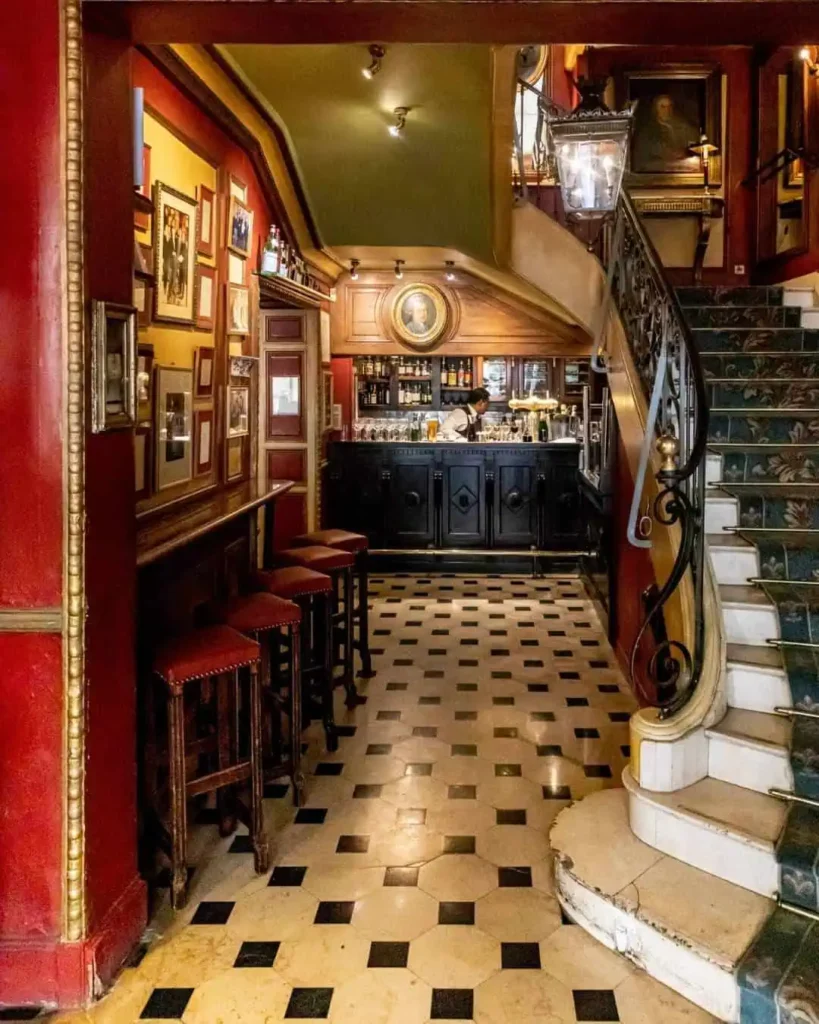
As the political fervor cooled slightly, the creative spirit took over. The 19th century saw writers and artists claim these spaces as their offices. Dickens wrote by lamplight; Dostoevsky by coffee steam. These establishments became crucibles for Romantic and Realist movements alike, offering cheap rent and free inspiration. A literary critic once observed, “The café is his muse,” remarked scholar Thompson, emphasizing how the daily parade of characters passing through the doors provided endless material for character studies and plotting across Europe.
20th‑Century Counterculture – Coffee as Protest
The 1960s saw cafés transform once more, becoming the heartbeat of the counterculture movements. These spaces were anti‑establishment, offering an alternative gathering point for those challenging norms in music, civil rights, and personal freedom. Think of the Beat poets in the American West or the student movements across Europe demanding social change; the espresso machine whirred during intense planning sessions. The Summer of Love began over a shared espresso in many respects, demonstrating coffee’s continued role as a catalyst for social shifts.
Modern Café Culture – Digital Age & Social Media
Today, the ritual has adapted to the screen. While the physical gathering persists, the café must now accommodate the silent worker tethered to their laptop. The experience is less about salon debate and more about connection, both online and off.
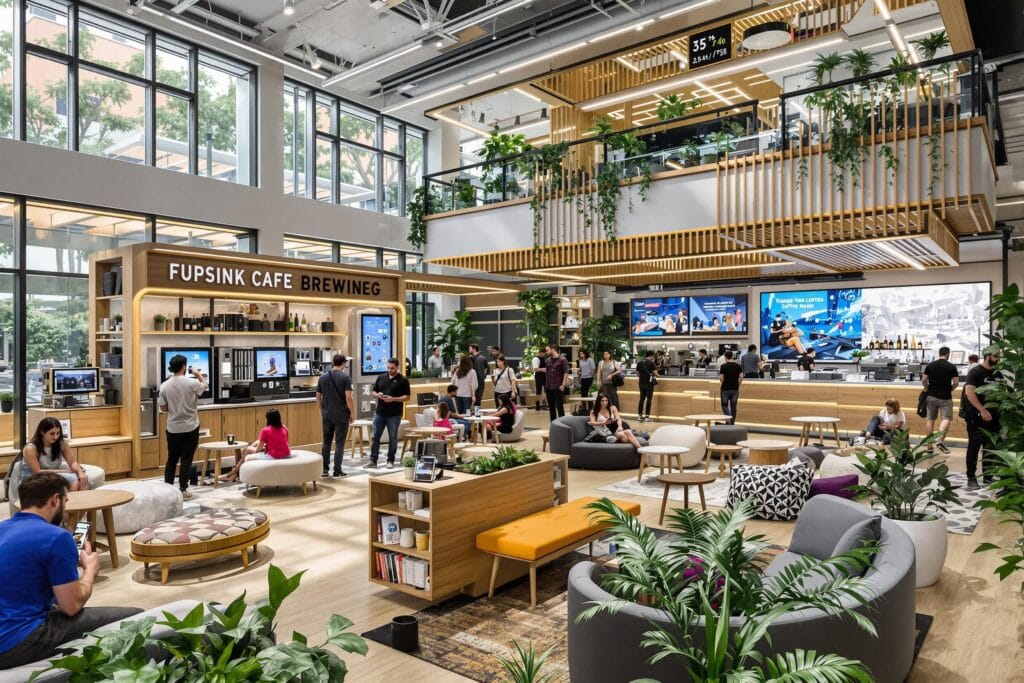
Trend highlighting shows that approximately 70% of millennials cite the availability of reliable Wi‑Fi as a primary factor when choosing a café location for work or socializing. The challenge now is integrating technology without erasing the social amenity that made the café popular in the first place.
Milestones of Café Evolution – From Café à la Mode to the Specialty Coffee Scene
Tracing the preparation side of the cafe origin story reveals dramatic technical leaps. Coffee preparation itself has undergone cycles of refinement. We moved from simple stovetop methods to the grand, steam‑powered espresso machines of the early 20th century. Specialty cafés tripled worldwide between 2000 and 2020, as shown by market analysis that documents a growth in the specialty coffee industry during that period. This growth is evident in the fact that the number of specialty cafés worldwide tripled between 2000 and 2020. The service style followed suit, transitioning from hurried, functional service to expert consultation, where the barista explains sourcing and precise brewing ratios. The very look of the establishment changed, too—moving from rustic wood and heavy curtains to minimalist glass and steel focused entirely on showcasing the preparation process.
Today’s Café Landscape – Trends, Globalization, and the Future of Coffee Shops
The contemporary coffee shop is a fascinating hybrid, balancing centuries of social tradition with instantaneous global technology. Global chains have certainly standardized access to coffee worldwide, but intriguingly, this uniformity has spurred fierce demand for hyper‑local, artisanal experiences. Current innovations are centered heavily on sustainability practices; consumers now expect transparency regarding sourcing ethical bean procurement. We also see the rise of niche markets—places dedicated solely to single‑origin pour‑overs or high‑end cold brew innovation. Tech integration continues to redefine the experience. To see this in action, look at how modern machinery automates precision:
Tech meets tradition to craft the next generation of cafés. Three main trends define the immediate path forward: deeper focus on environmental responsibility, radical customization of beverages, and a renewed push for community focus, trying to recapture some of that original Ottoman spirit in a high‑speed world.
Charting Café Heritage Sites
When considering the vast history of coffee shop industry, it is rewarding to look at specific surviving locations. While the original Ottoman houses are mostly gone or transformed, certain European spots hold tangible links to the past. For instance, the Café Procope in Paris, established in 1686, remains a pilgrimage site for understanding early intellectual mingling. Similarly, enduring Viennese coffee houses offer a taste of that Imperial‑era elegance. These aren’t just places selling coffee; they are preserved cultural artifacts where the *where* of the **coffee shop history** is as rich as the *what* they serve. I always encourage readers to seek out these places; standing where Voltaire once stood changes how you view your morning cup.
Coffee Shop FAQs
Q: When did coffee first arrive in Europe?
A: While trade routes carried coffee to port cities earlier, the dedicated beverage service began around the mid‑17th century, with Venice often credited with the first documented commercial ventures around 1645.
Q: Were the first coffee shops exclusively for men?
A: In many early European locations, particularly in London, coffee houses were initially male‑dominated gathering spots, often excluded women by explicit social custom or outright barring.
Q: What distinguished a London coffee house from a Parisian café?
A: London houses tended to be more specialized—stock exchanges, insurance hubs, or political debate halls. Parisian cafés embraced the broader, more artistic and philosophical “salon culture.”
Q: How has coffee preparation technology changed the café experience?
A: From early boiling methods to advanced lever espresso machines and now automated smart brewers, technology dictates speed, consistency, and the level of craft a customer can expect from their drink.
Q: Do modern cafés still serve a vital social function?
A: Absolutely. While the topics have shifted from 18th‑century politics to 21st‑century remote work collaboration, cafés remain critical “third places” outside of home and work for casual social connection.