lattes versus mochas comparison
Brewing

Mocha vs Latte: The Chocolate Secret That Changes Everything

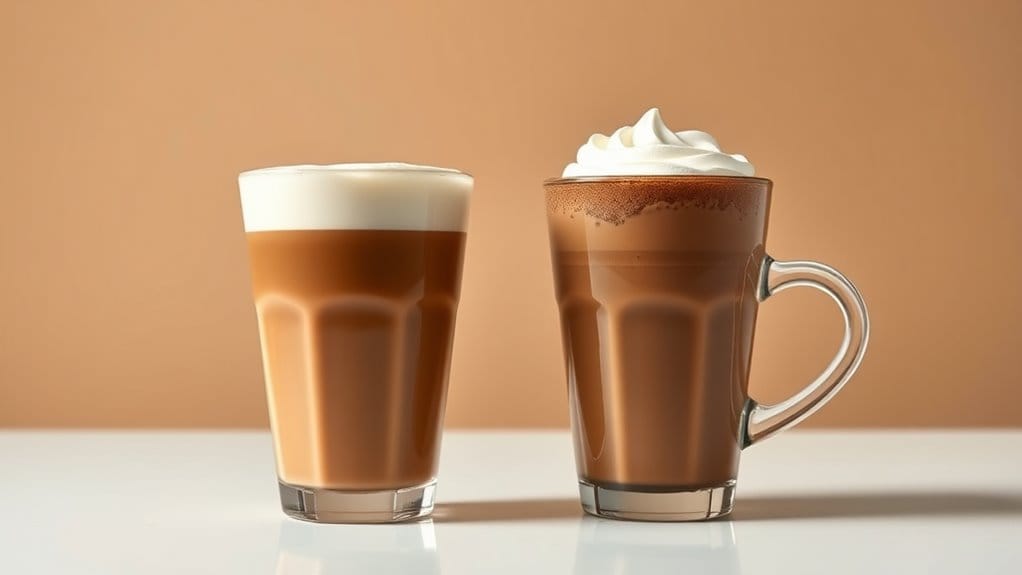
The main difference between a mocha vs latte is the inclusion of chocolate in the mocha. A latte is espresso and steamed milk, while a mocha adds chocolate syrup or powder to that base. This fundamentally shifts the flavor profile from creamy and subtle to rich and dessert-like. Read on to explore the details of both iconic coffee drinks.

Mocha vs Latte: The Chocolate Secret That Changes Everything Read More »
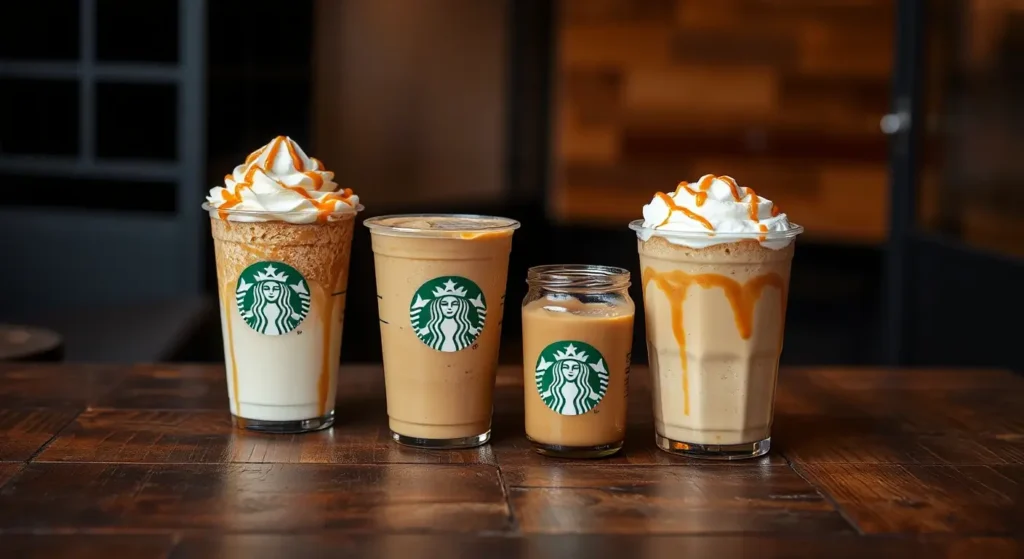
A variety of caramel coffee drinks at Starbucks, including lattes, cappuccinos, and macchiatos
Brewing

Your Last Caramel Drink Comparison: Find Your Perfect Match in 2 Minutes

The best caramel coffee drink Starbucks offers balances sweetness, coffee intensity, and texture according to your preference. Options range widely, from the layered Macchiato to the dessert-like Frappuccino. Key factors include syrup choices, milk content, and espresso layering. Read on to discover personalized recommendations for your next Starbucks visit.

Your Last Caramel Drink Comparison: Find Your Perfect Match in 2 Minutes Read More »

espresso shot ounce measurement
Brewing

Espresso vs Ristretto Smackdown: Which Bold Shot Wins Your Morning?

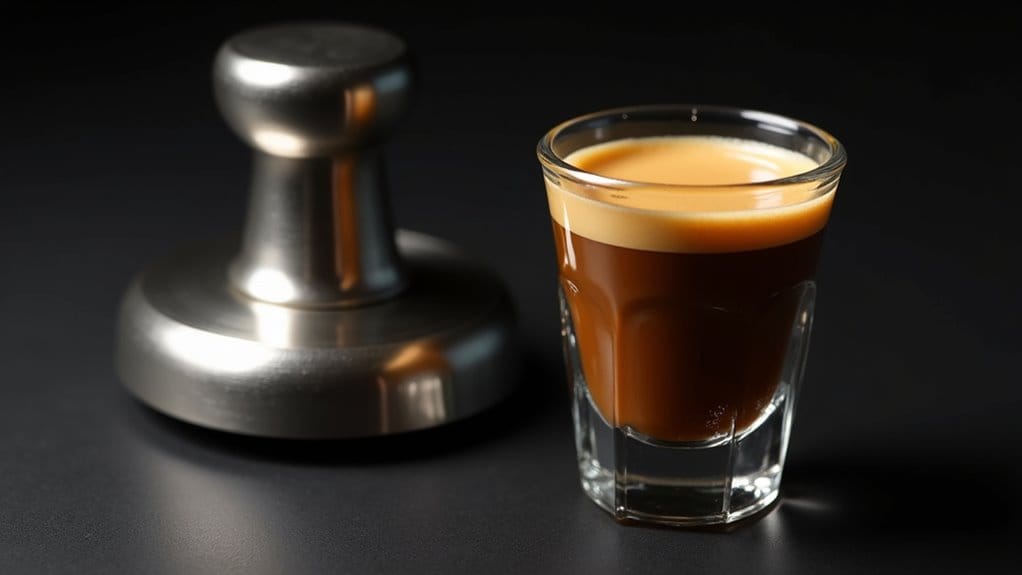
The fundamental difference between espresso versus ristretto lies in extraction time and water volume: ristretto is a shorter pull emphasizing initial sweetness, while espresso is a full extraction yielding balanced flavor. Ristretto yields less liquid (approx. 0.75 oz) in 15-20 seconds versus espresso’s 1-2 oz in 25-30 seconds. Read on to discover which method elevates your chosen coffee bean.

Espresso vs Ristretto Smackdown: Which Bold Shot Wins Your Morning? Read More »

Dunkin' Churro Latte review, dunkin churro latte taste, churro latte dunkin
Brewing

Skip the Line: What Dunkin’s Churro Latte Actually Tastes Like

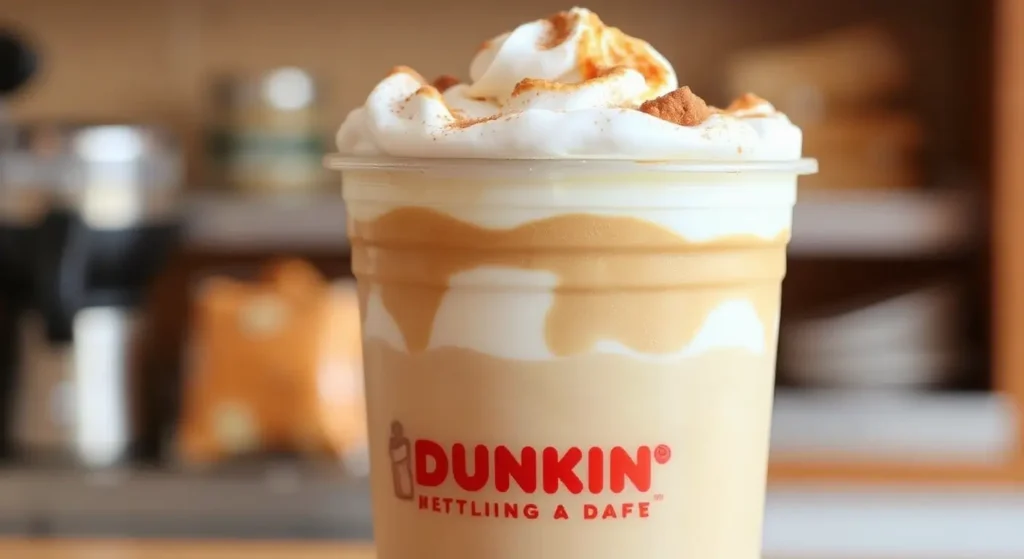
The Dunkin’ Churro Latte is a limited-time espresso beverage built on coffee and milk, flavored intensely with a specialized syrup mimicking the cinnamon-sugar coating of a churro pastry. It targets sweet-tooth enthusiasts seeking a dessert-forward coffee experience during its seasonal run. Read on to discover its complete flavor breakdown and comparison to other Dunkin’ favorites.

Skip the Line: What Dunkin’s Churro Latte Actually Tastes Like Read More »

A latte with a question mark, representing the debate about whether lattes are hot or cold.
Brewing

Hot or Cold Latte Secret: Never Order Wrong Again

By definition, a traditional latte is served hot, made by pouring steamed milk over espresso. The defining characteristic relies on the velvety microfoam created by heating milk to 140–155°F. Cold variations fundamentally change the texture. Read on to explore hot vs. cold preparations and seasonal preferences.

Hot or Cold Latte Secret: Never Order Wrong Again Read More »

coffee roasting process explained
Coffee Roasting

What Is Coffee Cycle Roasting?

Coffee cycle roasting is a multi-stage process that transforms green beans by first drying them, followed by a critical browning stage where sugars caramelize around 200°C. These key phases—drying, browning, and caramelization—are vital for developing the final flavor profile. Read on to discover the importance of each phase for high-quality beans.

What Is Coffee Cycle Roasting? Read More »

dark roast caffeine content
Health

Does Dark Roast Coffee Have Less Caffeine?

Dark roast coffee does not inherently contain more caffeine than light roast when measured by weight, debunking a common coffee myth. Light roasts often have higher caffeine per scoop because they are denser. Caffeine stability during roasting keeps levels largely consistent. Read on to discover the critical role of extraction and brewing factors.

Does Dark Roast Coffee Have Less Caffeine? Read More »

caffeine content in roasts
Health

Does Light Roast Coffee Have More Caffeine?

Contrary to popular belief, light roast coffee often contains more caffeine than dark roast when measured by volume due to denser, smaller beans. The roasting process causes minimal dehydration, keeping caffeine levels stable across roasts. Measuring by weight ensures accuracy. Read on to discover the science behind roast levels and brewing methods.

Does Light Roast Coffee Have More Caffeine? Read More »

Hyper-realistic 3D rendering comparing caffeine content between light and dark roast coffee beans
Health

Which Coffee Roasts Have the Most Caffeine? The Scoop vs. Scale Truth

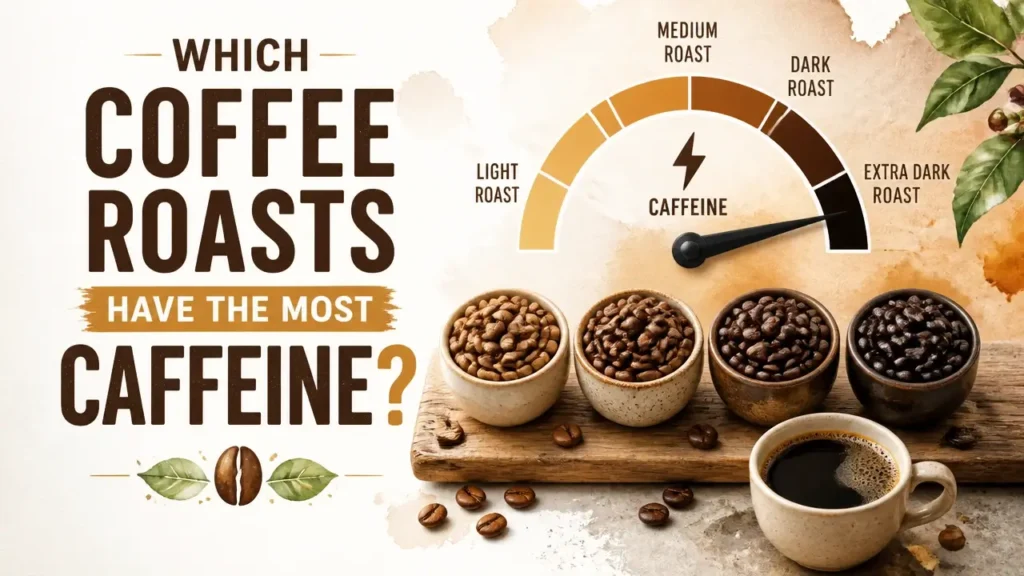
Coffee roasts do not destroy caffeine — caffeine stability through heat means nearly 100% survives from green coffee beans to your cup, yet roast level transforms bean density so dramatically that we must rethink everything about dosing. Whether you measure by tablespoon or gram scale, that single choice flips which roast actually delivers more caffeine per serving.

Which Coffee Roasts Have the Most Caffeine? The Scoop vs. Scale Truth Read More »

acidity comparison dark vs light
Health

Is Dark Roast Coffee Less Acidic Than Light Roast Coffee?

Dark roast coffee generally has lower perceived acidity compared to light roasts because the extended roasting process reduces chlorogenic acids. This chemical shift results in a smoother taste profile, often feeling gentler on the stomach. Read on to uncover the science behind your perfect brew.

Is Dark Roast Coffee Less Acidic Than Light Roast Coffee? Read More »

coffee roast flavor profiles
Brewing

Types of Coffee Roasts – 3 Simple Profiles

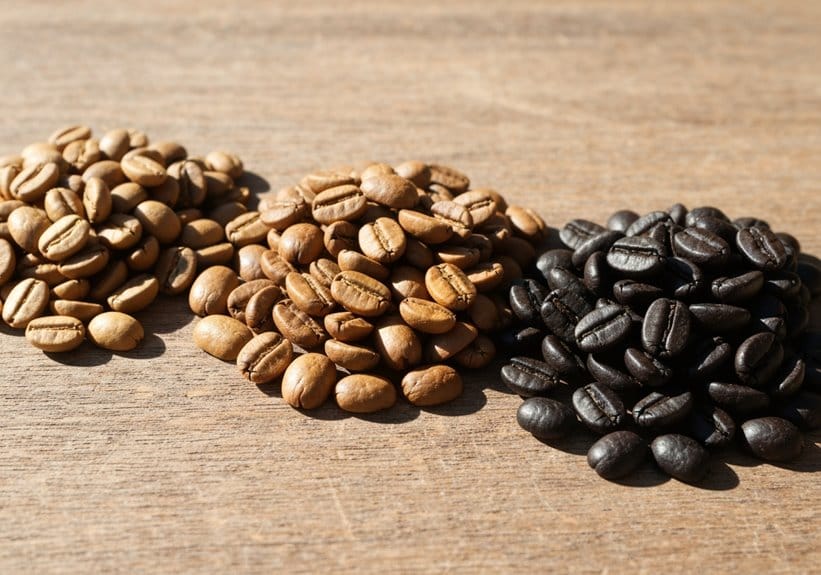
There are three primary coffee roasts: light, medium, and dark, each offering distinct flavor profiles, caffeine levels, and textures. Light roasts are fruity with higher caffeine, medium roasts are balanced with caramel notes, and dark roasts are bold and bittersweet. Read on to discover how these roasting levels impact your coffee experience.

Types of Coffee Roasts – 3 Simple Profiles Read More »

lightly roasted coffee flavor
Coffee Roasting

What Is Blonde Roast Coffee?

Blonde roast coffee is a distinct, light roast characterized by a short roasting time at lower temperatures, resulting in a golden hue and dry appearance. This process highlights fruity, floral notes and preserves significant caffeine, often reaching about 95 mg per cup. Read on to explore its flavor profile and market appeal.

What Is Blonde Roast Coffee? Read More »

Scroll to Top