Pham Toan

Pham Toan is a veteran barista and café owner who has been shaping coffee experiences since 2017. Driven by an exhaustive approach to the beverage, his expertise spans sensory analysis, advanced brewing extraction mechanics, and beverage nutritional data tracking. Through Coffee Factz, Toan bridges the gap between commercial hospitality and rigorous coffee education, creating data-driven guides that map every single corner of the coffee world for global enthusiasts.

Pham Toan - CoffeeFactz Author
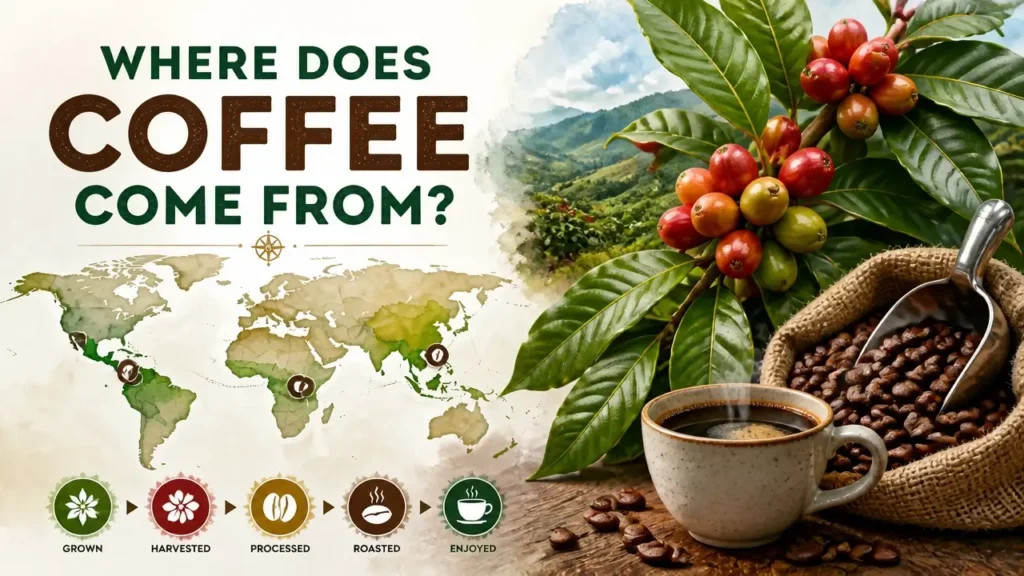
Hyper-realistic 3D magazine cover titled 'Where Does Coffee Come From?' with coffee beans and world map in watercolor texture
Coffee Beans

The Coffee Belt Explained: Where Coffee Grows, Who Grows It, and Why That Map Is Changing

The Coffee Belt wraps the planet in a narrow tropical band between the Tropic of Cancer and the Tropic of Capricorn, where every commercial coffee bean on Earth starts its life. This ribbon of high-altitude land ties an Ethiopian legend to your morning cup, and it’s already shifting under a warming sky.
The Coffee Belt Explained: Where Coffee Grows, Who Grows It, and Why That Map Is Changing Read More »

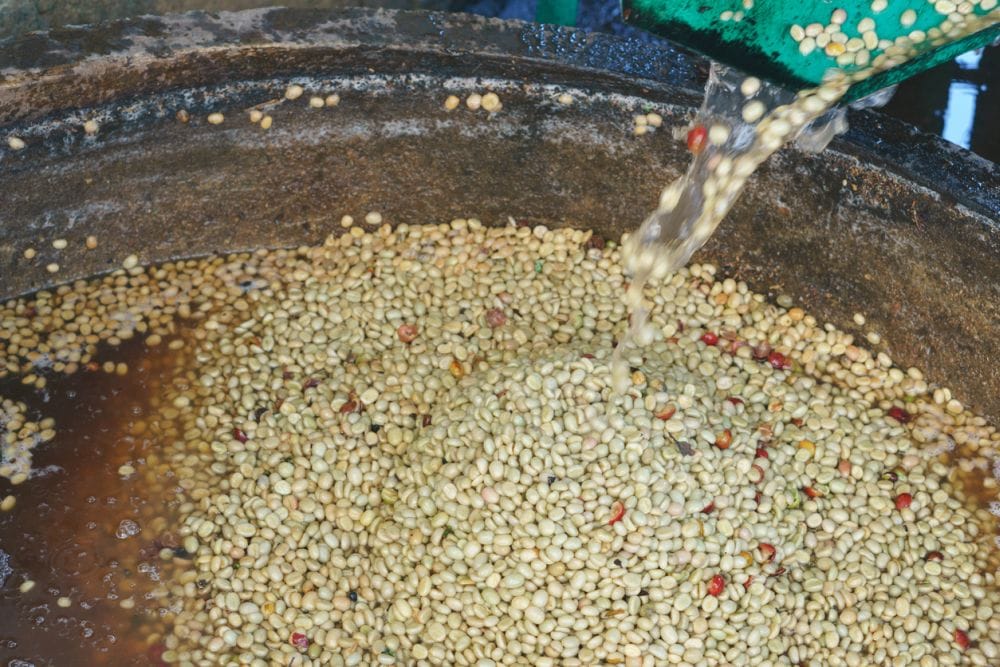
Washed process fermentation tanks in coffee farm to cup journey enhancing flavor clarity
Coffee Beans

What Is Washed Process Coffee and How Does It Affect Flavor?

Washed process coffee is a method where the fruit (cherry) is completely removed from the bean before drying, resulting in a exceptionally clean and crisp taste profile. This wet processing involves sorting, pulping, fermentation, and thorough washing to enhance flavor clarity. Read on for a detailed look at what defines this popular coffee journey.

What Is Washed Process Coffee and How Does It Affect Flavor? Read More »

coffee with fruity flavor
Coffee Beans

What Is Natural Process Coffee and Its Taste?

Natural process coffee is made by sun-drying whole coffee cherries with the fruit intact, a method born from hot, dry climates. This allows fruit mucilage to ferment and infuse the bean with intense fruity and wine-like notes. Read on to discover the history, characteristics, and brewing secrets of this vibrant coffee style.

What Is Natural Process Coffee and Its Taste? Read More »

Learn how to make coffee from beans in 3 steps: fresh beans, grinding, and brewing in a pour-over setup.
Uncategorized

How to Make Coffee From Beans at Home in 3 Simple Steps

Making coffee from beans at home doesn’t require expensive gear or barista training. Three variables control everything: grind size, coffee-to-water ratio, and brew time. Get those right, and a French press or basic drip machine produces a genuinely great cup every single morning.

How to Make Coffee From Beans at Home in 3 Simple Steps Read More »

Black honey processed coffee beans showing rich dark color and sticky honey-like coating on parchment
Coffee Beans

What Is Honey Process Coffee and How Is It Different From Other Methods?

Honey process coffee is a unique method where the outer skin of coffee cherries is removed, but some of the sweet, sticky mucilage remains on the bean during drying. This high sugar concentration caramelizes to create a lively, syrupy flavor profile. Discover the steps and flavor impact of this delightful hybrid process.

What Is Honey Process Coffee and How Is It Different From Other Methods? Read More »

coffee processing method explained
Brewing

What Is Dry Process Coffee and How Does It Work?

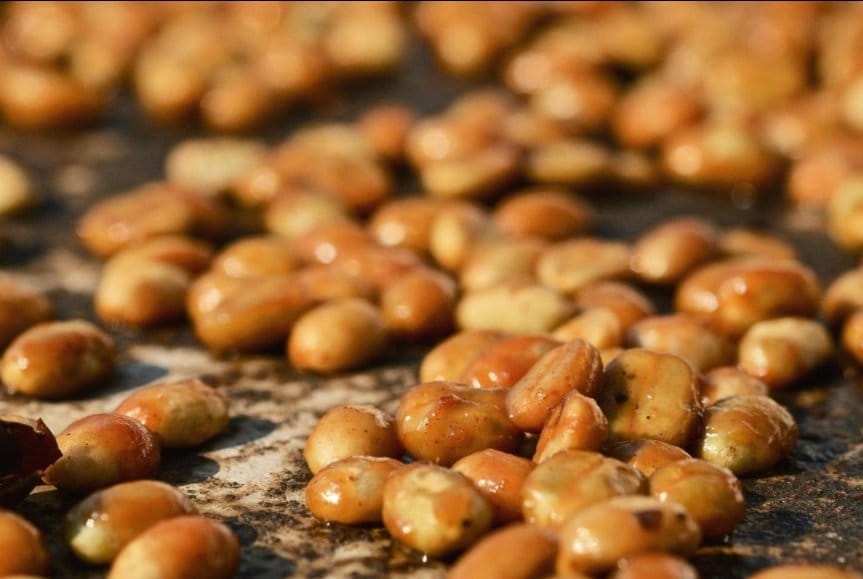
Dry process coffee is the oldest method, where whole coffee cherries are dried naturally under the sun with the fruit left on. This water-efficient technique takes around 3-4 weeks, requiring careful monitoring to avoid mold. The result is a cup known for its heavy body and pronounced sweetness. Read on to explore the workflow and flavor impact of this classic method.

What Is Dry Process Coffee and How Does It Work? Read More »

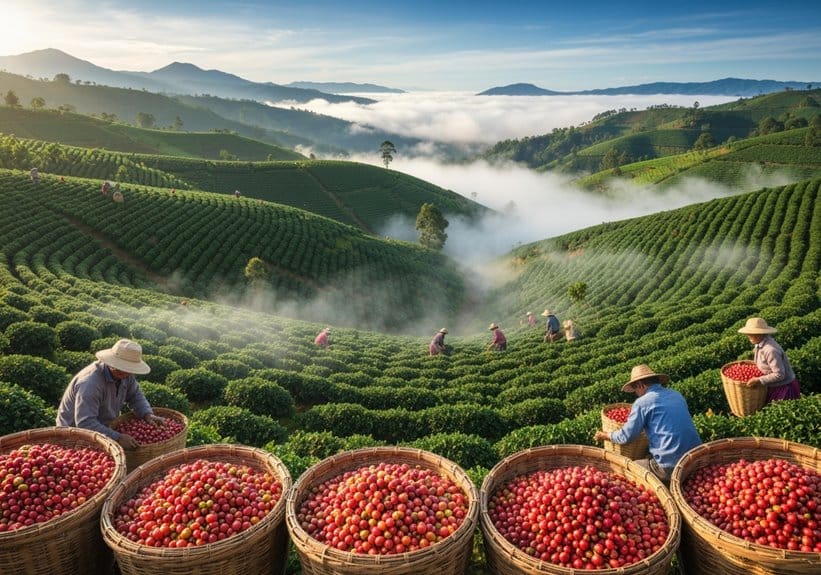
coffee harvesting techniques explained
Coffee Beans

Methods Used in Coffee Harvesting

The primary coffee harvesting methods include selective picking, strip picking, machine harvesting, and the use of handheld vibrating machines like Derricadeiras. Selective picking ensures the highest quality by gathering only ripe cherries, while strip picking gathers all cherries at once. Read on to discover how each method affects bean quality and farmer efficiency.

Methods Used in Coffee Harvesting Read More »

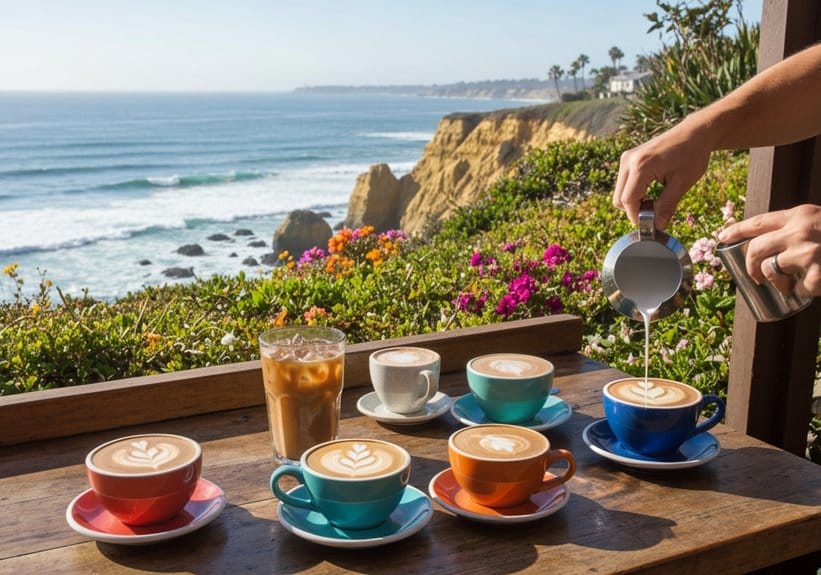
coffee culture in california
History & Culture

5 Reasons California Is the Ultimate Coffee Destination

California households lead the U.S. in coffee spending, making it a major hub for java enthusiasts. This high demand fuels a thriving specialty coffee scene and innovative farming techniques. Discover the secrets behind California coffee culture and spending habits now.

5 Reasons California Is the Ultimate Coffee Destination Read More »

Honey processed coffee beans with sticky mucilage intact during farm to cup journey
Coffee Beans

10 Facts About Black Honey PROCESS Vs Yellow Honey PROCESS

Black Honey and Yellow Honey differ primarily in mucilage retention, resulting in vastly different flavor profiles. Black Honey retains 75-100% mucilage, leading to intense, jammy sweetness, while Yellow Honey retains only 25-50%, offering lighter, floral notes. Drying times vary significantly between the two methods. Read on to discover the nuances of these processing techniques.

10 Facts About Black Honey PROCESS Vs Yellow Honey PROCESS Read More »

global coffee export leaders
History & Culture

Top 10 Coffee Exporting Countries Worldwide

The biggest players in global coffee exports are led by Brazil, which moves an astounding 42.96 million bags annually. Following closely are Vietnam and Colombia, each contributing significant volumes of robusta and Arabica beans, respectively. Understanding these key figures reveals the dynamics of the worldwide coffee trade. Read on to discover more about these essential exporting nations.

Top 10 Coffee Exporting Countries Worldwide Read More »

current coffee consumption trends
History & Culture

Analyzing the Latest Coffee Consumption Statistics

Global coffee consumption is rapidly growing, with the worldwide market projected to hit US$473.10 billion by 2025. Regions like the U.S. Northeast average nearly two cups daily, while Gen Z influences customized options. Read on to discover key industry shifts and demographic insights.

Analyzing the Latest Coffee Consumption Statistics Read More »

Scroll to Top