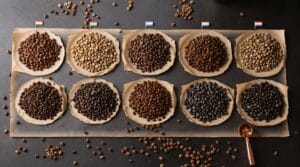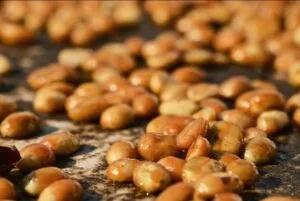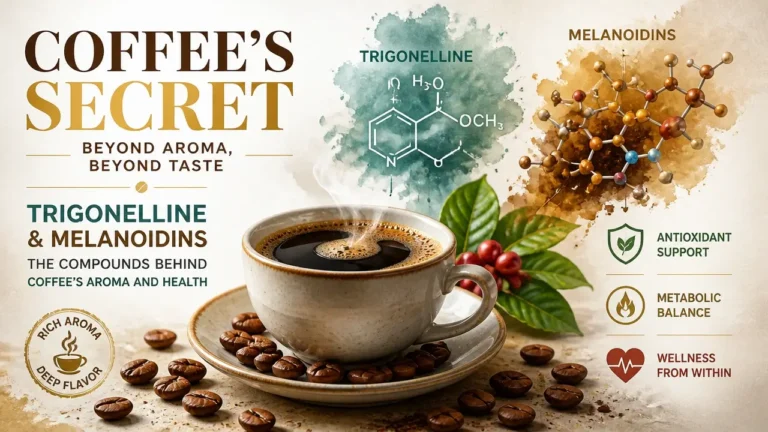

Thermally reactive trigonelline and melanoidins are not background chemistry – they are the primary architects of everything a roaster controls and everything a consumer tastes. Melanoidins alone account for 23–25% of the roasted bean’s dry weight, yet their molecular architecture remains only partially resolved. Trigonelline degrades before melanoidins even fully polymerise, seeding the volatile landscape the drinker encounters first.
What makes both compounds professionally consequential is not their abundance but their mechanism. Trigonelline’s thermal breakdown drives the roasted-nut and earthy aroma profile; melanoidins determine body, crema stability, and aroma release – and then continue working in the gut. The science is mature in chemistry, contested in physiology, and almost entirely absent from honest consumer communication.
Beyond these sensory and digestive mechanisms, emerging research demonstrates that regular consumption can significantly enhance brain function and health, particularly for aging populations.
While thermal chemistry dictates these foundational flavor compounds at sea level, exploring high altitude bean science reveals how mountain growing conditions fundamentally alter precursor accumulation long before the roast ever begins.
What Melanoidins Are and How They Form in Coffee
Brown, nitrogen-containing melanoidins are high-molecular-weight polymers built exclusively through the Maillard reaction – the condensation of reducing sugars with free amino acids in the presence of polysaccharide scaffolds, proteins, and chlorogenic acids as structural contributors. That single sentence contains the entire formation logic, but unpacking it reveals why melanoidins are so chemically heterogeneous and why their molecular architecture has resisted complete characterisation for decades.
The Maillard reaction is not a single step. It is a branching cascade of condensations, rearrangements, and polymerisations that accelerates dramatically above 140°C during roasting. Arabinogalactans – the dominant coffee polysaccharides – provide the structural backbone onto which degraded amino acid fragments and chlorogenic acid residues are grafted. The result is not a uniform molecule but a population of polymers spanning a molecular weight distribution of 2–22 kDa, with a high-molecular-weight fraction above 100 kDa accounting for roughly 38% of total melanoidins. Non-protein nitrogen (NPN), derived from amino acids broken down during roasting, is incorporated directly into the polymer matrix, which is partly why standard protein assays misread melanoidin-containing fractions.
Their scale in the cup is easy to underestimate. Melanoidins comprise approximately 23–25% of the roasted bean’s dry weight and 29–30% of brew solids – translating to roughly 1–2 g per day for a regular coffee drinker, a quantity that rivals the melanoidin contribution of bread crust or malt beer in a typical Western diet.
[Statistic]: Melanoidins comprise 23–25% of roasted coffee’s dry weight and 29–30% of brew solids, delivering approximately 1–2 g per daily consumer – data sourced from Jayarr Coffee’s deep-brew research synthesis.
Despite that quantitative clarity, the exact molecular architecture remains genuinely unresolved. Melanoidins are defined more by their formation pathway and broad chemical behaviour – brown colour, nitrogen content, radical-scavenging capacity, resistance to enzymatic digestion – than by any confirmed repeating structural unit. This is not a gap in the literature waiting to be filled; it reflects the inherent complexity of a polymer class assembled from dozens of precursor species under dynamic thermal conditions.
Maria Dolores del Castillo, Senior Scientist and Head of the Food Bioscience Group at the Spanish National Research Council (CSIC), has described coffee melanoidins as macromolecules with multiple health-promoting properties – including antioxidant, anti-inflammatory, dietary fibre-like, and prebiotic capacities – that simultaneously exert significant influence on the sensory profile and consumer acceptance of the beverage. What that framing usefully signals to the professional is that melanoidins are not inert browning pigments. They are structurally active, biologically interactive polymers whose behaviour in the cup and in the body depends on which fraction is dominant – a question answered almost entirely by roast degree.
Trigonelline: The Aroma Precursor Hidden in Plain Sight
Thermally labile trigonelline, a pyridine alkaloid present at 0.5–1% in green Arabica and up to 2% in Robusta, is the second-most abundant alkaloid in coffee after caffeine – and the one whose degradation most directly shapes the roasted aroma profile. While caffeine survives roasting largely intact, trigonelline begins degrading around 160°C, which means it is already being consumed before melanoidin polymerisation reaches its peak intensity.
The primary degradation pathway is demethylation to nicotinic acid (niacin), but the aroma-relevant products are the volatiles released alongside it: pyridines, pyrroles, and alkyl-pyrazines. These are not trace compounds. Trigonelline-derived pyridines are central contributors to the “roasted” character that distinguishes coffee from its green-bean precursor, producing sensory descriptors that range from nutty and earthy in medium roasts to sweet-caramel and, at very dark roast levels, an acrid or ashy bitterness as pyridine species further degrade into tar-like products.
This places trigonelline in a distinctly different functional category from chlorogenic acids. Chlorogenic acid degradation contributes phenolic, astringent, and sour notes; trigonelline degradation contributes the dry, roasted-nut and earthy dimension. Both are happening simultaneously, but their sensory contributions do not overlap – they layer.
Professor Isabel M. P. L. V. O. Ferreira of the University of Porto has documented that trigonelline loss is strongly dependent on roast degree and is directly coupled to nicotinic acid formation – but critically, her work also demonstrated that compounds behave differently in their native coffee matrix versus in artificial mixtures, highlighting the chemical environmental influence of the full bean system. That finding has a direct professional implication: predicting trigonelline-derived aroma from single-compound models will always underestimate the interaction effects present in a real roast.
For green buying, the Robusta variable is worth taking seriously. Blends with elevated Robusta content, or Arabica cultivars that have been selected for higher trigonelline, can be used to deliberately amplify roasted-nut and earthy character without pushing roast degree into the range where other degradation products become problematic. Conversely, a low-trigonelline Arabica at a light-to-medium roast will express floral and fruity esters more cleanly – not because those esters are more abundant, but because the competing pyridine signature is quieter.
The Sensory Signature of Melanoidins: Colour, Body, Crema, and Aroma Binding
Surface-active melanoidins, with their high-molecular-weight polysaccharide backbone, are responsible for four of the most commercially significant sensory attributes in brewed coffee: roast colour, body and mouthfeel, espresso crema stability, and the temporal release profile of volatile aroma compounds. These are not independent contributions – they arise from the same structural properties operating at different physical scales.
Roast Colour and the Maillard Accumulation Gradient
Roast colour directly tracks melanoidin accumulation. As the Maillard reaction progresses through light, medium, and dark roast profiles, the increasing concentration and polymerisation state of melanoidins produce the familiar spectrum from pale amber to near-black. This is not a cosmetic relationship – colour is a proxy for melanoidin load, and melanoidin load predicts both the sensory intensity and the biological activity of the brew.
How the Polysaccharide Backbone Builds Body
The polysaccharide backbone of melanoidins functions as a dissolved thickening agent in the brew, increasing viscosity and generating the perceived weight and coating sensation described as body or mouthfeel. The mechanism is directly analogous to soluble dietary fibre – long-chain polymers in solution resist flow and create a physical impression of density that water alone cannot produce. High-molecular-weight melanoidins, which predominate in darker roasts, have longer polysaccharide chains and more cross-linked protein fragments, making them more effective body-builders than the smaller melano-chlorogenic complexes that dominate lighter roasts.
Espresso Crema Stabilisation and the Viscoelastic Film
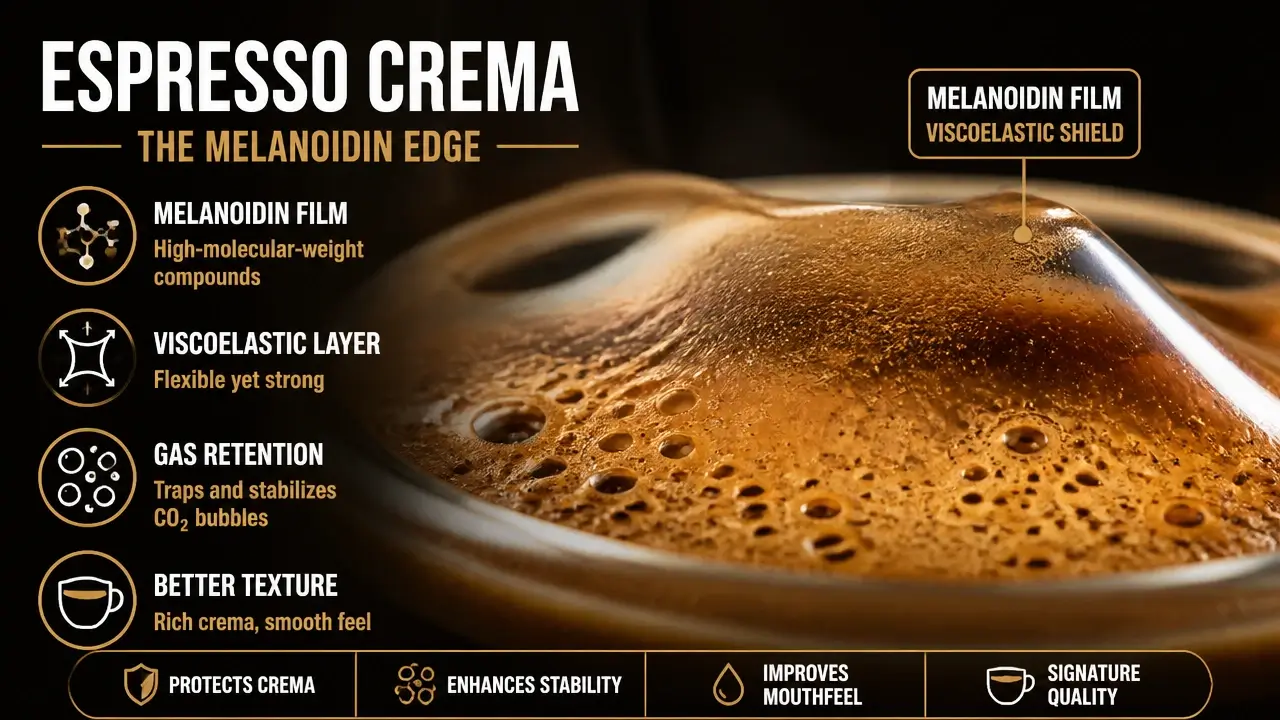
Melanoidins stabilise espresso crema by acting as surface-active polymers at the gas-liquid interface. During extraction under pressure, CO₂ is released from the coffee matrix; melanoidins migrate to the surface of these gas bubbles and form a viscoelastic film that resists coalescence and drainage. Without a sufficient melanoidin load – as in very light roasts or under-extracted shots – the crema is thin, dissipates rapidly, and lacks the persistent foam structure associated with well-developed espresso. This is a physical chemistry problem, not an extraction technique problem.
Here is a visual illustration of how melanoidin structure supports crema formation at the gas-liquid interface:
The Aroma-Binding Function and Release Dynamics
Melanoidins physically entrap volatile aroma compounds – including the trigonelline-derived pyridines discussed in H2-2 – during roasting and within the brewed liquid, then release them in a concentration- and temperature-dependent manner. This means melanoidins are not just a background matrix; they are the primary modulator of when and how intensely the drinker perceives aroma, from the first nose on the cup through to the retronasal finish.
Professor Thomas Hofmann, Professor of Food Chemistry and Molecular Sensory Science and President of the Technical University of Munich, has shown through stable isotope analysis that volatile thiols – including the key roasted-coffee marker 2-furfurylthiol – decline measurably as they covalently bond to melanoidins in the presence of pyrazinium radical cations. This covalent binding is not simply adsorption; it is a chemical transformation that permanently removes certain volatiles from the headspace, which has direct implications for staling kinetics and for why the aroma profile of a dark-roast espresso shifts differently over time than a light-roast filter. The distinction between trigonelline as a volatile-generating source and melanoidins as the vehicle and regulator of those volatiles is the mechanistic frame that makes roast-degree decisions legible.
Health Claims Examined: Antioxidant, Antimicrobial, and Prebiotic Potential
Biologically active melanoidins have accumulated a substantial list of attributed health functions in the scientific literature – antioxidant (radical scavenging, lipid peroxidation inhibition), antibacterial (particularly against Gram-positive oral streptococci and Gram-negative pathogens), anticariogenic, anti-inflammatory, antihypertensive via ACE inhibition, and prebiotic through colonic fermentation to short-chain fatty acids (SCFAs). The list is real. The evidentiary tier behind most of it is not what a health claim requires.
To contextualise these biochemical pathways within a broader wellness framework, consult the definitive health guide for a comprehensive examination of coffee’s physiological impacts.
Where the In-Vitro Evidence Sits
The antioxidant and antimicrobial effects are predominantly established in cell-free assays and simulated gastric digestion models, using melanoidin concentrations of 1.5–3 mg/mL for radical scavenging and 2–4 mg/mL for antimicrobial activity. These concentrations are within the range achievable in the gut after regular coffee intake, which is why the extrapolation to human benefit is tempting – but the gut is not a Petri dish, and the gut microbiome transforms melanoidins into secondary metabolites whose activity profile is largely uncharacterised.
Professor Fernando M. Nunes of the University of Trás-os-Montes and Alto Douro has documented that low concentrations of ethanol-soluble melanoidins – at 100 μg/mL – produce a measurable anti-inflammatory effect by reducing LPS-stimulated nitric oxide release, alongside reactive oxygen and nitrogen species quenching. The concentration sensitivity here matters: the anti-inflammatory signal appears at low doses, which is mechanistically interesting, but it has not been replicated in a human intervention model where dose, bioavailability, and metabolic transformation are all operative simultaneously.
The Prebiotic Fermentation Story: The Most Concrete Mechanism
The most mechanistically grounded health claim for melanoidins is their fermentation behaviour in the colon. The high-molecular-weight fraction – comprising 61–87% of total melanoidins – resists digestion in the small intestine and arrives in the colon structurally intact, where it is fermented by gut microbiota to yield SCFAs. The low-molecular-weight fraction (~30%) can cross the intestinal wall and reach systemic circulation, where it may exert the antioxidant and anti-inflammatory effects observed in vitro.
A peer-reviewed in-vitro fermentation study published on PubMed examined the colonic fermentation of a melanoidin-enriched coffee fraction using human fecal microbiota over 48 hours. The melanoidin fraction yielded 22 mM of SCFAs, including acetate, propionate, and butyrate, with a measurable reduction in the acetate:propionate ratio indicating active microbial metabolism. For comparison, the arabinogalactan fraction in the same study produced 63 mM – melanoidins ferment, but less efficiently than the raw polysaccharide precursor. What this confirms is the mechanism: melanoidins reach the colon undigested and are fermented, generating butyrate as a colonocyte fuel and anti-inflammatory mediator. That is the one health claim with direct experimental support, even if the human dose-response relationship remains unestablished.
The antihypertensive mechanism attributed to ACE inhibition is the least supported of the group. The hypothesis involves zinc chelation by melanoidins disrupting ACE activity – a plausible mechanism, but one that has not been confirmed at the receptor level in human tissue. It remains a candidate pathway, not a documented one.
The Dark Roast Equation: Fibre-Like Prebiotics vs. the Proteolysis Trade-Off
Dark-roast melanoidins occupy a genuinely paradoxical position in the health conversation: the same structural properties that make them effective prebiotic fibre candidates also make them potent inhibitors of trypsin, the primary pancreatic protease responsible for dietary protein digestion. This is not a theoretical conflict. Both effects operate at melanoidin concentrations achievable with ordinary coffee consumption, and neither is cancelled out by the other.
The contrast between roast populations starts at the structural level. Light-to-medium roasts maximise melano-chlorogenic complexes – lower-molecular-weight species with intact chlorogenic acid residues that correlate with higher direct antioxidant capacity and sharper, more phenolic sensory notes. Dark roasts yield predominantly highly polymerised, high-molecular-weight melanoidins with longer polysaccharide chains that survive digestion and reach the colon as fermentable substrate. These are not the same compound at different concentrations; they are structurally distinct populations with different biological fates.
The table below maps the functional trade-offs across roast populations:
| Property | Light-to-Medium Roast (Melano-Chlorogenic Complexes) | Dark Roast (High-MW Melanoidins) |
|---|---|---|
| Primary structure | Lower MW, chlorogenic acid residues intact | Highly polymerised, >100 kDa dominant |
| Antioxidant activity | Higher (direct radical scavenging) | Lower direct activity |
| Sensory contribution | Sharp, phenolic, bitter notes | Heavy body, crema persistence |
| Colonic fermentation | Moderate SCFA yield | Higher SCFA yield (prebiotic fibre effect) |
| Trypsin inhibition | Lower | Significant – reduces protein digestibility |
| Net protein nutrition impact | Minimal | Measurable reduction in co-consumed protein digestibility |
The trypsin inhibition data deserves more professional attention than it receives. Water-soluble coffee melanoidins at concentrations present in a normal serving suppress trypsin activity measurably, reducing the intestinal digestibility of co-consumed proteins such as casein. This is not a marginal laboratory artefact – it is a documented physiological effect at real-world doses, and it means that the dark-roast consumer who drinks coffee with a high-protein breakfast is not extracting the same nutritional value from that meal as they would without the coffee.
Professor Vincenzo Fogliano of Wageningen University’s Food Quality and Design Group has proposed that coffee melanoidins likely exert metabolic effects similar to polyphenol-bound dietary fibre in cereals – modulating digestive enzyme activity, influencing oxidative and inflammatory processes in the gastrointestinal tract, and shaping gut microbiota composition. The digestive enzyme modulation language is precise and important: it is not a side effect, it is a structural consequence of how these polymers interact with the intestinal environment. The professional implication is that the “best” roast for health cannot be reduced to a colour on a Pantone scale. It depends entirely on what the consumer is optimising for – antioxidant intake, gut-microbiome support, or protein utilisation – and those three goals do not always point to the same roast degree.
What Coffee Professionals Need to Know: Gaps, Caveats, and a Responsible Way Forward
The science of trigonelline and melanoidins is mature enough to anchor a credible professional narrative and incomplete enough to make overstatement professionally dangerous. Both are true simultaneously, and the framework for communicating about these compounds depends on holding that tension honestly.
Verifiable Facts and Evidentiary Holes in Coffee Melanoidin Science
The verifiable foundation is actually substantial. Trigonelline’s thermal degradation from around 160°C generates the volatile pyridines, pyrroles, and alkyl-pyrazines that are mechanistically responsible for roasted-nut and earthy aroma character – this is established chemistry. Melanoidins are the primary determinants of roast colour, brew body, crema persistence, and aroma modulation – the physical mechanisms are documented. The prebiotic fermentation pathway is supported by direct in-vitro evidence with human fecal microbiota. And the trypsin inhibition effect at real-world doses is one of the most reliably documented biological activities in the literature – a fact that rarely appears in consumer-facing content.
The evidentiary holes are equally real and should be stated explicitly in any professional context. No human clinical trial has tracked a health endpoint – serum antioxidant status, blood pressure, gut microbiota composition, inflammatory markers – specifically attributable to coffee melanoidin intake. Mineral-chelation risks involving Fe³⁺, Cu²⁺, and Zn²⁺ have been identified mechanistically but remain unquantified in terms of clinically meaningful impact at normal consumption levels. And the assumption that coffee is the dominant dietary source of melanoidins is almost certainly exaggerated – bread crust, malt beer, honey, and grilled meats collectively deliver melanoidins in quantities that may rival or exceed coffee’s 1–2 g per day in a typical Western diet. That context does not undermine coffee’s contribution; it does undermine any health narrative built on coffee melanoidins as uniquely potent or irreplaceable.
The current evidence demands candour, not silence. Every antioxidant, anticariogenic, and antihypertensive claim for coffee melanoidins rests on in-vitro or animal models. The one human-relevant risk – trypsin inhibition – is the most reliably documented biological activity in the set. That asymmetry is worth communicating directly.
A Responsible Communication and Roast-Decision Framework
The reframe for marketing language is straightforward once the mechanism is clear. Rather than claiming antioxidant protection or gut health benefits, professionals can accurately state that melanoidins ferment like dietary fibre in the colon to produce short-chain fatty acids, and that trigonelline generates the roasted, nutty aroma compounds that define the sensory identity of specialty coffee. Both statements are mechanistically supported by direct evidence. Neither makes a health outcome claim. Both are more interesting to an informed consumer than a generic antioxidant label.
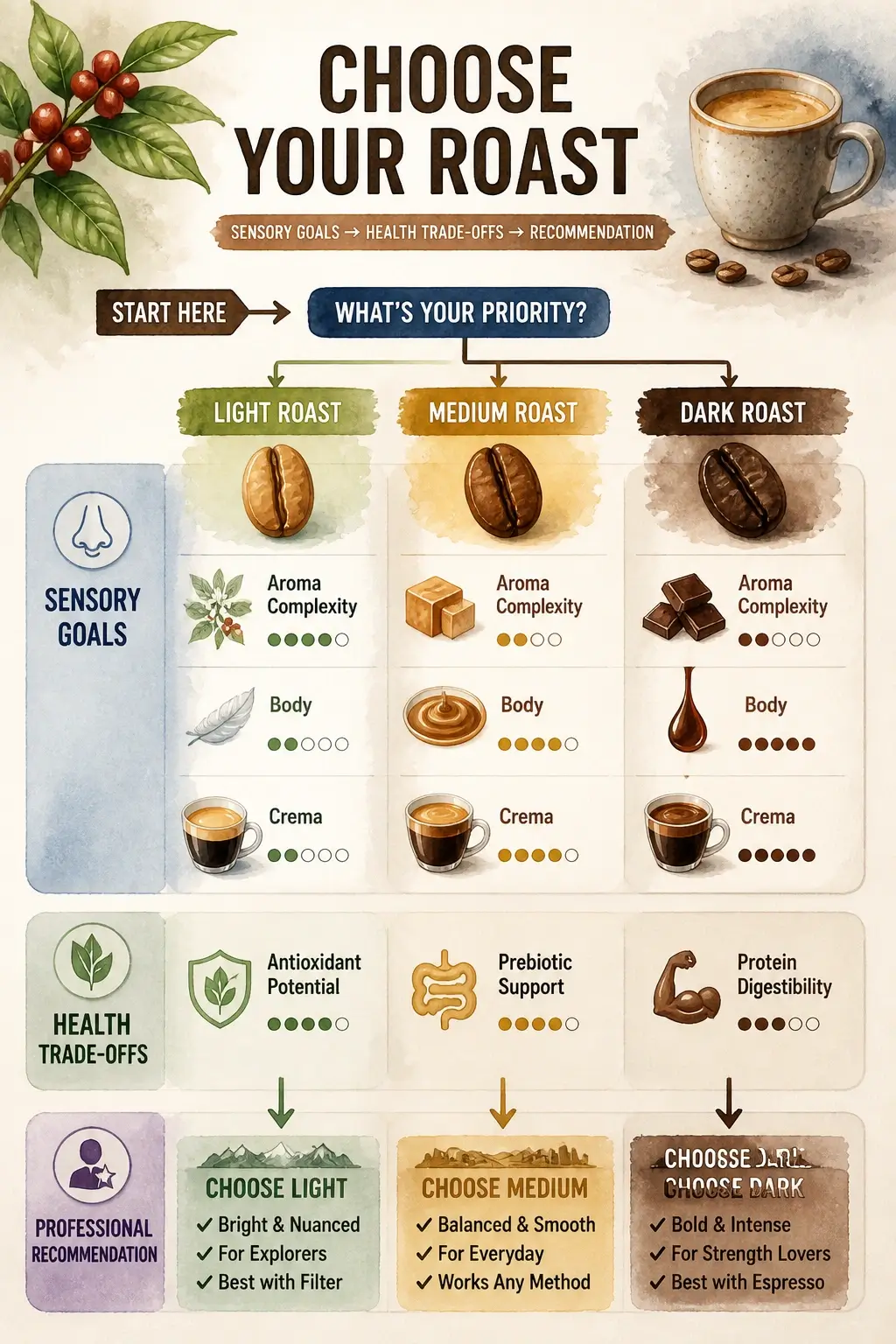
The roast-decision heuristic follows from the same logic. If the target is aroma complexity and clarity – particularly the trigonelline-derived nutty and earthy dimension – the professional imperative is to protect trigonelline from excessive degradation by avoiding roast profiles that push pyridines into acrid tar territory. If the goal is heavy body and crema persistence, a darker profile that maximises high-molecular-weight melanoidin concentration is the right lever – but that decision should be communicated to consumers who drink coffee with protein-rich meals, because the trypsin inhibition trade-off is real and currently invisible to them.
The infographic below maps these roast-decision variables against their primary mechanisms and trade-offs:
The European Food Safety Authority, in its collective reviews on dietary phenolic compounds and their metabolic pathways, has noted that while simulated gastrointestinal digestion followed by gut fermentation is a widely used alternative to clinical studies, no in-vivo step-by-step investigation of melanoidin digestion and fermentation currently exists in the literature. That gap, from one of the world’s most rigorous food safety bodies, is the most authoritative single statement available on where the science actually stands. For the coffee professional, it is also the most useful: it tells you exactly where your communication should stop.
The science of melanoidins is mature in its chemistry and still in its infancy for human physiology. Professionals who stay current with the mechanistic evidence, resist the pull of outcome-level claims, and translate pathways rather than promises will build the kind of credibility that survives the next cycle of wellness trends – because they will never have overclaimed anything that the evidence later has to walk back.
Key Takeaways on Trigonelline and Melanoidins
- Melanoidins form exclusively via the Maillard reaction and comprise 23–25% of roasted coffee’s dry weight and 29–30% of brew solids.
- Trigonelline degrades from around 160°C into volatile pyridines and alkyl-pyrazines that are the primary chemical source of roasted-nut and earthy aroma character.
- Melanoidins physically build body, stabilise crema via a viscoelastic film, and modulate aroma release – these are structural mechanisms, not nutritional ones.
- The most evidence-supported health mechanism for melanoidins is colonic fermentation to short-chain fatty acids including butyrate; all antioxidant and antihypertensive claims rest on in-vitro models only.
- Dark-roast melanoidins inhibit trypsin at real-world doses, measurably reducing the digestibility of co-consumed dietary protein – a trade-off absent from virtually all consumer-facing health communication.
- No human clinical trial has tracked any health endpoint specifically attributable to coffee melanoidin intake; professionals should communicate mechanisms, not outcomes.
Frequently Asked Questions About Trigonelline and Melanoidins
Are coffee melanoidins actually good for you, or is that just marketing?
The honest answer is: probably beneficial in specific ways, but the evidence doesn’t yet support outcome-level claims. The prebiotic fermentation pathway – melanoidins reaching the colon and yielding short-chain fatty acids – is supported by direct in-vitro data with human microbiota; antioxidant and anti-inflammatory effects are real in cell models but unconfirmed in human trials.
What foods contain melanoidins besides coffee?
Bread crust, malt beer, honey, grilled meats, and roasted cocoa all contain melanoidins formed via the Maillard reaction. In a typical Western diet, these sources collectively may rival or exceed coffee’s 1–2 g daily contribution, which means coffee’s health halo around melanoidins is likely overstated relative to overall dietary exposure.
Does coffee’s trigonelline content affect the niacin (vitamin B3) you absorb?
Yes – trigonelline demethylates to nicotinic acid during roasting, so a darker roast converts more trigonelline to niacin, increasing the B3 content of the brew. However, the quantity is modest relative to dietary niacin requirements and is not a clinically significant source for most consumers.
Does coffee melanoidin chemistry affect melanin production in the skin?
No – coffee melanoidins and human melanin are entirely unrelated molecules. Melanoidins are Maillard reaction polymers formed from sugars and amino acids during heat processing; melanin is a tyrosine-derived pigment produced by melanocytes. The shared root word is etymological, not biochemical.
Why does espresso crema collapse faster in light-roast shots?
Light roasts produce lower concentrations of high-molecular-weight melanoidins, which are the surface-active polymers responsible for forming the viscoelastic film that stabilises CO₂ bubbles in crema. Without sufficient melanoidin load at the gas-liquid interface, the foam structure is thinner and drains more rapidly – it’s a physical chemistry limitation, not an extraction error.
Should I avoid drinking coffee with a high-protein meal?
The trypsin inhibition data suggests that dark-roast coffee consumed alongside protein-rich foods may reduce the digestibility of that protein, but the magnitude of the effect in real eating conditions hasn’t been quantified in a human trial. It’s worth flagging to consumers who are actively managing protein intake – athletes, older adults – rather than treating it as a universal concern.
Why does the aroma of dark-roast coffee change faster after grinding than light roast?
Dark-roast melanoidins covalently bind volatile thiols like 2-furfurylthiol during roasting, but this binding is dynamic – post-grinding surface exposure accelerates release and subsequent oxidative loss. Light roasts retain more free volatiles that dissipate quickly; dark roasts release bound volatiles more slowly but lose the specific thiol compounds that define fresh roasted character at a faster rate once the cell structure is broken.
At what roast point does trigonelline degradation become significant enough to affect cup aroma?
Trigonelline degradation begins measurably around 160°C and accelerates through medium-to-dark roast profiles. By the time a bean reaches a second crack, a substantial fraction of the original trigonelline has converted to nicotinic acid and volatile pyridines. The sensory shift – from floral and fruity esters dominating to roasted-nut and earthy pyridines dominating – tracks this degradation curve closely, which is why roast degree is the single most controllable variable for managing the trigonelline-derived aroma contribution.
Similarly, individual differences in caffeine metabolism, driven by liver enzyme CYP1A2 activity and genetic variation, influence how long coffee’s stimulant effects last.
References
- Melanoidins: Body, Color & Health – Jayarr Coffee Deep Brew Research – jayarr.coffee
- Coffee Melanoidins and Health – Frontiers in Nutrition (del Castillo) – frontiersin.org
- HPLC/Diode-Array Applied to Thermal Degradation of Coffee Trigonelline – Food Chemistry (Ferreira) – sciencedirect.com
- In Vitro Human Colonic Fermentation of Coffee Arabinogalactan and Melanoidin-Rich Fractions – PubMed – pubmed.ncbi.nlm.nih.gov
- Maillard Reaction Products: Biological Activity and Antioxidant Properties – Frontiers in Nutrition (Nunes) – frontiersin.org
- Aroma Stability and Thiol Binding in Coffee Melanoidins – Journal of Agricultural and Food Chemistry / MDPI (Hofmann) – mdpi.com
- Coffee Melanoidins as Dietary Fibre and Digestive Enzyme Modulators – Journal of Functional Foods / Frontiers in Nutrition (Fogliano) – sciencedirect.com
- EFSA Reviews on Dietary Phenolic Compounds and Gastrointestinal Metabolism – European Food Safety Authority – efsa.europa.eu