
Espresso shot caffeine is one of the most cited numbers in coffee culture and one of the most misquoted. A “single shot” is not a fixed caffeine unit. It’s a dose-dependent estimate that shifts with grind size, extraction ratio, water temperature, and bean species before the machine even starts.
This article builds the full picture from the chemistry up. We’ll start with what caffeine actually is, how 9-bar pressure pulls it out of ground coffee in the first 8-12 seconds, and how every variable from the basket weight to the bean blend moves the final milligram number in your cup.
Key Takeaways on Espresso Shot Caffeine
- A single espresso shot from a 7-9g dose contains roughly 63-75 mg of caffeine; a double from 18-20g delivers 125-150 mg.
- Caffeine extracts primarily in the first 8-12 seconds of a 9-bar shot, so ristretto captures less total caffeine than lungo despite tasting more intense per sip.
- Dose sets the caffeine ceiling before any other variable; without knowing the gram weight, a published mg number can’t be compared across cafes or sources.
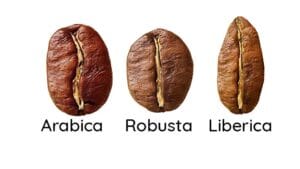
- Robusta beans contain roughly twice the caffeine per gram of Arabica, so a robusta-heavy blend raises the mg ceiling of every shot at the same dose.
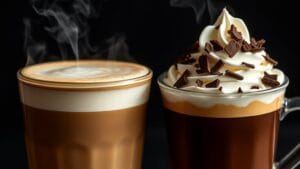
- Adding milk to espresso changes concentration per sip, not total caffeine in the drink.
- The FDA daily limit is 400 mg for healthy adults; two double shots can clear the 200 mg single-dose ceiling before accounting for any other caffeine source in the day.
Caffeine Basics and the Anatomy of an Espresso Shot
When you ask how much caffeine is in a shot, you’re asking about a specific thing: the milligrams of alkaloid that ended up dissolved in the liquid in your cup. Not the caffeine stored in the bean. Not the caffeine that theoretically could extract. What actually made it through.
That distinction matters more than most people realize, and it’s where most published numbers go wrong.
Alkaloid Measurement and Extraction Definitions
Caffeine is chemically known as 1,3,7-trimethylxanthine, a naturally occurring alkaloid measured in milligrams. When we talk about espresso shot caffeine in mg, we’re talking about the caffeine extracted into the final liquid, not the total caffeine stored in the grounds before brewing.
Three numbers often get collapsed into one vague claim, and they shouldn’t be:
- Chemical yield: the percentage of the bean’s total caffeine that actually moves into the water during extraction, typically 75-85% under espresso conditions.
- Final cup concentration: the mg of caffeine per milliliter of liquid in your cup.
- Taste strength: the subjective intensity of flavor, which correlates with dissolved solids and bitter compounds, not caffeine alone.
A shot can taste intensely bitter while containing less total caffeine than a milder, larger drink. A shot can have a high cup concentration while delivering less total caffeine than a bigger serving of the same coffee. These three outputs come from the same extraction process but they are not interchangeable. Once you hold them separate, you can audit any mg claim against the method that produced it.
Beverage Yield Terminology
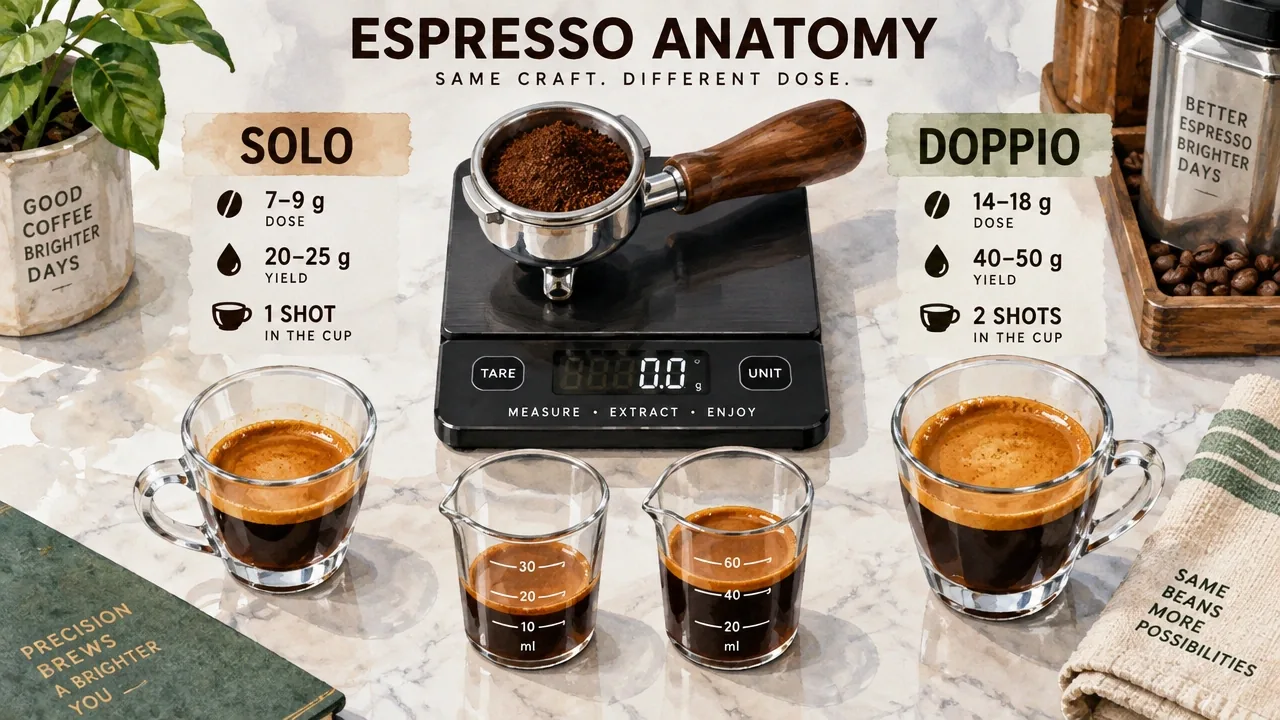
Espresso shot anatomy runs on four variables: dose, yield, extraction ratio, and shot format. Getting these straight is the prerequisite for every mg number that follows.
- Dose: the dry coffee mass loaded into the portafilter, measured in grams.
- Yield: the liquid espresso mass in the cup, also measured in grams.
- Extraction ratio: yield divided by dose, expressed as a ratio like 1:2.
- Shot format: the label on your menu order.
A solo (single shot) uses roughly 7-9g of ground coffee. A doppio (double shot) uses 18-20g. A triple uses 21-25g. A quad scales further from there. These are dose labels, not fixed caffeine constants. A cafe using 18g for a double and another using 20g for the same menu item are pulling different amounts of caffeine before a single variable beyond weight even enters the picture. Bean type and grind can shift the number further still.
The Solubility Clock: How 9-Bar Extraction Pulls Caffeine in the First 8-12 Seconds
Caffeine extraction happens fast. Faster than most people expect, and faster than most coffee writing explains. The reason is chemistry: 1,3,7-trimethylxanthine is highly water-soluble. Pressurized hot water finds it almost immediately.
Under standard 9-bar espresso pressure, water is forced through a puck of finely ground coffee at a rate that creates intimate, high-pressure contact between the water and the coffee particles. That contact strips caffeine from the grounds rapidly. The majority of caffeine migration into the liquid happens in the first 8-12 seconds of the shot. The rest of the extraction window, typically 25-30 seconds total, continues pulling other solubles, but the caffeine curve flattens early.
Temperature drives this further. Water at 90-93.5°C solubilizes caffeine more aggressively than cooler water. Pressure increases the effective contact force. Together, they compress the caffeine extraction timeline into that early window.
Here’s where it gets important for understanding your shot: the compounds that make espresso taste harsh and bitter, including certain chlorogenic acid degradation products, extract later in the shot. So a longer extraction doesn’t just add caffeine. It adds caffeine and bitter solubles. Strength of flavor and total caffeine yield are two different outputs of the same extraction clock, and they don’t move in lockstep.
This clock is the causal spine behind every mg range you’ll see in the sections below. Water volume and contact time determine how much of the early caffeine window gets captured. Dose sets the ceiling. Grind and temperature set the speed. Pressure sets the force. Every mg difference between a ristretto and a lungo, a single and a double, traces back to how these inputs interact with the solubility clock.
The Definitive mg Numbers: Single, Double, Triple, and Quad Shot Math
The core espresso caffeine numbers are usable, but only when you attach them to the dose and method that produced them. Here are the real ranges and the logic behind them.
Baseline Caffeine Loads
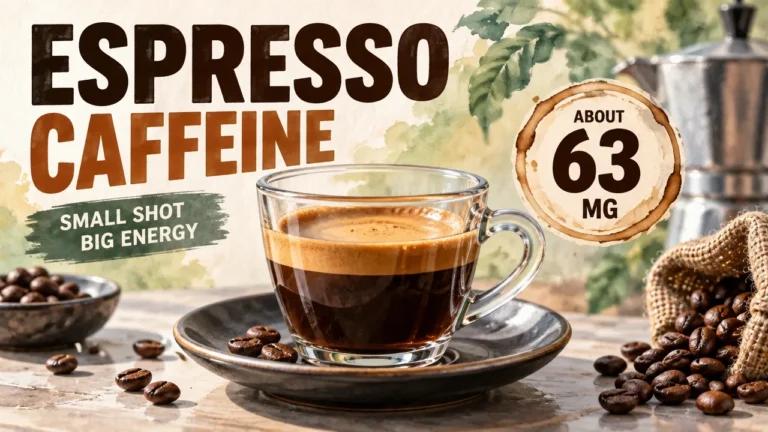
A single shot (solo) pulled from a 7-9g dose yields approximately 63-75 mg of caffeine. The USDA reference value for a single espresso is 63 mg, which sits at the lower end of this range and represents a standard extraction from a typical Arabica or blend at standard dose.
A double shot (doppio) pulled from an 18-20g dose yields approximately 125-150 mg of caffeine. The USDA reference for a double espresso is 126 mg, again the lower bound of the practical range.
These are orientation values, not universal constants. They assume a standard dose, a typical Arabica-dominant blend, proper extraction temperature and pressure, and a normal extraction ratio. Change any one of those inputs and the number moves.
The practical takeaway: treat USDA values as the floor of a range, not the answer. A cafe using a 20g dose instead of 18g on a doppio, or running a robusta-heavy blend, can push the same “double shot” well above 150 mg before any other variable changes.
Dose Scaling and Yield Interpretation
Triple and quad shots scale with dose and bean, not with a fixed multiplier. A triple at 21-25g sits roughly in the 185-225 mg range using the same per-gram extraction efficiency. A quad at 28-32g can reach 250-300 mg. But these numbers assume the same bean, grind, temperature, and extraction ratio as the baseline. Change the bean to a robusta-heavy blend and the ceiling rises. Change the dose even slightly and the number shifts before the shot starts.
The mental jam worth resolving here: chemical yield percentage and final cup concentration are not the same thing. Espresso typically extracts 75-85% of the total caffeine present in the dose. That percentage is relatively stable across well-executed shots. But what changes dramatically is how much caffeine was available to begin with, which is entirely a function of dose, species, and bean caffeine density.
A blog that lists “one shot: 63 mg” without stating the dose, bean species, grind setting, or extraction ratio has given you one data point from one specific scenario. It cannot be directly compared to another source that also says “one shot” but uses different inputs. The dose-first rule: if the source doesn’t name the dose, the mg claim can’t be trusted as a universal number.
Ristretto vs Normale vs Lungo: How Extraction Ratio Curtails or Maximizes Caffeine Yield
Extraction ratio is where the solubility clock becomes a practical tool. The same dose of coffee, ground identically, will produce different total caffeine yields depending on how much water you run through it.
Three ratios define the espresso family:
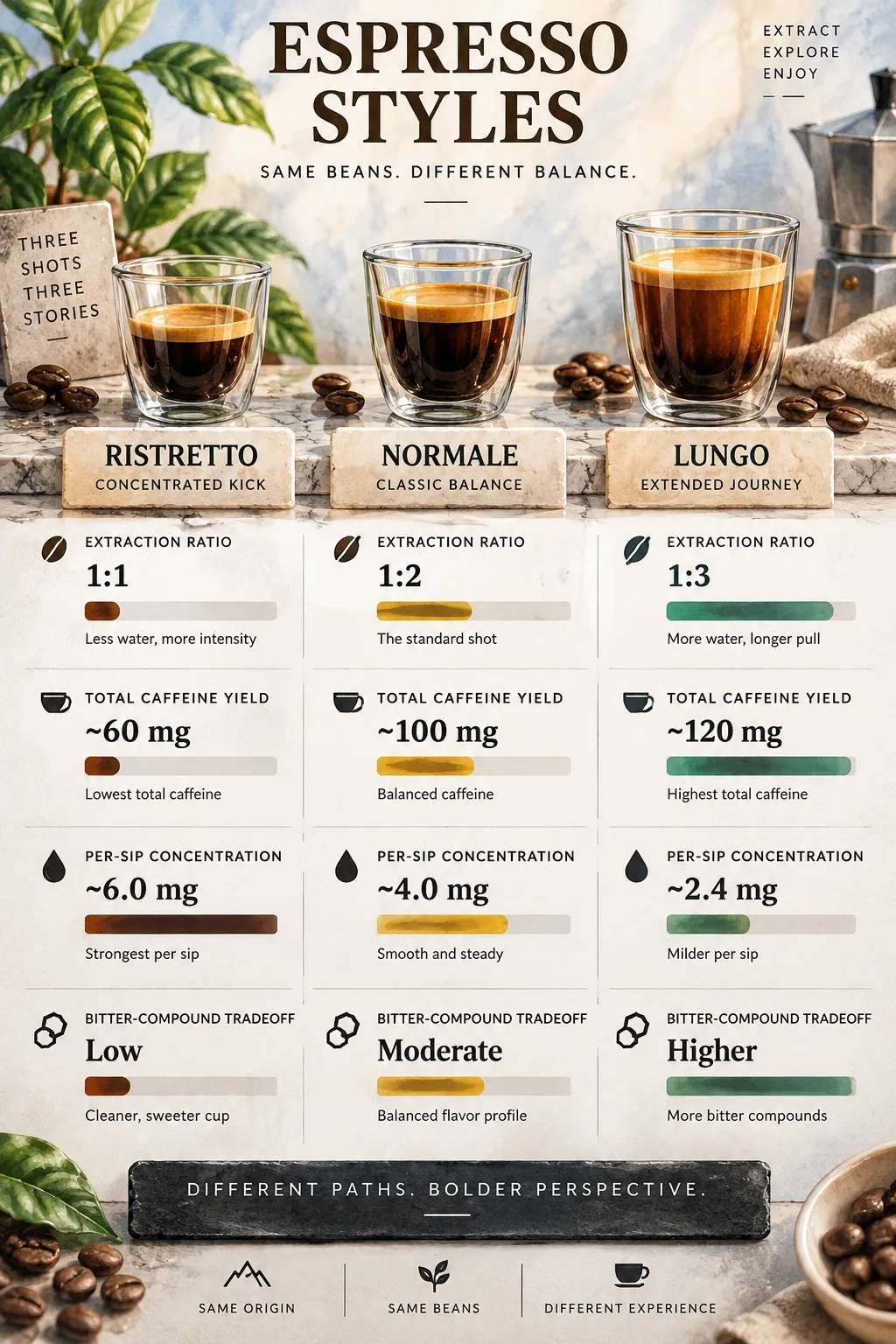
- Ristretto: 1:1 to 1:1.5 dose-to-yield ratio. With a 9g dose, that’s roughly 9-13.5ml of liquid in the cup.
- Normale: the standard espresso ratio, approximately 1:2, producing about 18ml from a 9g dose.
- Lungo: 1:3 ratio, producing about 27ml from a 9g dose.
The caffeine implications follow directly from the solubility clock. A ristretto cuts water flow early, capturing the first burst of caffeine extraction but stopping before the curve flattens. Per single dose, that yields approximately 55-65 mg. The cup tastes intensely concentrated because dissolved solids are high relative to volume, but total caffeine is lower than normale because the water flow was curtailed before extraction was complete.
A normale single sits at the standard 63-75 mg range. It runs the full extraction window to the point where the caffeine curve has largely flattened.
A lungo continues water flow past the normale endpoint. Because caffeine is still soluble and more water is passing through the puck, total caffeine yield rises to approximately 75-90 mg per single dose. The tradeoff: more water also pulls more of the bitter late-extraction compounds, so a lungo can taste thinner and harsher despite containing more total caffeine than a ristretto.
This is the core insight most caffeine comparisons miss: a ristretto tastes stronger per sip but delivers less total caffeine. A lungo tastes weaker but delivers more. Taste concentration and caffeine dose move in opposite directions as extraction ratio increases.
Barista decision logic, applied directly: if you want lower total caffeine from the same dose, pull a ristretto. If you want higher total caffeine from the same dose, pull a lungo. If you want the flavor and caffeine balance to sit in the middle, pull a normale. All of these ranges shift with dose, grind, and bean, so treat them as ratios applied to a baseline, not as fixed numbers.
Primary Extraction Variables: Dose, Grind Microns, Temperature, Pressure, Water Volume
The mg numbers above assume well-controlled inputs. Here’s what actually controls those inputs on a real machine, and how each one moves the caffeine number.
Coffee Mass and Particle Size
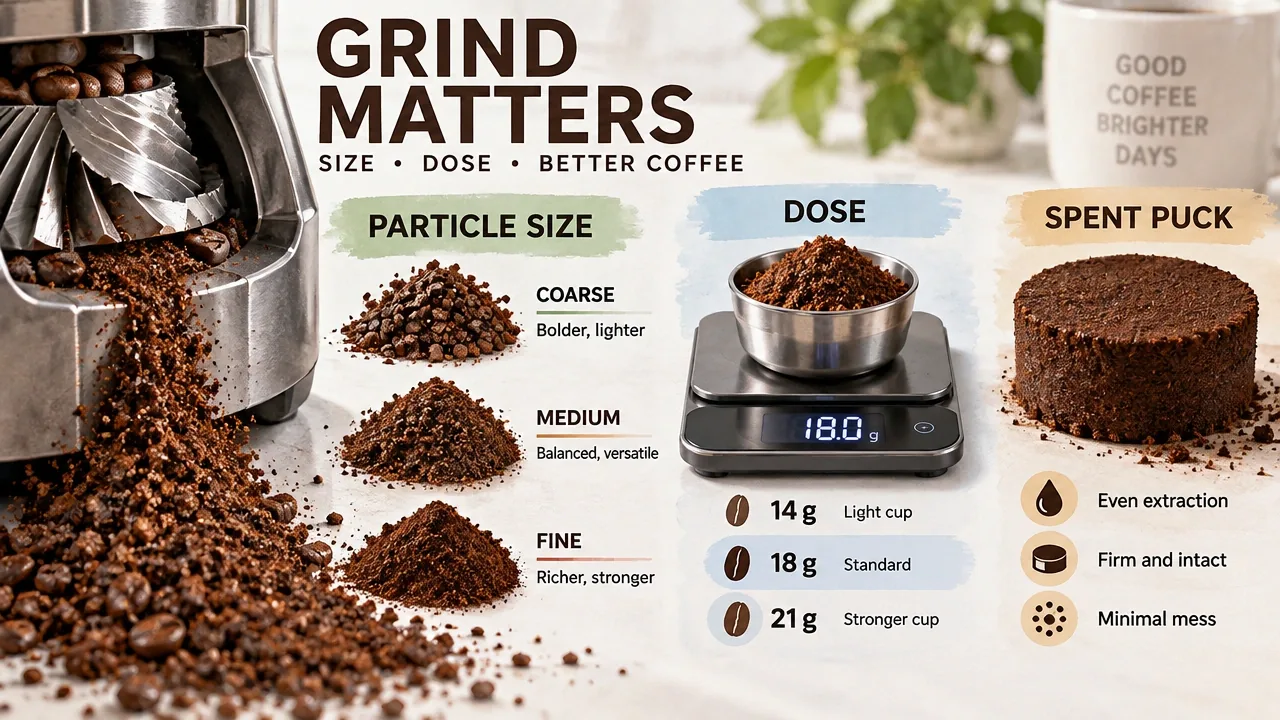
Dose is the first lever and the most direct one. Caffeine scales linearly with the mass of coffee in the basket, so every gram added raises the ceiling. A 7g solo and a 9g solo are not equivalent, even if both are called “single shots” on the menu. The 9g basket has roughly 28% more coffee mass and, all else equal, a proportionally higher caffeine ceiling.
Grind size controls surface area and flow resistance. Espresso grind falls in the 200-300 micron particle range. Finer grinding increases the surface area exposed to water, which accelerates extraction efficiency. It also increases flow resistance, which slows the shot and extends contact time. Up to a point, this combination raises caffeine yield. Past that point, the puck can channel, meaning water finds low-resistance paths through cracks rather than distributing evenly, and extraction becomes uneven and inefficient. Over-extraction follows a similar pattern: beyond the optimal window, you’re pulling more bitter compounds than additional caffeine.
Thermal and Hydraulic Controls
Water temperature in the range of 90-93.5°C supports rapid caffeine solubilization. Drop below 90°C and extraction slows. The caffeine is still there, but it moves into the water more slowly, and in a 25-30 second shot window, slower extraction means lower yield. Higher temperature accelerates extraction but can also increase extraction of compounds that contribute harsh flavors.
Pressure at 9 bar is the standard for espresso. It drives water through the puck at a rate that produces the characteristic crema and the concentrated extraction profile. Pressure determines flow rate and, therefore, contact time between water and grounds. Machines that operate significantly below 9 bar will produce a different extraction profile, typically lower yield and a thinner body.
The directional model: dose sets the caffeine ceiling, grind and temperature set extraction speed, pressure and water volume set contact force and flow, and time determines how much of that ceiling gets reached before the shot ends.
Flow Duration and Saturation Limits
Water volume and extraction ratio are two ways of describing the same thing: how much water passes through the dose. More water through the same puck extracts more caffeine, up to the point where the available caffeine in the grounds is exhausted. This is why lungo exceeds ristretto in total caffeine, and why running the shot even longer eventually stops adding caffeine while continuing to add bitter solubles.
Shot time aligns with the solubility clock: the first 8-12 seconds capture the bulk of caffeine yield. A 25-30 second normale shot completes that window and captures the flattening tail of the caffeine curve. A ristretto stops earlier. A lungo extends past normale. Longer time does not create caffeine; it extracts more of what’s already there, at a diminishing rate.
A practical audit checklist before trusting any published mg figure: ask for the dose in grams, the yield in grams or ml, the bean species or blend, and the extraction time. Without those four inputs, a single mg number is a guess dressed up as a measurement.
Bean Genetics: Arabica vs Robusta and the Roast Variable
Bean species sets the caffeine ceiling before the machine is even turned on. Two shots pulled with identical technique from different beans can produce meaningfully different mg totals.
Species Alkaloid Potential
Robusta (Coffea canephora) contains roughly twice the caffeine per gram of Arabica (Coffea arabica) by dry weight. Arabica typically runs 1.2-1.5% caffeine by weight. Robusta runs 2.2-2.7%. That difference translates directly into the cup.
The baseline ranges we’ve been using, 63-75 mg for a solo and 125-150 mg for a doppio, assume a typical Arabica-dominant blend. A robusta-heavy espresso blend at the same dose and extraction parameters can push the solo toward 90-100 mg and the doppio above 180 mg. Italian-style espresso blends often include 10-30% robusta for body and crema. That addition raises the caffeine ceiling of every shot pulled from that blend.
The connection to the earlier framework: species is a multiplier on the per-gram caffeine density, and dose converts that density into total cup mg. A higher-density bean at the same dose means a higher caffeine ceiling. A lower-density bean at a higher dose can still produce more total caffeine than the higher-density bean at a lower dose.
Color Perception and Mass Interactions
Roast level is where consumer intuition most often breaks down. Dark roast is widely associated with more caffeine. The reality is more nuanced.
Roasting does degrade a small amount of caffeine, and darker roasts lose slightly more. But the effect is modest. More practically, dark roasting causes the bean to expand and lose density. A scoop that was measured by volume will contain fewer grams of dark roast coffee than the same volume of light roast. Fewer grams means a lower caffeine ceiling, all else equal. If the barista doses by weight, the caffeine difference between roast levels is minimal.
The label-reading rule: if a blend doesn’t state species, treat the caffeine content as a wide range, not a precise figure. “Premium espresso blend” tells you nothing about whether it’s all Arabica, Arabica-Robusta blend, or the ratio. The only way to narrow the range is to ask.
Species does not override dose. A larger Arabica dose can contain more total caffeine than a smaller Robusta dose. Judge by grams of coffee and species, not by color or roast name.
Espresso vs Brewed Coffee: Concentration, Total Dose, and Milk Dilution
Espresso concentration per milliliter is higher than any other common brewing method. But concentration is not the same as total caffeine delivered per serving.
Beverage Category Benchmarks
The espresso ranges from earlier, 63-75 mg per single shot in roughly 25-30ml of liquid, represent extremely high caffeine density per volume. But a full 8 oz cup of filter coffee delivers 95-96 mg in 240ml. The coffee is less concentrated per sip, but the larger serving volume closes the gap.
Here’s the full beverage picture for comparison:
| Beverage | Serving Size | Caffeine (mg) |
|---|---|---|
| Espresso (single/solo) | 25-30 ml | 63-75 |
| Espresso (double/doppio) | 50-60 ml | 125-150 |
| Filter coffee | 240 ml (8 oz) | 95-96 |
| Pour-over | 235 ml | 90-160 |
| French press | 235 ml | 100-137 |
| Cold brew | 460 ml | 197-213 |
| Iced latte (single shot) | 355 ml (12 oz) | 63 |
| Black tea | 240 ml | 47 |
| Green tea | 240 ml | 28 |
Cold brew is the outlier that surprises most people: a standard 460ml serving can carry 197-213 mg, more than three single espresso shots. The useful comparison across all of these is not which drink tastes stronger. It’s total mg per serving and mg per sip after any dilution.
The iced latte is a useful case study. A 12 oz iced latte built on a single shot contains the same 63 mg as the shot itself. The milk and ice don’t remove caffeine. They distribute it across a much larger volume, making each sip feel mild while the total dose stays identical to a straight single espresso.
Additives and Cardiovascular Context
Milk changes per-sip concentration. It does not change total caffeine. This is the most common misconception about milk-based espresso drinks, and most published sources either get it wrong or ignore it entirely. Adding 200ml of milk to a single shot creates a larger, milder-tasting drink with exactly the same caffeine load as the shot you started with.
For readers who track cardiovascular health alongside caffeine: the brewing method itself introduces a separate variable. French press and other unfiltered methods allow diterpenes, specifically cafestol and kahweol, to pass into the cup. These compounds raise LDL cholesterol in observational data. Paper filters trap them. Espresso sits in the middle: it has some diterpenes but less than unfiltered methods due to the puck acting as a partial filter.
Observational data associates moderate coffee consumption, roughly 3-5 cups per day, with reduced cardiovascular risk. That finding is about coffee consumption broadly and doesn’t cancel the 400 mg daily caffeine limit or change the mg math for individual shots. If you’re comparing tea temperatures as well, avoid drinking tea above 60°C; consistent consumption above that temperature is associated with increased esophageal thermal injury risk.
Your Daily Threshold: FDA Limits, Shot Math, and Personal Sensitivity
The caffeine math from individual shots only becomes actionable when you convert it into a daily total and compare it against safety thresholds.
Regulatory Safety Ceilings
The FDA places the safe daily caffeine limit for healthy adults at 400 mg per day. For a single dose, the ceiling is 200 mg. Pregnant individuals should limit total daily intake to 200 mg, regardless of source.
The PAA question “Is 2 shots of espresso a lot?” depends entirely on shot size and what else you’ve consumed. Two single shots at 63-75 mg each land at 126-150 mg, well under both the single-dose ceiling and the daily limit. Two double shots at 125-150 mg each reach 250-300 mg in one sitting, which clears the 200 mg single-dose ceiling. Whether that’s “a lot” is a function of your daily total, not the shots alone.
The three-tier framework for safety decisions:
- Daily limit: 400 mg for healthy adults
- Single-dose ceiling: 200 mg per dose
- Pregnancy limit: 200 mg total per day from all sources
Cumulative Intake Calculations
Shot math against those thresholds:
- 200 mg is approximately 3 single shots at 63-75 mg each, or roughly 1.5 double shots at 125-150 mg each.
- Two single shots: 126-150 mg total. Under both ceilings.
- Two double shots: 250-300 mg total. Over the single-dose ceiling, and consuming half or more of the daily limit in one sitting.
The real-world complication: espresso shots are rarely the only caffeine source in a day. A 12 oz can of Celsius contains 200 mg of caffeine, and its label advises no more than 2 per day. One Celsius plus two double espresso shots can put you at 450-500 mg before accounting for any food, chocolate, tea, or medication.
A practical cumulative tally: list every caffeinated item consumed in the day, convert each to mg using the table above or the product label, sum the total, and compare against 400 mg for the day and 200 mg for any single consumption window. This is the only reliable way to know where you actually stand.
Metabolic and Lifestyle Factors
Caffeine half-life in adults averages about 5 hours, but the range is wide. The EFSA pharmacokinetics document reports an average plasma half-life of approximately 2-8 hours depending on individual factors. That range means one person clears a 200 mg dose in under 3 hours while another still has half of it circulating 8 hours later. As a practical rule, stopping caffeine intake 8-10 hours before bedtime gives most people a reasonable buffer against sleep disruption.
The genetics behind this variability involve the CYP1A2 enzyme, which is responsible for metabolizing roughly 95% of ingested caffeine. The rs762551 genotype is often cited as a fast vs. slow metabolizer marker, but the EFSA document notes that after adjustment for smoking and caffeine intake, no clear difference between CYP1A2 genotypes is reliably confirmed. The polymorphism affects enzyme inducibility, not metabolism rate in a simple binary way. Individual sensitivity is real and highly variable, but a single genetic marker doesn’t predict it cleanly.
Other factors that modify effective sensitivity: pregnancy slows caffeine clearance significantly, certain medications inhibit CYP1A2 activity, and tolerance builds with regular consumption. People who drink espresso daily develop partial tolerance to caffeine’s acute effects, which is why the same 150 mg that triggers anxiety in an occasional drinker feels unremarkable to a regular one.
Energy drinks deserve a specific note: they are generally not appropriate for children, adolescents, or as routine hydration for adults, due to high and variable caffeine content and potential interactions with other active ingredients.
For iron absorption: caffeine itself doesn’t block iron directly, but coffee and tea contain polyphenols that bind non-heme iron. Keep coffee or tea at least an hour away from iron-rich meals or supplements if absorption is a concern.
Excess caffeine symptoms to watch for: anxiety, heart palpitations, insomnia, dehydration, dizziness, and elevated blood pressure. If these occur at doses within the FDA guidelines, the 400 mg figure is a population average, not a personal guarantee. Consult a healthcare provider.
Frequently Asked Questions About Espresso Shot Caffeine
Is 2 shots of espresso a lot of caffeine?
It depends on shot size. Two single shots land at 126-150 mg, which is under the FDA’s 200 mg single-dose ceiling. Two double shots reach 250-300 mg, which clears that ceiling and represents more than half the 400 mg daily limit for healthy adults.
How much caffeine is in a single shot of espresso?
A standard single shot pulled from a 7-9g dose extracts roughly 63-75 mg of caffeine. The USDA reference value is 63 mg, which represents the lower end of a well-executed shot from a typical Arabica blend.
How many shots of espresso equal 200 mg of caffeine?
At the standard 63-75 mg per single shot range, 200 mg is approximately 3 single shots. At the double shot range of 125-150 mg, it’s roughly 1.5 doubles. The exact number shifts with dose, bean species, and extraction ratio.
Is 200 mg of caffeine a lot?
For a healthy adult, 200 mg is the FDA’s single-dose ceiling and exactly half the daily limit of 400 mg. Whether it feels like a lot depends on your CYP1A2 enzyme activity, tolerance, medications, and whether you’re pregnant. For a fast metabolizer with daily coffee habits, it’s moderate. For an occasional drinker or someone with caffeine sensitivity, it can trigger anxiety or palpitations.
Does a ristretto have less caffeine than a regular espresso?
Yes. A ristretto pulls roughly 55-65 mg per single dose compared to 63-75 mg for a normale. The curtailed water flow stops extraction before the caffeine curve has fully flattened, reducing total yield even though the shot tastes more concentrated.
Does dark roast espresso have more caffeine than light roast?
Not reliably. Dark roasting slightly degrades caffeine and expands the bean, reducing density. If you dose by volume, dark roast can actually deliver fewer milligrams because the beans are less dense. If you dose by weight, the difference is minimal. Species and dose matter far more than roast color.
Does the type of milk affect caffeine in a latte or cappuccino?
No. Whole milk, oat milk, almond milk, and any other dairy or non-dairy option contain no caffeine. Adding milk changes the volume and per-sip concentration of the drink, but the total caffeine stays exactly what the espresso shot contained.
Why do caffeine numbers vary so much between coffee shop menus and lab studies?
Because most menus don’t disclose dose, bean species, or extraction ratio. A “double shot” at one cafe might use 16g of Arabica while another uses 21g of a robusta blend. The same menu label can represent two shots with a 60-80 mg difference in caffeine before any brewing variable is considered.
References
- EFSA Stakeholders Meeting – Pharmacokinetic and Pharmacodynamic Effects of Caffeine | efsa.europa.eu