
roasting techniques

Featured image for What Is Light Roast Coffee? The Chemistry of First Crack, Organic Acids & Extraction Physics
Coffee Roasting

Light Roast Coffee Explained: The Roast Chemistry, Acid Science, and Brew Physics Behind Every Cup

Light roast coffee stops at a precise thermodynamic boundary: the completion of First Crack. That single decision locks lipids inside intact cell walls, preserves fragile organic acids, halts caramelization mid-reaction, and produces a bean so dense it resists extraction at every brewing stage.

Light Roast Coffee Explained: The Roast Chemistry, Acid Science, and Brew Physics Behind Every Cup Read More »

roasting specialty coffee quality
Coffee Roasting

How to Roast Speciality Coffee for Quality

Mastering coffee roasting involves carefully controlling heat and timing to achieve desired flavor profiles. Precision in temperature is key to navigating chemical transformations like the Maillard reaction and caramelization, avoiding burnt tastes. Selecting the right equipment dictates consistency and quality for your roast. Read on to discover the essential steps for mastering the roast.

How to Roast Speciality Coffee for Quality Read More »

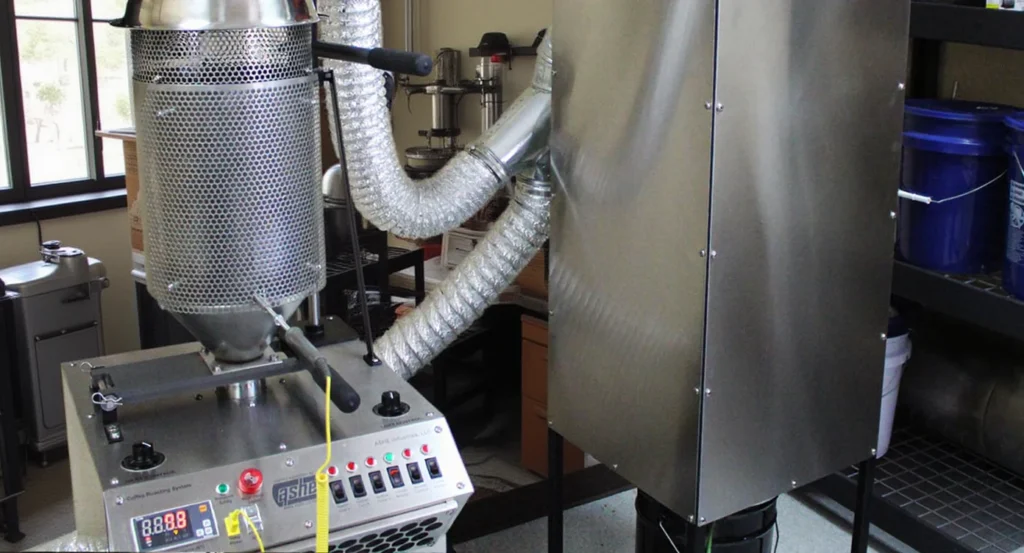
Modern fluid bed roaster machine in a coffee roasting facility with control panel and ventilation system
Coffee Roasting

3 Benefits of a Fluid Bed Roaster

Fluid bed roasters utilize hot air to suspend coffee beans, achieving superior flavor clarity by preserving delicate aromatics without smoky tastes. This method ensures exceptional batch uniformity through optimal air circulation. Read on to discover why this roasting technique reduces bitterness and enhances vibrancy.

3 Benefits of a Fluid Bed Roaster Read More »

Scroll to Top