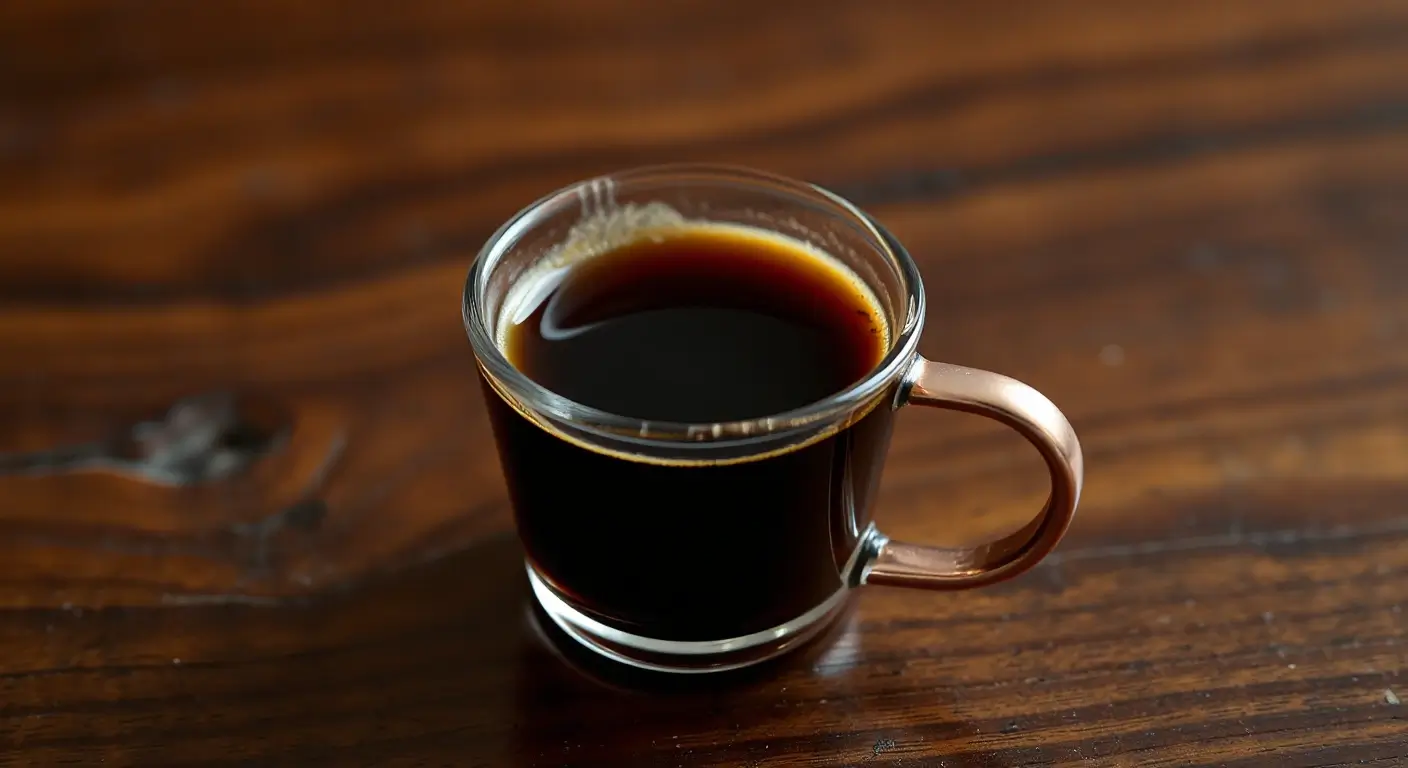
Creamy Espresso Secrets: How to Make 7 Dreamy Milk Coffees in Under 5 Minutes
Espresso and milk drinks are café classics where rich espresso flavor is balanced by sweet, textured milk. Mastering them requires understanding the ratio and texture, differentiating drinks like the Latte from the Cappuccino. Seven essential beverages can easily be made at home. Read on to discover the secrets behind these dreamy coffee creations.
Making coffee at home can sometimes feel like waiting in line at your favorite artisan shop. You watch the barista work magic, mixing dark, concentrated espresso with perfectly textured milk, knowing that what they create is far superior to just pouring hot water over instant granules. But what if I told you that mastering those gorgeous, creamy espresso drinks doesn’t require hours of practice or industrial machinery? With a solid understanding of the basics, you can pull truly dream‑worthy espresso and milk creations in less time than it takes to scroll through your morning feed. We are going to demystify the classics, look at what separates a Latte from a Flat White, and get you crafting café‑quality beverages right at your kitchen counter.
Key Takeaways
Espresso is the concentrated base for nearly all popular milk coffee drinks.
The texture of the milk—steamed versus microfoam—defines the final drink style.
Seven classic drinks (Latte, Cappuccino, Macchiato, Breve, Flat White, Mocha, Cortado) are easily achievable at home.
Understanding the ratio of espresso to milk dictates the strength and texture of your beverage.
Understanding Espresso as the Base
At the heart of every great milk beverage sits the espresso. People often wonder, “what is coffee with a shot of espresso called?” Generally, if it features that dark, rich, pressurized concentrate, it’s built on espresso. Espresso is not just strong coffee; it’s a specific brewing method where near‑boiling water is forced through finely ground coffee under high pressure, resulting in a concentrated shot topped with a desirable reddish‑brown layer we call crema. This intensity is precisely why espresso works so well as a base. When you mix espresso with milk, the milk doesn’t dilute the flavor into bitterness; instead, it rounds out the intensity, providing a creamy, sweet counterpoint to the coffee’s depth. The quality of that initial espresso shot dictates the success of your entire espresso and milk drink.
The Role of Milk in Espresso Drinks
Once you have your base, the Milk becomes your canvas. The preparation of that milk completely transforms the final product. When we talk about an espresso and steamed milk drink, we are usually referring to liquids where the milk has been heated and given some texture, typically using a steam wand. This process, which creates steamed milk, makes the milk sweeter by breaking down lactose sugars, and gives it the body necessary to harmonize with the espresso. It’s astonishing how much the texture alters the experience. Did you know that over 80% of coffees sold in cafes are milk‑based drinks, highlighting a strong preference for beverages that include steamed milk? 1 Whether you are micro‑texturing it for a velvety mouthfeel or pouring in stiff foam, the milk dictates the character of the drink. In short, understanding how to manage steamed milk is the second half of mastering any coffee with steamed milk name.
7 Dreamy Milk Coffees You Can Make at Home
Cappuccino: A classic combination of espresso, steamed milk, and a layer of frothed milk on top, perfect for those who enjoy a strong coffee flavor.
Latte: Espresso and steamed milk, with a thin layer of frothed milk, ideal for those who prefer a milder coffee taste and a creamy texture.
Macchiato: A shot of espresso “marked” with a small amount of frothed milk, great for those who want a strong coffee flavor with just a hint of milk.
Cortado: Equal parts espresso and milk, with a smooth and velvety texture, perfect for those who enjoy a balanced coffee and milk ratio.
Mocha: Espresso, steamed milk, and chocolate syrup or cocoa powder, ideal for those who love a rich and decadent coffee drink with a chocolate twist.
Breve: Espresso, steamed half‑and‑half (a mix of milk and cream), and a touch of vanilla, great for those who enjoy a creamy and indulgent coffee treat.
Flat White: A double shot of espresso topped with a thin layer of microfoam (steamed milk that’s been frothed to a smooth and silky texture), perfect for those who appreciate a strong coffee flavor and a velvety texture.
The Classic Latte: A Balance of Espresso and Steamed Milk
If you’re wondering about the most popular espresso and milk drink, odds are you’re thinking of the Latte. A latte prioritizes the milk, offering a comforting, mellow coffee experience. Typically, a standard single shot of espresso receives a generous pour of steamed milk, topped with just a very thin layer of foam—maybe half a centimeter thick. When comparing espresso vs latte, the latte is defined by its volume; it’s generally served in a larger cup than its cousins. The preparation is focused on achieving a creamy integration where the milk sweetness balances the espresso’s bitterness without overwhelming it. Expert drink preparation often involves careful pouring to avoid disturbing the composition.In fact, the way those liquids settle has actually been studied scientifically! One paper discussing the thermal interactions notes, “The article titled “Café latte: spontaneous layer formation in laterally cooled double diffusive convection” published in the Journal of Fluid Mechanics discusses the phenomenon of layer formation in a café latte, where espresso is injected into milk,” as seen in the study Café latte: spontaneous layer formation in laterally cooled double diffusive convection. It’s this beautiful harmony of temperature and density that makes a well‑made latte so satisfying when pulling multiple espresso shots in latte preparations.
Cappuccino: Layering Espresso, Steamed Milk, and Foam
The Cappuccino offers a more textured experience than the latte. If the latte sings a smooth harmony, the cappuccino plays distinct, beautiful movements. The real difference here lies in the foam ratio. Traditional preparation calls for roughly equal parts: one part espresso, one part steamed milk, and one part airy foam. This results in a lighter, fluffier top layer versus the latte’s thin blanket. When considering breve vs latte vs cappuccino, the cappuccino occupies the middle ground in terms of richness but wins on texture contrast. I often tell beginners that if you can feel the distinct layer of foam with your first sip, you’re likely drinking a cappuccino. Mastering the pour is fun, and I highly recommend watching demonstrations on achieving that perfect cap. For a visual guide on achieving that iconic layering, check out this tutorial from the Alternative Brewing channel.
Macchiato: A Shot of Espresso “Marked” with Milk
Let’s simplify things for a moment and consider the Macchiato. This is the drink for the purist who still wants a whisper of dairy. Remember when we talked about what is coffee with a shot of espresso called? A traditional macchiato answers that directly: it’s an espresso and milk drink where the espresso is “marked” or stained with just a dollop of foamed milk placed right on top of the crema. This means the Drink Ratios lean heavily toward the espresso. You’re barely altering the flavor profile, just softening the sharpest edges. If you’ve ever wondered about a half espresso half milk drink, the macchiato is much closer to pure espresso than that! It’s fast, flavorful, and proves you don’t need much Milk to create something wonderful.
Breve: The Creamy Twist on a Latte
When you want luxury in a cup, you ask for a Breve. If the standard latte uses steamed whole milk, the breve swaps that out for half‑and‑half—that delightful product sitting between milk and cream. This drastically increases the milk fat content, leading to an incredibly rich, velvety texture that clings beautifully to the tongue. Comparing breve vs latte vs cappuccino, the breve is undeniably the richest due to the higher fat disrupting the texture of the steamed milk foam. If you find yourself searching for what is coffee with milk called that feels downright decadent, the breve is often the answer. It’s less about layering and more about pure, indulgent silkiness carried by those high‑fat solids.
Flat White: A Smooth and Velvety Espresso Drink
Flat White Characteristics
The Flat White is a study in texture, often causing confusion when considering espresso vs latte. Originating in Oceania, the flat white embraces the espresso flavor far more than a standard latte, usually using a stronger double shot relative to its small serving size.
Flat White Characteristics
The Flat White truly shines in its texture thanks to the quality of the Steamed Milk. Baristas aim to create microfoam—milk that is velvety, glossy, and incredibly fine, with no visible bubbles on the surface. The Drink Ratios mean that the steamed milk is incorporated so thoroughly into the espresso that the resulting beverage is homogenously creamy; think liquid silk. This results in a texture that feels thicker than a latte but lacks the stiff cap of a cappuccino. It is truly an espresso with milk experience where texture reigns supreme.
Comparison with Other Drinks
Drink
Espresso Ratio
Steamed Milk Ratio
Foam Ratio
Flat White
2:3 to 1:3
2:3 to 1:3
minimal
Latte
1:3 to 1:5
3:4 to 4:5
thin layer
Cappuccino
1:3 to 1:5
1:3 to 1:2
1:3 to 1:1
Mocha: Adding Chocolate to the Mix
The Mocha, sometimes called a Mocaccino, is perhaps the most straightforward deviation from the standard espresso and milk drink: it’s essentially a chocolate‑flavored latte or cappuccino. You start by mixing chocolate—syrup, powder, or melted ganache—into the bottom of your cup. Then, you add your espresso, stir that mixture together, and top it with steamed Milk just as you would a latte. This is the perfect solution when you crave something sweet or need that comforting hit of chocolate along with your caffeine. It’s the easiest espresso with milk drink to customize; try adding a pinch of chili powder for a Mexican Mocha variation! It definitely answers the question of what is coffee with milk called when cravings for dessert strike.
Cortado: Equal Parts Espresso and Milk
Finally, we arrive at the Cortado. This Spanish creation is all about precise measurement and flavor integration. The word “cortado” implies “to cut,” and that’s exactly what the milk does: it cuts the acidity and intensity of the Espresso. The defining feature is its Drink Ratios: it’s strictly one part espresso to one part steamed milk, usually served in a small glass (about 4 to 5 ounces). Because it’s equal parts, it carries a much stronger coffee punch than a latte but is smoother than a macchiato. If you prefer a strong coffee flavor but find straight espresso too sharp, the cortado delivers that half espresso half milk experience perfectly.
Visualizing the Differences: A Guide to Espresso and Milk Ratios
The real secret to crafting any of these seven drinks perfectly at home boils down to respecting the proportions. Once you understand the relative amounts of Espresso Shot to steamed Milk, you can improvise confidently. A small variation in pouring liquid can change a Flat White into what tastes suspiciously like a short Latte.
Concluding Your Espresso Exploration: Tips for Experimentation
You now possess the knowledge to recreate seven incredible espresso with milk classics in your kitchen in mere minutes. Don’t let this information sit stagnant! The best part about mastering the espresso and steamed milk drink is the freedom it gives you as a home Barista. If you love the texture of the Flat White but prefer the richness of half‑and‑half, you’ve essentially created your own bespoke drink. Play with syrups, use different types of Milk (oat, almond, soy—they all change the texture!), and see what happens when you adjust the amount of foam. Consistency comes from practice, so keep pulling those shots and steaming that milk. Enjoy the process of discovery!
FAQ
Does the type of espresso shot (single vs. double) affect these recipes?
A: Yes. Most recipes assume a single shot of standard volume (about 1 oz). For stronger drinks like the Cortado or Flat White, using a double shot (about 2 oz) is common, which changes the intended Drink Ratios.
How quickly can I steam milk without a professional machine?
A: You can use a French press, an electric whisk, or even carefully shake milk in a sealed jar until foamy to mimic the texture of steamed milk enough for a quick home attempt.
What is the main difference between a Latte and a Flat White?
A: The Flat White has a higher espresso-to-milk ratio, making it taste stronger, and it uses more integrated microfoam instead of the traditional thin layer of foam found on a Latte.
Can I make a Breve with regular milk?
A: No, a Breve is specifically defined by using half-and-half due to its high fat content, which yields its characteristic thick creaminess.
If I only have instant coffee, can I still make these drinks?
A: You can mimic the flavor by making very strong, concentrated coffee instead of true espresso, but you will miss out on the crema and the specific mouthfeel that only an espresso shot provides.
Pham Toan is a veteran barista and café owner who has been shaping coffee experiences since 2017. Driven by an exhaustive approach to the beverage, his expertise spans sensory analysis, advanced brewing extraction mechanics, and beverage nutritional data tracking. Through Coffee Factz, Toan bridges the gap between commercial hospitality and rigorous coffee education, creating data-driven guides that map every single corner of the coffee world for global enthusiasts.