Ever wondered if a cortado is just a tiny cappuccino in disguise? I know I have, especially when staring down a long menu! It’s one of the most common mix‑ups in coffee culture: cortado vs latte comparisons are everywhere, but clarifying the cortado vs cappuccino distinction is where things get really useful. My goal today is simple: I want to walk you through the difference so clearly that by the time you finish reading, you can instantly order—or brew—exactly what you’re craving. Let’s clarify these two espresso drinks in about a minute of reading time, shall we?
What Is Espresso? The Core Ingredient for Cortado and Cappuccino
Before we talk about how milk changes things, we must respect the foundation: espresso. It is the powerful, concentrated heart of both the cortado and the cappuccino. An espresso shot is made by forcing pressurized hot water through finely ground coffee, usually taking between 25 and 30 seconds to extract properly. This process yields that beautiful, reddish‑brown emulsion on top we call crema, which signals a quality extraction.
Most specialty coffee houses use a double shot (often 1.5 to 2 fluid ounces) as the standard base for milk drinks, which means consistent caffeine content regardless of whether you are making a small cortado or a larger latte. The quality of this initial espresso extraction dictates the entire experience. The structure of that shot, how much dissolves into the water, is what we are trying to preserve when adding milk. For those interested in the brewing science, research into Optimal Water Flow Profile in Espresso Coffee extraction shows just how sensitive the yield is to water pressure and flow dynamics, emphasizing why every good espresso machine owner obsesses over the grind.
Cortado Explained: Origin, Size, Milk Ratio, and Flavor Profile
When you ask the barista for a cortado, you are asking for something very specific, rooted deeply in Spanish tradition. It’s a drink defined by its restraint, designed to allow the robust flavors of the espresso to shine through, subtly softened by a measured amount of milk.
Origin and Cultural Roots
The cortado’s cortado origin is found right on the counters of traditional cafés across Spain, particularly Madrid and the Basque Country. The name itself is wonderfully descriptive: cortado means “cut.” This beverage is exactly that—espresso that has been “cut” with steamed milk. It’s a drink favored for its balance, perfect for a mid‑morning pause where sweetness isn’t the goal, but just a touch of creaminess to make the strong coffee easier to handle throughout the day.
Size and Presentation
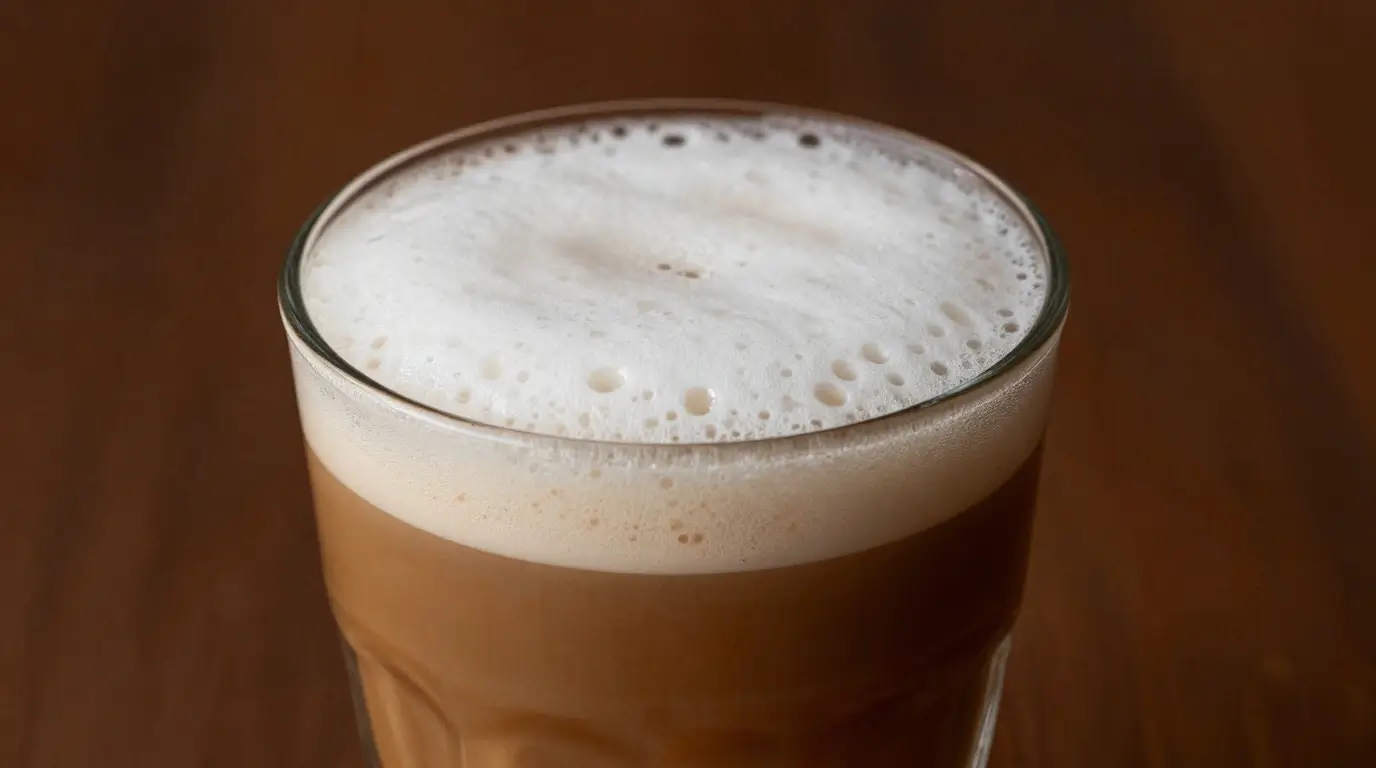
This is often where confusion starts, especially when comparing cortado vs latte. A cortado is tiny. I mean tiny. You are typically served this drink in a clear glass holding only about 4 to 6 ounces total (about 120–180 ml). Forget the giant mugs! The presentation emphasizes its small footprint. Crucially, the milk component involves almost no actual foam. It’s steamed, but just steamed, resulting in a textural layer that is barely a whisper of foam sitting atop beautiful, liquid velvet.
Milk‑to‑Espresso Ratio
The mathematical simplicity of the cortado is what makes it so reliable. It adheres strictly to a 1:1 espresso‑milk ratio by volume. If you pull a double shot (let’s say 2 oz), you add exactly 2 oz of steamed milk. This results in a richer, coffee‑forward body where the mouthfeel is silky rather than airy. The milk is steamed precisely to about 60–65 °C—just hot enough to integrate without scalding the milk sugars, maintaining that buttery texture. This minimal dairy addition means the cortado remains far closer to straight espresso than other milk drinks.
Flavor Profile and Variations
Because the ratio of dairy is so small, the flavor profile is gloriously espresso‑dominant. You taste the acidity, the roast characteristics, and any nutty or chocolate notes of the bean itself, merely enhanced by the sweetness of warming the milk slightly. You might occasionally find regional variations, such as a touch of cinnamon dusted on top or perhaps a slightly sweeter preparation in certain tourist spots, but the classic experience is clean, buttery, and intensely coffee‑flavored. It’s the perfect choice when you want the strength of espresso without the sharp bitterness.
Cappuccino Unpacked: Italy’s Classic, Size, Foam, and Taste
Shifting gears entirely, the cappuccino is about structure, texture, and Italian reverence. Where the cortado cuts the espresso, the cappuccino builds upon it, creating distinct layers of flavor and mouthfeel.
Heritage and Naming
The cappuccino is inextricably linked to Italian coffee culture. Legend traces its name back to the Capuchin friars, whose hooded robes resembled the color of coffee mixed with milk—cappuccio meaning ‘hood.’ In Italy, this drink is traditionally enjoyed only in the morning, rarely after 11 AM! It’s treated as a breakfast item, not an all‑day sipper like its smaller sibling.
Cup Size and Volume
A traditional cappuccino is built for volume disparity relative to the shot. While a double shot of espresso forms the base (about 2 oz), the total volume typically lands in the 150–180 ml range (around 5–6 ounces). This means the milk content is higher than in a cortado, but the defining element isn’t the liquid milk—it’s the air incorporated into it. This is markedly smaller than a standard 240 ml (8 oz) cappuccino vs latte comparison often suggests, where the latte gets all the volume.
Foam Texture and Milk Preparation
This is the absolute defining difference when thinking about cortado vs cappuccino. The cappuccino requires a distinct, thick layer of airy foam, traditionally 1 to 2 centimeters deep. Achieving this involves precise milk steaming: introducing more air into the milk pitcher initially, creating microfoam that is then allowed to stabilize into a distinct, cloud‑like texture. The milk below the foam is still steamed warm (around 65 °C), but the goal is distinct stratification—a wet espresso base, smooth steamed milk in the middle, and a voluminous foam top.

Overall Taste and Pairings
The taste balance of a cappuccino is complex. You get the initial rush of airy sweetness from the foam, followed by the creamy body of the liquid milk and espresso melding, and finally the satisfying depth of the coffee underneath. It offers a softer coffee introduction than the cortado. Because of its inherent comforting character, it pairs perfectly with Italian breakfast staples like biscotti or a flaky croissant. I love how the foam catches the sugar when I use a tiny spoon to stir mine just before the first sip!
Side‑by‑Side: Size, Milk Volume, Foam Texture, and Caffeine Impact
| Feature | Cortado | Cappuccino |
|---|---|---|
| Size (volume) | 4–6 oz (≈120–180 ml) | 6–8 oz (≈180–240 ml) |
| Espresso‑to‑Milk ratio | 1 : 1 (equal parts) | 1 : 2 (1 part espresso, ~2 parts steamed milk) |
| Foam | Thin, 1–2 mm, minimal latte‑foam effect | Thick, 1–2 cm, airy steamed‑milk foam |
| Flavor profile | Intense espresso, bright acidity, small milk mellowing | Balanced, creamy milky body with espresso bite and sweet foam |
In terms of impact, both drinks usually share the same shot of espresso, meaning the caffeine concentration is similar, though the cappuccino’s larger total volume might make it *feel* slightly less intense ounce‑for‑ounce. A single 1‑ounce (≈30 ml) espresso shot contains roughly 63 mg of caffeine. The exact amount can range from 30 mg to over 100 mg depending on factors such as bean type, roast level, and brewing method.
When to Choose Cortado vs Cappuccino: Situations and Personal Preferences
So, which one is right for you right now? Your choice really hinges on what you want to taste and experience in that moment.
If you are looking for a true espresso boost but need just the slightest edge taken off the heat and bitterness, the cortado wins.
- Choose the Cortado when: You need a mid‑morning power‑drink that’s fast to consume, you prefer your coffee strong, or you’re on a tasting tour and want to taste the espresso rather than the dairy. It’s the ultimate choice for the coffee purist who doesn’t want a full, frothy reward.
Conversely, if you crave comfort, a creamy texture, and that slight sweetness that comes from aerated milk, the cappuccino fits the bill perfectly.
- Choose the Cappuccino when: You are having this as a breakfast indulgence, you love the sensation of airy foam on your lips, or you prefer a softer taste preference where the milk plays a more significant role in the structure. It’s more of a slow‑sip beverage. When I need something that feels like a warm hug in a slightly larger cup, I go cappuccino.
Ordering & Making Tips: From the Café to Your Kitchen
Knowing the difference is one thing; ordering like a pro or replicating it at home is another. In a Spanish café, ordering is simple: just ask for a *cortado*. If you’re in an American specialty shop, you might need to clarify: “I’d like a cortado, please, with just a thin layer of microfoam.” Never ask for a cortado “wet” or “dry”—that’s cappuccino language!
If you’re making these at home, the milk steaming is what separates the success of the two drinks:
- Cortado Milk: Steam the milk just until it reaches 60–65 °C. You want very little air incorporated—just enough to create a smooth, paint‑like texture (microfoam), not fluffy bubbles. Pour immediately to maintain liquid silkiness.
- Cappuccino Milk: Steam to a slightly higher temperature or incorporate much more air initially to build volume. Use a pitcher deep enough to allow the foam to separate slightly upon settling, giving you that distinct, structured top layer.
Quick Reference Cheat Sheet for Cortado vs Cappuccino
| Feature | Cortado | Cappuccino |
|---|---|---|
| Size (volume) | 4–6 oz (≈120–180 ml) | 6–8 oz (≈180–240 ml) |
| Espresso‑to‑Milk ratio | 1 : 1 (equal parts) | 1 : 2 (1 part espresso, ~2 parts steamed milk) |
| Foam | Thin, 1–2 mm, minimal latte‑foam effect | Thick, 1–2 cm, airy steamed‑milk foam |
| Flavor profile | Intense espresso, bright acidity, small milk mellowing | Balanced, creamy milky body with espresso bite and sweet foam |
Frequently Asked Questions About Espresso and Milk
Q: Is a cortado the same as a Gibraltar?
A: Essentially, yes. The Gibraltar is simply a cortado served in a specific 4.5‑ounce Gibraltar‑style glass. The preparation method (1:1 ratio) is the same.
Q: Does the cappuccino have more caffeine than a cortado?
A: Usually no. They both typically use the same amount of espresso (often a double shot). The cappuccino just has more liquid milk filling the extra space.
Q: If I ask for a small latte, what am I getting?
A: A small latte (often 8 oz) has a much lower espresso‑to‑milk ratio than both drinks, usually 1 part espresso to 3 or 4 parts steamed milk, making it significantly milder and creamier than either a cortado or cappuccino.
Q: Which one is sweeter?
A: The cappuccino will taste sweeter because the high volume of aerated milk traps more air, releasing the milk’s natural sugars more readily across the palate.
Q: Can I get a cortado with oat milk?
A: Absolutely! While traditionally made with whole dairy milk to achieve that perfect silky microfoam, almost any café will substitute almond, soy, or oat milk. Oat milk often steams beautifully, mimicking the smooth texture needed for a great cortado.