History & Culture

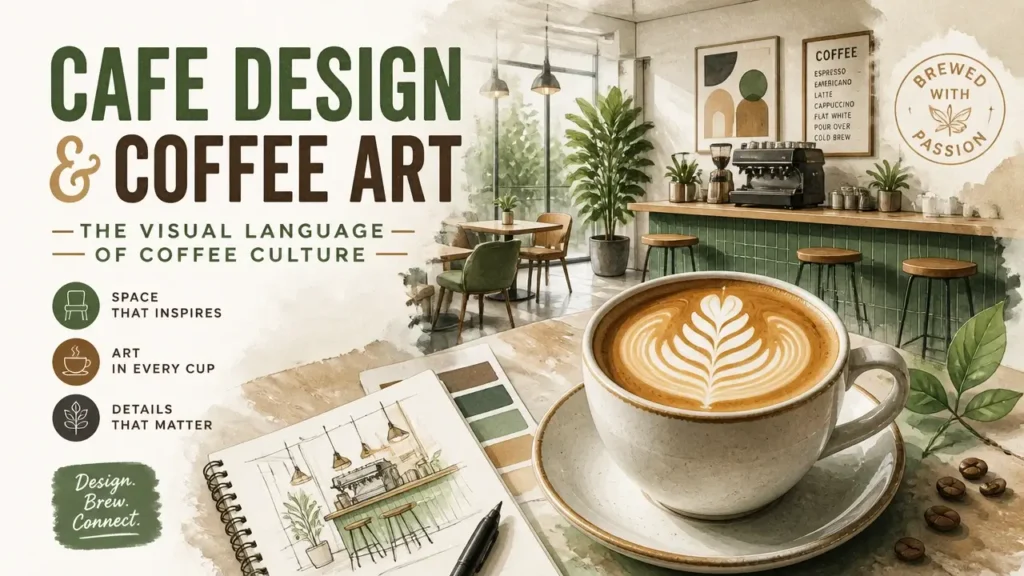
A modern 3D rendered infographic style magazine cover featuring coffee art, illustrating the visual language of coffee culture.
History & Culture

Coffee Visual Language: How Café Design, Art, and Sensory Cues Communicate Before You Take a Sip

Coffee Visual Language is the complete sensory syntax—spatial, material, and aesthetic—that trains your perception before a single sip occurs. We decode this grammar through interconnected cues: Cafe Spatial Design sets expectation, Coffee Brewing Hardware signals precision, and Latte Art confirms craft. Together, these layers operate within the experience economy, transforming a transactional visit into cultural participation.
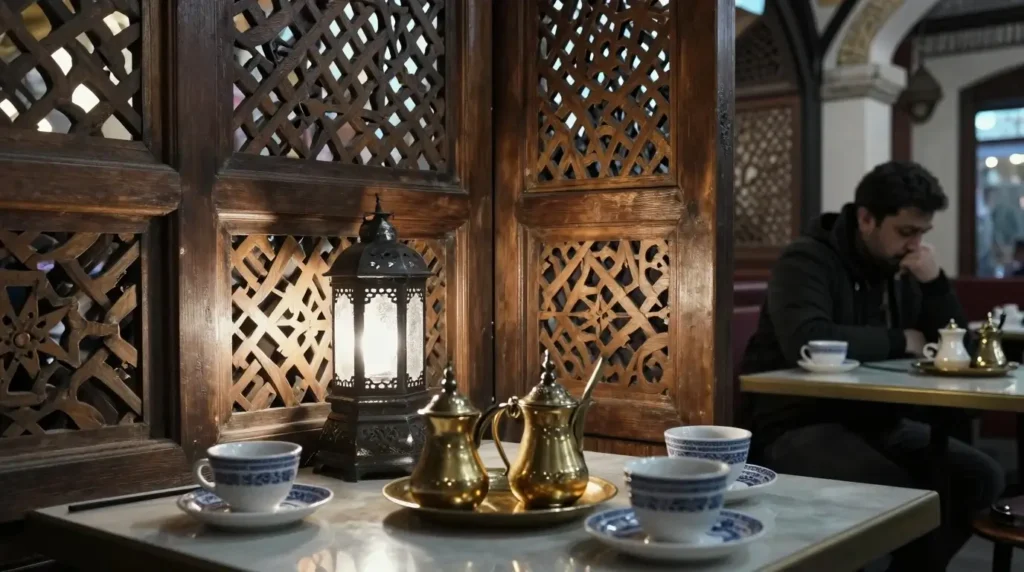
Coffee Visual Language: How Café Design, Art, and Sensory Cues Communicate Before You Take a Sip Read More »

Illustration representing the early history of the coffee shop industry and the first coffee houses in the world.
History & Culture

History of coffee shop industry: Truth About First Locations

The history of the cafe began in the 15th century with the first coffee houses in the Middle East. The history of coffee shop industry accelerated in Europe during the 17th century, evolving from simple gathering spots to centers of intellectual discourse, shaping the modern cafe experience.

History of coffee shop industry: Truth About First Locations Read More »

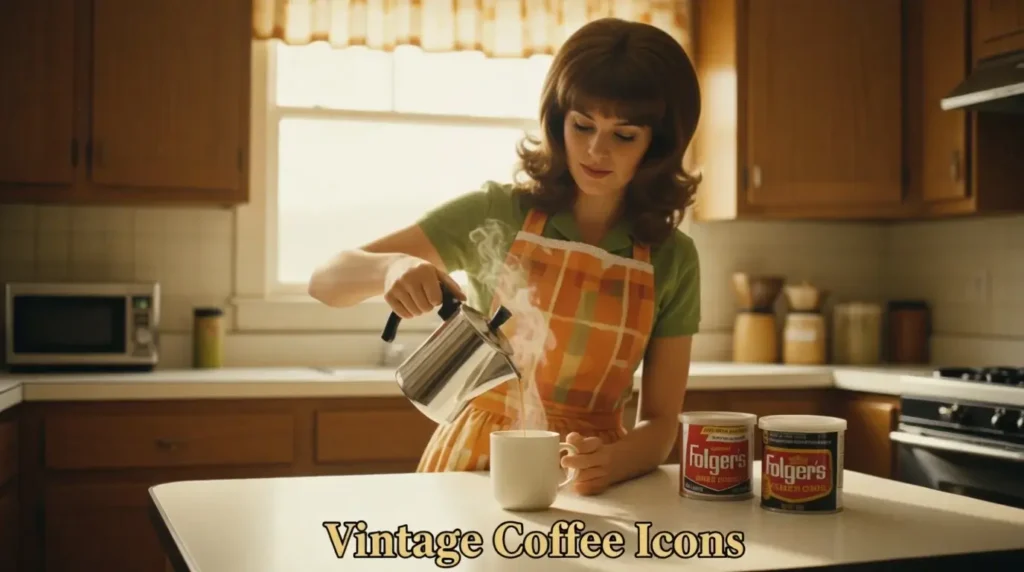
A nostalgic 1970s kitchen scene of a woman pouring coffee from a chrome percolator, representing popular coffee brands of the 1960s and 1970s like Folgers and Nescafé.
History & Culture

What Was The Popular Coffee Brand in the 1960s and 1970s?

The most popular coffee brand in the 1960s and 1970s was Folgers, dominating the market primarily through instant coffee growth. Its popularity eclipsed older brands like Maxwell House during this era. While newer instant coffee brands emerged later, Folgers defined the mid-century American coffee ritual.

What Was The Popular Coffee Brand in the 1960s and 1970s? Read More »

A cup of coffee with a dark and mysterious background, representing the hidden history of big coffee brands
History & Culture

Blood, Beans & Billions: The Dark History Big Coffee Brands Hide From You

Coffee originated in Ethiopia around the 15th century and spread to Yemen, where Sufi mystics first cultivated it systematically for spiritual endurance during prayer. From Yemen’s port city of Mocha, coffee trade routes expanded through the Ottoman Empire and reached Europe by the 17th century, where coffeehouses became centers of Enlightenment intellectual discourse—rivaling modern internet forums. However, European demand triggered colonial expansion that reshaped global coffee production through forced labor and monoculture plantations, particularly in Brazil, creating a $100+ billion industry built on exploitation that persists today. Discover the complete untold history of how coffee transformed from a spiritual ritual into a commodity of conflict and inequality.

Blood, Beans & Billions: The Dark History Big Coffee Brands Hide From You Read More »

Coffee farmer harvesting ripe coffee cherries on plantation during cultivation process
History & Culture

How Do Coffee Beans Come Through the Cultivation Process?

Coffee beans begin their journey as seeds selected for high yield and disease resistance, followed by flowering and cherry development. Harvesting involves selective or mechanized picking, leading to processing methods that define flavor. Learn the full farm to cup process now.

How Do Coffee Beans Come Through the Cultivation Process? Read More »

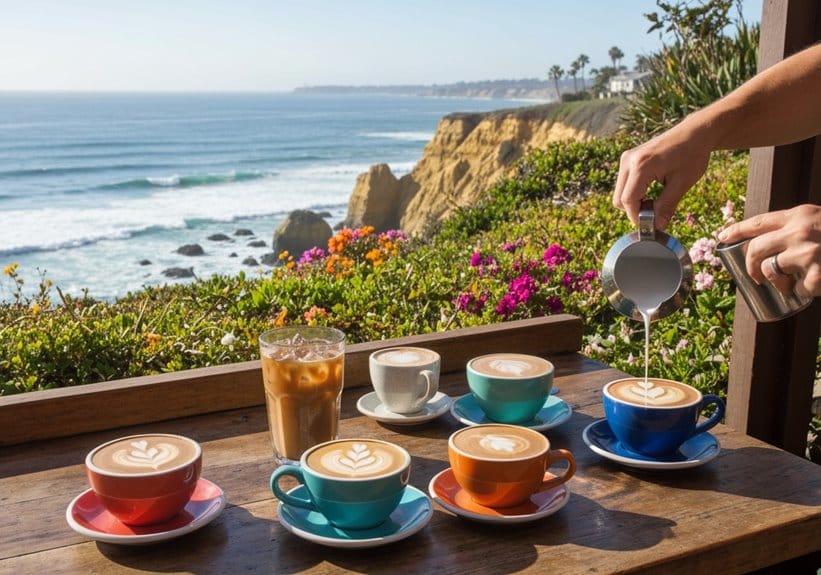
coffee culture in california
History & Culture

5 Reasons California Is the Ultimate Coffee Destination

California households lead the U.S. in coffee spending, making it a major hub for java enthusiasts. This high demand fuels a thriving specialty coffee scene and innovative farming techniques. Discover the secrets behind California coffee culture and spending habits now.

5 Reasons California Is the Ultimate Coffee Destination Read More »

current coffee consumption trends
History & Culture

Analyzing the Latest Coffee Consumption Statistics

Global coffee consumption is rapidly growing, with the worldwide market projected to hit US$473.10 billion by 2025. Regions like the U.S. Northeast average nearly two cups daily, while Gen Z influences customized options. Read on to discover key industry shifts and demographic insights.

Analyzing the Latest Coffee Consumption Statistics Read More »

global coffee tour destinations
History & Culture

10 Must-Visit Coffee Tours Worldwide

Coffee tours offer immersive experiences into the world of coffee cultivation, tasting, and heritage across prime growing regions. These excursions detail everything from bean picking to roasting techniques, often including rich cultural immersion. Read on to discover the ultimate global coffee tour destinations.

10 Must-Visit Coffee Tours Worldwide Read More »

distinctive growing conditions
History & Culture

What Makes Kona Coffee Farms Unique?

Kona coffee is exceptionally flavorful due to its cultivation in nutrient-rich volcanic soil and a prime microclimate featuring sunny mornings and cool afternoons up to 3,200 feet. This environment slows cherry maturation, enhancing quality. Discover the small-scale, family-run farming methods that produce this sought-after bean.

What Makes Kona Coffee Farms Unique? Read More »

coffee drink types explained
History & Culture

Complete Guide to Coffee Names: Every Type of Coffee Drink Explained

Coffee names and types describe the core ingredients, preparation method, and resulting flavor profile of a beverage. Every name, like Macchiato (milk dot) or Americano (watered espresso), signals crucial variations in milk content or brewing ratios. Learn the secrets behind common coffee drink nomenclature in this essential guide.

Complete Guide to Coffee Names: Every Type of Coffee Drink Explained Read More »

Scroll to Top