Coffee Beans

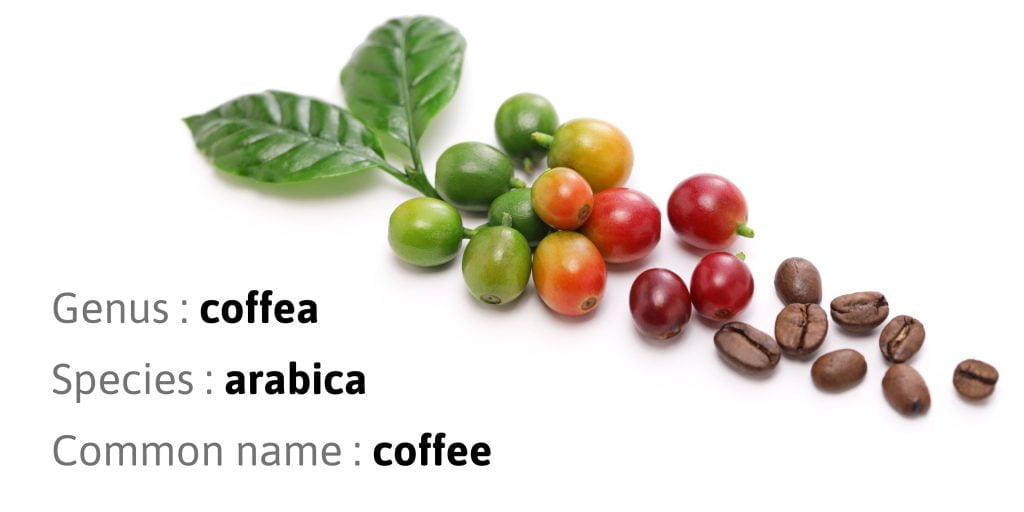
Arabica coffee leaves, beans and berries
Coffee Beans

The Comprehensive Journey of Arabica Coffee: From Plant to Cup

Arabica coffee (Coffea arabica) is the world’s most popular coffee species, accounting for over 60% of global production, and is cherished for its smooth, complex flavor profiles, ranging from fruity to floral. Originating in the Ethiopian highlands, Arabica requires specific conditions, thriving best at high altitudes (1,200 to 1,800 meters ASL) and temperatures between 15°C and 24°C. Despite challenges from Coffee Leaf Rust, its foundational varieties, Typica and Bourbon, continue to shape global cultivation. Discover the comprehensive journey of Arabica, from its genetic origins to its cultural impact worldwide.

The Comprehensive Journey of Arabica Coffee: From Plant to Cup Read More »
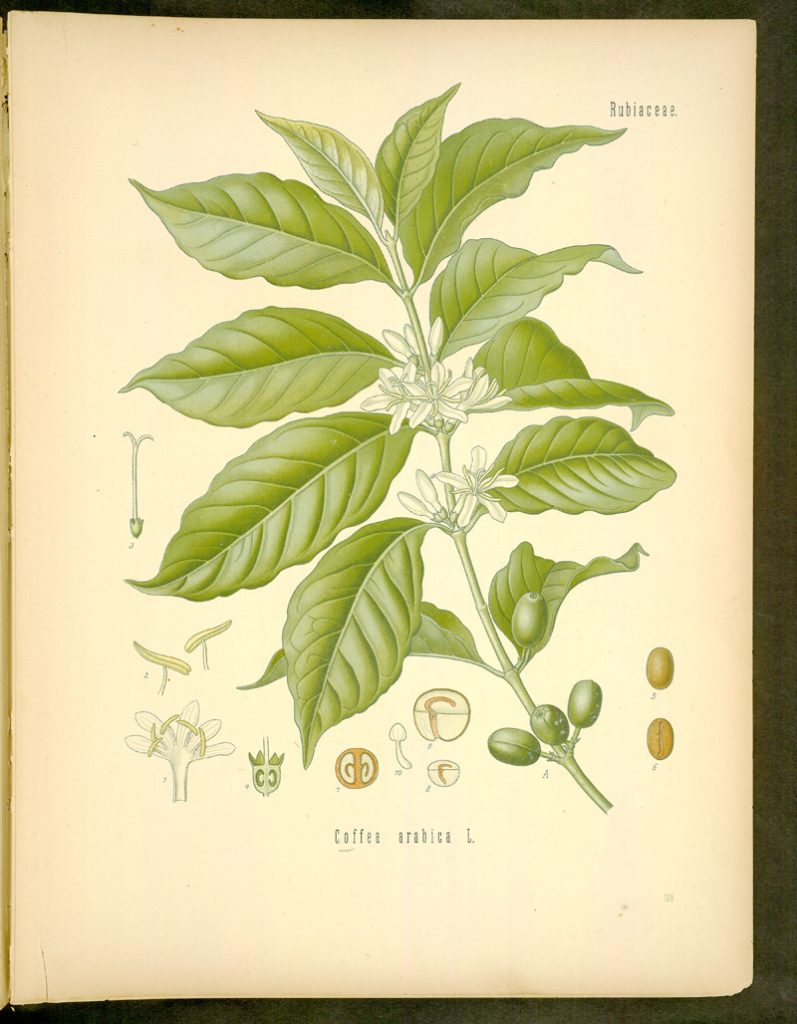
Botanical illustration of Coffea arabica plant, showing detailed leaves, flowers, and coffee cherries. The drawing includes close-up views of individual flowers, seed structure, and coffee beans. The illustration is labeled 'Rubiaceae' and 'Coffea arabica L.
Coffee Beans

Coffee Varieties: An In-Depth Exploration

Coffee varieties are primarily classified into three main species—Arabica, Robusta, and Liberica—based on morphological, genetic, and sensory characteristics. A key distinction is their chromosome count (Arabica has 44 vs. Robusta/Liberica’s 22) and preferred altitude (Arabica thrives at 600-2000m, Robusta at 0-800m). Modern classification includes F1 Hybrids, which are crossbred for superior traits like disease resistance and high yield. Understand the science behind coffee classification and how it shapes your daily brew.

Coffee Varieties: An In-Depth Exploration Read More »

Scroll to Top