What You Need to Know About Cappuccino Nutrition
I remember the first time I ordered a cappuccino thinking it was the ‘lighter’ version of a latte, only to realize it was packing more sugar than I expected. That’s when I started paying attention to the details. When we ask is cappuccino good for you, we have to look beyond the simple fact that it contains coffee. We need to dissect the components: the concentrated shot of espresso (the flavor engine), the steamed milk (the body), and the airy milk foam (the texture). A standard cappuccino often features equal thirds: one-third espresso, one-third steamed milk, and one-third foam. But this ratio changes dramatically depending on the establishment and how many espresso shots you ask for. For instance, ordering a double espresso means doubling the caffeine and flavor intensity, but not necessarily the milk volume. Understanding portion sizes is like visualizing a nutritional bowl: a typical espresso shot is only about 1 oz. If you add a flavored syrup, you’re often throwing in an extra 20–40 calories per tablespoon, usually pure sugar (added). Next time you order, consider a double‑espresso version—it keeps the intensity high but allows you to control the milk volume better, which impacts the overall cappuccino calorie content.
To truly grasp our query, are cappuccinos fattening, we need to see the numbers side‑by‑side. I find it helpful when I can visualize the ingredients’ impact before they even hit the blender.
When exploring how milk impacts your morning brew, it is equally fascinating to understand cafe latte sweetness levels to make more informed choices.
Just as proper portion control dictates your daily calorie intake, knowing How to Choose the Perfect vessel can significantly improve your milk-to-espresso ratio and overall coffee experience.
| Item | Calories | Fat (g) | Protein (g) | Sugar (g) |
|---|---|---|---|---|
| Espresso‑only (2 oz) | 5 | 0 | 0.3 | 0 |
| Steamed milk (4 oz, 2% milk) | 60 | 2 | 4 | 4 |
| Sweetened cappuccino (6 oz: 2 oz espresso + 4 oz milk + 2 tsp sugar) | 97 | 2 | 4 | 12 |
Seeing that separation helps me understand where the bulk of the calories and sugars are coming from. I highly recommend checking out how a professional builds this for you; it helps demystify the process and makes choosing smarter options easier.
The Good Side: Health Advantages of Espresso and Dairy in Your Cappuccino
Despite my initial worries about cappuccino calorie content, I’ve learned that the drink itself (without excessive additions) has several genuine cappuccino benefits. When we isolate the good stuff—the espresso and the milk (dairy)—there are cappuccino health perks worth celebrating. If your goal is consistent energy and micronutrient intake, a properly constructed cup can certainly be a part of a healthy lifestyle. Let’s look at the data that shows why coffee is often celebrated in wellness circles.
Caffeine, Alertness, and Metabolic Boost
The real hero in the morning is the caffeine locked inside those rich espresso shots. It’s more than just waking you up; it has measurable physiological effects that can support performance. Personally, I notice a sharp 10‑minute alertness lift about 30 minutes after my first shot, which is perfect for tackling detailed morning work. Research backs this up, showing that moderate caffeine intake supports sharpened focus and even an elevated metabolism boost. In fact, studies examining the thermogenic effect of caffeine show a clear link between intake and increased energy expenditure. A great approach is to harness this effect: Drink 1–2 shots in the morning for peak performance, rather than sipping aimlessly all day.
Beyond the jolt, coffee is a major source of wellness compounds we often overlook. The antioxidants (polyphenols) found abundantly in coffee beans act like microscopic ‘vaccines’ for your cells, fighting off damaging free radicals. Believe it or not, a standard cup of brewed coffee contains about 3× more antioxidants than a cup of matched coffee—and the concentrated espresso carries a dense profile of these benefits. Key polyphenols include chlorogenic acid and caffeic acid. Regular moderate intake may reduce inflammation across the body.
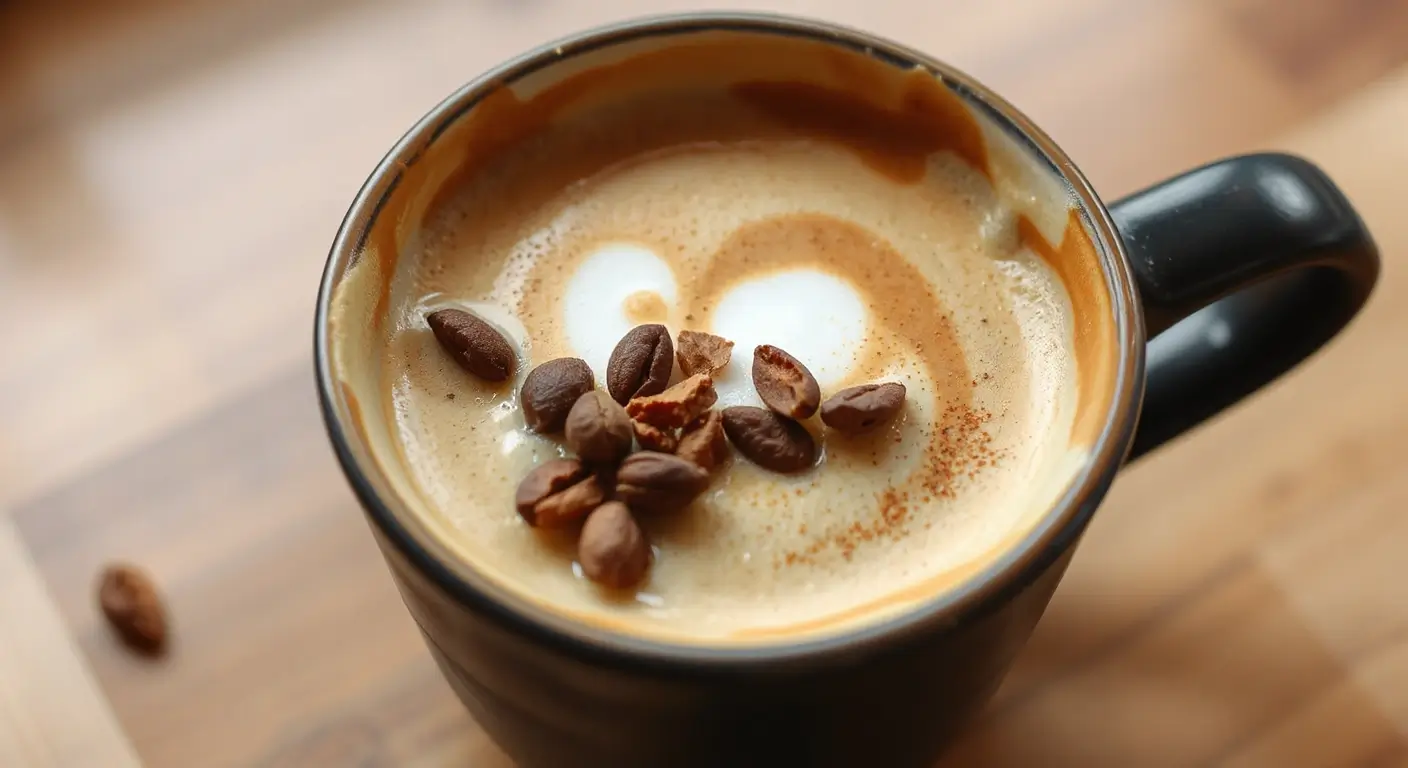
This protection really adds up over time, making coffee consumption one of the easiest ways to boost your overall antioxidant load.
Dairy Vitamins and Minerals for Bone & Muscle Health
If you opt for traditional dairy milk, you’re adding more than just creamy texture to your drink; you’re boosting your intake of bone and muscle supporters. Milk is an excellent source of Calcium and often fortified with Vitamin D. Did you know that 1 cup of standard 2% milk delivers about 300 mg of calcium (roughly 30% of your recommended daily intake) and a decent hit of Vitamin D? If you’re worried about bone health, adding one cappuccino might put you halfway to your daily calcium goal! The Protein contribution, while small in a standard 6 oz cup, still counts toward muscle maintenance throughout the day. Ask yourself: What’s your daily calcium intake? Does your coffee help? Make tracking your dairy intake a simple step toward maintaining good bone health.
The Not-So-Good Side: When Cappuccino May Hinder Your Health Goals
Now, let’s address the reality check. When we question are cappuccinos fattening, we are usually referring to the extras that get piled on top of the good stuff. The primary risks stem from overconsumption of sugar, too many calories from rich milk, and poor timing of the caffeine. These elements can certainly derail efforts toward weight management and stable energy.
Sugar’s Impact on Blood Glucose and Energy Levels
This is where things get sticky, literally. If you sweeten your drink—even moderately—you are inviting trouble for your blood glucose regulation. Just one tablespoon of added sugar packs 15 g of carbohydrates, offering zero nutritional return. This can trigger energy highs only to be followed by rapid dips. Shockingly, according to a recent study published in the Journal of Nutrition, approximately 18% of regular coffee drinkers experience a post‑drink glucose spike, highlighting the importance of mindful sweetener use in coffee preparation. If you notice that mid‑morning *crash* after your sweet coffee, that’s probably your body reacting to the sugar. My quick tip is to swap to a low‑glycemic sweetener or, better yet, push your palate to enjoy the natural flavors of the espresso and milk, avoiding those dips entirely.
Calorie Load and Weight Management
The concept of cappuccino calorie creep is real. A plain, small cappuccino made with skim milk is fairly calorie‑conscious (around 90 kcal). But add whole milk—and suddenly you’re looking at closer to 120 kcal, just for that small size. Now, add one pump of a vanilla or caramel syrup, that’s another 50 kcal. Over the course of a month, drinking just one extra 170‑calorie sweetened cappuccino daily adds up to nearly 5,100 extra calories—that’s nearly 1.5 pounds of weight gain! That’s a little more than a regular granola bar you skip. My advice here is discipline: Limit flavored shots to maybe once a month if you are actively focused on weight management.
Understanding how quickly beverage calories accumulate becomes even more striking when evaluating a cappuccino versus frappuccino comparison.
Caffeine Sensitivity and Sleep Disruption
While caffeine is great for focus, too much, or consumption too late in the day, spells trouble for restorative sleep. We all process caffeine differently, but there’s a general guideline known as the *5‑hour rule*. If you drink coffee too late, you may lose up to 5 hours of quality sleep because of caffeine sleep interference. Do you often lie awake after your evening routine? Try setting a hard cut‑off time—I usually stick to no more than 2 pm for any caffeinated beverage. Try switching to decaf by 4 pm; your body will thank you for a proper, caffeine‑free bedtime.
Tailoring Your Cappuccino: Smart Tweaks for a Healthier Brew
The goal here isn’t necessarily to banish the cappuccino but to rework it so it serves your health goals instead of fighting them. Making smart tweaks is how we transform it from a potential foe into a wellness ally. The biggest adjustments come from choosing smarter dairy alternatives and avoiding hidden sugars.
| Milk Type | Typical Calories (per 4 oz steamed) | Sugar Impact |
|---|---|---|
| 2% Dairy Milk | ~60 kcal | Around 4 g natural lactose sugar |
| Unsweetened Almond Milk | ~15–20 kcal | Very low sugar |
| Oat Milk (Barista Blend) | ~70–80 kcal | Can be higher in added sugars |
Notice that unsweetened almond milk is a massive calorie‑saver, though it offers less protein. Oat milk froths beautifully but often matches or exceeds 2% dairy milk in calories and sugar unless you find a specific low‑sugar option.
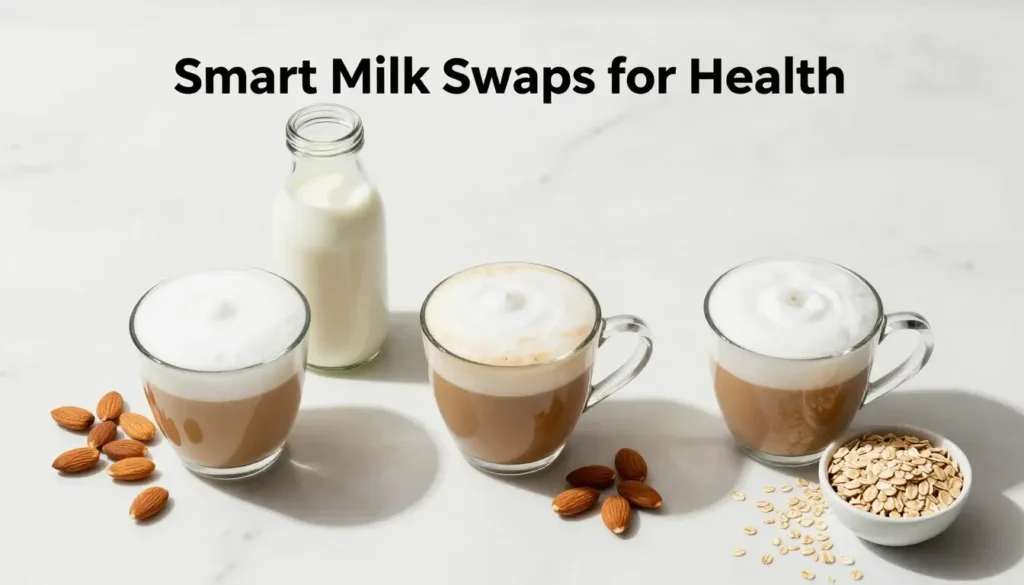
Experimenting with alternative plant-based milks and floral infusions offers a sophisticated pathway to revamp your daily ritual, much like crafting a lavender oat milk latte at home.
Your Next Steps: Is Cappuccino a Friend or Foe for Your Wellness?
So, where does this leave us on the central question: is cappuccino healthy? The verdict is decidedly nuanced: context matters. A basic, single‑shot cappuccino made with steamed skim milk and no sugar is generally a fine addition to most diets, offering boosts in alertness and antioxidants. It’s an acceptable part of a routine for improved focus. However, the standard large, flavored, double‑milk, double‑sugar version you grab on the run is very likely to hinder weight management and disrupt stable energy.
For most people, sticking within recommended daily limits for caffeine intake guidelines (generally under 400 mg, as suggested by the USDA) keeps you safely in the “friend” category. If your goal is metabolic health, treat it like a dessert and aim only for the espresso and foam, or opt for unsweetened, low‑fat milk. The drink itself is rarely the enemy; it’s the add‑ins. I encourage you to run a small personal experiment: Track your standard week’s coffee intake, note your energy levels, and check the scale. Then, try one of the smart tweaks, like switching to unsweetened almond milk, for the following week. Adjust your ritual accordingly based on what your body tells you. Your cup absolutely can fit your health plan—just tweak the ingredients.
Making It Work for You
My final takeaway for you is this: Your cappuccino’s impact on your health is entirely determined by the choices you make during ordering or preparation. A single‑shot version with perfectly textured foam and no added sweeteners is a fantastic source of antioxidants and a moderate source of protein and calcium. Conversely, your daily five‑pump caramel monstrosity is simply a sugar delivery system hiding under a layer of froth. Try one of the smart tweaks we discussed—maybe start with skipping the syrup tomorrow—and watch the difference it makes in your energy and waistline control. Share your revamped brew in the comments below!
Frequently Asked Questions About Cappuccinos
Q: Are plain cappuccinos high in carbohydrates?
A: They are relatively low, primarily deriving carbs from the lactose (natural sugar) in the milk used. An un‑sweetened cappuccino with low‑fat milk usually has about 4‑6 grams of carbs, making it generally keto‑friendly if you use low‑lactose or unsweetened plant milk.
Q: Does the milk foam have nutritional value?
A: Yes, the milk foam carries the same nutritional profile as the steamed milk it’s made from—calcium, protein, and fat. Since the foam displaces some liquid milk, it might contain slightly less total volume of nutrition than just straight steamed milk, but it contributes significantly to the perceived texture.
Q: Can I drink a cappuccino if I am trying to lose weight?
A: Yes, if you control calories. Stick to one or two espresso shots, use unsweetened skim milk or almond milk, and absolutely avoid flavored syrups. This keeps the calorie count below 100 kcal.
Q: Is a cappuccino better than a latte for weight loss?
A: A traditional cappuccino is often lower in total milk volume than a large latte. Because the milk component is the primary calorie adder, a standard 6‑oz cappuccino often has fewer calories than a 12‑oz latte, making the cappuccino the generally leaner base beverage.
Q: How much caffeine is in a standard two‑shot cappuccino?
A: A standard two‑shot cappuccino typically contains between 120–160 mg of caffeine, depending on the roast and extraction method, keeping it well within safe daily limits for most healthy adults.