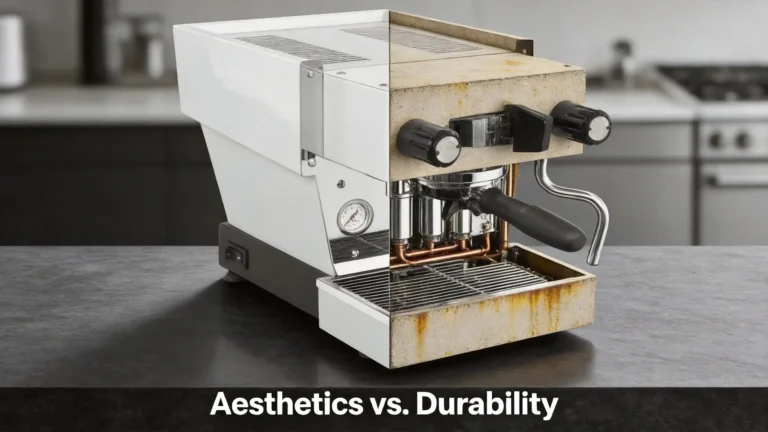

You’re looking for a white espresso machine—sleek, stylish, and barista-quality. I get it; aesthetics drive this market hard. But here’s what I need you to understand: manufacturers in this segment are running a calculated game. They’re either locking you into proprietary ecosystems that guarantee recurring revenue, or they’re selling you design scarcity where the wait time itself becomes the luxury feature.
My job is cutting through the marketing gloss to show you exactly where the engineering compromises live.
The Three Lies Brands Tell About White Machines
User experience data crashes head-on into marketing claims in three specific ways, and I’m going to walk you through each collision.
The Aesthetic Trap
Marketers conveniently imply all white surfaces age equally. That’s complete nonsense. According to real-world reports from multi-year owners on enthusiast forums, matte finishes aggressively absorb coffee oils and yellow out over time, unlike high-gloss powder coats. This isn’t just a matter of “dirt” – materials science research into chemical resistance confirms that coffee is packed with phenol acids, specifically tannins, which act as aggressive staining agents that trigger significant film deterioration when left in contact with a surface. Your aesthetic choice isn’t just about looks, it’s dictating your material lifespan from day one.
The Simplicity Lie
Brands like Jura promise ease-of-use, but that simplicity is just a wrapper around heavy, complicated automation. You’re sacrificing clarity for convenience, and what you’re actually buying into is proprietary lock-in. The machine decides what filters you use, what cleaning tabs you buy, and who gets to service it.
Agency Erosion
Here’s the kicker: committing to a specific color scheme actively forces you to pass on functionally superior models available only in different finishes. You are trading measurable performance ceiling for narrative coherence in your kitchen design. I’ve seen buyers skip machines with better boilers, better pumps, and better build quality simply because they couldn’t get them in white.
Know Your Friction Profile Before You Buy
Before we dig into specific machines, you need to understand what you’re signing up for. I’ve mapped the hidden friction points against the buyer persona each machine actually serves.
The Legacy Steward gets the La Marzocco Linea Micra—commercial consistency, but you’re signing up for high service dependency and expert-only repairs.
The Ecosystem Buyer gets the JURA E6 Piano White—patented simplicity through automation, but locked into mandated, recurring proprietary consumables.
The Efficiency Gambler gets the Terra Kaffe TK-02—maximum utility combining espresso and drip, but reliant on a novel “Hybrid Brew Unit” that’s unproven post-warranty.
The Throughput Maximizer gets the Espressione Concierge Elite—speed and minimum counter presence, but fast Thermoblock systems trade long-term reliability for quick heat-up.
The Premium Gateway gets the Jura Z10—accessible high-end retail recognition, but hidden proprietary electronics make independent servicing nearly impossible.
La Marzocco Linea Micra: Commercial DNA Means Commercial Service Costs
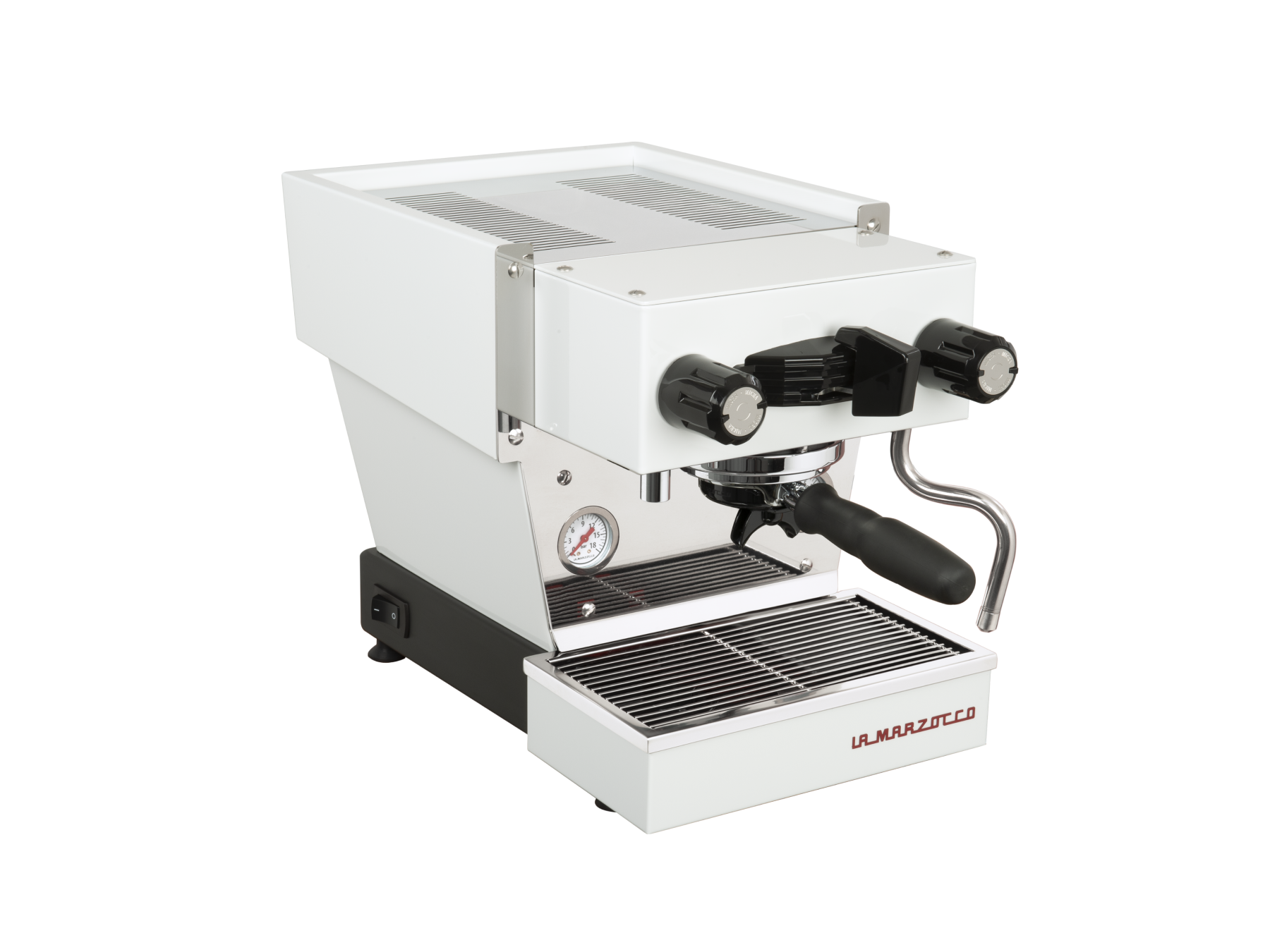
The technical foundation here is serious. This machine runs on dual PID-controlled boilers made of surgical-grade AISI 316L stainless steel, guaranteeing verified thermal output. It weighs a hefty 42 pounds, according to La Marzocco’s official product specifications.
What You’re Actually Buying
La Marzocco sells you on transferring 40 years of commercial R&D reliability into your home. To be fair, that saturated group head architecture for thermal stability is real—this is the same tech pulling shots in high-end cafes. The reality, though, is that commercial DNA means commercial complexity. This machine demands a high financial outlay starting at $4,500, partly because its advanced thermal architecture requires accredited, specialist servicing once the basic warranty runs out. DIY repairs are essentially non-existent based on the machine’s design complexity.
The Real Costs
You’re not just paying for the machine. According to the manufacturer’s own shipping policies, you’re dealing with mandatory freight shipping and long lead times. The blog narratives praise the Linea heritage, but the community reality shared across forums is that this heritage translates directly into a mandatory, high-cost service network dependency.
Go or Run
Go if you prioritize rock-solid shot-to-shot consistency inherited from professional industry standards and you’ve budgeted for ongoing professional maintenance.
Run if you need immediate access or simply cannot afford the inevitable, expensive service appointment when the complex Dual PID system signals an error.
PRO TIP: What PID Actually Does for You
A PID controller is basically a super-smart thermostat. It doesn’t just react when water gets cold; it anticipates how fast it’s cooling and adjusts power before the temperature drops significantly. When you have two of them, you get surgical temperature control—the same precision pros need. The downside? Complex electronics that only a certified technician can safely work on.
JURA E6 Piano White: The Hidden Subscription Model

Jura E6 Piano White 15559
- VERSATILITY: Automatic coffee machine grinds, tamps, brews, froths and self-cleans in less than 60 seconds
- OPERATION: Intuitive, user-friendly color display, integrated maintenance programs and optional preground chut…
- CUSTOMIZATION: Programmable coffee strength, volume, temperature, amount of milk foam and hot water on demand
- GRINDER: Professional Aroma Grinder grinds 12.2% more aroma in the cup using fresh, whole beans; eco-friendly
- TECHNOLOGY: Pulse Extraction Process for professional-quality espresso, eighth-generation brew unit with 3D br…
The technical foundation is built on automation simplicity. According to Jura’s official product listing, it uses a Thermoblock heating system and the patented Pulse Extraction Process promising one-touch perfection. It features a Professional Aroma Grinder and a 64-ounce water tank.
What You’re Actually Buying
Jura markets its patented tech as the peak of engineering simplicity. However, the operational reality is that this complexity locks you into their supply chain. The system requires proprietary CLEARYL Smart+ filters which use RFID detection, meaning the machine actively monitors and rejects non-branded consumables to maintain warranty compliance. Retail listings showcase 11 one-touch specialties, but what they don’t highlight is the mandated, recurring operational expenditure to keep those premium features functioning.
The Real Costs
Buyers seeking maintenance clarity are sold complexity masked as simplicity, resulting in high Total Cost of Ownership due to mandatory supply purchasing. The machine runs on 15-bar pump pressure, which is solid, but accessing that performance means staying locked into Jura’s ecosystem.
Go or Run
Go if you view cleaning tabs and proprietary filters as an acceptable, hassle-free subscription for zero-effort cleaning cycles and you’re comfortable with brand dependency.
Run if the thought of being unable to source a generic water filter because the machine actively rejects it makes you deeply suspicious of the business model.
Terra Kaffe TK-02: Beta Testing Your Own Espresso Machine

Terra Kaffe Super Automatic Espresso Machine - App-Enabled Coffee Machine - Auto Wake & Sleep - All Milk Types - Roaster-Approved Espresso Settings - Cappuccino Machines for Home - White TK-02
- FULLY CUSTOMIZABLE DRINKS - This fully automatic espresso machine offers over 100,000 drink combinations, givi…
- ROASTER-APPROVED ESPRESSO SETTINGS - Unlock expert-level espresso by scanning QR codes on TK Shop coffee purch…
- DRIP COFFEE AND ESPRESSO - With its advanced hybrid brew unit, our espresso coffee machine can prepare authent…
- SMART TECHNOLOGY - Every drink you create is automatically saved to your personal Terra Kaffe account, keeping…
- AUTOMATIC WAKE AND SLEEP - Use the app to set your machine's auto-wake and sleep times, so it’s always ready w…
Now, check this out: this machine is an efficiency play. According to Terra Kaffe’s product specifications, its technical foundation uses a dual thermal coil system to balance two worlds, aimed at bridging the gap between espresso and drip brewing via a specialized “Hybrid Brew Unit.” It has a 75-ounce water tank and a 19-bar high-performance pump.
What You’re Actually Buying
The marketing highlights design awards, but here’s what’s interesting: the company offers a 150-brew trial period. This tells me they know the consolidated technology is inherently unproven for long-term home use and needs you to validate the mechanism viability firsthand. You’re essentially acting as a beta tester through your daily usage. The plus side? It has over-the-air software updates to fix things wirelessly.
The Real Costs
The 150-brew trial is necessary friction absorption—you’re the quality assurance manager. Also, the boiler system is stainless steel-lined aluminum, not pure stainless steel like the La Marzocco. The promise of consolidation is powerful, but the novelty of the hybrid unit places it squarely in the “specialist repair required” bucket if it fails outside the warranty window.
Go or Run
Go if you need a single appliance footprint and are excited to test new brewing methodologies via software updates, and you’re comfortable with early-adopter risk.
Run if you need guaranteed quality across both brewing types from day one without acting as unpaid product quality assurance.
PRO TIP: Why Hybrid Brew Units Are Risky
Trying to make espresso (which needs 9 bars of pressure) and drip coffee (which needs low-pressure saturation) using the same plumbing is genuinely tough. A “Hybrid Brew Unit” is the manufacturer’s creative way of building a bypass or switching mechanism to handle both. When specialized parts consolidate functions, fixing them outside of warranty becomes a nightmare because you need proprietary knowledge—it’s a single point of failure trade-off.
Espressione Concierge Elite: Speed Now, Maintenance Later

Espressione Concierge Elite Diamond White
- One Touch control to make Espresso, Lungo, Ristretto and Hot water or tea
- Powerful 20 Bar Pressure Technology and fast thermoblock heating technology
- 400 gram Coffee Bean container and 1.2 Liter Removable Water Reservoir with Easy Refill Access
- ECO System with auto-stop (ASO) and Programmable Automatic Shut-off
- Stainless Steel Coffee Grinder (extremely quiet-low noise-70dB) with 5 Precise fineness settings – use your fa…
This one is all about speed and footprint. According to the manufacturer’s product page, it’s driven by a fast 1350W Thermoblock, achieving a shocking 22-second heat-up time. It’s impressively slim at only 7 inches wide.
What You’re Actually Buying
The MSRP is anchored artificially high at $1,200 only to be sold near MAP pricing at $499.99. That’s a massive variance that screams “perceived value” over “actual value.” The speed comes from the Thermoblock—fast heat, but historically less stable for long-term thermal consistency compared to dedicated boiler systems.
The Real Costs
Thermoblocks operating at high frequency require rigorous, frequent descaling cycles. The machine has a 1.2-liter removable reservoir, which is decent, but buyers are chasing a perceived clearance price on a speed-optimized rig, often bypassing a full evaluation of component durability associated with lower-cost heating methods. Industry experts in coffee engineering emphasize that while these thermoblocks are ready in minutes, they inherently lack the thermal stability found in dedicated boiler systems. Unlike prosumer double-boiler setups that use PID controllers for surgical temperature regulation, these entry-level heating elements trade off extraction precision and long-term reliability for the sake of a quick morning cup.
Go or Run
Go if your absolute highest priority is speed and minimal counter presence, even if it means more demanding maintenance schedules down the road.
Run if you’re looking for an investment piece built for seven years of daily enjoyment—this machine is built for immediate gratification, not longevity.
Jura Z10: The Automated Black Box

Jura Z10 Diamond White
- VERSATILITY: A world first for hot and cold brew coffee specialties; choose from 32 options
- OPERATION: Touchscreen display, optional Artificial Intelligence, equipped with WiFi Connect for use with J.O.…
- CUSTOMIZATION: Customize, duplicate, rename and reposition coffee favorites
- GRINDER: Exclusive Product Recognizing Grinder adjusts in a fraction of a second to the predefined consistency…
- TECHNOLOGY: Pulse Extraction Process, Cold Extraction Process and Eighth-generation Brewing Unit
Though pricing varies by retailer, we know this is a premium machine running on 15-bar pressure and featuring a 4.3-inch touchscreen display, according to Best Buy’s curated product listings.
What You’re Actually Buying
The primary marketing hook is sophistication achieved through automation. The machine supposedly recognizes the beans and adjusts for you thanks to the Product Recognizing Grinder and 3D brewing technology. The problem is that this simplification is completely dependent on proprietary hardware and software configurations that you cannot access, examine, or repair yourself.
The Real Costs
You’re purchasing a powerful, complex automated system advertised as “plug-and-play.” If one sensor or proprietary component in the automation chain fails—especially the advanced grinder system—the whole machine often becomes a paperweight. Retailers list this based on feature names like “touchscreen” and “Cold Extraction Process,” failing to communicate the critical dependency on sealed, non-serviceable internal architecture.
Go or Run
Go if you demand the highest level of automated convenience, provided you never question internal diagnostics or need to understand what’s happening under the hood.
Run if the idea of a specialized technician being the only person who can fix a temperamental $3,000+ machine truly bothers you.
The Smart Play: Reclaim Your Agency
Look, if you want durability and honesty, you have to reject the centralized ecosystem handcuffs that brands like Jura and La Marzocco are tightening.
The smartest way to get a great white setup is usually by combining proven, modular components engineered separately. I recommend ditching the all-in-one monoliths and going for a separated strategy.
The Prosumer Vintage Combo:
Start with a durable, all-metal semi-automatic like the Gaggia Classic Evo Pro in white, or similar models noted for stainless steel builds in Reddit discussions. These are often simpler boiler systems that resist scale build-up better than complex Thermoblocks.

Gaggia RI9380/48 Classic Evo Pro Espresso Machine, Polar White, Small
- Solid Steel Housing, Made in Italy
- 9 Bar Espresso Extractions
- Stainless Steel 58mm Commercial Portafilter
- Commercial Three Way Solenoid Valve
- Commercial Steam Wand
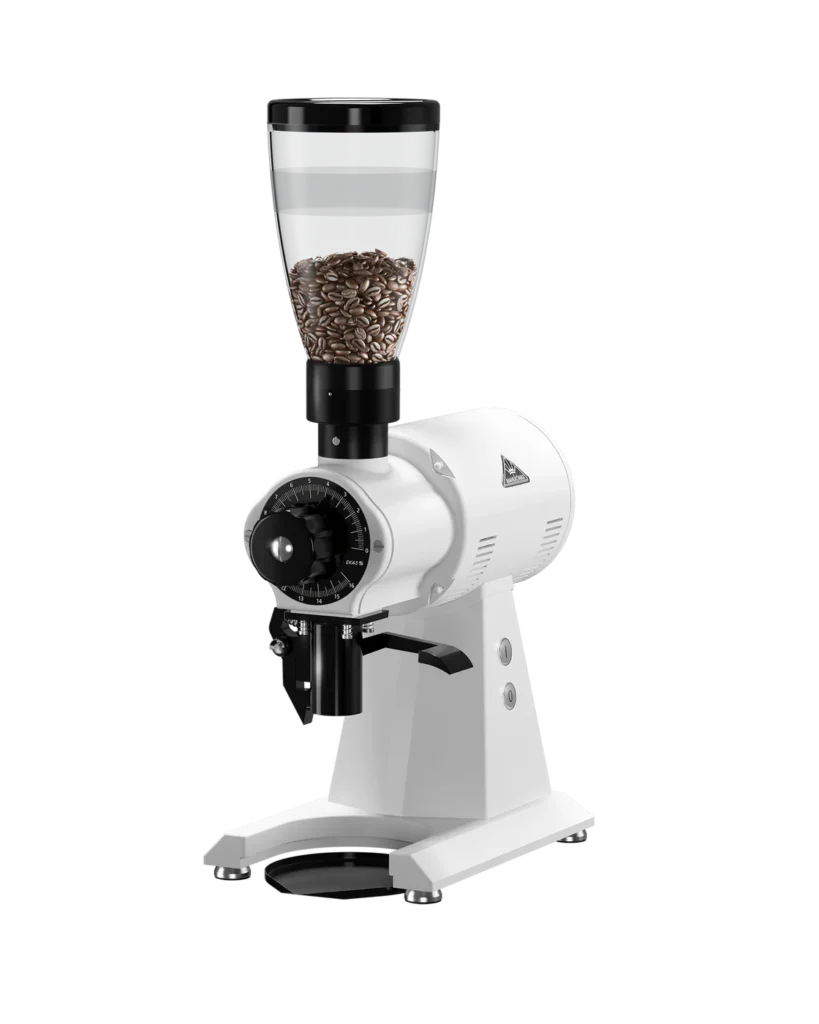
For the grinder, choose a high-quality, purpose-built unit separately. This is crucial. Why? Because according to multi-year reports from commercial users, matte grinders like the popular EK43 show immediate signs of aesthetic failure from oil absorption. Avoid matte finishes entirely, opting only for high-gloss powder coats for easy wiping.
This strategy maximizes buyer agency. You avoid the mandatory consumables trap and the proprietary service trap. You trade upfront convenience for mechanical longevity and serviceability.
How I Built This Guide
I didn’t just scroll retail sites. I ran a full forensic sweep combining marketing assumptions with real-world consequences. I synthesized what the brand is selling against what the community is complaining about across forums like Home-Barista and Reddit’s espresso communities. I mapped engineering specifications—like boiler material or heating element type—against community frustration points, like yellowing finishes or required consumable purchases. This allowed me to clearly delineate where the engineering sacrifice was made to hit that specific price point or aesthetic goal.
The data sources ranged from manufacturer technical specifications on official product pages, to multi-year user experience reports on enthusiast forums documenting plastic gear failures after six months of use, to retail category pages showing price anchoring strategies. Every claim about material durability, service complexity, or proprietary lock-in is rooted in either documented user experience or logical deduction from verified technical specifications.
You deserve to know what you’re actually buying, not just what the marketing copy promises.
Frequently Asked Questions
Q: How often should I wipe down a white espresso machine to keep it looking fresh?
A: A quick wipe after each brew removes most coffee oils, and a deeper cleaning once a week prevents buildup that can dull the surface.
Q: Are white machines more expensive to maintain than black or stainless models?
A: They tend to need more frequent surface cleaning, but the cost difference is usually just a few extra wipes or a mild cleaning solution, not a major budget item.
Q: What hidden expenses come with proprietary filter or cleaning cartridges?
A: Brands that lock you into RFID‑enabled filters force you to buy their branded cartridges, which can be 30‑50 percent pricier than generic equivalents and must be replaced every few months.
Q: Can I repaint or recoat a white espresso machine without voiding the warranty?
A: Most manufacturers consider any aftermarket paint or wrap a warranty violation, so changing the finish will likely cancel support unless you use a removable vinyl wrap that the maker explicitly approves.
Q: Does a high‑gloss powder coat really last longer than a matte finish?
A: Glossy powder coats repel oil better and stay white longer, while matte surfaces absorb oils and can yellow after a year of regular use.
Q: Is there a resale market for white espresso machines and how does color affect value?
A: White units sell well among design‑focused buyers, but resale prices usually drop 10‑15 percent compared with the same model in stainless, because the finish is more prone to visible wear.