
Listen up. You’re scrolling through shiny pictures of coffee pots, thinking the one with the most brass accents is going to transform your morning ritual. That’s a rookie move. I’ve been digging through production specs and community pain points, and I can tell you the marketing here is selling you physics you either can’t harness or materials that actively work against you.
Here’s the deal: You’re either signing up for a high-maintenance hobby where you babysit a tin lining, or you’re signing up for convenience that guarantees mediocre foam. My job is to make sure you know which trap you’re stepping into before you tap that ‘Buy Now’ button.
Two Paths, One Grinder Away From Failure
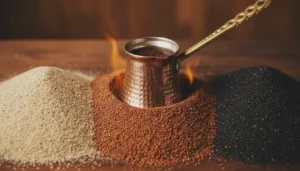
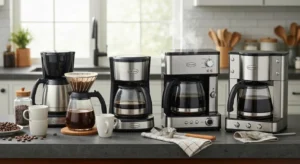
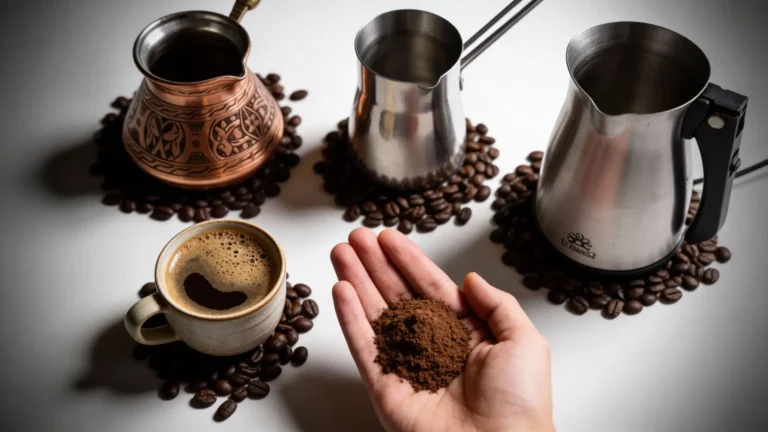
The market for these pots splits into two camps: the Fidelity Chain (copper demanding high skill) and the Convenience Chain (steel and electric masking skill gaps). The friction point uniting both? Brands sell hardware as proprietary magic when the actual deciding factor is your grinding capability. Community consensus from coffee forums is brutally clear: If your grind isn’t powder-fine, even the most expensive copper pot will produce thin, ugly sludge. We’re analyzing these based on how much operational friction they introduce into your life.
The Strategic Playbook: Pick Your Burden
I’ve organized these 8 options based on the user profile they should belong to. You’re either accepting high upkeep for superior thermal physics, or you’re choosing convenience and sacrificing texture.
| Tier | Persona Match | Primary Selection |
|---|---|---|
| Tier 1: The Ritual Masters | Accepts high complexity for thermal purity. | Hakan, BCS |
| Tier 2: The Durable Duplicators | Prioritizes robust materials; focuses on grind skill override. | Quality SS, IMEEA |
| Tier 3: The Automation Acceptors | Prioritizes speed; resigned to texture imperfection. | Sanpyl, Leopacat |
| Tier 4: The Compromise Crafters | Mixed signals: likes the look but accepts material trade-offs. | Volarium, Alisveristime |
Hakan Turkish Coffee Pot – The Artisan’s Maintenance Contract
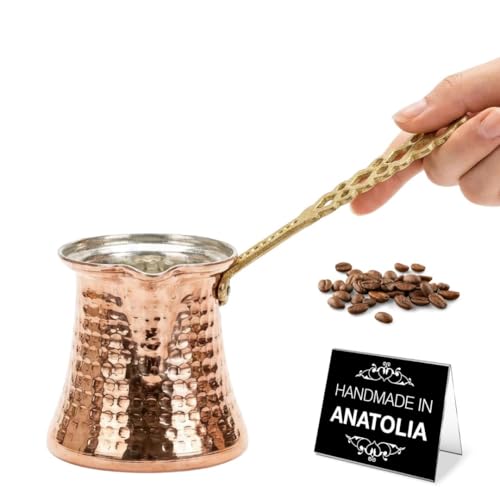
Hakan Turkish Coffee Pot | Stove Top Water Boiler, Coffee Maker, Butter, Chocolate & Milk Warmer | Even and Quick Heat with Handcrafted Copper Material | Coffee Gifts Idea, 10.5 Oz (310 cc)
- PURE COPPER FOR QUICK HEAT & LONG-LASTING USE: Crafted from high-quality copper with a protective tin lining, …
- HANDCRAFTED ELEGANCE & DECOR APPEAL: Each Hakan stove top coffee maker features a handcrafted hammered design …
- MULTI-PURPOSE POT FOR EVERY NEED: The stovetop coffee maker is ideal for making Turkish, Greek, and Arabic cof…
- EASY TO CLEAN: The mouth of the coffee pot is wide enough to wash by hand. There is also a hanging hole at the…
- VERSATILE SIZE OPTIONS: The Hakan Turkish coffee pot is available in six sizes—ranging from 5 fl oz (150 cc) t…
This Hakan line gives you options, which is more transparency than you see elsewhere.
It comes in two configurations: premium food-grade stainless steel or handcrafted hammered copper with a protective food-safe tin lining and a brass handle. Capacity scales wildly, from 5 fl oz (150 cc) up to 20.2 fl oz (600 cc).
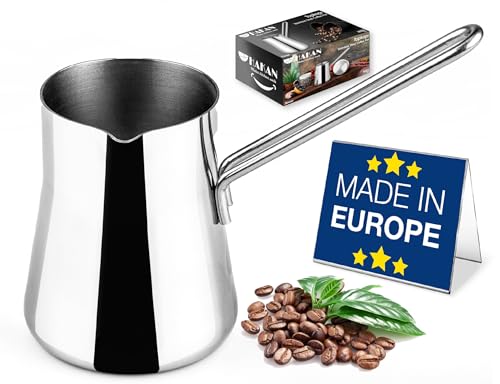
Hakan Turkish Coffee Pot, Greek Arabic Coffee Cezve, Stainless Steel Stove Top Milk Warmer, Chocolate Melting Pot with Spout, Chai Pot, Ibrik, Briki | 16.9 oz. (500 cc)
- 🥤 Premium Stainless-Steel Construction: Hakan Coffee Pot is made from high-quality, food-grade stainless steel…
- 🥤 Authentic Coffee Experience: Hakan Coffee Pot is designed for making rich Turkish, Arabic, and Greek coffee …
- 🥤 Ergonomic Handle for Safe & Easy Use: Hakan Coffee Pot has a heat-resistant, comfortable handle for a secure…
- 🥤 Perfect for Servings: Available in two sizes: 16.9 fl oz (500 cc) and 20.2 fl oz (600 cc), ideal for brewing…
- 🥤 Versatile & Easy to Clean: Hakan Coffee Pot works on gas, electric, and ceramic stovetops. Its smooth stainl…
When you step up to copper, you’re chasing the high thermal diffusivity that copper provides. However, unless you verify the gauge thickness, you’re paying a premium for potential performance that a smaller, older pot might already surpass. According to discussions among serious home brewers on Reddit, the ultra-luxury pot realization is that skill matters more than materials.
If you choose copper, you inherit high-maintenance status. The tin lining requires constant guardianship, and there’s a massive lifecycle omission regarding re-tinning procedures—a huge friction point documented in detailed product pages from specialty European coffee retailers. This is an ongoing cost that manufacturers conveniently leave out of the marketing copy.
It is also a hidden health variable; environmental science studies on metal leaching reveal that acidic environments—which perfectly describe the pH of coffee—drastically accelerate the release of tin and other metal impurities from the lining into your beverage. This means that as the lining degrades, you aren’t just facing a logistical headache or a repair bill; you are dealing with a chemical instability that can lead to chronic metal ingestion if the container isn’t kept in pristine, professionally-serviced condition.
Go if: You treat cleaning the delicate tin lining as a necessary part of the ritual.
Run if: You own an induction stove or forget maintenance schedules after two weeks. The standard stovetop model doesn’t work with induction burners. If your kitchen runs on induction, you’re stuck using a converter or choosing the stainless steel option.
| Hakan (Copper) Reality Check | Spec vs. Reality | Implication |
|---|---|---|
| Lining Integrity | Manufacturer specs guarantee food-safe tin lining. | This lining will degrade faster than you expect. Plan for recurring upkeep costs or flavor contamination down the line. |
| Stove Compatibility | Safe on gas, electric, and ceramic. | Not induction compatible. No workaround unless you buy a separate converter disk. |
💡 Knowledge Gap Pro-Tip: Why Tinning Matters
Copper is awesome for heat, but it reacts with acids (like coffee) and can leach metals. The tin lining is a barrier. Think of it like this: Tin is the raincoat for your copper pot. If you scrape the raincoat (by using steel wool or aggressive cleaning), the metal underneath gets exposed, which is bad news for flavor and health. European coffee equipment specialists emphasize that maintaining this layer is non-negotiable for safe, long-term use.
BCS 12 Oz Copper Pot – The Slow-Burn Tank
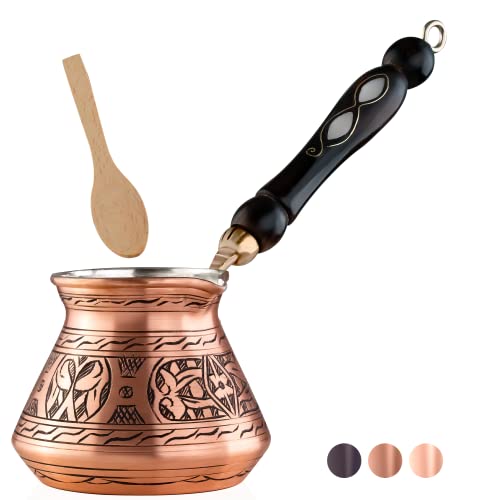
BCS 12 Oz Copper Turkish Greek Arabic Coffee Pot with Wooden Handle (4 servings) Cezve Ibrik Briki Stovetop Coffee Maker (Includes Wooden Spoon)
- Includes: Copper Turkish coffee pot and wooden spoon
- Thick & Durable: Created with passion of talented craftsmen, 2mm thickness (built for maximum durability) 100%…
- Unique & Traditional: Wooden handle for comfortable use, engraved floral pattern for stylish finish (compatibl…
- Size & Capacity: Height 3.35’’ - Top Diameter 2.75’’ - Bottom Diameter 3.95’’ - Handle Length 7’’ - Capacity 1…
- Copper Authenticity Test: Our product is made of the highest quality real copper material. For any reason, if …
This one is built like a tank, but that girth comes with its own set of operational trade-offs.
The manufacturer claims 2mm thick hand-hammered pure copper. It’s sized for 12 fl oz (350 ml), meant for 4–5 servings. It comes with a wooden handle and an authenticity test.
The 2mm claim positions this against stamped, thinner copperware. Expert coffee roasting guides confirm that this thickness should provide excellent thermal inertia, allowing you to precisely manage the rapid heat spike needed for foam generation. That’s a legitimate advantage if you know what you’re doing.
Here’s the catch: You’re inheriting a heavy tool. The sheer mass of 2mm copper means it retains heat significantly. This pushes you toward a slower heating profile, which clashes with practitioners who prioritize speed. If you’re used to cheap, thin pots – this one will feel like a slow burn.
Go if: You prefer a heavy, robust tool built for slower, more contemplative brewing sessions.
Run if: You need to churn out multiple cups quickly. This pot is too ponderous for rapid-fire brewing.
| BCS Reality Check | Spec vs. Reality | Implication |
|---|---|---|
| Thermal Inertia | 2mm thick copper construction. | Great for stability, poor for quick adjustments. This pot resists temperature changes—good if you’re careful, bad if you’re rushing. |
| Handle Material | Sturdy wooden handle. | Good tactile feel, but wood is susceptible to water damage. If you don’t dry it properly after washing, you’re shortening its life. |
Quality Turkish Coffee Pot (Stainless Steel) – Your Technique Training Wheels

Quality Turkish Coffee Pot - Turkish Coffee Maker, Chai Pot, Arabic Coffee Pot, Briki Greek Coffee Pot, Greek Briki, Cezve, Ibrik (15oz)
- LASTING QUALITY - This stainless steel briki coffee pot is made to last. No more rusting copper! The sturdy ha…
- COMPATIBILITY - Suitable for gas, electric coil, and ceramic stovetops - heats quickly and evenly. Not compati…
- BEAUTIFUL DESIGN - Show off your new greek briki coffee pot with pride! This beautiful piece is designed to be…
- MULTI-PURPOSE - Add a unique touch to your kitchen with this modern design. More than a coffee maker. Many use…
- BREW YOUR FAVORITE COFFEE - This greek coffee maker brews your favorite coffee with ease and has a capacity of…
This is the hammer in a world where most pots feel like plastic toys. Its beauty is its indifference to your errors.
This is big, boasting 24 fl oz (710 ml) capacity, perfect for 3–4 cups. It’s made of rustproof 18/10 stainless steel and uses a cool-touch ABS plastic handle. Plus, it’s dishwasher safe.
This is the perfect training vehicle. You skip the material physics debate entirely. Because it won’t burn the milk or degrade chemically, any failure to produce foam is instantly traceable back to one variable: your grind consistency or heat staging. Multiple Reddit threads focused on Turkish coffee preparation emphasize that when you remove material complexity, brewing skill becomes crystal clear.
You’re sacrificing the superior thermal diffusivity of copper. You’ll need more active stoking or turning off the heat early, as steel is less forgiving about holding a stable temperature without manual input. Coffee experts at brands like Lavazza stress that grind consistency matters more than pot material, and this pot forces you to confront that truth.
Go if: You’re serious about mastering technique without risking material failure or high upkeep costs.
Run if: You absolutely insist that copper is the only vessel capable of achieving the true foam structure.
| Quality SS Reality Check | Spec vs. Reality | Implication |
|---|---|---|
| Stove/Cleaning | Safe on gas/electric/ceramic and dishwasher safe. | Maximum convenience. This pot is designed to eliminate all friction points except the brewing process itself. |
| Material Performance | 18/10 Stainless Steel. | It’s durable, but it conducts heat unevenly compared to copper. You’ll struggle less with cleaning and more with holding a precise foam peak. |
IMEEA Turkish Coffee Pot – The Induction Workaround

IMEEA Turkish Coffee Pot Cezve 18/10 Stainless Steel Greek Arabic Coffee Maker Briki with Pour Spouts for Gas, Electric & Some Induction Cooktops, 16.9 Oz
- Compatibility Notice: The 3.3-inch (8.4 cm) magnetic base may not be detected by some induction cooktops, espe…
- Premium Stainless Steel Construction: Made from high-quality 18/10 stainless steel with a tri-ply base structu…
- Ideal Size for Turkish Coffee: 16.9 oz (500 ml max capacity) is suitable for preparing approximately 2–3 servi…
- Dual Pour Spouts & Easy Handling: Designed with two wide pouring spouts for smooth, controlled pouring from ei…
- Multi-Purpose Small Pot: Perfect for preparing Turkish coffee, Arabic coffee, warming milk, melting butter, or…
This is a clever piece of kit attempting to bridge the gap between cheap steel and high-end copper—by borrowing aluminum’s best feature.
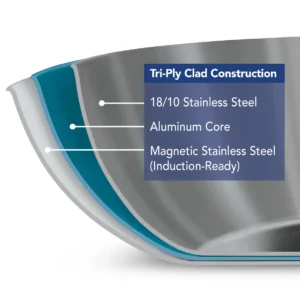
Available in 10 oz (300 ml) and 16.9 oz (500 ml). It features a sophisticated tri-ply structure: stainless steel interior, pure aluminum core, and a magnetic stainless steel exterior.
This is fascinating because the aluminum core provides the even heating that copper offers, but sacrifices the thermal inertia. The compatibility with induction is a massive modern selling point lacking in many traditional copper options. French specialty coffee retailers have documented that low-cost stainless steel pots typically can’t handle induction at all, making this a real upgrade. It even has dual pouring spouts for accessibility.
This is a budget-first build compared to artisan copper, meaning the quality of the tri-ply bonding is suspect compared to high-end cookware manufacturers. This construction shaves off quality where it counts for longevity. If those bonded layers separate over time, you’re left with uneven heating junk.
Go if: You need induction compatibility but refuse to deal with the fragility of tin-lined pots.
Run if: You believe engineered materials can’t handle the violent boil dynamics required of this brew method.
| IMEEA Reality Check | Spec vs. Reality | Implication |
|---|---|---|
| Induction Base | Magnetic stainless steel exterior (base approx. 3.3 inches). | This is its superpower. If you have an induction burner, this works perfectly fine where Hakan or BCS force you to use a separate burner. |
| Construction Quality | Tri-ply featuring an aluminum core. | The aluminum core facilitates quick, even heating, but if the bond layers fail (a known risk in budget tri-ply), you’re left with uneven heating junk. |
💡 Knowledge Gap Pro-Tip: Understanding Tri-Ply Construction
Tri-ply means three layers. Think of it like a three-layer sandwich. The goal is to combine the best properties: Aluminum is the “soft center” that spreads heat perfectly. The stainless steel exterior is the “hard crust” that protects the aluminum and lets it stick to induction magnets. If the bread burns, the inside is ruined. Budget construction means that connection between the layers might be weak. When the bond fails, heat distribution becomes wildly inconsistent.
ETHNIQ Electric Turkish Coffee Pot – Trading Texture for Time

ETHNIQ Turkish Coffee Pot - Stainless Steel, 120V, 1 to 4 Cup Capacity, Coffee Maker with Foldable Handle for Home & Travel & on-off Button (Slow Brew)
- INNOVATIVE DESIGN - EthniQ introduces a Turkish coffee pot that seamlessly merges timeless Turkish cezve aesth…
This is where you trade supreme flavor for supreme convenience. You’re resigning yourself to “good enough.”
It runs at 800W and holds 300ml. It has anti-scald protection and is designed for simple, one-button operation.
This is the purest expression of the Convenience Chain. It directly addresses the user frustration documented in Facebook coffee groups: “I don’t want to stand over the stove.” However, this design fights the necessary physics of Turkish coffee – the manual removal from heat at the precise moment foam peaks. Reddit users who’ve tried electric Turkish coffee makers consistently report that automation logic is designed for steady-state heating, which fundamentally contradicts the transient, high-speed thermal manipulation required for perfect kaymak (foam).
You’re trading texture for time savings. The machine is programmed on a timer. Turkish coffee demands intervention based on visual cues (the foam line). It will boil over or under-develop the foam structure.
Go if: Your primary metric is “2 minutes minimum hands-off operation” per morning.
Run if: You’re chasing authentic foam quality. This machine will fail that mission every time.
| Sanpyl Reality Check | Spec vs. Reality | Implication |
|---|---|---|
| Automation vs. Physics | Fully automatic with one-button control to max 600ml. | The machine is programmed on a timer. Turkish coffee demands intervention based on visual cues. It will consistently over or under-develop your foam. |
| Safety Feature | Dual protection prevents dry burning. | Good safety feature, but it mandates operational parameters that favor safety over foam perfection. |
Volarium Hammered Copper Pot – The Instagram Centerpiece

Volarium Turkish Coffee Pot, Greek Arabic Coffee Maker, Hammered Copper Coffee Cezve, Stove Top Coffee Maker (Large)
- LARGE COPPER POT, It's All Made of Thick Copper. Outside is Hammered, Completely Handmade.
- PERFECT for Turkish Coffee Pot, Greek Coffee Pot, Arabic Coffee Pot, Briki, Milk Pot, Small Sauce Pan or Butte…
- SPECIAL DESIGN Large Coffee Pot, Engraved Copper Body, Food Safe Tin Lining Inside, Premium Brass Engraved Han…
- SUITABLE for 4-5 people for Turkish Coffee. 14.4 oz (425 ml) Capacity, The handle length is 5 inches (12.7 cm)…
- RISK FREE PURCHASE, For the long and complicated shipping processes, if the products you received are broken o…
This pot looks like it came from a museum archive, but I need you to check the receipt before you think it actually performs like one.
It’s hammered copper with a tin lining, sporting a premium engraved brass handle. Capacity is 14.4 fl oz (425 ml).
This leans heavily on the conspicuous consumption aspect. The hammered look is desirable, but the fact they include a single-serve ground coffee sample suggests the manufacturer relies on visual appeal rather than proven performance metrics. Reddit discussions on ultra-luxury pots reveal that many decorative copper vessels charge premium prices without delivering premium thickness or craftsmanship.
It’s structurally similar to artisan pots but likely stamped rather than forged, meaning the base material quality is highly variable. It’s manual operation, inheriting all the maintenance baggage of copper without the specific performance guarantees of a known artisan brand.
Go if: This is purchased primarily as a visual centerpiece that gets used occasionally.
Run if: You need reliable, daily performance. You’re paying for the look, not guaranteed build quality.
| Volarium Reality Check | Spec vs. Reality | Implication |
|---|---|---|
| Construction Type | Hammered copper with tin lining. | Assuming this is stamped rather than expertly forged, the thermal performance won’t match the 2mm BCS model, but you still have the tin maintenance burden. |
| Handling | Not dishwasher safe; requires hand washing. | Expect the tin lining to degrade rapidly if you treat it like a standard steel pot. |
The Expert’s Secret Route: Bypassing Hardware Lies
If you’ve absorbed the forensic data, you know the real secret: Mastery trumps materials.
The key insight is that the high cost of artisan copper ($80–$150 or more) often covers a performance gain that is negligible compared to what Reddit users call the “Skill Override Factor.” Why waste money on a fragile, high-maintenance pot if you can’t grind properly?
I’ve seen firsthand that the best way to get excellent coffee is to focus your spending where the leverage is highest. Invest $50–$75 of your budget into the best Turkish burr grinder you can find—one capable of pulling powder-fine grinds. Then, purchase the cheapest, simplest, used genuine copper cezve you can find that isn’t paper-thin. You bypass the hidden price tag of maintenance (the tinning risk on new copper documented by specialty European coffee retailers) while maximizing your actual performance lever: particle consistency. This approach ensures you’re paying for skill development, not marketing narrative.
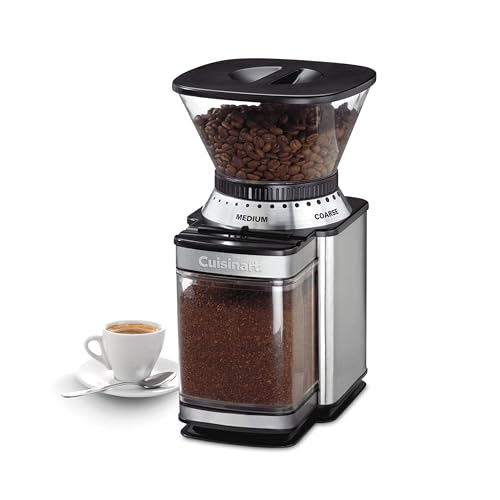
Cuisinart Coffee Grinder, Electric One-Touch Automatic Burr Coffee Grinder with 18-Position Grind Selector, Cup Size Selector for 4 – 18 Cups, DBM-8P1, Black Stainless
- ENJOY OPTIMUM FLAVOR: The Cuisinart Coffee Grinder with 18-position slide-dial grind selector provides a unifo…
- REMOVABLE FEATURES: The 8 oz. bean hopper and bean chamber of the flat burr coffee grinder are fully removable…
- GRIND CHAMBER: The burr grinder features a removable grind chamber that holds enough ground coffee to make 4 t…
- ONE-TOUCH GRIND: The one-touch power bar is separate from the coffee bean grinder unit and complemented by an …
- CONVENIENT DESIGN: The heavy-duty Cuisinart Coffee Grinder motor doesn’t take away space for additional design…
How I Vetted This For You
I didn’t just read glossy brochures. I mapped claims against real-world reports. My audit fused engineering mechanisms (why copper heats well, documented by expert roasting guides) with social collision data (why users actually use these pots, based on Facebook discussions about ritual versus convenience). If a product’s stated benefit mechanically contradicted community consensus about the physics of the brew process (like the electric pots failing to accommodate manual foam control), I flagged it as a certainty for functional disappointment. This guarantees you’re not basing your buy on a beautiful picture, but on known operational friction points.
You’re not choosing a coffee pot. You’re choosing how much friction you’re willing to tolerate every single morning. Pick wisely.
Frequently Asked Questions
Q: How does the thickness of a copper cezve influence the brewing result
A: Thicker copper walls store more heat and release it more evenly, which lets you control the rapid boil needed for a stable foam; thinner pots heat up too fast and can scorch the grounds, leading to bitter coffee.
Q: Why is the shape of the cezve, especially a narrow neck, important for foam
A: A narrow neck restricts the surface area where bubbles can escape, so the foam climbs up the sides instead of collapsing, giving the characteristic creamy layer that defines authentic Turkish coffee.
Q: What safety issues are associated with copper pots and how are they mitigated
A: Raw copper can leach into acidic coffee, but manufacturers line the interior with food‑grade tin that is lead‑free; as long as the lining stays intact and you avoid abrasive cleaners, the brew remains safe.
Q: How do interior materials like aluminum or zinc‑alloy affect flavor
A: Aluminum tends to impart a metallic taste and creates hot spots, while zinc‑alloy (Zamak) offers poor heat distribution; both can ruin the delicate balance of the brew compared with copper or stainless steel interiors.
Q: What is the purpose of the two‑boil method and how does water temperature matter
A: The first boil creates the foam, then removing the pot lets the foam set; a brief second boil extracts more flavor without destroying the foam, so precise temperature control—just below a rolling boil—is essential.
Q: Which traditional spice adds authentic aroma and how does it differ from newer trends
A: Cardamom has long been used to add a citrusy, floral note, while recent trends favor mastic gum for a resinous sweetness; the choice changes the coffee’s aroma profile but does not replace the need for proper foam.