Pham Toan

Pham Toan is a passionate coffee enthusiast, café owner, and barista since 2017. He dreams of traveling the world to connect with fellow coffee lovers and share experiences about the art of coffee.

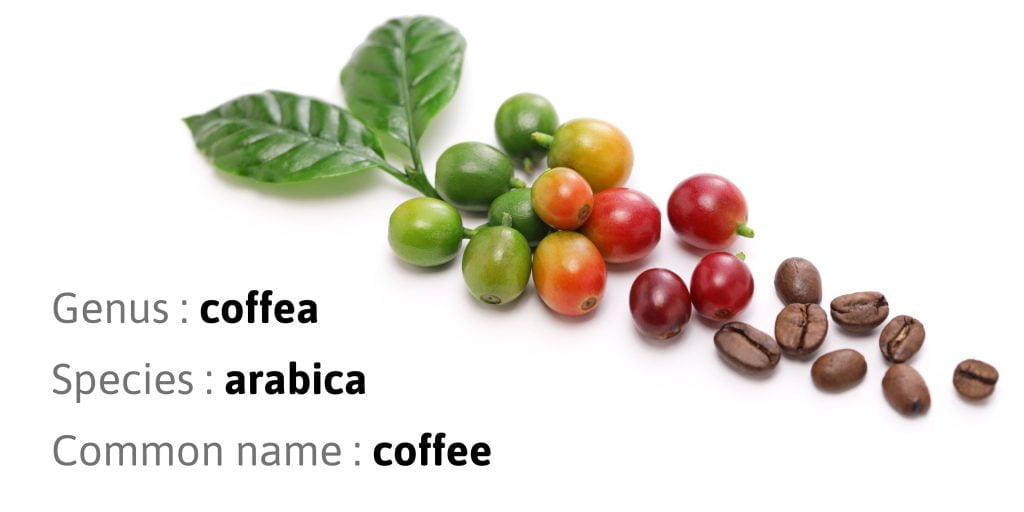
Arabica coffee leaves, beans and berries
Coffee Beans

The Comprehensive Journey of Arabica Coffee: From Plant to Cup

Arabica coffee (Coffea arabica) is the world’s most popular coffee species, accounting for over 60% of global production, and is cherished for its smooth, complex flavor profiles, ranging from fruity to floral. Originating in the Ethiopian highlands, Arabica requires specific conditions, thriving best at high altitudes (1,200 to 1,800 meters ASL) and temperatures between 15°C and 24°C. Despite challenges from Coffee Leaf Rust, its foundational varieties, Typica and Bourbon, continue to shape global cultivation. Discover the comprehensive journey of Arabica, from its genetic origins to its cultural impact worldwide.

The Comprehensive Journey of Arabica Coffee: From Plant to Cup Read More »
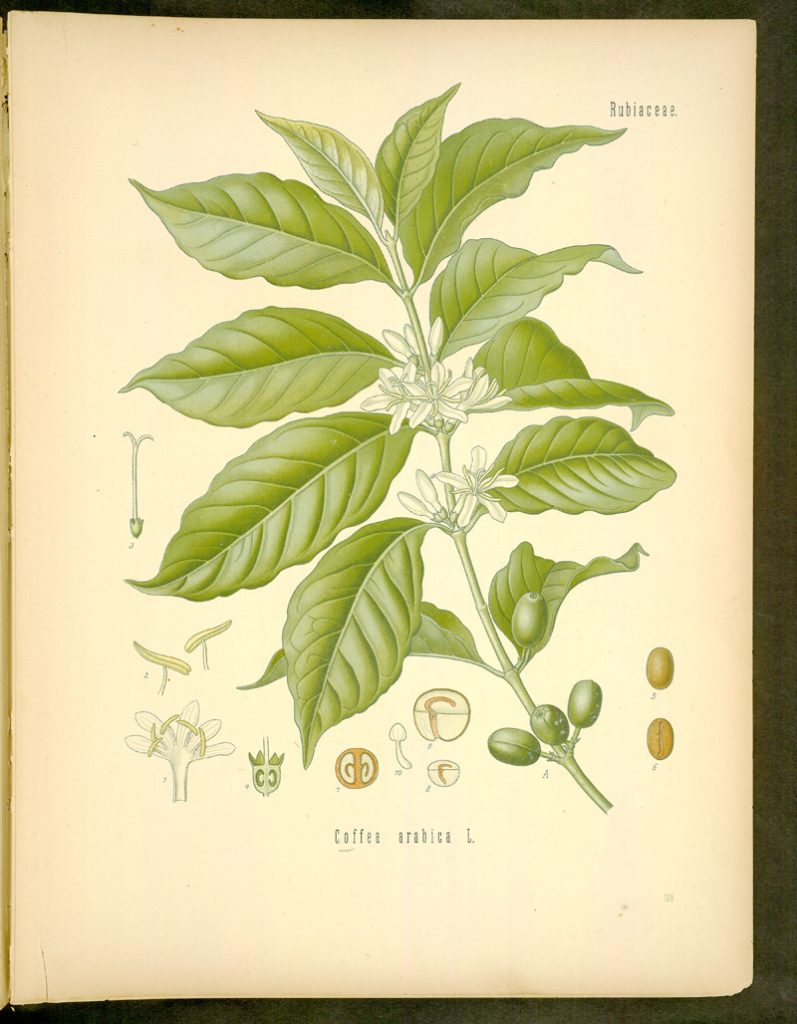
Botanical illustration of Coffea arabica plant, showing detailed leaves, flowers, and coffee cherries. The drawing includes close-up views of individual flowers, seed structure, and coffee beans. The illustration is labeled 'Rubiaceae' and 'Coffea arabica L.
Coffee Beans

Coffee Varieties: An In-Depth Exploration

Coffee varieties are primarily classified into three main species—Arabica, Robusta, and Liberica—based on morphological, genetic, and sensory characteristics. A key distinction is their chromosome count (Arabica has 44 vs. Robusta/Liberica’s 22) and preferred altitude (Arabica thrives at 600-2000m, Robusta at 0-800m). Modern classification includes F1 Hybrids, which are crossbred for superior traits like disease resistance and high yield. Understand the science behind coffee classification and how it shapes your daily brew.

Coffee Varieties: An In-Depth Exploration Read More »

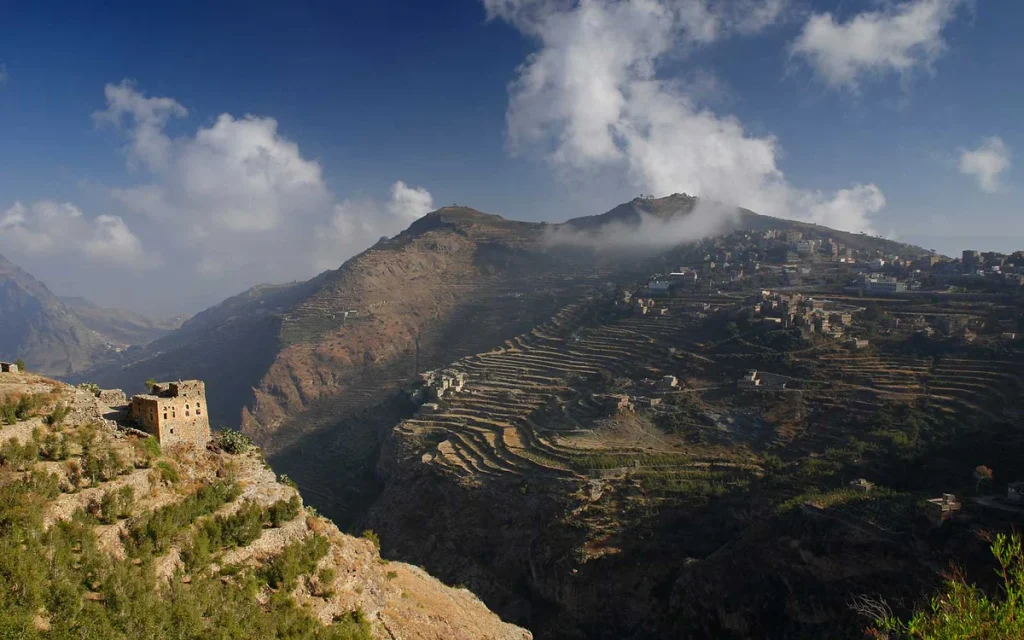
Terraced coffee fields in Yemen’s mountainous landscape.
History & Culture

Enthralling Saga of yemen coffee history : A Colorful Adventure

Yemen is the pivotal starting point for coffee’s global journey, transforming the bean from an Ethiopian wild plant into a global commodity. After its introduction in the 15th century, the port of Mokha became the world’s coffee trade center until the Dutch broke Yemen’s centuries-long monopoly by successfully exporting viable seeds to Java. Today, despite supplying only 1% of global production, Yemeni coffee remains highly valued for its unique genetic varieties and superior quality grown in the high mountains. Explore the enthralling saga of how Yemen shaped the coffee culture we know today.

Enthralling Saga of yemen coffee history : A Colorful Adventure Read More »

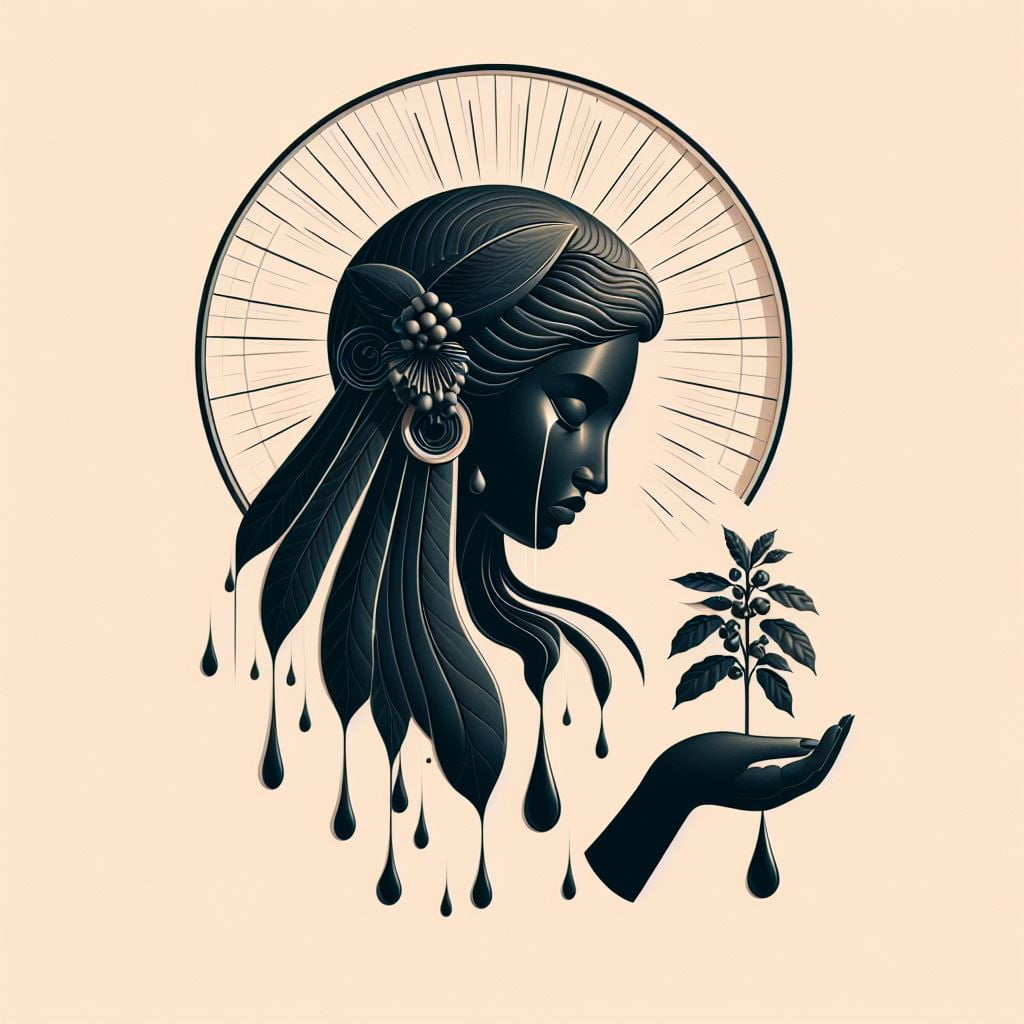
Illustration of a woman symbolizing the spiritual essence of coffee, with tears turning into coffee plants, representing the Oromo myth that coffee sprouted from the tears of their god Waaqa.
History & Culture

Unleashing the Hidden Magic of Oromo Coffee Culture

The Oromo coffee culture is a profound spiritual and social heritage where coffee is viewed as a sacred artifact, not merely a beverage. Originating from the legend of the god Waaqa’s tears, the traditional ceremony revolves around the revered Jabanaa pot and features the historic food Buna Qalaa (coffee berries mixed with butter). This ritual acts as a critical educational platform, reinforcing community unity, passing down traditions, and promoting sustainable land practices. Unleash the hidden magic of Oromo coffee culture and its deep significance beyond the cup.

Unleashing the Hidden Magic of Oromo Coffee Culture Read More »

A glass mug of mocha coffee topped with frothy milk and dark chocolate shavings, accompanied by a dessert plate.
History & Culture

What is Mocha: Unveiling the Secrets Behind the Beloved Coffee Drink

A Mocha is an espresso-based beverage combining espresso, steamed milk, and chocolate, making it a chocolate-flavored variation of a standard latte. Unlike plain hot chocolate, a Mocha always contains coffee, deriving its name from the port of Mokha, Yemen, famous for its naturally chocolatey beans. Discover the full journey of this beloved drink, its rich history, and modern variations like the White Chocolate Mocha and the Moka Cookie Crumble Frappuccino.

What is Mocha: Unveiling the Secrets Behind the Beloved Coffee Drink Read More »

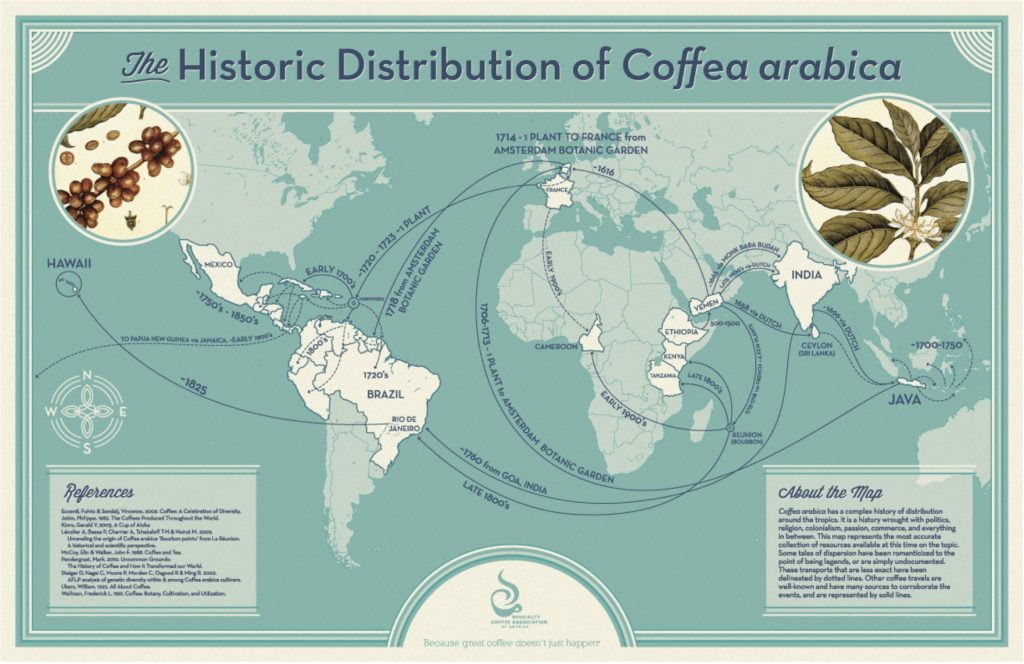
A vintage-style map depicting the historical distribution of Coffea Arabica from its origins to various parts of the world, with routes from Hawaii to Brazil, and to the Java region highlighted.
History & Culture

Exploring origins of Coffee: From Ancient Brew to Modern-Day Elixir

Coffee originated in the highlands of Ethiopia before spreading to Yemen, where it was first documented as a beverage in the 15th century. Its global journey saw the Dutch establish cultivation in Indonesia and Brazil become the world’s leading producer by 1852, a title it maintains today. Explore the full history, from ancient brews to the modern-day elixir, and discover the cultural impact of this essential beverage.

Exploring origins of Coffee: From Ancient Brew to Modern-Day Elixir Read More »

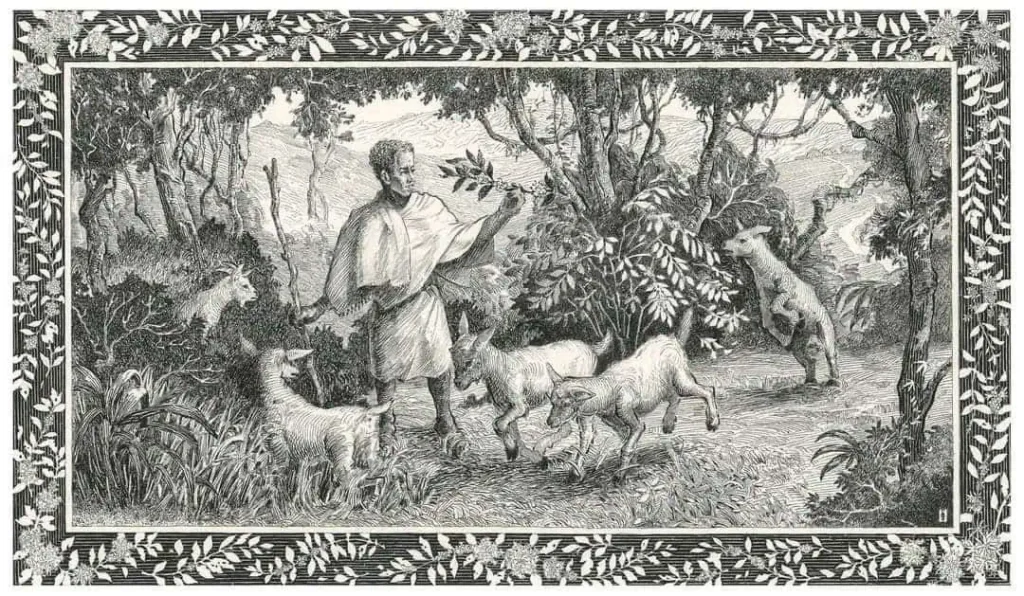
An illustration of Kaldi, the goatherd who is part of the rich history of coffee.
History & Culture

A Brief History of Coffee: From Ethiopia to the World

The history of coffee begins in the highlands of Ethiopia around 800 AD. According to legend, the stimulating effects of the coffee cherry were discovered by a goat herder named Kaldi, who observed his goats exhibiting “extraordinary energy” after eating the berries. From Ethiopia, coffee cultivation and trade spread to Yemen in the 15th Century, which became the first major center for coffee culture before its introduction to Europe in the 17th Century.

A Brief History of Coffee: From Ethiopia to the World Read More »

Scroll to Top