

A well-made carajillo is one of the most deceptively simple coffee cocktails you’ll encounter, and one of the most misunderstood. Most recipes online pick a side without telling you there are two sides: the old-school Spanish hot build with brandy or rum, and the modern Mexican shakeado with Licor 43 over ice.
Both are legitimate. Both taste completely different. Which one you make depends on what you’re after, and this guide walks through both from ingredients to garnish, with the ratio conflicts resolved before you pour a single drop.
Key Takeaways on Carajillo
- Carajillo splits into two distinct drinks: a traditional Spanish hot build with brandy or rum, and a modern Mexican shakeado with Licor 43 over ice.
- Lock your ratio before mixing: 1:2 spirit-to-coffee for the Spanish hot version, 1:1 Licor 43-to-espresso for the Mexican shakeado.
- Licor 43’s citrus and vanilla botanicals balance espresso bitterness; that contrast is the core of the modern Mexican version, not just a flavor note.
- For the shakeado, shake vigorously for 20 seconds until the shaker is frosty, then strain immediately to control dilution.
- Cold brew concentrate is a prep-ahead requirement for iced carajillo; hot espresso chilled on the counter produces a watery, under-extracted result.
- Batch only the spirit-plus-coffee base without ice, refrigerate in an airtight container, and use within 24 hours before oxidation degrades the flavor.
Prerequisites: Ingredients, Equipment, and Coffee Base
Before you touch a shaker or a mug, the carajillo asks one thing of you: decide which drink you’re making. The ingredient list and prep strategy split at the coffee base, and getting that wrong early makes the rest of the recipe unreproducible.
Shopping and Prep Checklist
Carajillo ingredients fall into two columns depending on which style you’re building.
For the traditional Spanish hot carajillo, you need Spanish brandy or rum, hot espresso or strong brewed coffee, and optionally sugar if your coffee runs bitter. Garnish with an orange peel or a few whole coffee beans.
For the modern Mexican carajillo shakeado, you need Licor 43, espresso, strong coffee, or cold brew concentrate. Garnish options include an orange peel or rind, coffee beans, a lemon wedge, or a coarse sugar rim on the glass.
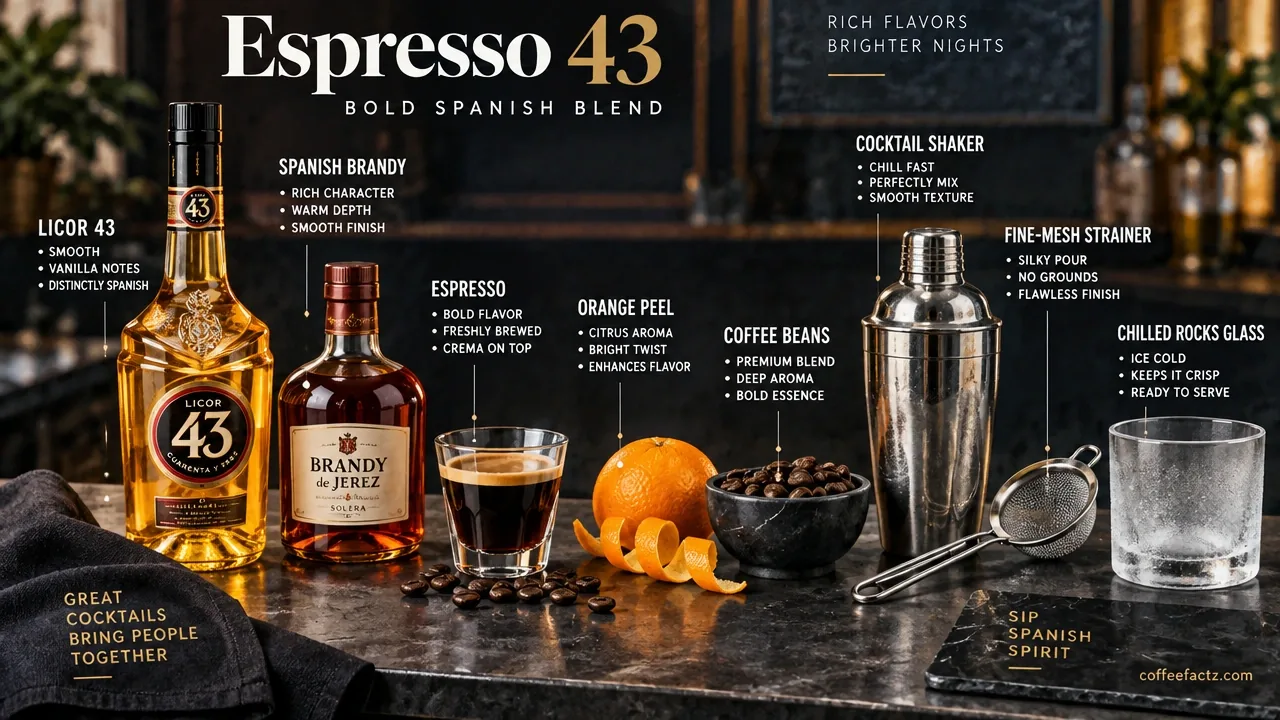
Equipment for both styles:
| Item | Purpose |
|---|---|
| Cocktail shaker | Mixing and chilling the Mexican shakeado |
| Fine-mesh strainer | Controls dilution after shaking |
| Rocks, old-fashioned, or coupe glass | Serving vessel; coupe works for served-up version |
| Ice (one large cube or 4–6 smaller cubes) | Chilling without fast dilution |
| Bar spoon | Stirring the Spanish hot version |
| Coffee filter and pitcher | Filtering cold brew concentrate |
One thing worth saying plainly: authentic carajillo is not just coffee poured over alcohol. It depends on temperature control, the right ratio of spirit to coffee, and glassware that fits the style. Chill your glass for at least 5 minutes before serving the iced version. Skip that step and the drink warms up before you finish it.
One natural transition before the photo: here’s what a fully staged prep setup looks like before you start either build.
Brewing Concentrate and Chilling Strategy
Your coffee base choice determines whether the recipe even works as written. Hot espresso belongs in the Spanish hot build and the Mexican shakeado version when you’re serving immediately. For a fully iced shakeado, you want chilled strong coffee or cold brew concentrate, and that concentrate is a prep-ahead item, not something you make on the spot.
Most beginner ingredient lists stop at “coffee and Licor 43.” That’s where iced carajillo recipes fall apart in practice. Hot espresso poured into a shaker with ice cools unevenly, dilutes fast, and kills the foam. Cold brew concentrate solves all three problems at once.
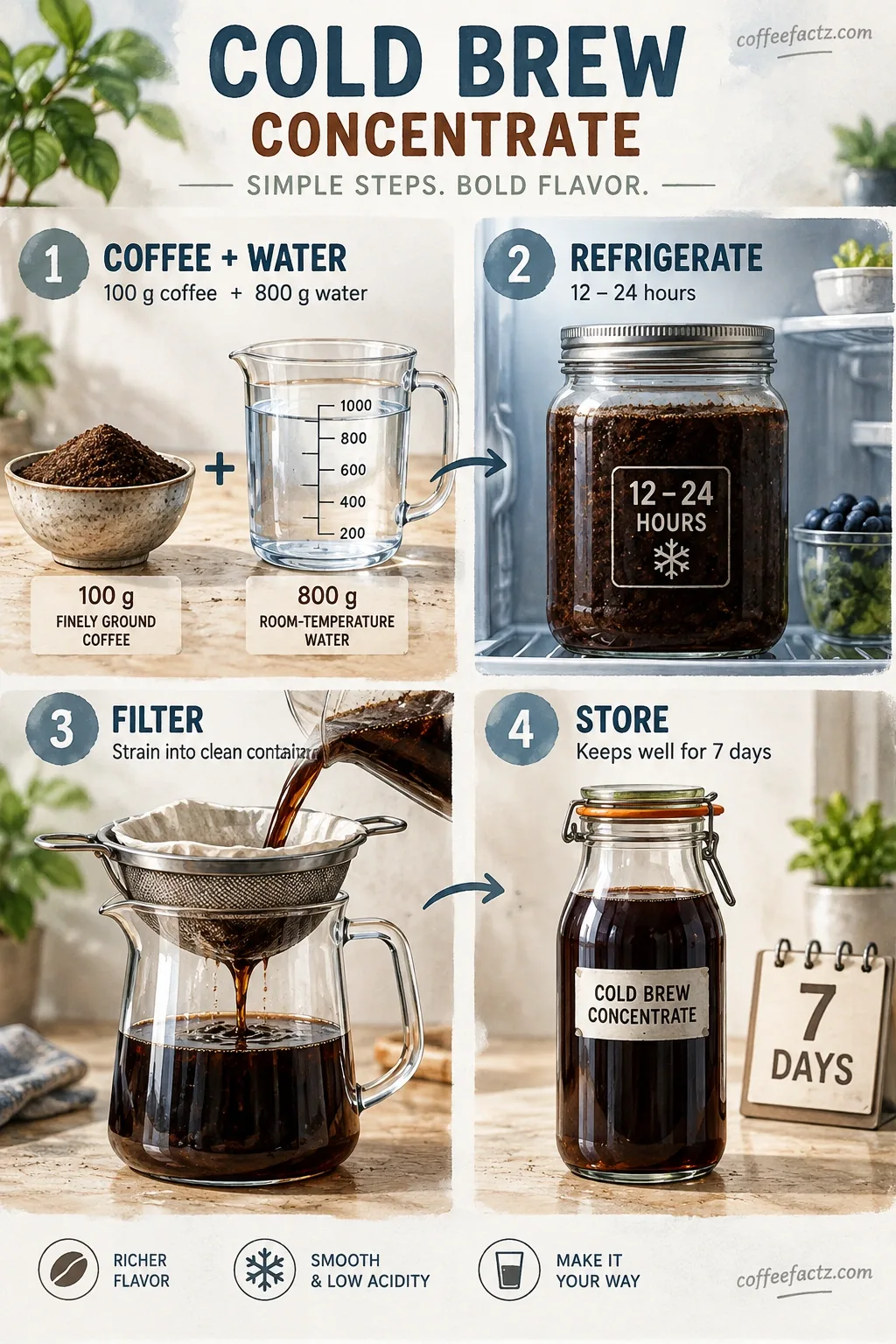
The exact chain when the recipe calls for cold brew: combine 100 g finely ground coffee with 800 g room-temperature water. Refrigerate for 12 hours, up to 24 hours if you want more concentration. Filter through a coffee filter. Store in an airtight container for up to 7 days. That’s your base. It’s what keeps a carajillo shakeado from tasting watery or under-extracted when you pull it from the fridge and shake it.
Step 1: Spanish Hot vs. Mexican Shakeado, History and Identity
Carajillo styles don’t just taste different. They come from different places, different eras, and different drinking cultures. If you don’t resolve that upfront, you’ll follow a recipe written for one style while expecting the result of the other.
Origin Narratives and Style Distinctions
The carajillo origin story splits cleanly into two lineages, and both deserve honest treatment.
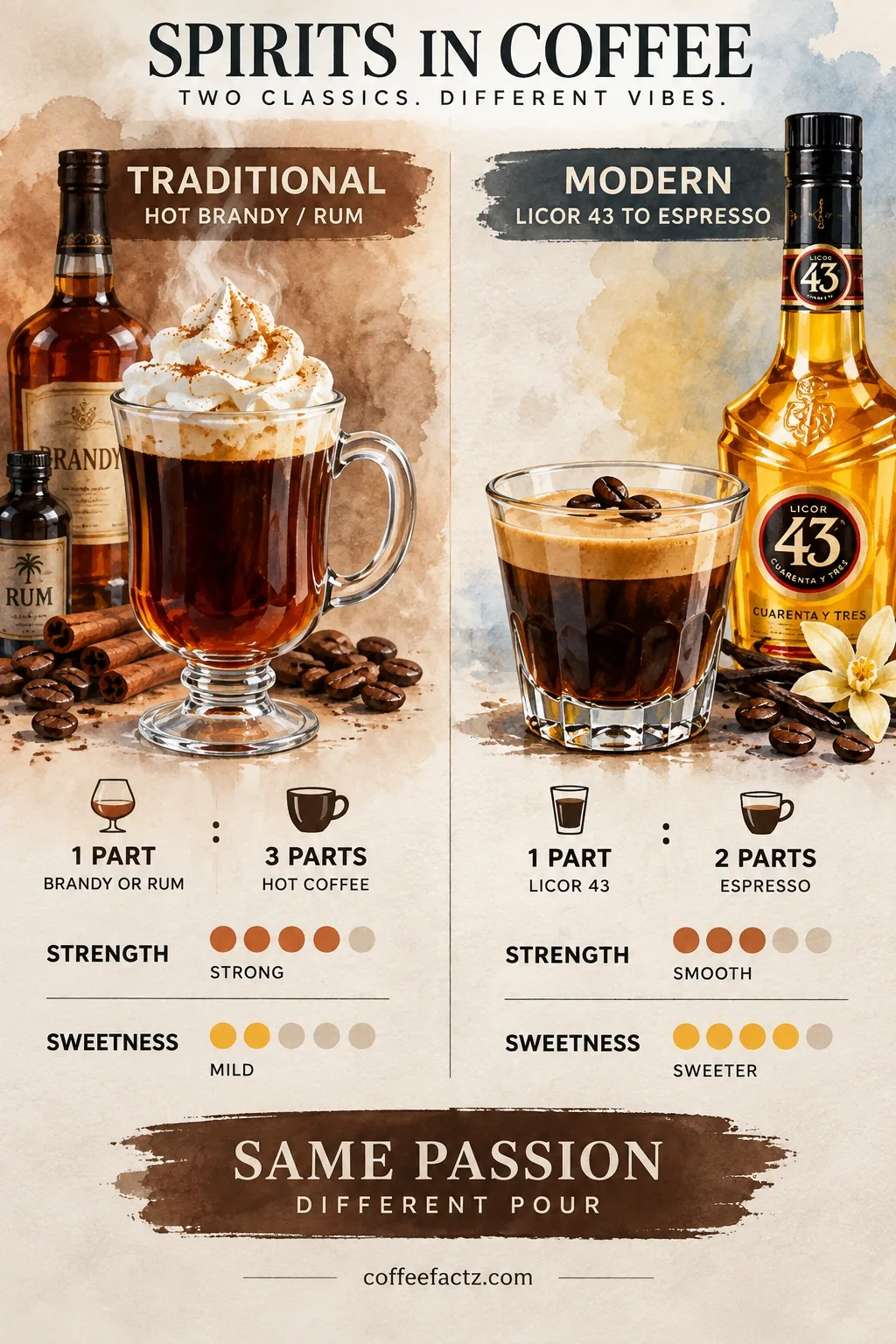
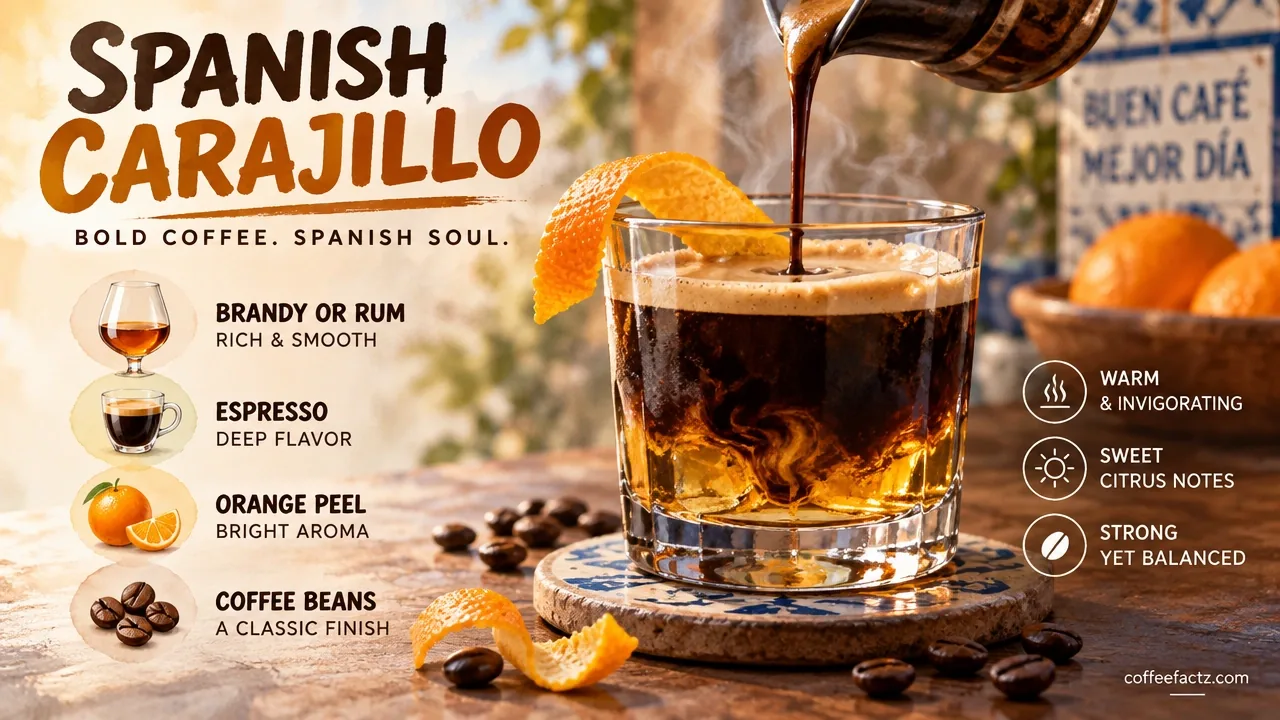
The traditional Spanish carajillo is a hot drink: brandy or rum stirred into hot coffee, sometimes sweetened, served in a small glass or mug. It’s a café staple across Spain, the kind of drink that ends a long lunch. One popular legend traces it to Spanish soldiers in Cuba who added rum to their coffee for “coraje,” meaning courage. That story circulates widely, but it’s a legend, not a documented historical fact. Treat it as flavor, not evidence.
The modern Mexican carajillo is a different animal entirely. It’s cold, frothy, and built around Licor 43, a Spanish liqueur made from citrus fruits, vanilla, and other botanicals. This version is shaken, served over ice, and has become a staple at Mexican cocktail bars over the past two decades. It doesn’t trace back to the Spanish original in any direct way. It borrowed the name and the coffee-plus-spirit framework, then went somewhere completely different.
One myth worth clearing up directly: carajillo is not traditionally made with tequila. Modern bartenders experiment with mezcal as a variation, and that can work, but tequila is not a standard ingredient in either the Spanish or Mexican lineage. The foundational spirits are brandy, rum, or Licor 43. If a recipe calls for tequila, it’s a riff, not a carajillo.
Both styles are valid within their own lineages. This guide teaches both rather than declaring one the only authentic version, because that argument misses the point. They’re different drinks with a shared name.
Ratio Locking and Strength Predictability
Before any steps, lock a carajillo ratio. Online recipes use at least three different proportions, and mixing them up produces a drink that’s either boozy and flat or weak and sweet.
Here’s where the conflict lives: some sources use a 1:1 ratio of Licor 43 to espresso. Others use 3:2 coffee to Licor 43. One widely cited recipe even contradicts itself within the same page, listing a 3:2 ratio of Licor 43 to espresso in the text but reversing the amounts in the actual ingredient list.
For this guide, the ratios are fixed as follows:
| Style | Spirit | Coffee Base | Ratio |
|---|---|---|---|
| Traditional Spanish hot | Brandy or rum | Hot espresso or strong coffee | 1 part spirit : 2 parts coffee |
| Modern Mexican shakeado | Licor 43 | Espresso, strong coffee, or cold brew concentrate | 1 part Licor 43 : 1 part coffee |
The Spanish hot version leans spirit-forward but uses more coffee to keep it drinkable and aromatic. The Mexican shakeado uses equal parts because Licor 43’s sweetness needs a full measure of espresso bitterness to stay balanced. Adjust from these anchors once you know the drink. Don’t start without them.
Step 2: Build the Traditional Spanish Hot Carajillo
Spanish hot carajillo is the simpler of the two builds, but simpler doesn’t mean careless. Temperature and layering do the work here.
Start by warming your glass or mug. Run hot water through it, dump it out, then add your Spanish brandy or rum. Use the locked ratio from Step 1: 1 part spirit to 2 parts coffee. Pull a shot of hot espresso or brew a small cup of strong coffee and pour it directly over the spirit.
Don’t shake this. Don’t stir it unless you want full integration. The traditional build layers the spirit underneath the coffee, and that layering is intentional. The first sip hits the coffee; the spirit comes through underneath. If you prefer a fully blended cup, a single slow stir with a bar spoon does it. Either way is correct.
Sugar is optional here, and only if the coffee is genuinely bitter. The brandy or rum already carries sweetness. Adding sugar on top of that tips the drink toward syrupy. Taste first.
Garnish with a twist of orange peel expressed over the top, or drop in two or three whole coffee beans. The orange oils lift the aroma considerably. Don’t skip it.
This version is hot, aromatic, and not frothy. No ice. No shaker. It’s a warm, spirit-forward drink meant to be sipped slowly. If you add ice, you’ve started building a different recipe.
Step 3: Build the Modern Mexican Carajillo Shakeado with Licor 43
Mexican carajillo shakeado lives or dies on balance, not just ratio. The ratio gets you in the right neighborhood. Balance is what makes it taste like something.
Start with a chilled glass. Add Licor 43 and your coffee base: espresso, strong coffee, or cold brew concentrate in equal parts. The reason this combination works is chemical and sensory. Licor 43’s botanicals include citrus peel and vanilla, two flavors that cut through espresso’s roasted bitterness and round it out rather than competing with it. The result is a drink where neither ingredient dominates. You taste both.
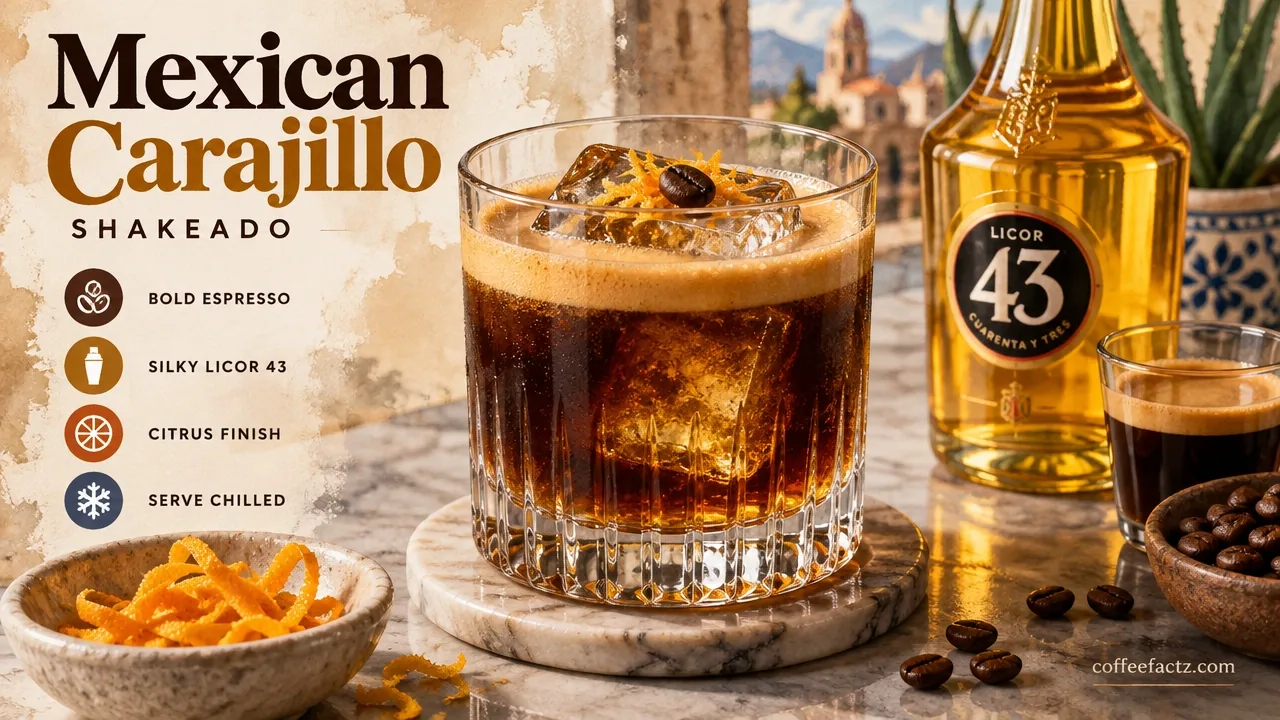
Sweetness control is where most home versions go wrong. Licor 43 is sweet on its own. Espresso provides the bitterness that keeps it in check. If you add simple syrup on top of that, you’ve broken the balance. Skip the syrup unless the coffee is unusually bitter, in which case a small amount corrects it. A twist of orange peel or a grating of orange rind over the top adds aroma without sugar.
Use one large ice cube in the glass rather than several small ones. Large ice melts slower, which means less dilution as you drink it. Small cubes chill faster but water the drink down within minutes.
If the drink tastes flat, the problem is almost always one of three things: under-chilled coffee going into the shaker, too much small ice diluting the mix, or espresso that wasn’t strong enough to push back against the Licor 43’s sweetness. The spirit itself is rarely the issue.
This version is called carajillo shakeado specifically because it’s shaken. Brandy or rum would produce a different drink, a valid one, but not this particular style. Licor 43 is what defines the modern Mexican version.
Step 4: Shake or Layer, Then Garnish Both Styles
Carajillo method is where the two builds diverge most sharply, and where most home recipes fail to give enough instruction.
For the modern Mexican shakeado: add Licor 43 and your coffee base to a shaker. Fill with ice. Shake hard for about 20 seconds, until the outside of the shaker is frosty. Strain into a chilled glass over fresh ice, or serve up in a coupe if you prefer no additional dilution. Do not skip straining. Pouring the shaken drink directly over the ice in the shaker adds dilution you can’t control.
If you want a thick foam cap on top, shake hard for the first 10 seconds. The foam comes from the coffee proteins agitated by the ice and the shaking motion. Under-shaking produces no foam. Over-shaking increases dilution. Twenty seconds is the target. Frosty shaker exterior is your confirmation that the drink is properly chilled.
For the traditional Spanish hot: do not shake. Add the spirit first, then pour the hot coffee gently over it. Stir once with a bar spoon if you want full integration. The layering preserves the distinct spirit-and-coffee aroma. Shaking it would cool it down, add water, and kill the point of serving it hot.
“Add both ingredients to a shaker with a large rock of ‘chunk’ ice. Shake vigorously until well chilled and a nice foam has formed. Strain into a chilled Old Fashioned glass filled with ice. Garnish with three espresso beans.” – Tito Pin Perez, Creative Director of Mexico City’s Rayo cocktail bar
The professional standard from Rayo is worth noting: a single large rock of ice in the shaker, not a pile of cubes. That controls dilution during the shake while still chilling the drink thoroughly. Three espresso beans as garnish are both visual and aromatic, placed on the foam so the drinker smells coffee before the first sip.
Garnish for both styles:
- Orange peel or rind: Express the oils over the drink, then drop it in or rest it on the rim.
- Coffee beans: Three beans, placed on the foam or on top of the ice.
- Lemon wedge or coarse sugar rim: Optional for the shakeado. Run a lemon wedge around the rim, then press it into coarse sugar before filling the glass.
Success indicators for the shakeado: frosty glass, visible foam layer, clean coffee-and-citrus aroma. Success indicators for the Spanish hot: steam rising, clear separation between coffee and spirit if you didn’t stir, and a warm orange-brandy smell when you bring the glass up.
The following video shows the shaking method and garnish technique in real time, which is worth watching before your first attempt.
Troubleshooting: Ratios, Dilution, Foam, and Batching
Carajillo troubleshooting comes down to diagnosing which variable broke. Most problems trace back to one of four things: ratio, temperature, ice management, or coffee strength.
Balance and Consistency Repairs
Too sweet: The most common complaint with the Mexican shakeado. Add more espresso, or reduce the Licor 43 by half an ounce. Don’t add water or ice to compensate; that just makes it watery and sweet.
Too boozy or strong: Increase the coffee portion. The spirit ratio is fine; the coffee just needs to catch up. Use cold brew concentrate instead of regular coffee if you want more body without more water.
Too weak or flat: The coffee is under-extracted, not the spirit. Brew stronger, or switch to cold brew concentrate. Adding more Licor 43 to fix a weak carajillo makes it sweeter, not stronger.
No foam: You didn’t shake hard enough, or long enough. Twenty seconds of vigorous shaking with ice should produce foam from the coffee proteins. If you’re using cold brew concentrate instead of espresso, foam will be thinner; that’s normal.
Too diluted: Two likely causes. First, small ice cubes melting during the shake. Use one large cube in the shaker if possible. Second, not straining immediately after shaking. The longer the drink sits on the ice in the shaker, the more dilution you get. Strain into the glass within 30 seconds of finishing the shake.
Temperature too warm: Chill the glass for at least 5 minutes before pouring. Use pre-chilled coffee base rather than hot espresso cooled on the counter. A warm glass undoes all the work the shaker did.
Batch Preparation and Style Selection
Carajillo batching is straightforward with one firm rule: batch the base, not the finished drink.
Combine your spirit and coffee base in a pitcher in the correct ratio. Refrigerate in an airtight container. Shake or pour per serving when needed. Both sources that address batching agree on 24 hours as the outer limit, and that’s the right call. After 24 hours, oxidation affects the coffee’s flavor and the mixture begins to separate. No source addresses those quality changes directly, but they’re real. Once espresso or strong coffee mixes with air and sits, the aromatic compounds that make it taste bright start to break down.
Do not batch the finished drink with ice already in it. The ice dilutes the base as it sits, and you lose control of the ratio entirely by the time you pour.
For final style selection: choose the traditional Spanish hot when you want a warm, aromatic, spirit-forward drink that ends a meal. Choose the Mexican shakeado with Licor 43 when you want something cold, frothy, and built on the contrast between bitter espresso and the citrus-vanilla sweetness of the liqueur. The two drinks share a name and a basic framework. After that, they go in opposite directions.
Frequently Asked Questions About Carajillo
How do you make a traditional carajillo?
Warm a small glass, add Spanish brandy or rum, then pour hot espresso or strong coffee over it in a 1:2 spirit-to-coffee ratio. Stir once if you want full integration, or leave it layered. Garnish with orange peel or coffee beans.
What is carajillo made of?
The Spanish hot version uses brandy or rum with hot coffee. The Mexican shakeado uses Licor 43 and espresso or cold brew concentrate, shaken over ice. Both styles may include orange peel and coffee beans as garnish.
Is a carajillo made with tequila?
No. Traditional carajillo uses brandy or rum in the Spanish style, and Licor 43 in the Mexican style. Some modern riffs substitute mezcal, but tequila isn’t a standard ingredient in either lineage.
How much Licor 43 goes in a carajillo?
A 1:1 ratio of Licor 43 to espresso is the most balanced starting point for the Mexican shakeado. That’s typically 1.5 oz Licor 43 to 1.5 oz espresso or cold brew concentrate. Adjust from there based on how bitter your coffee is.
Why does my carajillo taste too sweet?
The espresso isn’t pushing back hard enough against the Licor 43. Either increase the coffee portion, use a more bitter espresso roast, or switch to cold brew concentrate for more intensity without adding more water.
Can you make carajillo without an espresso machine?
Yes. Strong brewed coffee or cold brew concentrate both work. Cold brew concentrate is actually preferable for the iced shakeado because it’s already chilled and won’t dilute the drink during shaking the way hot espresso would.
Why is there no foam on my carajillo?
You didn’t shake hard enough or long enough. Foam comes from coffee proteins agitated by vigorous shaking with ice. Shake for a full 20 seconds. If you’re using cold brew concentrate instead of espresso, expect a thinner foam layer; that’s a property of the coffee, not a technique failure.
How far ahead can you prep a carajillo for a party?
Mix only the spirit and coffee base, without ice, and refrigerate in an airtight container for up to 24 hours. Shake and strain per serving when guests arrive. Don’t batch the finished drink with ice; it dilutes and separates before anyone pours a glass.
References
- The Carajillo | vinepair.com
