
The Miraculous Birth of Timor Hybrid
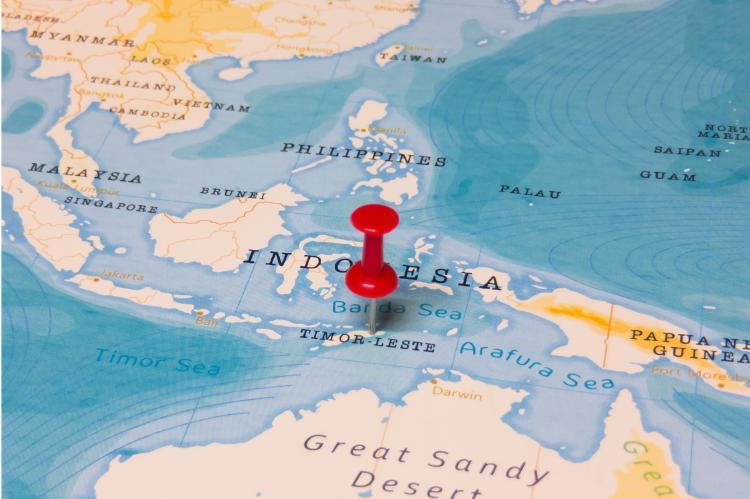
In the 1920s, a strange event happened on the island of East Timor. A Coffea Arabica plant and a Coffea Canephora (Robusta) plant came together to create the Timor Hybrid. This hybrid coffee plant is an Arabica variety that has Robusta genes.
According to biological theory, a variety with 4 pairs of chromosomes rarely mixes with a variety with 2 pairs. This combination usually does not produce healthy and viable offspring.
But Timor Hybrid has 4 chromosome pairs and disease-resistance genes from Robusta. This is a trait that no other Arabica can naturally have. In general, the Timor Hybrid inherits the best attributes of both Arabica and Robusta.
Nature always holds wonders that humanity has yet to fully understand. Recently, scientists found that C. arabica formed about 610,000 to 1 million years ago. This happened through a natural crossing of Coffea Canephora and Coffea Eugenioides. (Nature Genetics in April 2024). It is also challenging to explain why C. arabica has 4 sets of chromosomes, while Coffea Canephora and Coffea Eugenioides only have 2. Typically, diploid parents yield diploid offspring.
The Key Role in the Fight Against Coffee Leaf Rust
In the early 20th century, rising coffee demand led to a boom in coffee production worldwide. However, Arabica farming faced a significant problem: coffee leaf rust. This disease is caused by a fungus called Hemileia vastatrix, which causes leaf drop and considerable crop losses.

The birth of the Timor Hybrid in the 1920s provided breeders with precious genetic resources to create new Arabica varieties resistant to coffee leaf rust. Híbrido de Timor has helped many coffee producers avoid crop failure throughout the 20th century.
The Secret Genes of Timor Hybrid
Scientists have now identified 8 genes related to disease resistance and weather tolerance in Hibrido de Timor (HdT), including:
- LRR receptor-like protein kinase GSO2 (HdT_LRR_RLK3)
- Potential LRR receptor-like protein kinase At3g47110 (HdT_LRR_RLK4)
- Kinase-binding phosphatase (HT12F100)
- LRR receptor-like serine/threonine protein kinase (HT24F133)
- SD1–8 protein kinase receptor-like protein (RLSKsd1)
- Potential At5g39020 receptor-like protein kinase (RLKat5)
- Potential leucine-rich repeat receptor-like protein kinase At1g35710 (HdT_LRR_RLK1)
- Potential leucine-rich repeat receptor-like protein kinase At1g35710 (HdT_LRR_RLK2)
Source: Unravelling the role of key genes involved coffee leaf rust resistance
Popular Varieties from Timor Hybrid:
Today, many coffee farming regions globally are planted with the descendants of these efforts, often referred to as Sarchimors (Timor Hybrid x Villa Sarchi) and Catimors (Timor Hybrid x Caturra). Catimors and Sarchimors are not single varieties; they are groups of various varieties with similar genetic backgrounds.
Catimor Group:
- IHCAFE 90: Grown in Honduras and other parts of Central America
- T8667: Central America
- Fronton: Puerto Rico
- Lempira: Honduras and other parts of Central America
- Catisic: El Salvador
- Oro Azteca: Mexico
- Costa Rica 95: Costa Rica
- Catimor 129: Malawi, Kenya
- T5175: Central America
- Anacafe 14 (T5175 x Pacamara): Guatemala
Sarchimor Group:
- T5296: Central America, South America
- Parainema: Honduras
- Cuscatleco: El Salvador
- Marsellesa: Nicaragua
- Obata Rojo: Costa Rica, Brazil
- Monte Claro: Venezuela
- Limani: Puerto Rico, Brazil
- IAPAR59: Brazil

Quality of Timor Hybrid Varieties
The quality of Timor Hybrid coffee beans is lower than that of pure Arabica, with less refined flavor, acidity, and sweetness. The taste is often described as strong, bitter, and less aromatic than Arabica.
This is due to the Robusta genes in HdT. Many believe Timor Hybrid is a lower version of Arabica coffee and a higher version of Robusta.
However, modern cultivation techniques, processing methods, and roasting techniques have improved the quality of Timor Hybrid coffee. Every year, lots of Lempira, Parainema, IHCAFE 90, etc., score highly in the Cup of Excellence, reaching up to 90 points, more than enough to be called specialty coffee.
Conclusion
Timor Hybrid, with its valuable genetic resource, while not outstanding in coffee bean quality like pure Arabica, still holds a vital position in the history and future of the global coffee industry.
Frequently Asked Questions about Timor Hybrid Coffee
How does Timor Hybrid coffee provide resistance to coffee leaf rust?
Timor Hybrid coffee incorporates robusta genes that encode potent defense proteins, giving the plant strong resistance against Hemileia vastatrix, the fungus that causes coffee leaf rust. Breeders extract these genes to develop new varieties that remain productive even under high humidity and disease pressure.
What is the flavor profile of Timor Hybrid coffee compared to pure Arabica?
While pure Arabica is known for its refined acidity and aromatic complexity, Timor Hybrid beans typically offer a stronger, more bitter cup with lower acidity. Modern processing and roasting techniques have, however, enabled many Timor Hybrid varieties—such as Lempira and Parainema—to achieve specialty‑grade scores above 90 points.
What are the key genetic components that give Timor Hybrid coffee its disease resistance?
The hybrid’s resilience comes from eight identified resistance genes, including LRR receptor‑like protein kinases (GSO2, At3g47110, At1g35710, etc.). These genes help the plant detect and fend off pathogens, providing a durable defense against leaf rust and other diseases.
How has the Timor Hybrid coffee plant shaped market trends for specialty coffee?
Historically, the Timor Hybrid’s disease‑resistant traits lowered production risks for growers, making the crop more reliable. Today, its improved quality and consistency have led to increasing demand for specialty-grade Timor Hybrid beans, with many farms now achieving high points in competitions and entering premium export markets.
Which Timor Hybrid variety is best suited for large‑scale commercial cultivation?
For large‑scale production, varieties like **Catimor 90**, **Lempira**, and **Parainema** are popular because they combine robust disease resistance with high yields and manageable cultivation requirements.