brewing tips

caffeine content in roasts
Health

Does Light Roast Coffee Have More Caffeine?

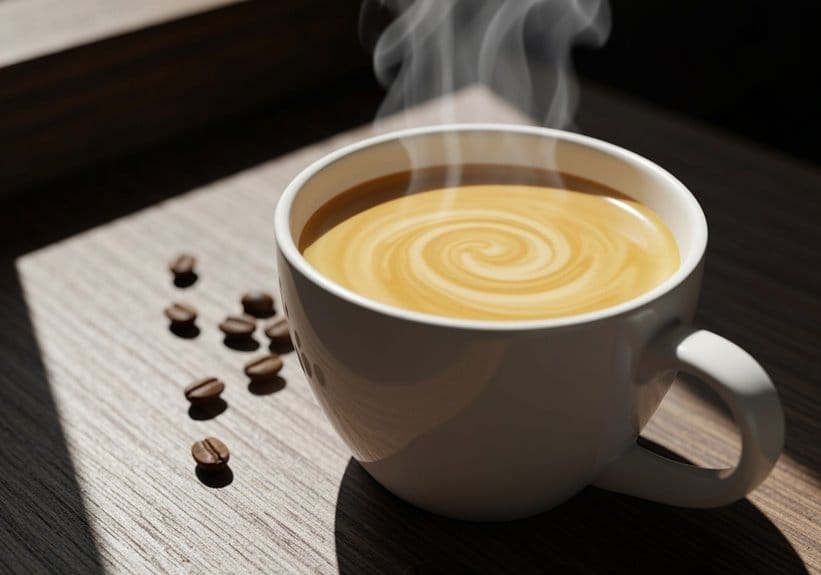
Contrary to popular belief, light roast coffee often contains more caffeine than dark roast when measured by volume due to denser, smaller beans. The roasting process causes minimal dehydration, keeping caffeine levels stable across roasts. Measuring by weight ensures accuracy. Read on to discover the science behind roast levels and brewing methods.
Does Light Roast Coffee Have More Caffeine? Read More »

build your own coffee roaster
Coffee Roasting

DIY Coffee Roaster: 5 Steps to Build & Use

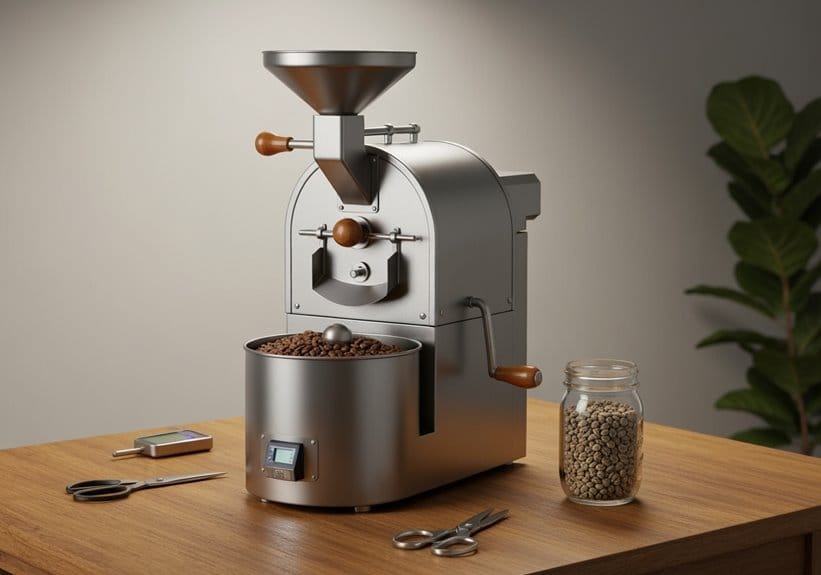
A DIY coffee roaster involves assembling key components like a cooling tray with airflow to quickly cool beans post-roast, and a precise heat source, often an infrared gas burner. Essential additions include a cyclone separator for managing chaff and smoke. Read on to discover the steps for building your own functional home roaster.

DIY Coffee Roaster: 5 Steps to Build & Use Read More »

roasting specialty coffee quality
Coffee Roasting

How to Roast Speciality Coffee for Quality

Mastering coffee roasting involves carefully controlling heat and timing to achieve desired flavor profiles. Precision in temperature is key to navigating chemical transformations like the Maillard reaction and caramelization, avoiding burnt tastes. Selecting the right equipment dictates consistency and quality for your roast. Read on to discover the essential steps for mastering the roast.

How to Roast Speciality Coffee for Quality Read More »

top pour over grinders
Buying Guide

5 Best Coffee Grinders for Pour Over Brewing—Expert Reviews & Recommendations

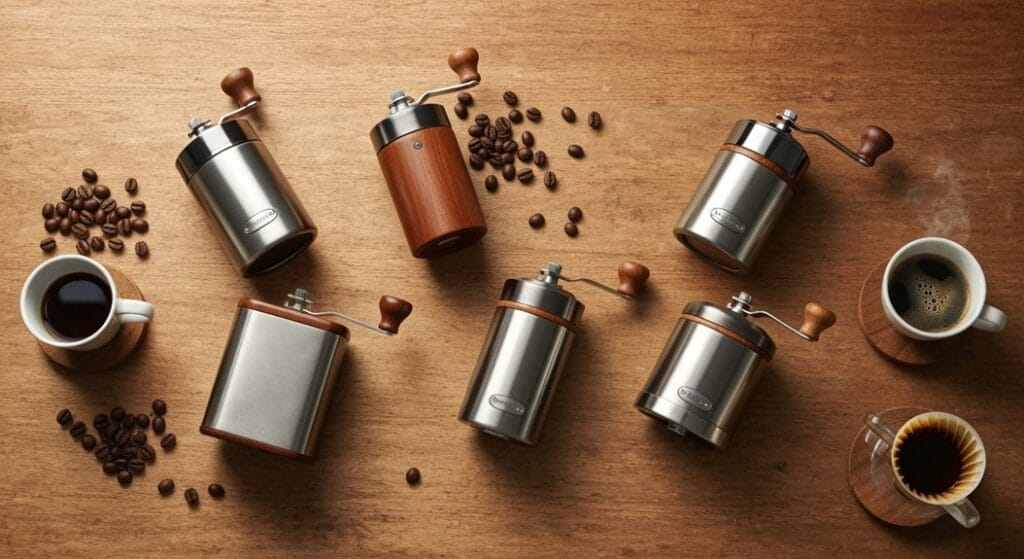
The best coffee grinders for pour over precisely control grind size consistency using quality burrs, like Baratza Virtuoso+ or TIMEMORE. Uniform grounds are essential to avoid bitter or weak cups by achieving the ideal medium-fine texture. Read on to discover the top models that ensure optimal flavor extraction.

5 Best Coffee Grinders for Pour Over Brewing—Expert Reviews & Recommendations Read More »

moka pot grinding techniques
Brewing

Master the Moka Pot: 5 Best Grind Tips

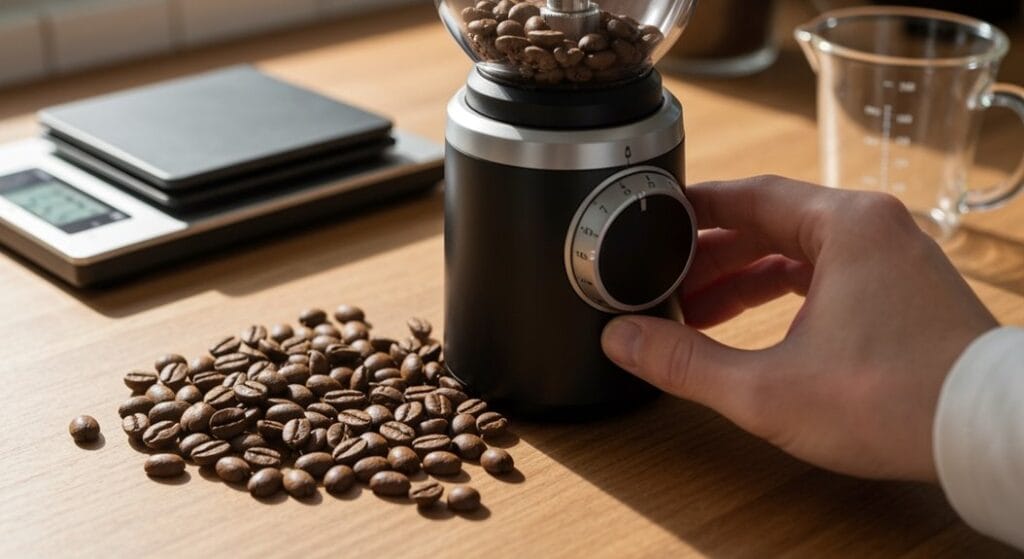
The ideal moka pot grind size ranges between 360 and 660µm, best described as a medium-fine texture similar to sea salt. Achieving this consistency, often around 650µm, ensures optimal extraction efficiency at the required 1-2 bar pressure without clogging the filter. Using a burr grinder is crucial for uniform results. Read on to discover specific adjustments for roast levels and maintenance tips.

Master the Moka Pot: 5 Best Grind Tips Read More »

Scroll to Top