We’ve all been there: standing at the counter, slightly confused by the menu, throwing down a generous six dollars for a grande Latte. It tastes just right—smooth, balanced, never too bitter, never too watery. But why does it hit that perfect spot every time? I spent time pulling back the curtain on these cafe giants because, honestly, my wallet couldn’t afford that daily habit forever. I needed to decode the magic formula. This isn’t just about making coffee; it’s about understanding the precise latte ratio Starbucks uses to deliver that consistent, crowd-pleasing flavor. Once you know exactly how much espresso in a latte truly belongs there, recreating that cafe quality, affordably, becomes surprisingly simple.
Understanding Latte Components: Espresso, Milk, and Foam Basics
To craft a truly excellent Latte at home, we need to respect the three pillars of this beloved beverage. Forget guessing; we are building our drink from the ground up. Understanding the role of the Espresso, the texture of the Milk, and the visual appeal of the foam is what separates a lukewarm coffee from a café-quality cup. When you understand these building blocks, you gain the clarity required to mix and match ratios confidently.
Espresso: The Bold Heart of Every Latte
The Espresso shot is the concentrated soul of your drink. It’s where all the rich flavor, the caffeine, and the beautifully deep, slightly acidic coffee notes originate. A standard drink usually requires one or two shots; we’ll get into those specific numbers shortly. But the quality here is non-negotiable. Think of it as the concentrated foundation. If the foundation is weak, adding 15 ounces of Milk won’t save it. Research into extraction clearly shows that factors like grind size and extraction time directly dictate flavor compounds; for instance, nearly all organic acids, solids, and caffeine are extracted within the first 8 seconds of percolation, meaning pulling a good shot is a precise chemical process (Changes in the aromatic profile of espresso coffee). A proper Espresso Shot should be rich, dark, and balanced in flavor—not sour (under-extracted) or overly bitter (over-extracted).
Steamed Milk: The Creamy Body
Once your espresso is humming, the next player steps in: the Milk. For a Latte, the milk isn’t just a filler; it provides the body, sweetness, and luxurious mouthfeel that defines the drink. It should be hot, but never scalding. We are looking for steamed Milk that is silky and integrated with the espresso, not stiff, stiff foam layered right on top. Achieving this texture requires a bit of technique. Focus on incorporating just a little air (stretching) before plunging the wand slightly deeper to heat the milk (texturing). Here are the steps I follow every time to ensure that smooth, velvety pour:
- Temperature Control: Heat the milk to the ideal temperature range (140°F – 160°F) to prevent scorching and achieve a smooth texture.
- Gradual Heating: Gradually introduce steam into the milk, starting with a small amount and increasing as the milk heats up, to prevent sudden temperature fluctuations.
- Pitcher Positioning: Hold the pitcher at an angle, with the steam wand tip just below the surface, to create a whirlpool effect that helps to evenly distribute heat.
- Swirling and Spinning: Swirl the pitcher in a circular motion, and then spin it to incorporate air and create a smooth, creamy texture.
- Monitoring Temperature and Texture: Continuously check the temperature and texture of the milk, adjusting the steam flow and pitcher position as needed to achieve the desired consistency and temperature.
- Stretching the Milk: Use the steam wand to stretch the milk, holding the pitcher at an angle to incorporate air and create a silky texture.
- Polishing the Milk: Use a gentle swirling motion to polish the milk, removing any remaining bubbles and creating a smooth, glossy finish.
Foam: The Light Crown
The foam on a Latte is the thinnest layer of the milk components. It’s there for presentation and that initial, light textural contrast when you sip. This is where many home baristas get mixed up, confusing the Latte topping with a cappuccino. A cappuccino needs significant, airy foam—maybe an inch or more. A Cafe Latte, however, should only have a very thin, velvety layer of foam, perhaps just a quarter-inch thick, sitting lightly atop the steamed milk underneath. That thin layer helps suspend latte art if you are creating it, giving the drink a refined finish rather than a ‘foamy’ texture.

Affiliate Disclosure
This post contains affiliate links, meaning I may earn a commission if you make a purchase through these links, at no additional cost to you. As an Amazon Associate, I earn from qualifying purchases. I only recommend products I genuinely believe will add value.
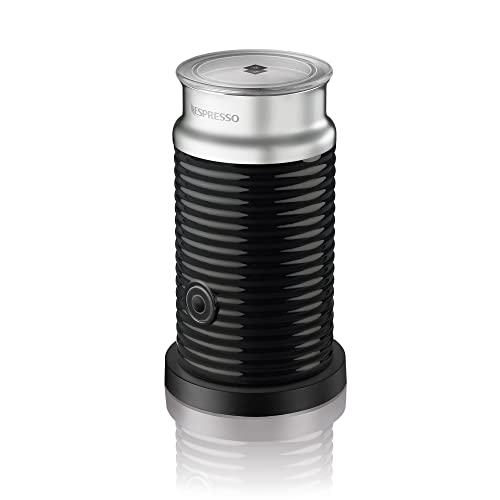
Nespresso Aeroccino 3 Milk Frother, Black, Steel
- EXCELLENT QUALITY: Add that little something extra to your coffee maker set! The Nespresso Aeroccino 3 milk fr…
- VERSATILITY: This Nespresso milk frother has a simple one touch operation, and you use one second of button pr…
- PERFORMANCE: Constructed from stainless steel and black plastic, this Nespresso milk frother quickly heats up …
- "SLEEK DESIGN: The Nespresso Aeroccino 3 milk frother features a slim line base to easily fit anywhere, and au…
- CAPACITY: The Nespresso milk frother has a maximum hot & cold milk froth capacity of 4.1 oz and a maximum hot …
Master the Standard Latte Ratio for Perfect Flavor Balance
If you want café quality, ditch the guesswork and embrace ratios. The professional standard for a well-balanced Latte sits right around 1 part Espresso to 3 parts Milk (1:3 Milk-to-Espresso Ratio). This ratio ensures the robust flavor of the Espresso shines through without being overwhelmed by the dairy. I used to think more milk meant a better deal, but that just resulted in warm, weak coffee. When you stick to the 1:3 latte ratio, you are respecting the coffee.
Why this proportion? It hits that sweet spot where the sweetness of the perfectly heated milk complements the desirable acidity and body of the concentrated coffee. An extensive search did not find a recent Specialty Coffee Association (SCA) survey explicitly confirming 1:3 usage across the board, but industry publications confirm that a 1:3 or 1:4 ratio is common for lattes. Mastering this espresso to milk ratio is your first major step toward consistent home success.
How Many Shots of Espresso and Ounces in a Latte? Precise Measurements
Now we map those theoretical ratios onto real‑world cup sizes. This is where my kitchen scale became my best friend, helping me convert ounces to the number of Espresso Shots required. Standard home espresso machines (especially single‑boiler or entry‑level models) are generally calibrated to produce approximately 1 ounce (30 ml) per Espresso Shot. Knowing this helps anchor our measurements, whether you are making a small or large drink.
| Latte Size | Number of Espresso Shots | Total Espresso Ounces |
|---|---|---|
| Tall | 1 | 1 oz (30 ml) |
| Grande | 2 | 2 oz (60 ml) |
| Venti | 2 (Hot), 3 (Iced) | 2 oz (60 ml) Hot, 3 oz (90 ml) Iced |
Notice the exception for the Iced Venti—temperature changes extraction dynamics, and often a larger volume requires that third shot just to maintain flavor intensity against the ice dilution. For home use, unless you pull a very lengthy shot, sticking to 2 oz of espresso in a latte for anything over 12 oz is the baseline for good coffee in a latte.
How Much Milk in a Latte? Ounces, Volume, and Ratio Scaling
With the espresso volume fixed, the Milk volume follows based on the 1:3 ratio we established. This part is simple subtraction: Total Volume – Espresso Volume = Milk Volume. You need to know how many ounces of milk in a latte to properly scale your milk texturing efforts. For example, if you are making a 16 oz Latte and have 2 oz of espresso, you need 14 oz of milk total (steamed milk plus a small amount of foam).
When scaling up or down, keep the volume relationships steady. If you use a Double Shot in a small 8 oz cup, you need a smaller amount of milk than you would in a 16 oz cup. Use these general guidelines to manage your milk steaming volume for superior results:
- For an 8 oz latte: 2 oz espresso, 6 oz milk
- For a 12 oz latte: 3 oz espresso, 9 oz milk
- For a 16 oz latte: 4 oz espresso, 12 oz milk
This ensures you are hitting that ideal balance across all cup sizes. Pay attention to the total volume you steam; you’ll lose a little volume to aeration when steaming, so always start with slightly more cold milk than your target finished volume, especially for a double shot latte.

Adjusting Your Latte Ratio for Size, Strength, and Personal Taste
The beauty of learning these mechanics is that you can now break the rules intentionally. Starbucks has its standard, but your home Latte should match your preference. This is where you start experimenting with Drink Ratios to fine‑tune your result. Are you using a darker roast that naturally tastes stronger? Perhaps you should lean toward a 1:4 milk to espresso ratio latte. Do you prefer that coffee flavor punch? Then a 1:2 ratio might be your calling.
Scaling for Latte Size (Single vs. Double Shots)
The biggest mistake beginners make is sticking to one espresso volume regardless of the cup size. You need to adjust both components to maintain the latte ratio integrity. Use these starting points to keep your 1:3 balance intact when switching between cup sizes:
- For an 8 oz latte: 2 oz espresso, 6 oz milk
- For a 12 oz latte: 3 oz espresso, 9 oz milk
- For a 16 oz latte: 4 oz espresso, 12 oz milk
Boosting Strength or Adding Creaminess
If you find the base 1:3 just isn’t hitting the mark, move in small steps. This process guides you through dialing in your ideal boldness:
- Start by identifying your current coffee‑to‑milk ratio, which is 1:3.
- Decide whether you want a stronger coffee or a milkier drink.
- To achieve a stronger coffee, adjust the ratio to 1:2 by reducing the amount of milk.
- To achieve a milkier drink, adjust the ratio to 1:4 by increasing the amount of milk.
- Calculate the new amount of milk required based on the desired ratio and the amount of coffee used.
- Adjust the amount of milk accordingly to achieve the desired ratio.
- Taste the coffee and adjust the ratio further if needed to suit your taste preferences.
Fine‑Tuning to Your Taste Preferences
Once you understand the structure, personalization becomes fun rather than random guesswork. To develop your perfect Latte, consider experimenting with the following strategies.
Adjusting Flavor Profiles
- Adjusting sweetness levels by modifying syrup or sugar additions
- Experimenting with flavored syrups such as vanilla or hazelnut
- Changing the type of milk or creamer used
Modifying Texture and Temperature
- Adjusting the temperature of the milk
- Frothing milk to different consistencies
- Trying different ratios of espresso to milk
Exploring Coffee Variables
- Adjusting the roast level of your espresso beans
- Experimenting with different coffee bean origins
- Changing the brewing method or equipment
Personalizing Your Latte
- Adding different spices or spice blends
- Incorporating various sweetener options
- Trying different topping options
Unlock Better Lattes with Milk Texture: The Microfoam Edge
Even if your latte ratio is mathematically perfect (say, 1:3), the drink can fall flat if the Milk texture is wrong. Texture is what makes the drink feel luxurious. We are chasing ‘microfoam,’ which is liquid silk. To achieve this, check out this helpful guide on creating silky microfoam at home:
Remember these simple checks for achieving that silky texture:
- Use Cold Milk
- Purge the Steam Wand
- Introduce Air Gradually
- Hold the Pitcher at an Angle
- Don’t Overheat
Finalizing Your Home Latte Game: From Ratio to First Sip
So, there you have it. That six‑dollar Latte standard boils down to mastering the numbers, especially the Milk‑to‑Espresso Ratio, usually in the 1:3 neighborhood, and understanding exactly how many shots of espresso in a latte you are using. You now know the measurement for every size, from Tall to Venti. Stop crossing your fingers when you order, and more importantly, stop breaking the bank! Grab your scale, check your temperatures, and apply the principles we discussed today. Brewing barista‑level drinks at home is entirely achievable when you respect the measurements and focus on that beautiful microfoam texture. Enjoy the delicious savings!
Frequently Asked Questions
Q: What is the standard espresso to milk ratio latte?
A: The widely accepted specialty coffee standard for a well‑balanced latte ratio is 1 part espresso to 3 parts steamed milk (1:3).
Q: How big is a standard espresso shot in ounces?
A: For most home and commercial espresso machines, a standard single espresso shot yields about 1 ounce (30 ml) of liquid.
Q: Does Starbucks use different espresso shots for hot and iced lattes?
A: Yes, they typically use the same amount for standard hot sizes, but often add an extra espresso shot for Iced Venti lattes to compensate for dilution and maintain flavor intensity.
Q: Can I skip steaming the milk and just use hot milk?
A: While you can, you will miss the textural quality. Steaming creates microfoam that integrates smoothly with the espresso, whereas just heating the milk will result in a thinner mouthfeel.
Q: If I use oat milk, should I change my milk to espresso ratio?
A: Oat milk froths very similarly to whole milk, so you can usually keep your existing latte milk ratio (1:3). However, taste first; some alternative milks have slightly different inherent sweetness levels.