
If you’ve ever stood at a coffee bar, hypnotized by the sight of a perfectly streamed shot of espresso meeting milk, you know the magic of a great beverage. For many of us, that magic often means selecting between a rich latte or a distinct macchiato. They both use the same core ingredients—espresso and milk—but the result is dramatically different. Choosing one over the other isn’t about luck; it’s about understanding the architecture of each drink.
When I first started experimenting with home espresso brewing, I often mixed these two up. I’d think I was ordering a subtle treat and end up with a much milkier experience, or vice versa. Getting that barista precision without the professional machinery can seem challenging, but trust me, once you understand the ratio and the layering, you gain control over your morning cup. This guide will walk you through the differences so you can confidently order (or craft) exactly what your taste buds are craving.
Key Takeaways
- Lattes emphasize smooth, milky volume with a subtle espresso presence.
- Macchiatos focus on the intensity of the espresso, tempered slightly by a small amount of milk foam.
- Preparation order matters: espresso first for macchiato, milk first for latte macchiato.
- The coffee-to-milk ratio is the single biggest differentiator in taste.
- Mastering at-home drinks requires attention to espresso quality and proper milk texturing.
What is a Latte and a Macchiato?
Let’s start with the basics, because the differences begin right here with the components. Understanding what constitutes a Latte versus a Macchiato is the first step toward achieving true barista-level brews at home. These drinks fall under the umbrella of espresso-based beverages, but how those simple elements—Espresso and Milk—interact defines them.
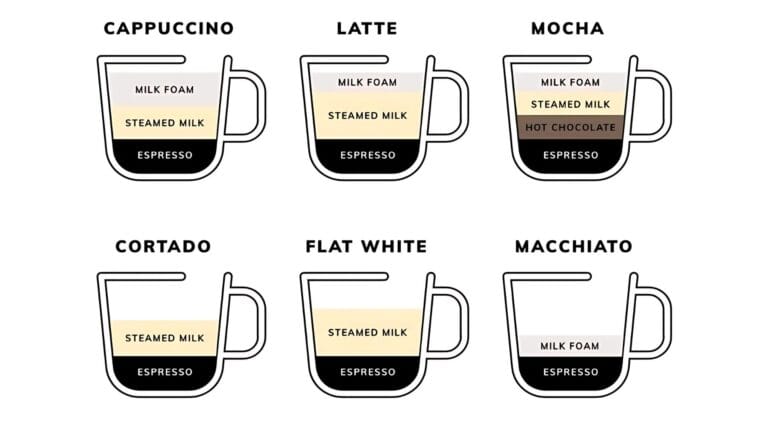
The Latte (short for caffè latte) is, essentially, a celebration of milk. It’s built around a shot of espresso submerged in a generous amount of steamed Milk, topped with just a very thin layer of airy Foam. Think of it as a gentle introduction to coffee intensity. The steamed milk provides a creamy, velvety texture that carries the sweetness of the heated dairy, ensuring the espresso flavor is present but mellowed.
A Macchiato, on the other hand, takes a completely different approach. The word “macchiato” itself means “stained” or “marked” in Italian. In its purest, traditional form—the Espresso Macchiato—it is a shot of espresso that is marked or lightly stained with just a spoonful or dollop of foamed milk. This drink prioritizes the coffee; the milk is there only to take the sharpest edge off the espresso’s intensity, leaving you with a bold, powerful, yet slightly softened coffee experience. If you’re looking for something stronger than a straight espresso but lighter than a latte, this is your go‑to.
So, while both use the same core two ingredients, the experience is determined by the volume of milk and the quantity of foam introduced.
The Key Differences Between Latte and Macchiato
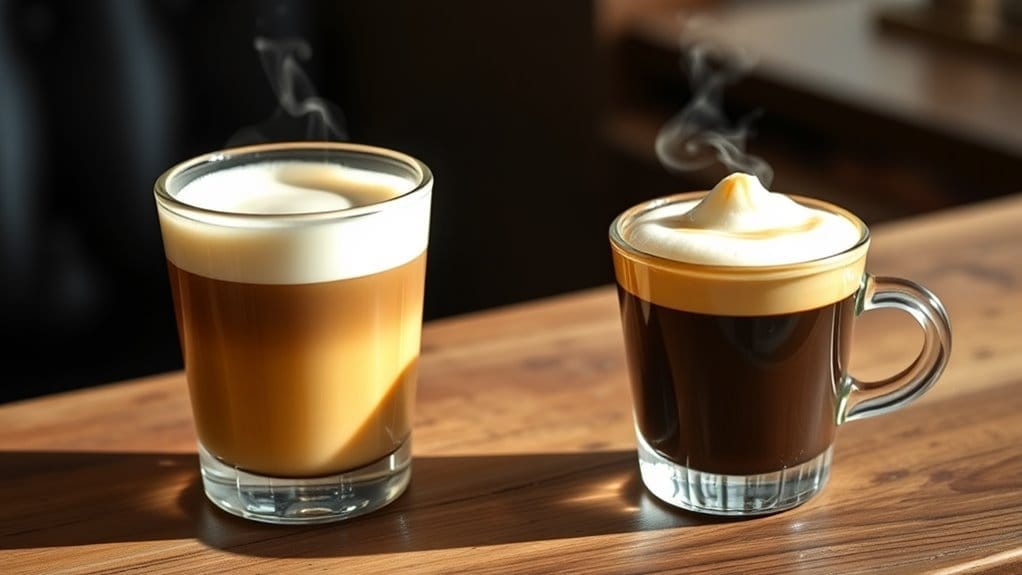
When we compare the macchiato vs latte, we aren’t just talking about what the barista pours first; we are talking about flavor delivery, volume, and texture. The primary differentiator in the difference between latte and macchiato is the Milk Content and how that milk is processed into Foam Texture.
| Characteristics | Latte | Macchiato |
|---|---|---|
| Preparation | Espresso and steamed milk, with a thin layer of frothed milk on top | Espresso “marked” with a small amount of frothed milk |
| Layering | Distinct layers of espresso, steamed milk, and frothed milk | Minimal layering, with a small dollop of frothed milk on top of espresso |
| Taste | Balanced and milky, with a subtle espresso flavor | Strong espresso flavor with a hint of milk |
| Coffee-to-Milk Ratio | 1:3 to 1:5 (espresso:milk) | 1:1 to 1:2 (espresso:milk), with a focus on espresso |
| Foam | A thin layer of frothed milk on top | A small dollop of frothed milk, often just a “spot” or “macchia” |
This stark contrast in ratios means the resulting Caffeine experience is completely different. Does a macchiato have coffee? Yes, absolutely—it’s usually the dominant flavor. Does a macchiato have milk? Yes, but far less than a latte.
Preparation Methods
The construction path dictates the final state of the drink. For a standard Latte, the process begins with the Espresso. Once the espresso is pulled into the cup, the barista streams in the steamed milk directly beneath the surface, mixing the espresso and milk before topping it with the necessary microfoam.
The preparation for a macchiato flips this order, especially if we are talking about the classic *espresso macchiato*. Here, the espresso shot goes into the cup first. Then, the barista places just a spoonful of foamed milk directly onto or into the center of the espresso. This “staining” action is what defines the drink. If you’re interested in seeing this preparation in action, watching the techniques side‑by‑side is the best way to cement the process in your memory.
Layering and Texture
The layering and texture describe what you see and feel when you take that first sip. A latte is structurally complex in its layering: you have the dark espresso base, the massive body of lightly textured steamed milk, and finally, that thin, almost creamy cap of foam. The resulting texture is smooth, coating, and wonderfully integrated—it’s almost like drinking warm, mildly coffee‑flavored silk.
In contrast, the macchiato offers very distinct textural divisions. You have the dense liquid espresso below, and then a defined, firm dollop of foam sitting proudly on top. It’s less about integration and more about contrast.
Taste Profiles
When we discuss taste, we are really talking about dilution. Since a latte has a massive volume of milk relative to the espresso, the resulting taste profile is mild, sweet (naturally, from the steamed milk), and highly approachable. The coffee flavor is present, providing depth, but it takes a backseat to the creamy texture.
The macchiato, because its milk content is so minimal—just a mark—retains nearly all of the espresso’s original bitterness, acidity, and body. The small amount of milk foam slightly softens those sharp edges, making the espresso feel more rounded, but the fundamental taste remains intensely coffee‑forward.
For a classic latte, the average coffee‑to‑milk ratio is about 1 espresso shot to 3–4 parts steamed milk (≈30 ml espresso to 90–120 ml milk) Getting the Balance Right: Espresso to Milk Ratios in Coffee. For a traditional macchiato, most cafés use a ratio of 1 espresso to only 1–2 Tbsp of milk foam (≈1:0.25–0.5). This too is reported by that same survey.
Understanding Variations: Latte Macchiato and Espresso Macchiato
The Italian coffee vocabulary can be tricky because espresso’s popularity globally led to local interpretations. This is where terms like Latte Macchiato and Espresso Macchiato come into play, and they are distinct from a standard Caffe Latte or a true Espresso Macchiato.
The Latte Macchiato flips the standard latte preparation method. Instead of adding milk to espresso, you pour the espresso shot *into* the milk which has already been steamed and perhaps slightly frothed. Because the espresso is denser than the steamed milk, it sinks initially, but the difference in density often allows it to suspend briefly mid‑glass, creating three visible layers: milk on the bottom, espresso in the middle, and foam on top.
Conversely, the Espresso Macchiato (sometimes called a *Caffè Macchiato*) is the drink we discussed earlier: espresso marked by milk. This is the small, strong drink. Understanding the caffe macchiato vs latte macchiato distinction is simple: the espresso macchiato is espresso first, the latte macchiato is milk first.
To help keep these variations straight, here is what defines each one:
- Latte Macchiato:
- A type of coffee drink that is primarily steamed milk
- “Macchiato” means “stained” or “spotted” in Italian, referring to the addition of a small amount of espresso to the milk
- The espresso is added to the milk, creating a layered effect
- Tends to be milder in espresso flavor compared to an espresso macchiato
- Espresso Macchiato:
- A shot of espresso “marked” with a small amount of milk
- The primary component is the espresso, with just a splash of milk added to it
- The milk is usually frothed and added on top, creating a distinct layering
- Retains a strong espresso flavor with a slight tempering from the milk
- Caffe Latte:
- A combination of espresso and steamed milk, with a higher milk-to‑espresso ratio compared to a cappuccino
- The traditional ratio is 1/3 espresso and 2/3 steamed milk
- Can be considered a middle ground in terms of flavor between a macchiato and a milky coffee drink
- Often topped with a layer of frothed milk, though it can be less distinct than in a cappuccino
Choosing Between a Latte and a Macchiato: Which One is for You?
Here is where we solve the central problem: What should I order? The choice between a latte and a macchiato boils down entirely to your current mood and your preference for coffee punch versus creamy comfort. This decision‑making process relates directly to how we perceive flavor intensity.
If you prefer a milder, sweeter, and more voluminous drink where the coffee flavor is comforting but never sharp, the Latte is your solution. It’s the perfect choice for sipping slowly throughout the morning, especially if you like adding syrups, as the high milk volume holds flavorings beautifully.
Researchers noted that sensory descriptors influence rating and purchase likelihood, suggesting that drinkers who actively seek out specific mouthfeel characteristics, like foam density or milk smoothness, will inherently lean toward one drink over the other based on that sensory input Does taste sensitivity matter? The effect of coffee sensory information on consumer preference.
- Choose the Latte if: You want a large, comforting beverage; you love the creamy mouthfeel of steamed milk; you prefer a mild, sweet flavor.
- Choose the Macchiato if: You want a small, strong hit of coffee; you are intolerant of too much milk; you prefer the taste of the espresso itself to shine through.
Mastering Your Latte and Macchiato at Home
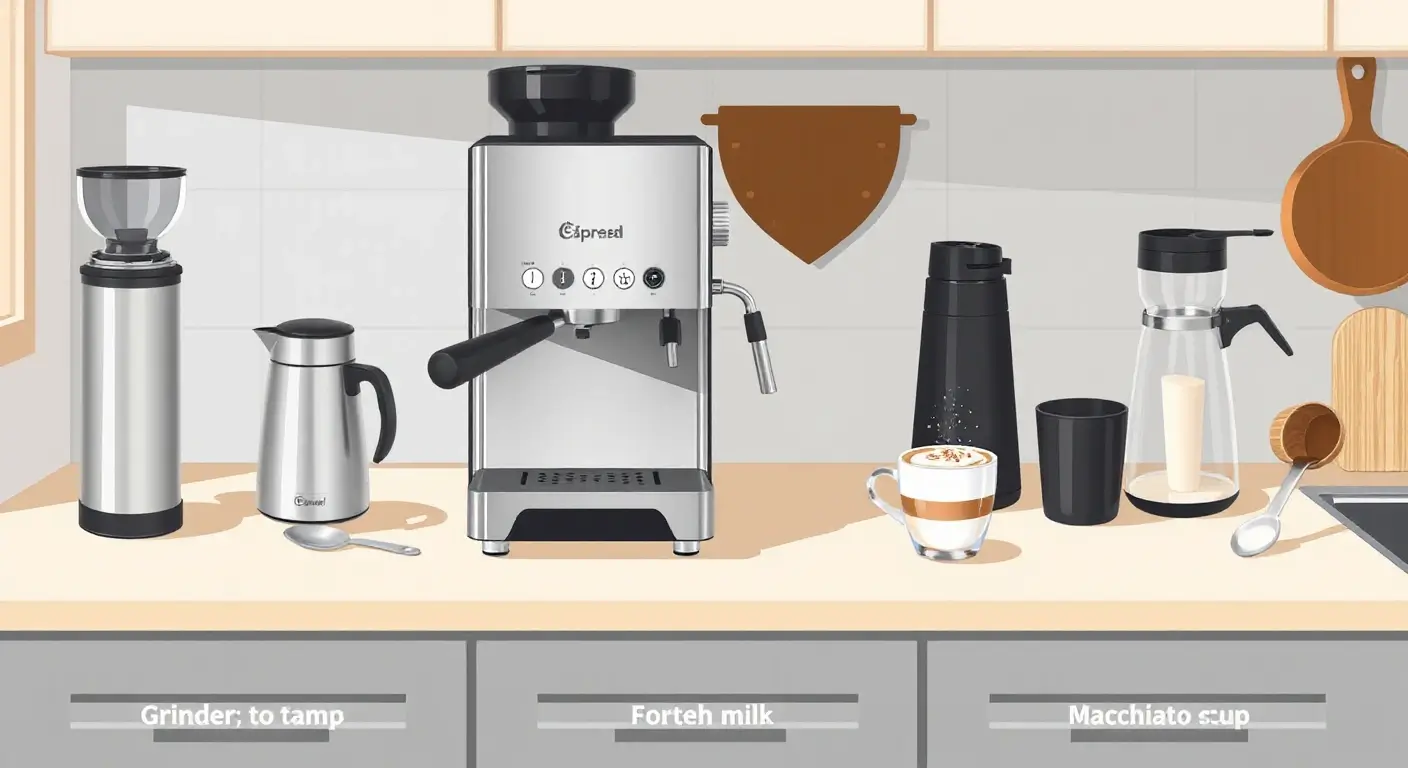
Moving from ordering in a cafe to recreating that perfection at home is empowering. You control the quality of the Espresso, the freshness of the Milk, and, most importantly, the ratios. To start making barista‑quality milk drinks, you need the right tools and disciplined technique.
Essential Equipment
- Espresso Machine (one capable of producing at least 9 bars of pressure)
- Coffee Grinder (a burr grinder is much preferred for consistent skrinking)
- Steam Wand or Milk Frother (if your machine doesn’t have one, look into high‑quality dedicated electric frothers)
- Coffee Scale (for weighing beans and checking shot output precisely)
- Thermometer (helpful for milk steaming temperature control)
- Milk Container or Pitcher (stainless steel is excellent for even heating)
- Coffee Tamper (to ensure even coffee puck compression)
- Portafilter (if using a manual or semi‑automatic espresso machine)
Techniques for Perfection
Technique separates the good home brewer from the great one. For the espresso foundation, focus on consistency: grind fresh, weigh your dose, tamp level, and aim for a consistent extraction time (usually 25–30 seconds for a standard double shot).
Milk steaming is where the magic happens for both drinks, but the goal differs. For a latte, you want texture, not just heat. Introduce air gently at the surface for a few moments (“stretching” the milk) to incorporate tiny, uniform bubbles (microfoam), then submerge the wand deeper to heat the milk to about 140‑155°F (60‑68°C) while circulating it until it looks like wet paint. For the macchiato, you just need a tiny amount of air to create a firm, stiff dollop of foam—less stretching, more aeration at the very beginning.
Ingredient Ratios
The ratio is your ultimate control input. If your latte tastes weak, increase the espresso relative to the milk, or steam the milk less, keeping it hotter to retain more of its natural sweetness. If your macchiato tastes too harsh, increase the amount of foam you add, ever so slightly, to soften the blow. Mastering these ratios allows you to replicate cafe standards or invent your preferred balance.
Wrapping Up Your Coffee Journey
We have covered the structure, the taste, and the construction of the two most popular espresso and milk beverages. Whether you are leaning toward the creamy volume of a Latte or the bold punch of an Espresso Macchiato, you now possess the knowledge to request it correctly or brew it perfectly yourself. Remember, coffee making is an art influenced by science. Don’t be afraid to adjust those ratios or experiment with your foam texture. That’s where personalization comes in, turning a standard Italian offering into your perfect morning ritual. Enjoy the process of crafting these exquisite **espresso-based drinks**!
FAQ
Q: Is a Latte Macchiato the same as a regular Latte?
A: No. A standard Latte starts with espresso, then milk is added. A Latte Macchiato starts with steamed milk, and the espresso is poured through it, creating distinct layers.
Q: Do Macchiatos have more caffeine than Lattes?
A: Generally, if both drinks use the same number of espresso shots (e.g., a double shot), the caffeine content is the same. However, because the macchiato has far less milk volume, its *concentration* of espresso flavor and perceived intensity is higher.
Q: What is the proper milk foam for an Espresso Macchiato?
A: It should be a small dollop—just enough to “mark” the surface. It should be frothed enough to hold its shape briefly, unlike the much thinner microfoam used on a latte.
Q: Can I make a good Latte without an Espresso Machine?
A: You can make a strong coffee base using a Moka Pot or Aeropress, but achieving true steamed milk microfoam requires a steam wand or a dedicated electric frother for the velvety texture lattes require.
Q: Why does my home-made latte separate?
A: Separation, often called “curdling” or uneven texture, usually happens because the milk was steamed too hot (above 170°F/77°C) or the aeration phase was too aggressive, leading to large, stiff bubbles instead of smooth microfoam.