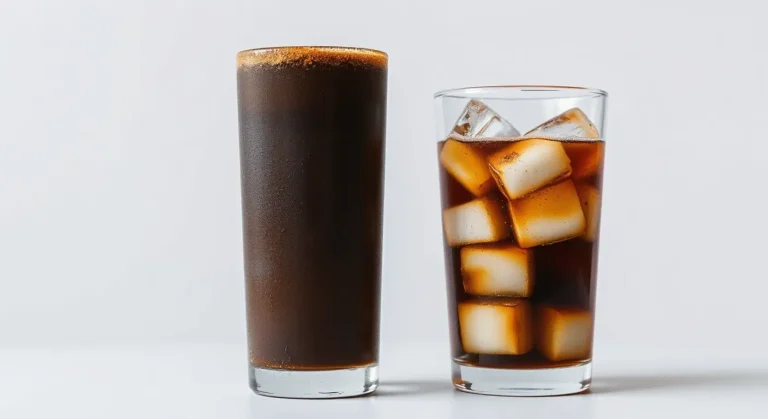

I’ve spent years behind the espresso machine, watching countless customers debate their caffeinated choices on a hot day. The eternal showdown usually boils down to two heavyweights: Iced Coffee and Cold Brew. They look similar enough—both are cold, both are refreshing—but to a seasoned barista, they are fundamentally different beasts. When I need a pick‑me‑up that truly satisfies, my own choice often leans heavily toward the slow‑steeped elixir, and I’m not alone in the industry. We obsess over extraction, temperature, and flavor profile, and those obsessions lead us to one conclusion.
Key Takeaways
- Iced coffee is simply hot‑brewed coffee poured over ice, retaining high acidity.
- Cold brew utilizes cold water and long steeping times, resulting in a smooth, low‑acid concentrate.
- Cold brew typically packs a higher caffeine punch due to the extended saturation time.
- Baristas often favor cold brew for its consistent, refined flavor that doesn’t degrade when chilled.
What is Iced Coffee and How is it Made?
When someone orders “iced coffee,” what you typically receive is the simplest method of chilling a cup: Regular Coffee (Hot Brewed Coffee) that has been brewed hot and then immediately cooled down by adding ice. The Brewing Method is the standard hot pour‑over or drip process we all know. The Water Temperature used here is nearly boiling, which is necessary to quickly extract the desirable acids, oils, and aromatics from the grounds.
The crucial point in understanding the difference between iced coffee is that ice is the cooling agent, not the brewing agent. Because this coffee is brewed hot, it naturally carries the characteristics of hot extraction. This means it tastes exactly like your morning cup, just cold. If you don’t use the correct Brewing Method or enough coffee, the ice melts too quickly, leading to a final product that tastes watery and weak. So, is cold brew the same as iced coffee? Absolutely not; their shared cold temperature is where the similarity ends.

The Cold Brew Process: Understanding its Unique Characteristics
Now, let’s talk about the other side of the coin: Cold Brew. This isn’t just “coffee that got left out too long.” This is a deliberate, almost meditative Brewing Method that fundamentally changes the coffee’s chemistry. Instead of aggressive heat, Cold Brew relies on time and patience. We substitute boiling Water Temperature with room temperature or cold water, which significantly slows down the extraction.
The result of this slow soak is what we call Coffee Concentrate. Because the compounds responsible for bitterness and acidity are less soluble in cold water, they aren’t pulled out as aggressively. The entire process hinges on Extraction Time, usually spanning 12 to 24 hours. This prolonged contact time ensures a rich, deep extraction of the sugars and darker flavors locked within the bean structure. When you taste a true cold brew, you are tasting a chemical reaction that hot water simply rushes through. When people ask about the difference in cold brew and iced coffee, the method is the answer.
How Cold Brew is Made
- Measure Coffee and Water: Use a ratio of 1:4 to 1:8 coffee to water. For a standard batch, use 1 cup of coarsely ground coffee for every 4 cups of cold water.
- Combine Coffee and Water: Place the measured coffee grounds in a large container or jug, and pour the measured cold water over the grounds. Make sure all grounds are saturated with water.
- Steep: Cover the container and let it steep at room temperature (around 70°F to 75°F or 21°C to 24°C) for 12 to 24 hours. The longer it steeps, the stronger the coffee will be.
- Strain: After the steeping time has passed, strain the coffee into another container using a fine‑mesh sieve lined with cheesecloth or a coffee filter. Discard the grounds.
- Filter Again (Optional): For a smoother brew, filter the coffee again through a fine‑mesh sieve or a coffee filter to remove any remaining sediment.
- Store: Transfer the cold brew to an airtight container and store it in the refrigerator. Cold brew can be stored for up to 2 weeks.
Characteristics of Cold Brew Coffee
The resulting Cold Brew has a flavor profile completely unlike its hot‑brewed counterpart. It is notably smooth, often possessing chocolatey or nutty undertones, and critically, it is far less sharp or sour. This characteristic is a direct result of low acidity. When we compare cold brewed coffee vs iced coffee, the acidity difference is stark, which is what many palates notice first.
This smoothness usually comes with a kick. Because you use a high volume of grounds relative to water when making the concentrate, the final strength is magnified. To put it into perspective, On average, a 16‑ounce (473 mL) serving of cold brew coffee contains approximately 200–205 mg of caffeine, while the same size of iced coffee generally has less, around 165 mg. The exact amount can vary based on factors such as the coffee‑to‑water ratio, bean type, and steeping time. That extra jolt often appeals to those of us needing serious energy for a long shift.
Head-to-Head Comparison: Iced Coffee vs Cold Brew
| Characteristics | Iced Coffee | Cold Brew |
|---|---|---|
| Taste | Bitter, can be watered down | Smooth, rich, less bitter |
| Caffeine | 80-150 mg per 8 oz serving | 150-250 mg per 8 oz serving |
| Acidity | High | Low |
| Brewing Time | Quick (hot brew then chilled) | Long (12-24 hours) |
| Cost | $1-$3 per serving | $2-$5 per serving |
Taste and Flavor Profile
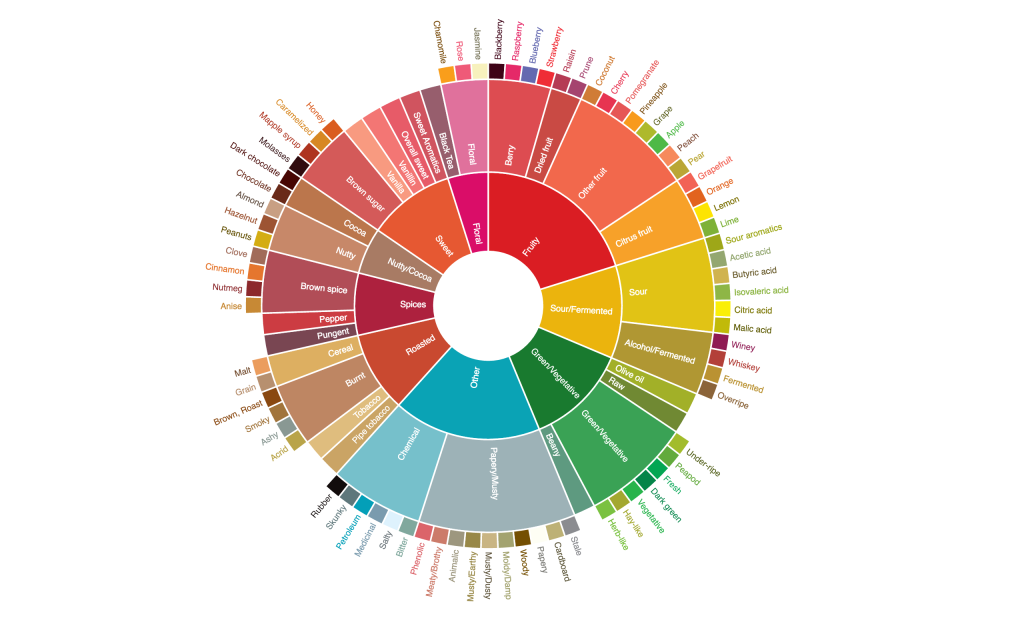
Imagine biting into a tart green apple versus a perfectly ripe, sweet plum. That’s similar to the experience of comparing iced coffee to cold brew flavor‑wise. Iced coffee delivers a sharp, bright tanginess because that high Acidity is preserved when the hot brew hits the ice. If the ice melts even a little, those bright notes become muted, leaving a boring, sometimes acrid taste.
Cold brew, conversely, is decadent. Because the fats and oils responsible for softer flavors are extracted optimally in the cold method, the resulting coffee concentrate tastes sweeter and rounder, often highlighting deep cocoa or caramel notes. It’s less about sharpness and more about depth. This inherent richness means that even after dilution with milk or water, the core flavor remains satisfyingly intact.
Caffeine Content and Acidity
Examining the Caffeine Content reveals a clear winner for those seeking maximum energy from their chilled drink. The reason cold brew often has higher caffeine is less about the water temperature and more about the coffee‑to‑water ratio used to create the concentrate; we use significantly more coffee grounds for less water in cold brewing. This naturally yields a higher concentration of the stimulant upon dilution.
The lower acidity of cold brew is a huge selling point for many, especially those with sensitive stomachs. While some believe the low pH of cold brew is due to fewer acids overall, the research suggests a more complex chemical interaction during extraction. A scientific comparison of extraction notes that caffeine concentrations in cold brew samples were noticeably higher than in hot brew samples, yet the pH levels remained comparable to hot brews (The Effect of Time, Roasting Temperature, and Grind Size …). This means the perception of lower acidity often overrides minor pH differences, pointing to the reduced extraction of certain acidic compounds at low temperatures rather than a massive pH swing.
Choosing Between Iced Coffee and Cold Brew: Factors to Consider
- Taste preference: consider whether you like a smoother, less acidic flavor or a more nuanced, potentially bitter taste
- Caffeine level: think about whether you need a caffeine boost or prefer a lower caffeine content
- Convenience: consider how much time and effort you’re willing to put into preparing your coffee
- Equipment needed: consider whether you have the necessary equipment, such as a coffee maker or a large container for steeping, to prepare your chosen coffee drink
- Brewing method: consider the difference between hot brewing and cold brewing methods
- Flavor profile: consider the flavor profiles you enjoy, such as sweet, fruity, or rich
- Cost: consider the cost of the coffee beans, equipment, and any other supplies needed to make your chosen coffee drink
Making Your Choice at Home: DIY Iced Coffee and Cold Brew
Making both drinks at home opens up incredible customization possibilities, though the effort level varies wildly. Making DIY Iced Coffee is as easy as brewing your favorite roast strong, perhaps doubling the grounds you usually use, letting it cool on the counter for ten minutes, and then pouring it over ice. This keeps the Coffee Preparation quick and familiar.
DIY Cold Brew, on the other hand, requires planning. You need coarse grounds and a large container, as you’re making a batch meant to last several days. The main variable you control here is the Dilution Ratio, adjusting how much water you add back to the concentrate to hit your strength mark. If you’re looking for a straightforward guide to skip the café line entirely, there are many ways to approach this. For instance, you can watch a simple tutorial below that shows home brewing without specialized gear.
Frequently Asked Questions
Q: Is iced coffee just leftover hot coffee?
A: Not necessarily leftover, but it is hot‑brewed coffee that has been chilled rapidly, typically by pouring it over ice.
Q: Does cold brew have more or less acid than regular coffee?
A: Cold brew has significantly lower perceived acidity because the cold Water Temperature prevents the harsh acids from extracting as readily as in hot brewing.
Q: Can I make cold brew concentrate and use it immediately?
A: You can, but you need to dilute it heavily with water or ice because the concentrate straight from the steep is extremely strong.
Q: Which one provides a bigger energy boost?
A: Generally, Caffeine in Cold Brew vs Iced Coffee favors cold brew, as the extended Extraction Time and high grounds‑to‑water ratio create a more potent final concentration.
Q: Which drink requires less specialized equipment to make at home?
A: Iced coffee requires only standard drip or pour‑over equipment, whereas cold brew requires a large vessel for steeping and filtering materials.