
What Is a Coffee Cherry? A Quick Visual and Botanical Snapshot
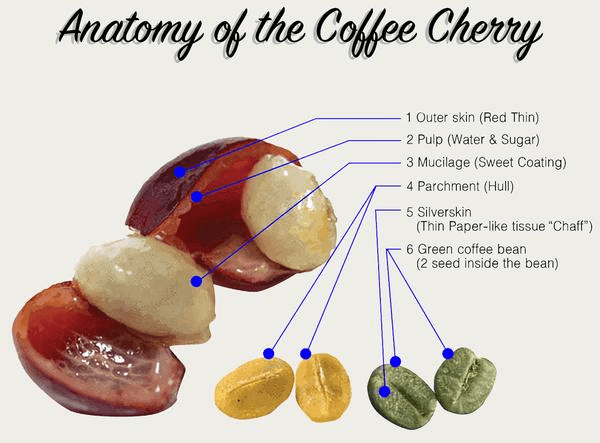
When you picture coffee, do you see brown grounds or maybe the vibrant red of a small piece of fruit? Most people default to imagining the dried seed, but the journey actually begins with the coffee cherry. This little globe of deliciousness is the true starting point for every cup you enjoy. A coffee cherry is roughly the size of a walnut, and when perfectly ripe, it sports a brilliant, glossy red hue—though some varietals turn deep yellow or even purple. Its structure is much like that of other fruits we know. We have the thin, protective outer skin, which acts like a protective shell, giving way to sweet layers beneath. Inside, you find the precious cargo. Visually, its skin peels like a bright red glove when perfectly ripe. What many people overlook is the flesh; its pulp tastes subtly sweet, almost like a ripe strawberry, a flavor profile often only appreciated by those harvesting the fruit. These coffee berries are the heart of the crop before processing even begins.
The Coffee Plant: From Tree to Fruit – Key Terminology Explained
Understanding the coffee tree requires us to look beyond just the final bean. The coffee plant is a perennial shrub or small tree that produces flowers before yielding its fruit. Think of the tree as a living library—its leaves are books, its flowers are invitations that lead to harvest. Scattered along the branches, you will find the developing fruit. To speak about it precisely, we need a bit of botanical shorthand. After the flower drops, the protective skin forms, underneath which lies the fleshy layer we call the mesocarp; this is the pulpy middle layer. Deep inside, the endocarp acts like a paper envelope around the seed, often referred to as parchment in the coffee world. These structures are alien only until you connect them to something familiar. Mastering these terms helps us appreciate the complexity encased within that sweet outer shell.
Fruit vs Seed: Botanical Definitions That Clarify the Debate
This is where many coffee discussions hit a snag: confusing the fruit with the seed. People often ask, “Is coffee a seed?” or call the whole coffee cherry a seed, but botany offers clear rules that clarify this. I’ve seen baristas and even well‑meaning growers debate this in online forums, but the distinction is quite straightforward once you grasp the botanical definitions. The argument boils down to reproductive structures and maturity.
Botany of Fruit
A fruit is fundamentally the fruit‑bearing ovary of a flower once it has matured. It is the vessel designed by the plant to protect and distribute its seeds. If we think of the ovary as the fruit’s internal skeleton, the fleshy parts develop around it to attract dispersal agents, like birds or mammals. In the case of the coffee cherry, this entire outer structure—skin, pulp, and inner shell—constitutes the fruit. Its structure dictates how the plant evolves to spread its offspring across the land.
Botany of Seed
Conversely, a seed is the embryo, typically surrounded by a protective coat, which contains the potential for a new plant. It is the product of fertilization within the ovary. Break down any seed, and you find the embryo and storage tissues, all wrapped up. The coffee bean is precisely this: it is a mature embryo wrapped in a hard shell (the parchment layer). It has all the components necessary for germination, provided the outer protective layers are removed and conditions are right. To understand this better, you can look at botanical discussions on fruit classification, such as the Introduction study, which examines how we classify various edible fleshy structures based on their development.
Illustrative Examples
To make this concrete, let’s look outside the coffee world for a moment. While an apple is a fruit with one seed (or a few), a pea pod is very much a fruit that hides many seeds. A child’s curiosity turning an apple slice into a lesson in biology often reveals the tiny dark seeds nestled in the core—that core being the matured ovary. The pea pod wall itself is the fruit tissue; the peas inside are the seeds. This distinction—structure vs. contents—is precisely what separates the coffee cherry from the bean.
The Coffee Cherry Is a Fruit: How It Encloses the Coffee Beans
Given the botanical definitions we just established, the coffee cherry fits perfectly into the category of a fleshy fruit, specifically classified as a berry. According to Botany Today, the coffee cherry is categorized as a *berry* because it develops from a single flower ovary and has seeds embedded in the fleshy pulp.
Cutting a ripe coffee cherry reveals a glossy membrane lining the pulpy chamber, within which rests the seed, usually two facing each other. Like a pearl hidden inside a shell, the bean sits amid pulpy flesh known as mucilage. This entire assembly is what we pick from the coffee tree. If you’ve ever seen someone drinking a freshly picked coffee cherry, they are biting through the skin and eating the sweet fruit surrounding the seed. For a clear visual representation of this structure, I highly recommend watching a simple cutaway video.
Coffee Beans Are Seeds Inside the Cherry – The True Fruit of the Coffee Tree
The most common misconception I encounter is that the coffee bean itself is the fruit. In fact, the bean is a seed, protected by the fruit. The seed’s role is solely reproduction; the cherry’s role is protection and dispersal. Think of a fruit as a protective home; the bean is the occupant awaiting a chance to grow. That papery layer that tightly clings to the bean after processing? That’s the endocarp, the fruit’s inner shell.
We use the term “bean” more from convention and appearance than botanical accuracy. It’s easier to say “coffee bean,” but knowing it’s a seed is understanding its potential. When processing removes all the sweet exterior and the parchment shell, we are left with the raw seed ready for transformation via heat. Now you can confidently explain the difference to your favorite barista next time you order your morning brew.

From Harvest to Your Cup: How the Cherry Is Processed Into Coffee Beans
The transformation from a perishable coffee cherry to a stable, roast‑ready coffee bean involves several precise stages of processing. Each step is designed either to remove the unwanted fruit material or to prepare the seed for storage, and it significantly impacts the final flavor profile.
| Step | Purpose | Typical Techniques Used |
|---|---|---|
| Picking | Harvest ripe coffee cherries by hand or mechanically, ensuring minimal damage and proper timing. | Hand‑picking (selective), Mechanical harvesters, Harvest scoring (color sensors). |
| Depulping | Remove the outer fruit pulp to isolate the parchment‑covered bean. | Machine depulpers (high‑speed pulpers), Manual depulping tools, Hydro‑depulping (water‑based). |
| Fermentation | Break down mucilage on the parchment‑covered bean to facilitate subsequent washing/drying. | Controlled natural fermentation (sealed trays, temperature control), Tracked fermentation (periodic monitoring and turning). |
| Drying | Reduce bean moisture to safe storage levels while preventing mold/rotting. | Sun drying (flat beds, raised platforms), Mechanical drying (rotary dryers, fluidized bed dryers), Shade drying, Semi‑mechanical drying. |
| Hulling | Remove the parchment skin to expose the coffee bean for roasting. | Mechanical hulling machines (hammer huls, drum huls), Manual hulling (hand‑pulping), Hybrid hulling (machine assisted). |
Depulping removes the outer skin, preventing rapid spoilage. Fermentation then addresses the sticky layer immediately around the seed, a necessary step for clean flavor separation. Drying reduces the seed’s water content to about 10‑12%, preventing mold during transit. Finally, hulling removes the parchment to present the green coffee bean for export and roasting. From plucking that sweet coffee cherry to roasting the resultant seed, every step manages the seed’s condition while dealing with the remnants of the fruit.
Key Takeaways for Quick Recall: Why the Coffee Cherry Is a Fruit and Not a Seed
If you only remember one thing from this detailed exploration, let it be this: A coffee cherry is a fruit; the bean inside is its seed. Understanding this taxonomy helps everyone from the grower managing the harvest to the consumer brewing their morning cup.
- The cherry has distinct, fleshy protective layers (skin, pulp, parchment), characteristic of a fruit.
- The bean contains the embryo for a new plant and is designed to be dispersed, characteristic of a seed.
- We must process the fruit away to reach the seed (the bean).
For those involved in specialty coffee, selection matters greatly. Hand‑picking (selective harvesting) aims for nearly 100 % ripe cherries, giving specialty growers the most consistent quality. Mechanical or stripping methods harvest all fruit at once, so the average ripeness rate is lower and varies by region; exact global averages are not published. (See Hand‑picking (selective harvesting).) A ripe cherry feels slightly spongy and has an evenly bright red color, signaling maximum sugar content in the fruit surrounding the seed. Next time you see a cherry, point it out to someone and share what you know!
Frequently Asked Questions About Coffee Botany
Q: If the cherry is sweet, can I eat the fruit pulp surrounding the bean?
A: Yes, absolutely! The sweet pulp, called mesocarp or pulp, is edible and often eaten fresh by pickers or used to make fruity products like cascara tea, which is made from the dried fruit skin.
Q: Why do people call it a “coffee bean” if it’s botanically a seed?
A: It’s historical convention. When the parchment is removed, the shape strongly resembles a bean legume, so the term stuck centuries ago. Botanically, it is a seed, sometimes referred to as a seed enclosed in a parchment endocarp.
Q: Does a coffee cherry always contain two seeds?
A: Usually, yes, two flat‑sided seeds are found face‑to‑face inside the cherry. However, sometimes there is only one round seed, known as a peaberry, which is the result of only one ovule developing inside the fruit.
Q: What is the difference between depulping and hulling?
A: Depulping removes the fleshy outer fruit layers immediately after picking. Hulling removes the dried parchment (the endocarp) and the silverskin much later, just before the seed is ready to be shipped as green coffee.
Q: Is the coffee cherry considered a drupe or a berry?
A: Botanically, it is classified as a berry because the entire pericarp (the mature ovary wall) is fleshy. A drupe, like a peach, has a stony inner layer (pit) directly around the seed, which differs from the parchment layer of the coffee cherry.