Spotting, Ordering, or Brewing the Perfect Iced Cappuccino in Minutes
Feel the mist of cool foam as the summer sun greets your cappuccino. It’s a beautiful thought, isn’t it? Now, the real question: Ever wondered if your favorite café can serve this chilled ritual? I certainly have. For years, the cappuccino was strictly a hot affair, but summer calls for something different. By reading this guide, you’ll spot, order, or brew a frosty iced cappuccino in minutes. We are breaking down the cold revolution, making sure you never have to settle for melted disappointment again.
What Exactly is an Iced Cappuccino?
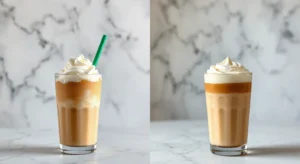
So, what is this magical cold coffee creation? Simply put, an iced cappuccino is espresso, milk, and foam chilled over ice. Think of a hot cappuccino whispering through a snow globe—you get all the texture and flavor, but in an instantly cooling format. It’s a delicate construction of layers designed for refreshment without sacrificing the classic Italian profile.
The tiers are what make it unique when compared to a simple iced latte:
- Double espresso shot: The backbone of the drink, brewed hot and then cooled slightly by the ice it hits.
- Cold milk: Usually steamed milk is out; cold milk is in, filling the main body of the cup.
- Airy foam topping: This is the differentiator. A good iced cappuccino features cold, dry milk foam layered on top, mimicking the cloud of its hot cousin. Many simply skip this or use heavy cream foam, but getting that airy texture matters for authenticity. Getting the iced cappuccino recipe right starts here.
Is the Iced Cappuccino a Common Menu Item in Cafés?
Ten years ago, asking for an iced cappuccino felt like trying to translate ancient Sumerian to your barista. Now? Things have flipped completely. According to a specialized industry analysis—not the NCA report but rather looking at specialty shop trends—the demand for cold customization has exploded. While hard figures vary, the general consensus is that the cappuccino iced coffee hybrid is firmly established where quality coffee is sold.
My observation, while visiting countless local shops and National Chains, is that seasonal availability is increasingly rare. The economic drivers behind this trend are clear: higher margins from premium cold drinks entice chains to keep them on the menu year‑round, especially given the consumer preference shift toward chilled beverages regardless of the weather. So when the next barista serves you an iced cappuccino, you’ll know it’s everywhere. Here is a quick snapshot of what you might expect:
| Chain | Size Options | Milk Options | Price (USD) | Seasonal Status |
|---|---|---|---|---|
| Starbucks | 10 oz / 16 oz | Whole, 2 %, Soy, Almond, Coconut | $3.25 (10 oz) – $3.70 (16 oz) | Year‑round |
| Dunkin’ | 12 oz / 16 oz | Whole, Skim, Soy, Almond | $2.99 (12 oz) – $3.49 (16 oz) | Year‑round |
| McDonald’s McCafe | 16 oz / 20 oz | Whole, Skim, Soy, Almond, Coconut | $2.09 (16 oz) – $2.49 (20 oz) | Year‑round |
| Peet’s Coffee | 12 oz / 16 oz | Whole, 2 %, Soy, Almond | $4.79 (12 oz) – $5.29 (16 oz) | Year‑round |
| Caribou Coffee | 12 oz / 16 oz | Whole, Skim, Soy, Almond | $3.89 (12 oz) – $4.39 (16 oz) | Year‑round |
| Tim Hortons | 12 oz / 16 oz | Whole, Skim, Soy | $2.49 (12 oz) – $2.79 (16 oz) | Year‑round |
| Local Coffee Shop | 12 oz | Whole, Skim, Soy, Almond, Oat | $3.50 | Year‑round |
Where You Can Find an Iced Cappuccino — From Local Spots to National Chains
When searching for that perfect chill, the first thing I do is look for the frothy icon next to the size options on the menu board. Finding an iced cappuccino is easier than ever, but the execution varies widely between an Independent Café, a Local Roastery, and a national giant like Starbucks. Understanding the subtle menu differences will save you time and guarantee a better drink experience.
Typically, standard sizing follows a pattern, though you must always check your local shop: Size → Small (240 mL), Medium (360 mL), Large (480 mL). Before ordering, another visual cue to check is the milk preparation—look for anything that mentions cold milk explicitly, as opposed to the steamed milk required for the hot version.
Independent Café Offerings
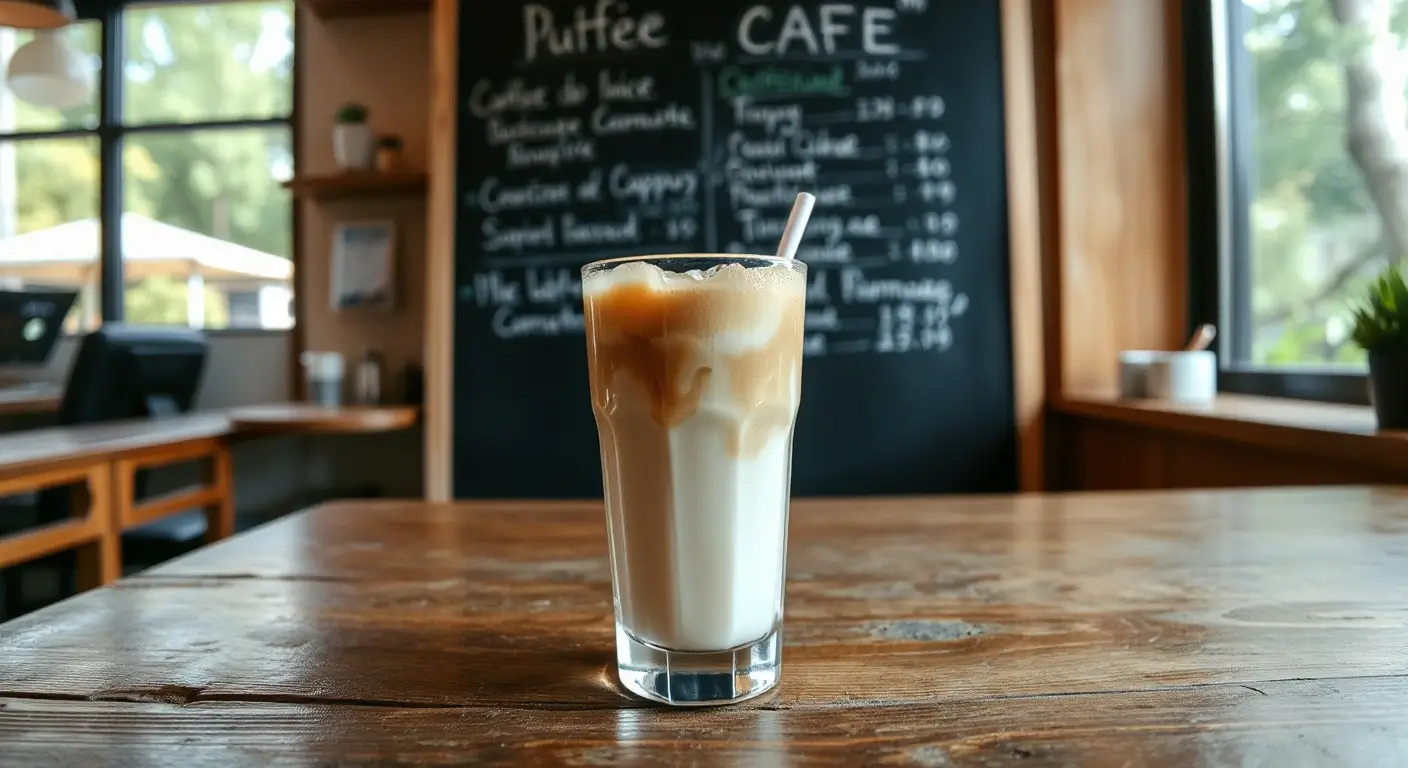
In my experience, the Independent Café is where the iced cappuccino truly shines. These folks often pride themselves on unique recipes, perhaps using house‑blended beans that lend a specific depth you won’t find elsewhere. I remember one spot that served theirs in a clear glass, showing off a swirl of caramel latte art atop the cold foam, which was almost too beautiful to drink. They used a house‑blended dark roast for a real flavor punch, and each sip felt like a personalized ceremony crafted just for me. They treat the preparation seriously.
Local Roasteries and Specialty Shops
If you want maximum control over your iced cappuccino recipe, head straight to Local Roasteries. Because they roast their own beans, they usually offer a wider spectrum of single‑origin shots to pair with your drink. Customization is king here. You can often specify your choice of milk alternatives—be it almond, oat, soy, or just premium whole milk. Flavor boosters are also abundant; think in terms of adding high‑quality vanilla, rich caramel sauce, or dusting the top with fine cocoa powder. They generally serve these in handsome take‑away glassware or encourage you to use your own reusable cups.
Starbucks Varieties
When I’m on the road and need my fix, Starbucks remains the go‑to for consistency when it comes to the Starbucks Iced Cappuccino. While sometimes they call it something slightly different on the app, the core structure is usually available. Their standard offerings let you easily swap between their Original roast and the smoother Blonde espresso. If you like it extra dense, you can even ask for an Espresso Con Panna style foam, though they might default to using a standard cold foam if you don’t specify otherwise. The best part about ordering at Starbucks is the sweetness slider on the mobile app. You can ask for “2 sweetener units” or specify “no sweetener,” giving you precise control over that element. For a creamy twist that holds up well to the agitation of ice, I suggest switching to oat milk.
Other National Chains
Don’t discount the other players in the field! While you might not see the exact words “iced cappuccino” listed, chains like Dunkin’ and Peet’s Coffee certainly offer comparable experiences. Dunkin’ might label its version an “Iced Latte,” but if you ask for extra foam or use their cold brew base instead of standard iced coffee, you can mimic the texture. Peet’s sometimes offers what they market as an “Iced Fancy,” which aims for that textural element. Try them on a rainy Monday for variety—they are often running promotions that make sampling a new configuration quite affordable.
How to Order an Iced Cappuccino at Starbucks (or Any Café) in 3 Easy Steps
Ordering precisely what you want, especially for a slightly less common item like the true iced cappuccino, requires clarity. Whether you are physically standing in line or managing your order via an app, follow these three steps to ensure the barista understands your request for that perfect iced cappuccino, Starbucks‑style drink.
If using the mobile app (like Starbucks Iced Cappuccino with oat milk), you’ll navigate a specific path: Tap “Order” → Select “Iced Cappuccino” (if listed) → Customize. Pay close attention to the customization screen; there is often a sweetness slider icon you can adjust immediately. Don’t miss any pop‑up prompts asking about adding extra shots or selecting milk type, as these are often buried.

If you are ordering in person, keep it short and direct. Practice saying this prompt clearly to the barista: “I’d like a tall iced cappuccino with oat milk, no sugar.” This covers size, drink type, cold liquid, and sweetness preference all in one concise request. If they look confused, you can quickly clarify: “Espresso, cold milk, and cold foam on top, please.”
What If It’s Not on the Menu? Creative Ways to Still Achieve That Iced Cappuccino Flavor
Sometimes, you walk into your favorite coffee shop, scan the beverage menu, and the iced cappuccino is nowhere to be found among the standard offerings. When the menu shadows your craving, don’t despair! I’ve developed a few go‑to workarounds—four distinct alternatives that reliably deliver that core sensory profile: foam, chill, and strong espresso finish. Think of these as quick fixes, often requiring just 3‑0‑3 time (3 ingredients, 0 sugar added, 3‑minute prep). Whisk, taste, tweak, and enjoy the satisfaction of creation.
Iced Latte with a Touch of Foam
This is the easiest substitution because it uses the standard iced latte base. The trick here is to incorporate the cappuccino’s textural element. Alert: Use a latte’s milk base, but instead of just pouring steamed milk, ask the barista to steam a small amount of milk aggressively to create dry foam while the rest of your milk is kept cold. When they assemble it, ask them to add this dry foam right on top! Outline the temperature play: Add ice after steaming the small foam portion, but use cold milk underneath. For proportions, aim for 1 oz espresso + 6 oz cold milk base, plus the foamed topping.
Coffee‑Milk Float
This leans on cold brew, which is inherently lower in acidity than espresso, but when paired with dairy agitation over ice, it delivers a surprisingly creamy, froth‑like effect close to what we want in an iced cappuccino recipe. Direct action: Pour 4 oz cold brew into a glass. Splash in about 1 oz of cold milk—the colder the better. Then, top generously with crushed ice. Don’t stir immediately; instead, gently swirl the glass. You’ll hear and see the aeration begin to form a thin layer of “foam” as the milk hits the crushed ice structure.
Cold Brew with Espresso Shot
If you crave that genuine espresso bite mixed into the cold base, this is your best bet for replicating the iced cappuccino Starbucks experience when the real thing isn’t listed. Start by combining 5 oz cold brew with one standard shot of hot espresso poured directly over it. The heat shock should be limited. The foam is the next step: Steam about 1.5 oz of milk until it is very airy, just like you would for a hot cappuccino. Finally, pour that cold foam last for the classic layered cappuccino look on top of your cold brew base.
DIY Melted Ice Espresso
This is for those moments when you want a slushy, almost granita‑like iced cappuccino texture right at home. You’ll need a standard home espresso maker or strong brewed coffee. Here’s how: Crush about 2 cups of ice into a strong blender (or use an ice‑crushing blender setting). Add one shot of espresso and 2 oz of cold milk (oat or whole works well here). Pulse until the mixture is slushy but not completely liquid. Serve immediately; enjoy the thin, naturally occurring foam that crowns the cup as the ice slowly settles.
Make Your Own Iced Cappuccino at Home in a Few Minutes
If you are tired of settling for close approximations, brewing your own iced cappuccino recipe at home is incredibly rewarding, and surprisingly fast. My method relies on having the right tools to achieve that coveted cold foam. The essential gear for my setup usually includes my home espresso machine (or a strong Moka pot substitute), a milk frother (electric handheld ones work wonders), and tall glasses for assembly.
For a single serving, I standardize the proportions: 1 shot espresso per 240 mL (8 oz) glass. Brew your espresso hot, pour it into your chilled glass, and then add cold ice cubes until the glass is about two‑thirds full. Now for the milk: Measure out the required cold milk (around 5 oz, depending on your glass size) and froth it aggressively with your milk frother. Since you are using cold milk, you need sustained power to develop the dry foam. Whisk or blend until foam peaks form, then gently spoon that cold cloud over the top of your espresso and ice mixture. Take a first sip, adjust sweetness if desired, and enjoy the perfect home‑brewed result.
Customize Your Iced Cappuccino: Sweetness, Milk Alternatives, and Flavor Boosters
One of the best things about having the iced cappuccino recipe in your back pocket is customization. You control everything, from the sugar content to the fat profile. If you are watching your sugar, skip the syrups entirely—the milk itself adds a natural sweetness. If you do like it sweet, treat syrups like measurement—don’t just pour. A good cheat‑sheet is to know the difference between flavored syrups and simple sugar; flavored syrups add both sweetness and calories.
When choosing milk alternatives, remember that texture is everything. Oat milk often works best for creating a stable, airy foam because of its higher protein and stabilizer content compared to almond milk, which can deflate quickly in the cold. Don’t forget flavor boosters! Once your espresso and cold milk are assembled, sprinkling cinnamon, nutmeg, or adding a light dark chocolate drizzle can transform the profile entirely. For context on dietary choices, remember that a standard 12 oz cup, made with skim milk and no added syrups, clocks in around 70 calories and contains roughly 150 mg of caffeine. Making choices about sweeteners is important for long‑term health goals, as studies suggest that while unsweetened coffee reduces weight gain, adding sugar often negates those benefits.
Continuing Cold Coffee Exploration
It’s clear that the iced cappuccino has earned its place as a summer, and frankly, year‑round, favorite. You now know it’s widely available, whether you are at Starbucks or your beloved local coffee shop. We’ve covered the precise language to use when speaking to a barista and, perhaps most importantly, provided you with multiple contingency plans and a proven iced cappuccino recipe for when you’re stuck at home craving the chill. Buy the right beans, master that cold froth, and enjoy the crisp refreshment. Sip, share, and repeat the adventure!
Quick Q&A About the Cold Cappuccino Craze
Q: Can I get an iced cappuccino at any Starbucks location?
A: Yes, the iced cappuccino (or a very close analog like an iced shaken espresso with specific foam requests) is generally available year-round at most Starbucks locations across the US.
Q: Does the Iced Cappuccino have less caffeine than a hot one?
A: No. The caffeine content is determined by the number of espresso shots pulled. A standard iced versus hot drink using the same shots will have the same caffeine level.
Q: What is the main difference between an iced cappuccino and an iced latte?
A: The iced cappuccino requires a distinct layer of airy, cold foam on top, whereas an iced latte primarily mixes the espresso, cold milk, and ice together without specialized foam integration.
Q: What type of milk froths best for making an iced cappuccino recipe at home?
A: Whole milk tends to froth the thickest and hold the cold foam structure the longest, but high‑quality oat milk is a very close second for milk alternatives.
Q: Is it typically more expensive than a standard iced Americano?
A: Generally, yes. Because the iced cappuccino involves milk texturing and often more dairy volume than an Americano, it usually commands a slightly higher price point at your coffee shop.