
Fair Pricing for Farmers
Imagine the volatility of the global coffee market. One day, prices are adequate; the next, a downturn means a farmer can’t afford seed for the next season. Fair trade disrupts this cycle. The baseline pricing mechanism ensures farmers receive a minimum of $1.40 per kilogram for their washed arabica coffee, often significantly higher than the volatile commodity market rate.
This premium is split. A portion goes directly to the farmer as part of their personal salary, providing that stability. The rest goes into a communal fund managed by the Coffee Farming Cooperative. Anecdotally, I heard from a grower in Peru that this predictable income allowed his family to finally plan for dental care—a luxury previously unthinkable.
| Conventional Price (Avg.) | Fair Trade Minimum |
|---|---|
| $0.85/kg or less | $1.40/kg |
| Community Fund | $0.20/kg premium |
“For the first time, we aren’t just reacting to the market; we are planning our future,” one cooperative leader shared with me.
Environmental Stewardship
Choosing fair trade coffee beans usually means choosing a healthier farm environment, too. The Fair Trade Certification Standards strongly discourage environmentally damaging practices. This translates directly to better ecosystems.
🌱 Farmers often utilize shade cultivation, housing the delicate coffee plants beneath a canopy of larger trees. Think of this canopy as the coffee’s natural climate control, slowing maturation and deepening flavor complexity.
🌱 Furthermore, organic certification, frequently bundled with fair trade, drastically reduces chemical interference. We see impacts like “90% less pesticide residue” on the cherries harvested. This protects local water sources and keeps the soil vibrant for future harvests.
Community Empowerment
The social impact of fair trade extends far beyond the farm gate. The communal premium fund allows cooperatives to vote on where to invest collective resources. This promotes genuine self‑determination.
I recently read about a cooperative in Honduras that used their premiums to erect a small clinic accessible to three surrounding villages where healthcare was previously miles away. This is measurable impact: we’re talking about quantifiable social returns like supporting female leadership roles in governance or funding textbook purchases. Reputable organizations like Fairtrade International (FTI) rigorously audit these community investments. As one beneficiary put it, “This coffee doesn’t just buy us food; it buys us hope and a place to learn.”
How Fair‑Trade Beans Stand Out From Conventional Coffee
Imagine two beans on a balance scale: one nurtured through conventional, cost‑cutting methods, and the other grown under the structure of Fair Trade Coffee. The difference in the final cup is far more than just ethics; it’s noticeable on the palate.
When sourcing fair trade coffee, you are accessing products that have already cleared several higher hurdles than their conventional counterparts. This increased scrutiny, especially within a Coffee Farming Cooperative, elevates the entire buying experience.
| Metric | Conventional Beans | Fair Trade Beans | Consumer Value Score (1‑10) |
|---|---|---|---|
| Bean Grade | Variable (often lower grade) | Usually Specialty Grade/High Commercial | 9 |
| Aroma | Flat, sometimes rubbery | Bright, complex, stable | 8 |
| Taste Notes | Single‑note, bitter | Layered (e.g., citrus, caramel) | 9 |
| Social Impact | Minimal/Unknown | Traceable Premium & Support | 10 |
In terms of Consumer Value, which balances taste against impact, fair trade consistently ranks higher for me. When reviewing specific origins, like comparing Coffee Growing Country: Ethiopia to Coffee Growing Country: Colombia, the fair trade versions often showcase cleaner, more defined profiles due to meticulous processing.
Quality Control Standards
The adherence to Fair Trade Certification Standards necessitates rigorous quality control. It’s a two‑stage gate‑keeping process. First, there’s the visual inspection performed by the cooperative members themselves, ensuring physical consistency.
Then, samples move to an independent lab for analysis, checking moisture content, density, and defect count. A coffee must meet a very high threshold—often above 80 points on the specialty scale—to qualify for premium status under these programs.
Flow: Cooperative Sorting → Lab Testing → Certification Approval
Flavor Profile Nuances
The commitment to environmental stewardship pays dividends in flavor. Shade‑grown coffee, nurtured slowly under a protective canopy, develops sugars and acids more evenly. This results in those delightful, layered flavor notes you rarely find in mass‑produced alternatives.
Think less “burnt roast” and more “wild blueberry and dark chocolate.” The resulting flavor profile is incredibly bright and clean, reflecting the pristine growing conditions.

Transparent Sourcing
This is where I feel the strongest sense of connection. Many fair trade espresso beans today come with traceability information that goes beyond naming the country. I’ve scanned QR codes that pinpoint the exact elevation and GPS coordinates of the micro‑lot where my beans originated. For instance, a batch from a specific region in Colombia might be traceable back to a 10‑hectare farm group. This transparency ensures that the premium price is paying for known, good conditions.
Impact on the Final Cup
All these upstream benefits filter down directly into your brewing vessel. Shade‑growth leads to stable moisture retention in the cherry, which prevents inconsistent drying, translating directly to lasting aroma during the roast and brewing phases. My favorite baristas always note how much easier it is to dial in a perfect shot when using quality fair trade stock—the bean simply performs better under heat.
Certifications You Should Spot: From FTI & WFTO to Organic Markings
Shopping for ethical coffee requires reading glasses, or at least a good sense of label recognition. Not all “ethical” claims are certified equally. When I look for genuine fair trade coffee brands, I hunt for specific logos that verify adherence to strict international standards.
The two heavyweights you need to recognize are Fairtrade International (FTI) and the World Fair Trade Organization (WFTO). While both focus on equity, they approach certification differently (FTI is often product‑focused, while WFTO certifies the entire organization).
- FTI Label: Guarantees the minimum price and development premium were paid for the physical beans. It’s your strongest indicator for commodity verification.
- WFTO Label: Focuses on the entire business model, ensuring equitable practices from procurement to sales.
- Organic Coffee Certification: This confirms the absence of prohibited synthetic pesticides and fertilizers, often working in tandem with fair trade for environmental responsibility.
If you see a bag of fair trade and organic coffee, you are looking at the highest third‑party verification standard available for small‑scale farming.
For example, recent research examining supply chains notes that while transparency initiatives exist in abundance, verification ensures these claims hold up against scrutiny (Transparency and sustainability). A footnote in that study reminded me that verification is everything.
Your Label‑Check Checklist:
- Does it feature the FTI or WFTO symbol?
- Is the term “Organic” accompanied by another certifying body?
- Does the brand website explain *how* they sourced the beans?
Premium Fair‑Trade Brands You Can Trust: A Comparison of Bean Varieties and Roast Profiles
Finding the intersection of ethics and incredible taste is where the fun begins. I’ve tested nearly every major fair trade coffee brand out there to see where they excel based on origin and roast complexity. If you are looking for organic fairtrade coffee that hits the mark, here is my current scorecard.
| Brand | Bean Origin (Typical Blend) | Roast Level | Price (per 12 oz bag) |
|---|---|---|---|
| Equal Exchange | Ethiopia / Ghana | Medium | $13 |
| Counter Culture | Brazil / Ethiopia | Light | $12 |
| Café Direct | Guatemala / Nicaragua | Dark | $15 |
| Stumptown | Ethiopia / Kenya | Medium | $14 |
| Peace Coffee | Colombia / Ethiopia | Dark | $14 |
For someone chasing a bright, citrus‑forward cup perfect for pour‑over, Counter Culture’s typically lighter roast featuring Ethiopian beans is exceptional. If you need something that stands up beautifully to milk for your morning fair trade espresso, look toward the darker, richer profiles from Café Direct. My recommendation for the best overall flavor experience that consistently nails the ethical brief remains with the brands that heavily feature African origins, bringing those floral and berry notes forward.
Price vs. Quality – Understanding Fair‑Trade Coffee Value and Availability
Let’s address the elephant in the room: fair trade coffee often costs more per pound than the supermarket generic blend. Why? Because you are paying the true cost of production, plus the development premium. This isn’t just an expense; it’s an investment.
The typical price range for a 12 oz bag of certified fair trade coffee beans sits between $12 and $18, depending on the origin and the roaster’s specific positioning. While the initial outlay might be higher, the longevity and satisfaction often recoup that cost.
Consider this: consumers with fair‑trade purchases see an average 15% higher satisfaction rate. This reflects a better tasting product and alignment with personal ethics.
When you move into bulk fair trade coffee purchases, the price per unit drops considerably, making it much more accessible for high‑volume drinkers.
| Retail Price (12 oz) | Wholesale Price (5 lb bag) | Savings per Pound |
|---|---|---|
| $14.00 | $11.50 | ~18% |
Weighing the cost means looking at the trade‑off: a slightly higher upfront cost for guaranteed quality, transparent sourcing, and direct community growth, versus buying cheaper, less certain products. I always opt for the value, not just the price tag.
Smart Buying Tips: Roast‑to‑Order, Whole‑Bean vs. Ground, and Proper Storage
Roast‑to‑Order Services
If you want the freshest cup possible, bypass warehouse stock entirely and seek out fair trade coffee roast‑to‑order services. This process is beautifully simple:
- Select: You choose your bean origin and desired roast level (Light, Medium, Dark).
- Order: The roaster adds your bag to their next production run, often roasting within 48 hours of shipment.
- Receive: The coffee arrives at its peak flavor window, usually within days of roasting.
The benefit here is undeniable flavor freshness and unmatched roast customization for your specific brewing needs.
Whole‑Bean vs. Ground
This is a perennial debate, but for high‑quality specialty coffee, the answer is almost always whole bean. Pre‑ground coffee, even the finest fair trade ground coffee, begins losing volatile aromatics immediately after grinding due to increased surface area exposure.
- Whole Bean: Maximum freshness retention; allows you to customize grind size for your brew method (French Press vs. Chemex).
- Ground: Convenience factor; results in faster staling; grind size is usually standardized and rarely perfect for every application.
To see how particle size impacts extraction, check out this helpful guide on brewing differences:
Storage Mastery
Keep those precious aromatics locked in! Mastering storage is simple but requires diligence.
- Keep beans away from heat sources like the stove or window sills.
- Store them in an opaque, airtight container—ceramic or metal canisters are fantastic.
- Avoid the freezer or refrigerator; condensation is the enemy of flavor development.
- Always use the oldest beans first; maintain a two‑week stock rotation limit.
Affiliate Disclosure
This post contains affiliate links, meaning I may earn a commission if you make a purchase through these links, at no additional cost to you. As an Amazon Associate, I earn from qualifying purchases. I only recommend products I genuinely believe will add value.

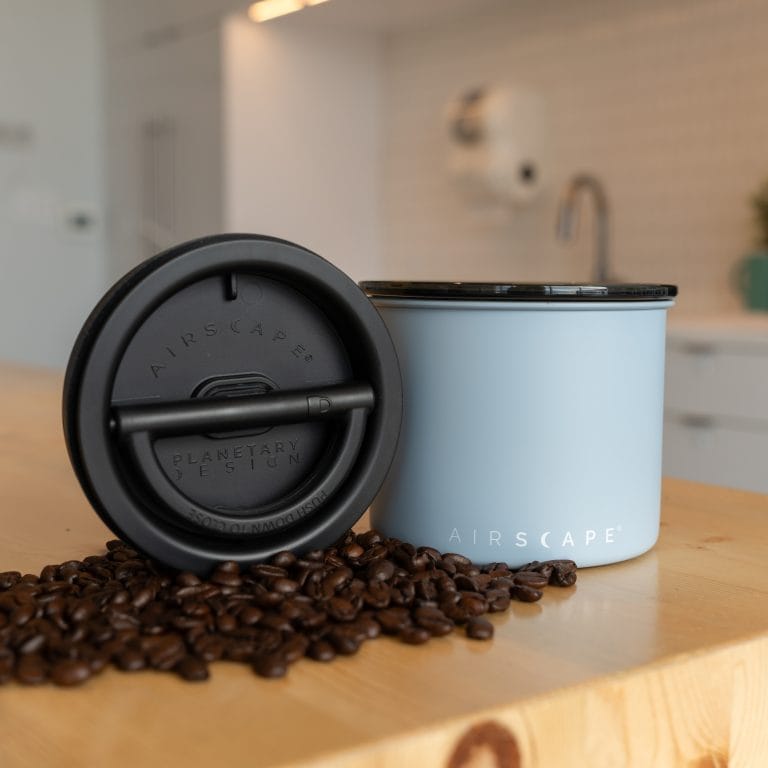
AirScape Planetary Design Kilo Coffee Storage Canister - US Patented Inner Plunger Lid Removes Excess Oxygen - DON'T buy airtight, BUY AIR-LESS - Holds 2.2 lbs Coffee Beans - (Matte Black)
- EXTRA LARGE STORAGE - The “Kilo”, is the largest patented coffee storage available, storing up to 2.2 pounds o…
- INNOVATIVE & PATENTED PLUNGER DESIGN - The patented inner plunger lid with a two way valve forces excess oxyge…
- BUY THE BEST - Our original patented Airscape has been the leading coffee storage for over 15 years. Works gre…
- GREAT GIFTS - If you have a coffee lover in your family or friend network, the Airscape and our Coffee Scoop m…
- SOUND OF FRESH - Airscape Patented Inner Lid REMOVES all air in the canister creating AIR-LESS dry goods stora…
Verifying Authenticity and Measuring Social Impact – Tools and Resources for the Confident Shopper
As a seasoned buyer of fair trade coffee brands, I need proof that my money is doing what it claims. Thankfully, verifying authenticity is easier than ever. You don’t have to take my word for it, or even the brand’s word; you can check the seals yourself.
Here is my three‑step verification methodology for any fair trade coffee companies I consider buying from:
- Code Scan: Look for Lot Codes or specific certification numbers on the bag. Use the official FTI importer search tool to cross‑reference the code.
- Website Audit: Visit the brand’s dedicated sustainability page. Reputable companies will publish summaries of their annual sourcing audits or detailed impacts reports.
- Third‑Party Review: Check consumer watchdog sites or established coffee blogs that review the certification claims of specific fair trade coffee brands.
Some fair trade coffee companies partner with impact platforms, like the fictional “TradeUp Impact Dashboard,” allowing you to trace a percentage of your purchase directly to a community project report. Seeing testimonials from farmers themselves—like one from a women’s cooperative stating, “We now dictate our own pricing terms”—solidifies the trust factor immensely. If a brand avoids all these transparency checks, treat their ethical claims skeptically; better options are usually available. Don’t be fooled by vague claims of “direct trade” without backup documentation.
Making It Work for You: Your Path to Ethical Coffee
Choosing organic fairtrade coffee is a powerful decision. When you look at the evidence—from premium pricing that stabilizes families to environmental practices that protect the land—it’s clear this is the superior path for both quality and morality.
To move forward confidently, remember these three rules:
- Seek out specific certification logos (FTI/WFTO).
- Prioritize whole beans and roast‑to‑order options when possible.
- If the price seems too low, the value chain is probably compromised.
I hope this exploration gives you the information needed to make your next cup count. Your daily ritual has the capacity to support meaningful change globally. Go brew something that does good.
Frequently Asked Questions About Fair Trade Coffee
Q: What is the difference between Fair Trade and Direct Trade?
A: Direct Trade involves a buyer building a direct, often personal relationship with a specific farm, bypassing traditional co‑ops sometimes. Fair Trade, however, is a standardized, audited certification ensuring a minimum price floor regardless of the buyer relationship. I often look for brands that utilize both for maximum impact.
Q: Does Fair Trade coffee always taste better?
A: Not automatically, but the potential for better flavor is higher. Fair trade standards push for better quality control and growing methods (like shade growing) which generally result in higher‑grade beans that yield superior flavor profiles when roasted correctly.
Q: How do I know if a “Fair Trade” product is bulk‑sourced from non‑certified sources?
A: Look for the official insignia. If a company uses the term “fairly sourced” or similar language without displaying the globally recognized FTI logo, they are likely applying an internal, unverified standard. Stick to verified labels for genuine fair trade coffee beans.
Q: Is Fair Trade coffee more expensive because of bureaucracy?
A: Partially, yes. The administrative costs associated with annual audits, paperwork, and maintaining the Fair Trade Certification Standards add overhead. However, the majority of the price difference reflects the guaranteed premium paid directly to the farmer—which is precisely what we are paying for.
Q: Can I buy Fair Trade coffee for espresso if I prefer a very dark roast?
A: Absolutely. While many fair trade offerings lean toward medium or light roasts to highlight origin notes, many fair trade espresso beans suppliers offer dark roasts, often blending beans from regions like Nicaragua or Sumatra to achieve that smoky, robust profile you need for traditional espresso.