

What Makes Coffee a Healthful Brew? The Science of Caffeine, Antioxidants, and More
The magic in your cup comes down to much more than just flavor. The health benefits of coffee stem from a complex cocktail of bioactive compounds. On an average 150 ml cup, you are consuming about 95 mg of caffeine, the well‑known stimulant. But the superstars are often the less‑discussed elements.
We get a healthy dose of antioxidants, specifically polyphenols and nearly 80 mg of chlorogenic acid per serving. These compounds are masterful at fighting off cellular damage and curbing the oxidation linked to aging and disease. In fact, research shows that chlorogenic acids improve glucose metabolism Coffee Antioxidant Study. Then there are the diterpenes, cafestol and kahweol, which are present in varying amounts depending on how you brew. While they have some anti‑inflammatory properties, they are also what can raise cholesterol if you drink too much unfiltered coffee. These components interact in ways that provide coffee nutritional benefits, making your daily ritual a functional health habit. Understanding these health properties of coffee helps us appreciate why moderation matters.
Proven Health Benefits of Coffee: From Diabetes Prevention to Brain Health
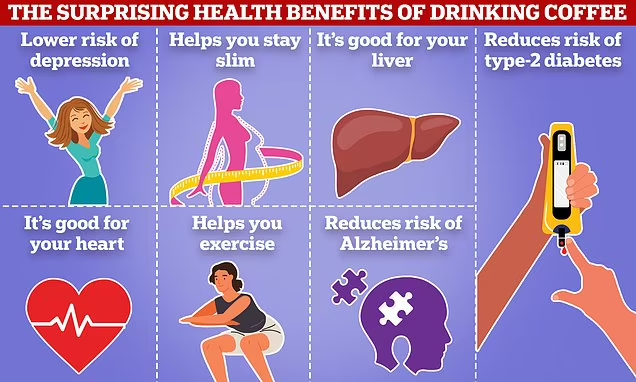
The body of research supporting moderate coffee consumption is quite persuasive. When we look at large population studies, the coffee health advantages become undeniable across several major health markers. The data suggests that drinking coffee regularly can offer protection where we least expect it.
Diabetes and Metabolic Health
If you’re concerned about fluctuating energy or sugar responses, coffee might be giving you an edge. Regular coffee consumption is strongly associated with lower incidence of Type 2 Diabetes. Type 2 Diabetes prevention is one of coffee’s most celebrated roles. Some findings suggest that for every cup consumed daily, the risk of developing the condition drops by approximately 7 % to 10 %. In fact, data compilation shows that habitual coffee consumption lowers blood sugar management markers over time. A comprehensive meta‑analysis published in JAMA showed that coffee drinkers had a significantly reduced risk. Filtered coffee consumption has been linked to a 60 % reduction in the risk of developing type 2 diabetes. A large meta‑analysis in 2019 indicated that increased coffee intake was directly associated with lower risk, showing a dose‑response pattern overall Coffee Diabetes Meta-Analysis. The takeaway here is clear: even moderate consumption adds protection toward metabolic regulation.
Cardiovascular and Heart Health
Contrary to older warnings, modern evidence points toward coffee heart health benefits. For a long time, people worried that coffee spiked blood pressure permanently, but many studies now point to a protective effect over time. For most people, moderate intake does not increase the risk of coronary artery disease. In fact, data suggests that people drinking around three cups a day showed a notable cardiovascular disease risk reduction. This protection is maximized when you choose the right preparation. For instance, drinking just three cups a day has been linked to a 20 % lower heart disease risk compared to non‑drinkers. This benefit is clearest with methods that remove the compounds that can impact lipids. Filtered coffee maximizes this benefit by limiting diterpenes.
Neuroprotective Effects
For those of us who rely on coffee for sharpness, there’s good news regarding long‑term brain maintenance. The combination of caffeine and polyphenols offers significant neurodegenerative disease prevention. Coffee and Alzheimer’s protection is an active area of research, but early findings are encouraging.
For example, the risk of developing Parkinson’s disease appears to drop significantly with consistent coffee consumption habits. Studies suggest that, per cup consumed, coffee consumption lowers Parkinson’s risk by around 27 %. How does this work? Mostly, caffeine acts as an adenosine receptor antagonist, which helps dampen the neuroinflammation that contributes to these conditions.
Liver Support and Cancer Prevention
The benefits extend deep into organ health, particularly the liver. Coffee is powerfully linked to maintaining digestive function and protecting against several severe illnesses. Regular coffee drinkers show substantially lower rates of liver fibrosis and cancer. Specific cohort data gathered by researchers tracking long‑term diets revealed that regular coffee use significantly reduces the incidence of liver cirrhosis by up to 45 % compared to abstinence Coffee Liver Cancer Study. Furthermore, evidence points toward reduced risk for certain gastrointestinal and liver cancers. From heart to brain, coffee’s evidence is compelling.
Black, Espresso, or Cold Brew? How Different Coffee Types and Brewing Methods Affect Your Health
It’s not just if you drink coffee, but how you prepare it that shapes the black coffee benefits you receive. The preparation method drastically alters the chemical profile in your cup, mainly concerning antioxidant retention versus diterpene concentration. Roasting depth also plays a role; darker roasts tend to have fewer chlorogenic acids because they break down under higher heat, while lighter roasts retain more.
I always try to match my brew to my health priority for the day. If I need maximum anti‑inflammatory punch, I lean towards a lighter filter brew. If I need that quick, intense shot, I go for espresso, while being mindful of the diterpenes.
| Brewing Method | Antioxidant Content (μmol TE/100 mL) | Diterpene Level (mg per cup) |
|---|---|---|
| Filtered Black | 50 | 0.2 |
| Espresso | 45 | 1.4 |
| Cold Brew | 35 | 0.35 |
| French Press | 40 | 1.0 |
As the table shows, the use of a paper filter in drip coffee strips away nearly all the diterpenes (cafestol and kahweol) while maintaining high antioxidant levels. Unfiltered methods like French Press or traditional boiled coffee retain these compounds. For coffee heart health, choosing filtered black coffee benefits you by minimizing your diterpene load. Know your brewing methods to make informed choices about concentration and purity.
When Too Much Coffee Can Be Harmful: Risks, Contraindications, and Who Should Be Cautious
While the coffee perks are plentiful, they come with clear caveats, primarily centered around the dose of caffeine. Many people push past their personal thresholds, leading to negative coffee side effects. The biggest issues I see relate to sleep and blood pressure management.
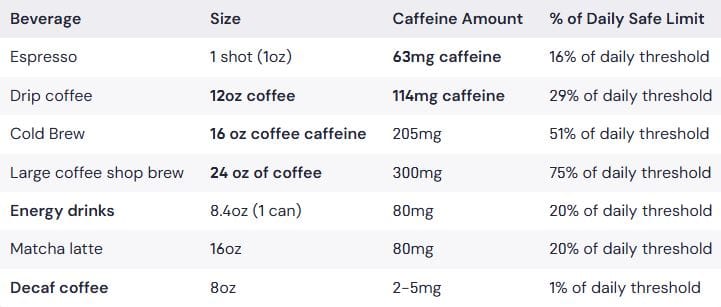
For the average healthy adult, limits are fairly clear, but sensitivity varies greatly. If you consume upward of 400 mg of caffeine—about four standard cups—your quality of sleep suffers significantly. Caffeine intake > 400 mg can worsen sleep latency by 30 min for sensitive individuals. Proper coffee timing tips are crucial for avoiding this.
We must also consider specific populations. For pregnant individuals, guidelines are much stricter due to the potential impact on fetal development. Health authorities generally recommend limiting caffeine intake to under 200 mg daily during pregnancy, which is only about two small cups. Anyone dealing with diagnosed anxiety, GERD, or severe hypertension should discuss their caffeine dangers threshold with a physician. If you notice heart palpitations or persistent jitters, this is your body signaling you need to drastically adjust your daily coffee intake.
How Much Coffee Is Right for You? Evidence-Based Daily Intake Guidelines and Timing Tips
So, what is the perfect amount? The science leans toward a sweet spot that maximizes the coffee health advantages while minimizing the risk associated with overconsumption. The general consensus for healthy adults sits right around the 3 to 5 standard eight‑ounce cups per day mark, equating to roughly 300–400 mg of caffeine.
To personalize this, consider your tolerance above all else. Are you alert after one cup, or do you need four to feel the effect? Use that as your initial guide.
- Morning Wake‑Up (7:00 AM – 9:00 AM): Ideal for metabolic activation and focus boost. This is when you can safely consume your first cup to counteract morning cortisol levels.
- Mid‑Afternoon Boost (2:00 PM – 4:00 PM): Useful for beating the 3 PM slump, provided you are not highly sensitive to late caffeine.
- The Cutoff Point (No later than 2:00 PM for sensitive sleepers): To ensure good sleep quality, avoid caffeine for at least 8 to 10 hours before bed. If you feel jittery after 3 PM, limit yourself to 2 cups total for the day.
Adhering to these coffee consumption guidelines ensures you are getting the antioxidants when you need them without interfering with later restorative processes. I used to push my last cup to 5 PM, but once I moved it to 2 PM, my deep sleep monitoring improved dramatically.
Practical Ways to Maximize Coffee Benefits While Staying Safe
Once you understand the right amount and general risks, the next step is applying these coffee health hacks to your preparation routine. It’s easy to accidentally negate the incredible antioxidants by loading your drink with additives. My goal is always to amplify the coffee positive effects.
- Select Light Roasts: These retain higher levels of chlorogenic acid compared to very dark roasts.
- Always Use Paper Filters: This practice manages the diterpenes, making your black coffee friendlier to your cholesterol profile.
- Pair Smartly: Instead of sugary syrups, try integrating healthy fats. For instance, a small amount of omega‑3‑rich oat milk or a teaspoon of MCT oil can enhance energy stability.
- Skip Added Sugar: This is the single biggest factor in making coffee unhealthy. That refined sugar cancels out many metabolic coffee perks. Cinnamon is a great natural sweetener alternative.
- Sip Slowly: Drinking too fast causes a jarring caffeine spike. Slow sipping moderates the absorption and smooths out the stimulating effect.
Actionable Take‑Aways: Decide Whether to Keep, Cut, or Change Your Coffee Routine
You now have the science needed to draw personal conclusions about your coffee consumption habits. My hope is that you feel equipped to move past the blanket statements and apply specific data to your life. This is about designing a coffee habit that serves your goals. Where do you fall?
| Health Assessment | Recommended Action | Rationale |
|---|---|---|
| Current intake is 1‑3 cups, filtered, no sugar | Keep | Benefits are maximized; risks are minimal. |
| Current intake is 5+ cups, or jittery after 3 PM | Cut | Reduce intake to 3‑4 cups and observe sleep quality. |
| Unfiltered preparation (French Press daily) | Change | Switch to filtered methods (drip, pour‑over) to manage diterpenes. |
If you find coffee consistently causes anxiety or heartburn, don’t feel you must quit entirely. Changing to decaf to get the antioxidants, or switching to green tea, might be your personal coffee habit changes. Apply this framework to align coffee with your health goals.
Making It Work for You
After reviewing the compounds, the overwhelming body of evidence suggests that Black Coffee, consumed mindfully, is a powerful adjunct to a healthy lifestyle. We’ve seen that the polyphenols and chlorogenic acid offer remarkable protection against metabolic disease, while the caffeine sharpens cognitive function. However, we also established coffee risks related to preparation methods and timing. The difference between a beneficial beverage and one that causes sleepless nights often boils down to using a paper filter and setting a clear afternoon cutoff time. Please remember that coffee is not a standalone cure‑all; it’s one component of a wider, healthy approach. Start today by choosing the brewing method that best supports your health goals, and listen closely to what you gather after that second cup.
Frequently Asked Questions About Coffee’s Health Impact
Q: Is the caffeine in coffee bad for my heart health?
A: For most healthy individuals below the 400 mg threshold, moderate daily coffee intake does not increase cardiovascular risk. In fact, it is often associated with slight risk reduction, particularly when coffee is filtered.
Q: Does adding milk negate the antioxidants?
A: Adding small amounts of unsweetened dairy or plant milk (like almond) has a negligible effect on the overall antioxidant absorption. The real problem arises when you add sweeteners and heavy syrups.
Q: Should I only drink black coffee to get the benefits?
A: While black coffee benefits are maximized because you avoid additives, you can still get strong coffee perks by using smaller amounts of unsweetened, low‑fat milk substitutes. Focus on the preparation method (filtered!) over eliminating all additions.
Q: How does cold brew compare to hot brewed coffee nutritionally?
A: Cold brew generally has lower acidity and fewer diterpenes than French press, but due to the longer steep time sometimes used for concentrates, it can still have a significant caffeine punch. Its antioxidant levels are slightly lower than drip coffee.
Q: If I cannot sleep well, should I switch to decaf?
A: If caffeine disrupts your sleep, absolutely switch. Decaf coffee still retains a good percentage of the beneficial chlorogenic acids and antioxidants, providing many coffee wellness benefits without impacting your rest.