
Unpack Latte Ingredients to Reveal True Calorie Sources
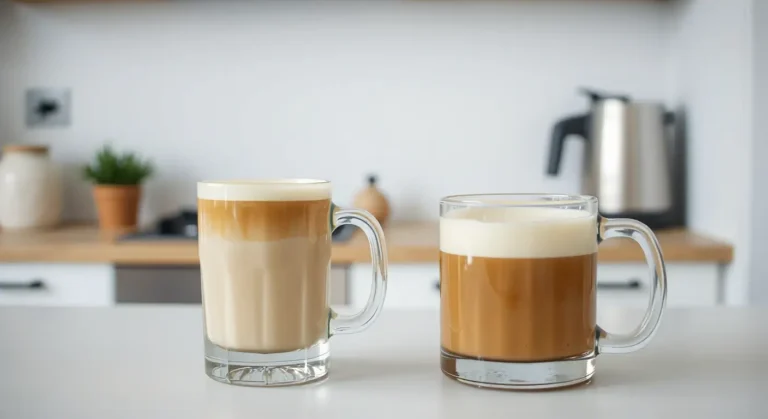
When I first started counting calories, the latte was my morning nemesis. It felt like such an innocent choice—just coffee and milk! But those seemingly simple ingredients hide the true sources of calories in a latte. Understanding how many calories in a latte starts by breaking it down. A traditional caffe latte consists of three main components: a shot or two of espresso, steamed milk, and a thin layer of foam. The espresso itself contributes negligible calories—a double shot might only have five calories. This means the calorie battle is almost entirely waged in the milk and any extras you add later. To get a clear handle on latte nutrition facts, we need to know the baseline established by the liquid itself. Knowing this baseline is the first step to regaining control over your morning cup and accurately estimating the kcal latte whether you make it at home or grab one on the run.
Choose the Right Milk Type to Slash Latte Calories Easily
If you want the fastest, most effective way to manage your calories of a latte, look no further than your milk choice. This is where the calorie disparity becomes massive. For most coffee shops, “regular” usually means whole milk—and that packs a punch. A standard 12-ounce serving of whole milk contains roughly 180-200 calories, mostly from fat and natural sugars. When you are tracking your intake, that choice drastically impacts your daily budget.
For health-conscious drinkers, swapping to 2% milk saves you roughly 30-40 calories per cup, which definitely adds up over a week. Moving to skim milk, which is virtually fat‑free, slashes the calories even further. But the real game‑changers, especially for those exploring milk alternatives, are plant‑based options. Unsweetened Almond Milk is often the lowest calorie choice, delivering as few as 30 to 40 calories for the same serving size. Oat Milk, while creamy and popular, tends to be closer to 2% milk in calories due to its higher carbohydrate and fat content unless you find a specialized low‑calorie version.
My personal journey showed me that even though some alternatives seem like a perfect swap, their profiles vary wildly. While they offer fantastic flavor options, it is wise to check labels. Even natural composition means different caloric densities. Research comparing dairy and plant‑based options highlights that while alternatives like almond milk are significantly lower in energy than semi‑skimmed dairy, dairy milk remains superior in protein composition. Recognizing these differences allows you to make an informed trade‑off: do you prioritize lower calories (almond) or higher protein (dairy)? Either way, switching from whole milk is the easiest way to lower your overall calories.
Scale Latte Calories Confidently by Size (8oz to 20oz)
Once you’ve settled on your milk type, the next variable dictating 12 oz latte calories or 16 oz latte calories is simple: size. Coffee shops love upsizing, but your waistline doesn’t have to follow. Portion control is paramount when estimating the kcal latte. A small latte (often 8oz) made with 2% milk might clock in around 100 calories. Increase that to a 16oz serving using the same milk, and you’ve doubled that to 200 calories, just from expanding the volume.
If you are ordering a 20oz “Venti” or “Large” size and using whole milk, you are easily pushing past 300 calories before adding any flavorings. That volume substantially increases the amount of milk used, meaning you’re consuming the nutritional equivalent of a small meal in a cup if you’re not careful. Keeping your order small significantly helps manage your intake.
To visualize this portion effect, consider this breakdown:

When you know your target size—whether it’s an 8oz for a quick caffeine hit or a 16 oz to sip all morning—you can immediately calibrate your milk choice. If you absolutely need that large volume, sticking to skim or almond milk becomes non‑negotiable if you want to keep the how many calories in a latte count manageable for your goals.
Dodge Hidden Calories from Syrups, Sugars, and Flavorings
If milk is the baseline calorie contributor, then sweeteners and flavorings are the calorie bombs waiting to explode in your cup. This is where many people unknowingly rack up unnecessary carbs in latte consumption. Think about a standard pump of vanilla or caramel syrup at a café. That single pump isn’t just flavor; it’s usually 20 calories and several grams of sugar. A typical flavored latte often receives three or four pumps—that’s 80 calories or more added on top of your milk and espresso, with zero nutritional benefit.
When you’re enjoying a café‑bought drink, that creamy vanilla flavor might actually be masking 4 to 5 teaspoons of sugar. If you’re trying to maintain a calorie deficit (that’s when you burn more than you eat), those sugary additions can sabotage your efforts quickly.
How do you manage this at the counter? Always ask for fewer pumps, or better yet, zero pumps and use your own natural sweeteners at home.

At home, you have total control. Instead of commercial syrups packed with corn syrup, try using a tiny splash of pure vanilla extract, a dash of cinnamon, or a low‑calorie sweetener you trust. Cutting out those syrups is the fastest way to reduce how many carbs are in a latte while keeping that satisfying flavor profile you crave.
Homemade vs. Café Lattes: Unlock $4 and 200kcal Savings Per Cup
This is where our investigation pays off in cold, hard cash and lighter clothing! The contrast between a standard cafe latte and a carefully constructed homemade version is staggering, both financially and nutritionally. These aren’t minor adjustments; these are genuine opportunities to save hundreds of calories and dollars weekly.
Café Lattes: Standard Calories and Costs
When you buy a drink out, you are paying for convenience, labor, and a specific standard formulation. Unfortunately, that standard often means higher calories. A 16 oz café latte at most commercial coffee shops contains about 190-290 calories and typically costs between $4.79 and $6.10. For example, Starbucks Grande Caffè Latte with 2% milk has 190 calories and retails for roughly $5.95, while Peet’s Coffee offers a similar latte at about $6.10. The industry average price for a 16 oz latte is $4.79–$6.10. Asking for whole milk or flavorings easily pushes that calorie count past 300 kcal. That consistent daily expense starts impacting your budget badly over time.
Homemade Lattes: Custom Low‑Calorie Wins
Now, picture this: You brew your espresso shot at home. You steam a cup of skim milk (or use almond milk), topping it off with a sprinkle of nutmeg instead of syrup. Suddenly, your 16oz latte is down to about 130 calories—a reduction of nearly 150 kcal compared to the higher‑end café version, and you’ve saved $5.00. If you make this switch every weekday, you are potentially saving 750 calories and $25 per week! That’s where the 200kcal difference per cup becomes real weight management assistance.
You can easily replicate café quality with an affordable home setup. To see how simple it is to manage the small caloric contributions of your own ingredients—and how cheap it can be—check out this visual guide:
The video “Homemade Hot Starbucks Drinks | 4 Easy Healthy Coffee Drinks” walks you through making a low‑calorie mocha latte with unsweetened almond milk and cocoa powder that contains only 79 calories, and compares ingredient costs showing a homemade latte can cost as little as $0.25–$1.42 per serving versus $5–$6 for a store‑bought latte.
Instant Latte Calorie Chart: Your Go‑To Nutrition Facts Reference
| Size | Milk Type | Add‑ons | Calories | Carbs (g) |
|---|---|---|---|---|
| 8 oz | Whole | None | 120 | 10 |
| 8 oz | Whole | Syrup (1 pump) | 160 | 17 |
| 8 oz | Whole | Whipped Cream | 190 | 13 |
| 8 oz | 2% | None | 100 | 10 |
| 8 oz | 2% | Syrup (1 pump) | 140 | 17 |
| 8 oz | 2% | Whipped Cream | 170 | 13 |
| 8 oz | Skim | None | 80 | 10 |
| 8 oz | Skim | Syrup (1 pump) | 120 | 17 |
| 8 oz | Skim | Whipped Cream | 150 | 13 |
| 8 oz | Almond | None | 50 | 2 |
| 8 oz | Almond | Syrup (1 pump) | 90 | 9 |
| 8 oz | Almond | Whipped Cream | 120 | 5 |
| 8 oz | Oat | None | 110 | 14 |
| 8 oz | Oat | Syrup (1 pump) | 150 | 21 |
| 8 oz | Oat | Whipped Cream | 180 | 17 |
| 12 oz | Whole | None | 180 | 15 |
| 12 oz | Whole | Syrup (1 pump) | 220 | 22 |
| 12 oz | Whole | Whipped Cream | 250 | 18 |
| 12 oz | 2% | None | 150 | 15 |
| 12 oz | 2% | Syrup (1 pump) | 190 | 22 |
| 12 oz | 2% | Whipped Cream | 220 | 18 |
| 12 oz | Skim | None | 120 | 15 |
| 12 oz | Skim | Syrup (1 pump) | 160 | 22 |
| 12 oz | Skim | Whipped Cream | 190 | 18 |
| 12 oz | Almond | None | 70 | 3 |
| 12 oz | Almond | Syrup (1 pump) | 110 | 10 |
| 12 oz | Almond | Whipped Cream | 140 | 6 |
| 12 oz | Oat | None | 160 | 21 |
| 12 oz | Oat | Syrup (1 pump) | 200 | 28 |
| 12 oz | Oat | Whipped Cream | 230 | 24 |
| 16 oz | Whole | None | 240 | 20 |
| 16 oz | Whole | Syrup (1 pump) | 280 | 27 |
| 16 oz | Whole | Whipped Cream | 310 | 23 |
| 16 oz | 2% | None | 200 | 20 |
| 16 oz | 2% | Syrup (1 pump) | 240 | 27 |
| 16 oz | 2% | Whipped Cream | 270 | 23 |
| 16 oz | Skim | None | 160 | 20 |
| 16 oz | Skim | Syrup (1 pump) | 200 | 27 |
| 16 oz | Skim | Whipped Cream | 230 | 23 |
| 16 oz | Almond | None | 90 | 4 |
| 16 oz | Almond | Syrup (1 pump) | 130 | 11 |
| 16 oz | Almond | Whipped Cream | 160 | 7 |
| 16 oz | Oat | None | 210 | 28 |
| 16 oz | Oat | Syrup (1 pump) | 250 | 35 |
| 16 oz | Oat | Whipped Cream | 280 | 31 |
Final Thoughts: Brew Ahead: Empower Your Daily Latte Choices
It’s simple arithmetic, really. If you are curious about how much calories in latte you are actually consuming, stop guessing and start calculating the milk and the extras. We’ve seen that by shifting your habits—moving from high‑fat milk to lower‑calorie alternatives like skim or almond, and ditching those sugary syrups—you can easily shed 200 kcal per cup. That small change, repeated daily, puts you firmly on track toward your health goals without having to give up your beloved morning ritual. Taking control of your latte nutrition facts isn’t about deprivation; it’s about making small, smart swaps that grant you huge returns in both health maintenance and your wallet. Go ahead, enjoy that next coffee latte guilt‑free!
FAQ
Q: What is the main source of calories in a standard latte?
A: The milk. Espresso shots contain almost no calories; the vast majority comes from the volume and fat content of the steamed milk.
Q: Can I order a low‑calorie latte at a café?
A: Yes. Ask for skim or unsweetened almond milk, and request zero pumps of syrup or sugar for the lowest kcal latte.
Q: How many calories does a typical pump of syrup add?
A: A standard pump of flavored syrup usually adds about 20 calories. Four pumps equal an extra 80 calories, which drastically changes the how many calories in a latte estimate.
Q: Is oat milk low in calories?
A: Not always. Standard oat milk can be calorie‑dense, often similar to 2% dairy milk. Check the label for unsweetened or low‑fat versions if you are watching your intake.
Q: Does espresso add significant carbs to my drink?
A: No. A double shot of espresso contributes negligible carbohydrates and calories, keeping the count very low compared to the milk base.