Why Cappuccino Calories Are Derailing Your Diet
Picture this: You’re crushing your diet until that innocent-looking cappuccino sneaks in 80-120 hidden calories, derailing your progress. It feels like sabotage! Many of us assume the airy foam equals zero calories, but that assumption is costly. We’ll break down the ingredients first, reveal the exact totals next, explore how variations change the count, and compare it to other drinks so you walk away prepared to order smarter and keep your nutrition goals on track.
Understanding Your Standard Cappuccino: Recipe, Size, and Ingredients
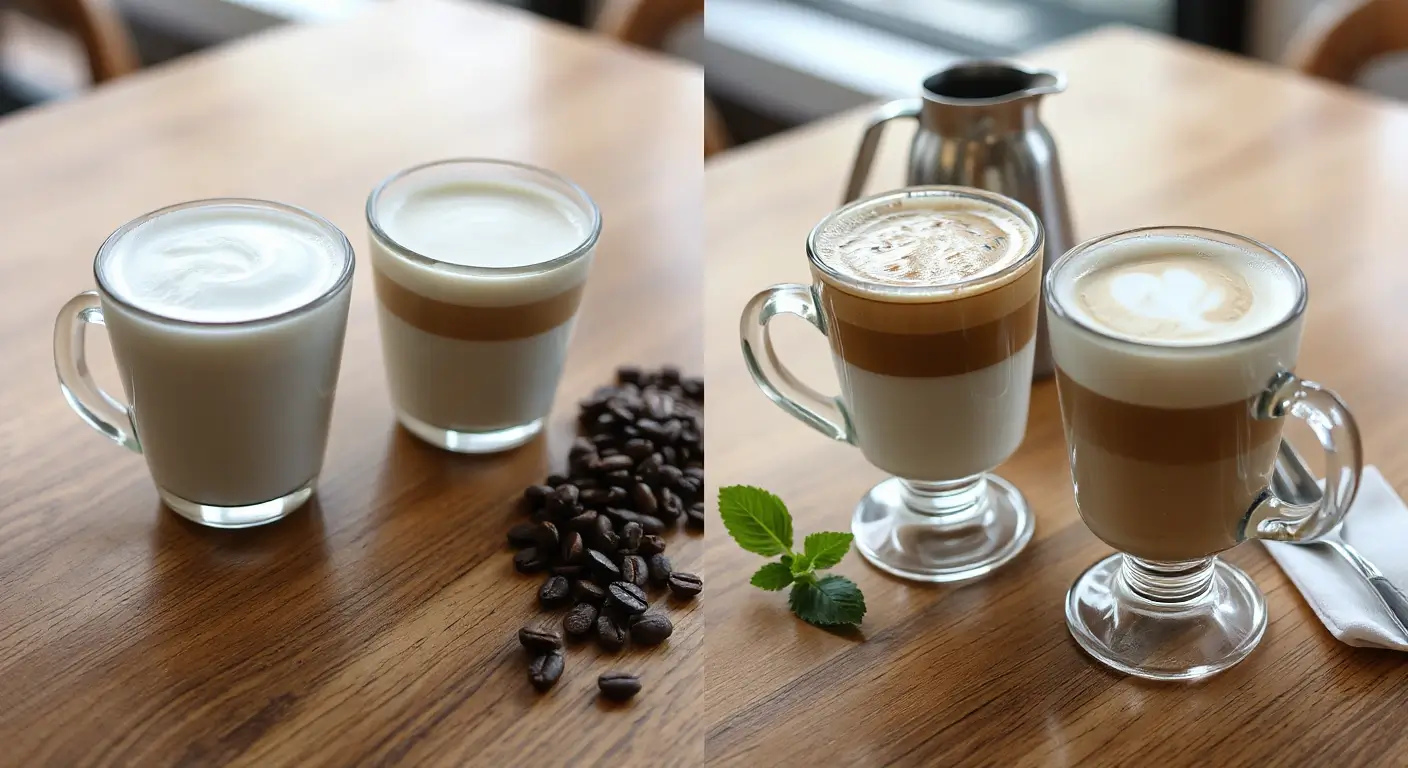
When we talk about a standard cappuccino, we aren’t discussing a massive, blended creation. For accurate calorie tracking—especially for beginners—we need a precise baseline. A traditional, Italian-style cappuccino is a masterclass in balance. It’s almost always served in a smaller cup, typically yielding about 6 ounces total. Think of it as a perfectly portioned pie chart for calorie tracking novices: it’s composed of three equal parts.
This standard 6-oz brew consists of one-third rich espresso (usually one standard 1-2 oz shot), one-third steamed milk (about 2 oz), and one-third velvety foam (another 2 oz). This specific ratio is what gives the cappuccino its signature texture—strong coffee balanced by the richness of the milk, capped by airy foam. If you’re ordering at a local shop, knowing this standard helps you estimate what they are putting in your cup before customization begins. Understanding these ratios is the first step toward demystifying the cappuccino nutritional value and ensuring your cappuccino cal counting is accurate from the jump.
Break Down Cappuccino Calories by Ingredient: Espresso, Milk, and Foam
Espresso Calories
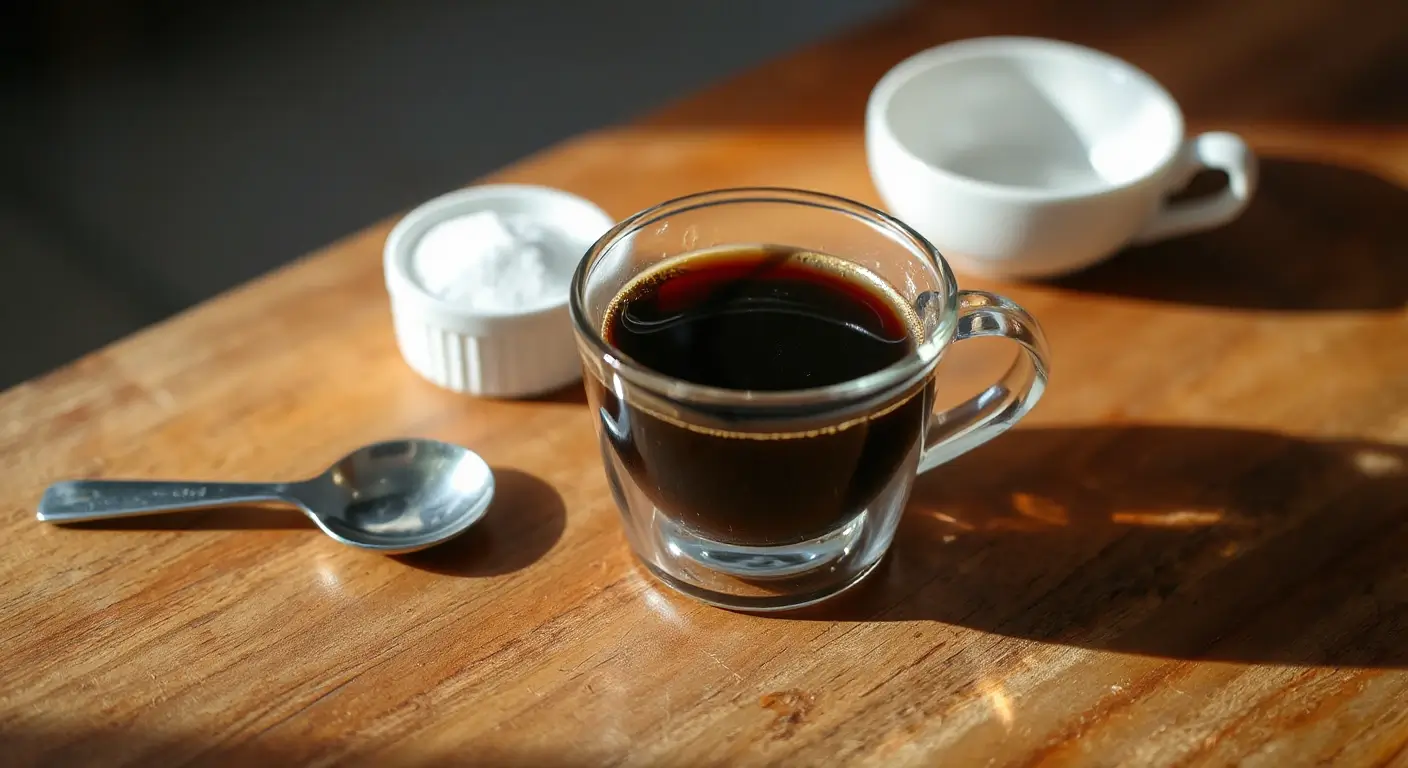
A single espresso shot clocks in at just 2 calories, thanks to pressurized hot water pulling pure flavor from grounds without added fats or sugars—it’s the negligible, diet-friendly base you can count on. This process extracts solubles and oils but leaves behind virtually all the caloric bulk found in other coffee preparations. When tracking espresso calories, you can safely list this component as zero unless you are consuming many double shots. It is the guilt‑free foundation upon which your drink is built.
Steamed Milk Calories
Steamed whole milk is unequivocally the calorie heavyweight here. For the standard 2 oz required in a traditional 6-oz cappuccino, we are looking at roughly 80 calories. Where do these come from? Milk contains natural sugars called lactose, proteins, and fats. Dissecting this further, those 12g of natural lactose carbs translate directly to about 48 calories, with the remainder coming from milk fats and proteins. Steaming the milk slightly changes its texture but preserves this dense caloric payoff. As we rely on dairy for texture, it’s clear this ingredient drives the majority of our total intake. For those monitoring nutrient intake, understanding the calories in milk products is crucial, and research confirms dairy’s nutrient density despite its comparatively small volume impact on overall diet energy.
Milk Foam Calories
This is where the biggest misconception lies. People often think the airy layer doubles the drink size and its calories. Not true! Foam is mostly whipped air; it’s the texture hero, not the calorie culprit. We are talking about 1–2 calories at most, derived from trace milk proteins remaining when the milk is aerated. You can enjoy the luxurious mouthfeel of that foam without worrying about denting your daily budget—it is calorie zero.
Get the Exact Total: How Many Calories in a Typical Cappuccino
Now we put the pieces together to answer the burning question: how many calories in a cappuccino? Based on the breakdown above—negligible espresso, moderate milk, near‑zero foam—we arrive at a reliable baseline.
USDA data pins a standard 6-oz whole milk cappuccino (no sugar) squarely in the 80–120 calorie range—your exact number for seamless diet tracking and smarter morning routines. This range allows flexibility based on the brand of milk and slight variations in barista measurements, but it gives you the necessary authority to plug this into your tracker now. If you specifically look for calories in cappuccino without sugar, this 80–120 estimate is your reliable starting point.
This figure is based on a typical 1/3 espresso, 1/3 steamed milk, 1/3 foamed milk composition. For comparison, an 8–12 fl. oz cappuccino made with skim (non‑fat) milk contains roughly 40–80 kcal, while using whole milk raises the count to about 70–150 kcal for a slightly larger, though still traditional, serving size.
Adjust for Real-Life Changes: How Sugar, Milk Types, and Size Impact Cappuccino Calories
That 80–120 calorie baseline is great, but when you walk into a café, things get custom. Every modification brings a new calorie total. If you want to calculate your coffee shop order on the spot for guaranteed diet success, here is how those changes stack up. Baseline 100 cal? Add 1 tsp sugar for +16 (now 116); switch to skim milk and drop the whole milk cost to about 60—calculate your total immediately for quick diet wins.
Adding Sugar to Your Cappuccino
Sugar is sneakier than milk because it adds zero texture but pure energy. One teaspoon of granulated sugar adds exactly 16 calories and 4g carbs. These small additions accumulate fast, turning your relatively light 100‑calorie drink into something closer to a soda serving if you aren’t careful. To help you track precisely, here are common additions and their caloric impact:
- 1 tsp granulated white sugar (4g): ~16 calories
- 1 sugar packet (typically 4g): ~16–20 calories
- 1 tsp brown sugar (4g): ~17 calories
- 1 tsp honey (7g): ~21 calories
- 1 pump flavored syrup (e.g., vanilla, like Starbucks): ~20 calories
- 1 tsp raw cane sugar (4g): ~16 calories
Switching Milk Types
If you are trying to manage fat intake, milk substitution is your most powerful tool for controlling carbs in cappuccino and overall calories. Whole milk is the benchmark at roughly 100 calories for the 4 oz of milk/foam content; skim milk sacrifices richness but slashes calories down to about 60–70 for the same volume, retaining similar carbohydrate levels from lactose. Plant‑based options introduce new variables. While oat milk is creamy, it often carries higher carbs and calories than skim. Almond milk is far lower in calories but lacks protein.
Upsizing Your Order
The final factor is size, which causes a proportional increase in calories because the milk component scales up dramatically. Upsize from that 6‑oz standard to a 12‑oz grande? Your milk content (the calorie source) roughly doubles to 4 oz, spiking your total to 160–200 calories for the whole milk version. A Venti (16‑oz) pushes past 220+ quickly. Before you order large, mentally scale your baseline proportionally every single time. Here is a step‑by‑step guide for estimating larger drink calorie counts:
- Identify the base calories of the standard cappuccino (e.g., espresso ~2 cal, 4oz steamed milk ~60 cal, 2oz foam ~30 cal = ~92 cal total).
- Break down calories by component: note milk/foam (main calorie source), espresso/syrups (minimal), and add‑ons.
- For milk/foam upsizing (e.g., double to 8oz milk): multiply milk calories by scale factor (double = x2, e.g., 60 cal x2 = 120 cal).
- For espresso shots (e.g., double shot): add minimal extra calories (~2 cal per shot).
- For add‑ons (e.g., extra syrup): add full calories per unit (e.g., +1 pump syrup = +20 cal).
- Sum adjusted components for new total (e.g., double milk cappuccino: 2 cal + 120 cal + 30 cal foam = ~152 cal).
- Adjust for fat/type changes (e.g., whole to skim milk: recalculate base milk cal using ~40 cal per 4oz skim).
Cappuccino Calories vs. Latte and Other Drinks: Make Smarter Choices
| Drink Type | Typical Size | Calorie Range (Whole Milk) | Key Differences |
|---|---|---|---|
| Cappuccino | 6-8 oz | 60-120 | Equal parts espresso, steamed milk, and thick foam; frothy texture, bold coffee flavor, less milk overall. |
| Latte | 12 oz | 130-190 | Double the milk to espresso ratio with thin foam layer; creamy, milder coffee taste, higher milk content. |
| Flat White | 5-6 oz | 100-150 | Double espresso shot with velvety microfoam; smooth texture, stronger coffee intensity, minimal foam. |
| Americano | 12 oz | 5-15 | Espresso diluted with hot water; no milk, black coffee taste, virtually fat‑free and low‑calorie. |
If your goal is pure low‑calorie cappuccino cal intake, remember that the cappuccino saves you significant calories compared to a latte because the latte uses much more steamed milk and less foam. We are talking 100–190 calories for a standard 12‑oz latte versus our 6‑oz cappuccino’s 100 calories—that’s 100% more calories just from the milk volume difference! If you need big volume but low calories, an Americano saves you virtually everything, coming in at just 5 calories versus the cappuccino’s 90+ calories for black coffee.
Your Next Steps with Coffee Tracking
Recap: Your base cappuccino calorie count sits around 80–120, but you gain 40 calories by adding sugar or lose 40 by swapping to skim milk. You can beat the popular latte by over 100 calories simply by choosing the right texture. Now you order your favorite coffee confidently, armed with precise figures, meaning no more unintentional diet sabotage. Enjoy your perfectly tracked morning ritual.
Frequently Asked Questions About Cappuccino Nutrition
Q: Can I drink a cappuccino every day while dieting?
A: Yes, if you keep it black (no sugar) and use skim or low‑fat milk. At under 90 calories, it fits easily into most plans.
Q: Why is a cappuccino lower calorie than a latte?
A: A cappuccino is typically 6 oz using equal parts espresso, steamed milk, and foam. A standard latte is usually 12 oz or larger, containing significantly more steamed milk, which is the primary calorie driver.
Q: Are sugar substitutes safe to use in my cappuccino?
A: Nutritionally, sugar substitutes like stevia or monk fruit add zero calories, making them excellent for cutting sweetness without impacting your count—though I always suggest checking personal digestion tolerance first.
Q: Does the type of espresso bean affect the calories?
A: No. Whether the espresso is Arabica or Robusta, the calorie count remains negligible (about 2 calories per shot) as the extraction process removes very little mass.
Q: If I ask for extra foam, does that add many calories?
A: Extra foam is mostly air. You might add 1–3 extra calories, but it will not noticeably alter your total nutritional value compared to adding sugar or whole milk.