
What Is Espresso? Grasp Its Intense Origins, Brew Process, and Pure Flavor Punch
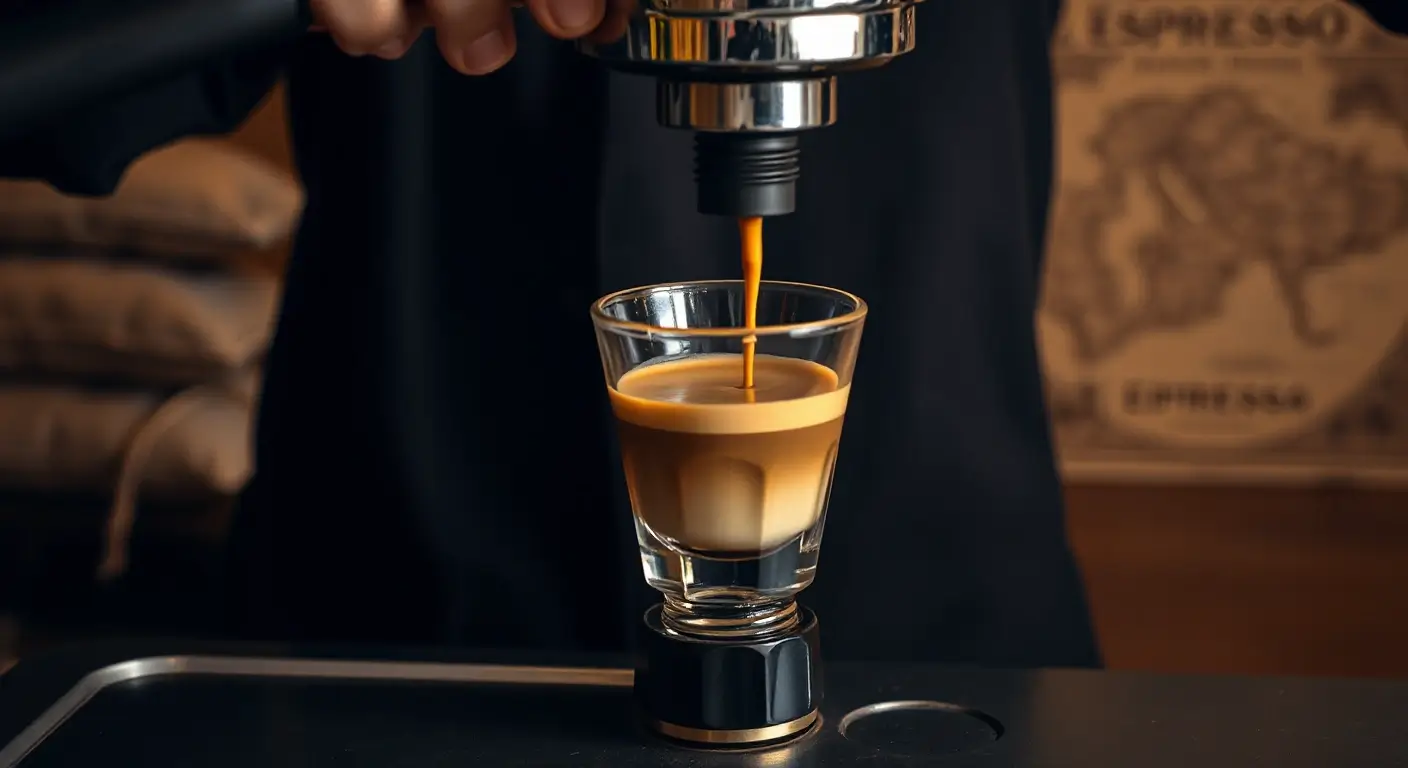
When you look at a tiny cup of coffee that packs a serious wallop, you’re looking at espresso. This isn’t just strong coffee; it’s an experience born in Italy. The whole concept revolves around force: extremely finely ground Coffee Beans are compacted into a “puck,” and then near-boiling water is forced through them at immense pressure—usually 9 bars or more. This specific Brewing Method extracts flavor, oils, and solids far more intensely than drip brewing.
What you get in that small, often demitasse cup (usually just 1 to 2 ounces) is unparalleled Coffee Strength. The most crucial visual cue is the crema—that marbled, reddish-brown layer sitting atop the shot. That crema is emulsified coffee oils, a trademark of a healthy extraction. If you’re after immediate energy and crave the unadulterated, powerful flavor of the coffee bean itself, espresso is your answer. It offers a huge hit of Caffeine Content in a very small volume, making it the ultimate quick fuel-up. Many wonder about espresso coffee vs cappuccino, and the answer always starts here: espresso is the singular, potent ingredient that makes everything else possible.
What Is a Cappuccino? Unlock How Espresso Forms the Heart of This Frothy Milk Delight
If espresso is the intense solo performance, the Cappuccino is a perfectly composed trio. Yes, the answer to do cappuccinos have espresso—absolutely! Espresso forms the unmissable base of this beloved Italian creation. What defines a cappuccino, distinguishing it from its milky siblings like the latte, is its signature ratio. Traditionally, a cappuccino adheres closely to a 1:1:1 structure.
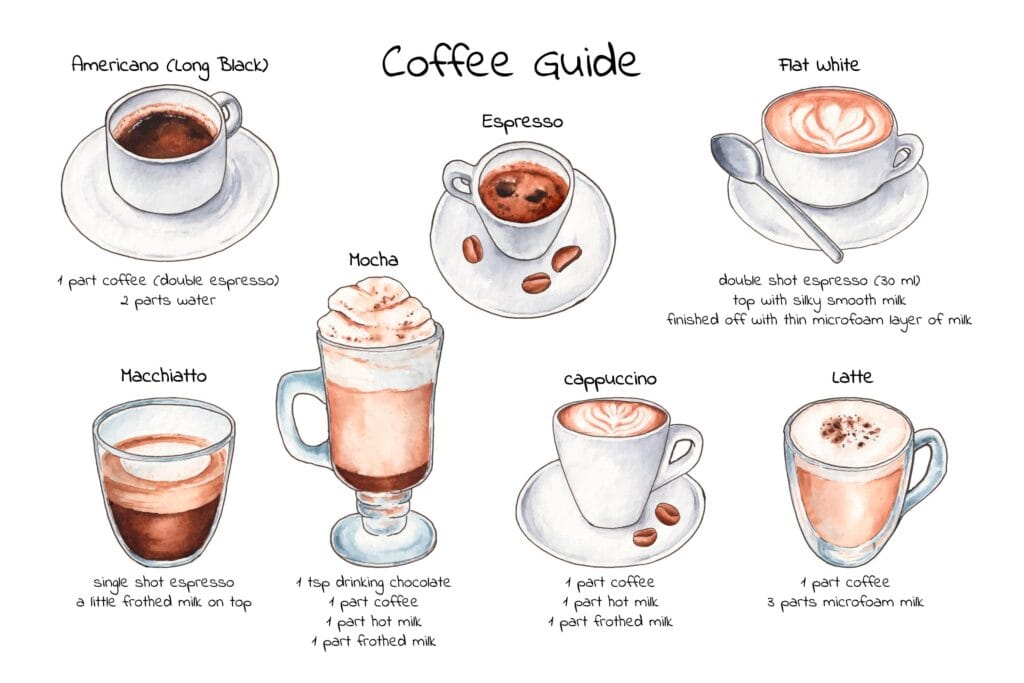
Imagine a standard 5 to 6-ounce cup. You pour in one part liquid espresso, then add one part steamed Milk, and finally top it off with one part thick, airy Milk Foam. This composition creates a beverage that is dramatically different from its base. The texture is layered—liquid beneath, foam above. The milk doesn’t just add volume; it actively tempers the espresso’s sharp edges, resulting in a smoother, creamier sip that still carries the flavor punch. Understanding the difference between espresso and cappuccino boils down to this crucial addition. When you order a cappuccino mit espresso, you’re requesting this harmonious, structured blend of dairy and dark roast.
Espresso vs. Cappuccino: Pinpoint the Core Differences in Ingredients, Strength, Taste, and Texture
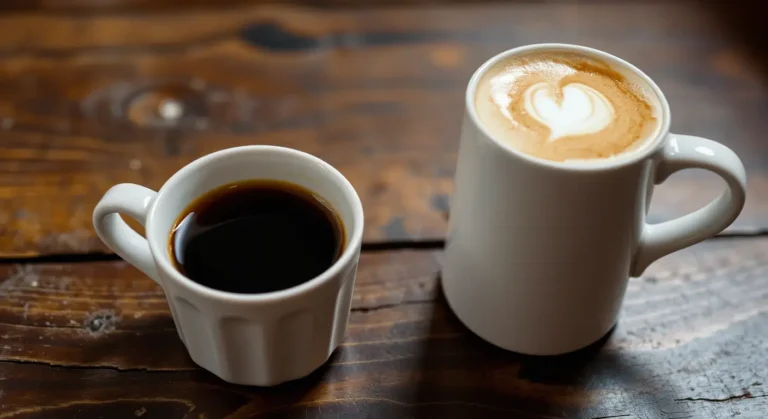
Deciding between a straightforward shot and a milky classic often comes down to what you’re truly craving in that moment. The difference between espresso and cappuccino isn’t subtle; it’s dramatically apparent across several physical and sensory attributes. If you’re trying to place them alongside something like a latte, it can get slightly complex, but focusing on the structure usually helps group them correctly. Do you want the unadulterated truth of the bean, or a moderated, comforting interpretation? Comparing cappuccino vs espresso directly makes the choice much clearer.
Do you ever struggle with the difference between coffee and cappuccino? Think of it this way: espresso is coffee in its most concentrated form, while a cappuccino is coffee with dairy scaffolding built around it.
How do espresso and latte fit into this comparison? Lattes are much milkier, featuring less foam than a cappuccino, which results in a milder overall profile. The core distinction often mentioned when separating these beverages is balancing ingredients, strength, texture, and volume.
| Aspect | Espresso | Cappuccino | Latte |
|---|---|---|---|
| Ingredients | Finely ground coffee beans, hot water (under high pressure) | 1/3 espresso, 1/3 steamed milk, 1/3 thick milk foam | 1/3 espresso, 2/3 steamed milk, thin layer of microfoam |
| Strength | Very strong (concentrated) | Medium (balanced by milk and foam) | Mild (diluted by more milk) |
| Caffeine | ~63 mg (per 1 oz shot) | ~63 mg (one espresso shot) | ~63 mg (one espresso shot) |
| Flavor | Bold, intense, bitter, caramel notes | Balanced coffee with creamy sweetness | Smooth, milky, subtle coffee taste |
| Texture | Thick, velvety with crema layer | Frothy, airy, dry foam top | Creamy, velvety, silky |
| Size | Small (1-2 oz) | Small-medium (5-6 oz) | Medium-large (8-12 oz) |
Ingredients and Proportions
The espresso shot relies on purity: just coffee and water transformed under pressure. It’s a specific extraction ratio, usually aiming for roughly 1 part coffee grounds to 2 parts liquid espresso, delivering intense flavor from a small amount of material.
- Espresso (single shot, ~1:2 coffee-to-water extraction ratio):
- Finely ground coffee beans: 7-9 grams
- Hot water (under pressure): 25-30 ml
- Cappuccino (classic 1:1:1 ratio in a 150-180 ml cup):
- Espresso: 30 ml (1 oz, or single shot)
- Steamed milk: 60-90 ml (2-3 oz)
- Thick milk foam: 60-90 ml (2-3 oz)
Strength and Caffeine Levels
This is where volume plays tricks on perception. Espresso is undeniably more concentrated in flavor because it’s almost pure extraction. But what about caffeine? If you compare a standard 1-oz espresso with one shot of espresso diluted into a 6-oz cappuccino, the actual caffeine amount is nearly identical, assuming a single-shot base for both. The perception of strength differs greatly, though.
To give you an objective measure, the caffeine content of espresso is approximately 63‑75 mg per 1 fl oz shot, while a single-shot cappuccino contains about 75 mg and a double-shot cappuccino around 150 mg. If you slam an espresso, you *feel* the density, but if you sip a cappuccino, the bulk of the liquid dulls that immediate caffeine kick sensation.
Flavor Intensity and Taste Profile
Espresso delivers an immediate sensory jolt. Expect bold, sometimes sharp bitterness upfront, layered with darker, toasted, or caramelized notes depending on the bean profile. It’s coffee stripped to its most basic, impactful expression.
The cappuccino’s flavor transformation is caused by the dairy. Milk protein plays a significant role in how we perceive coffee flavor. As one study exploring milk’s impact noted, the addition of milk protein alters taste attributes and enhances acceptance. The result is mellowed acidity and a sweeter, rounder mouthfeel that makes the initial bitterness far less aggressive.
Texture and Mouthfeel
Texture is perhaps the most tactile differentiator. Espresso offers a slick, syrupy body topped by that delicate, lasting crema. It coats the tongue but finishes relatively quickly.
The cappuccino provides a dramatic textural contrast. You get the liquid below, sure, but the defining mouthfeel comes from the dense, airy Milk Foam sitting on top. It feels lighter, almost dry, compared to the slickness of straight espresso or the velvety texture of a latte made with high amounts of steamed milk.
Everyday Scenarios: Know When to Reach for Espresso or Cappuccino for Your Best Coffee Moment
Your choice often depends less on the coffee itself and more on the schedule you’re keeping or the comfort you seek. If I’m running late to catch an early train, I need zero fuss and maximum impact. That calls for espresso. It’s the swift, necessary caffeine injection without the milk volume to slow the absorption time.
For those lazy Saturday mornings, where the goal is to savor the moment, watch the world wake up, or enjoy a book, the cappuccino reigns supreme. It’s a more substantial, comforting beverage. You get the rich flavor profile of the espresso or cappuccino debate settled by choosing the one that offers drink duration alongside flavor complexity. If your Caffeine Content tolerance is lower, but you still want that recognizable coffee taste, the cappuccino works because the milk mitigates the sheer concentration.

The 30-Second Trick: Confidently Choose Your Perfect Brew Every Single Time
- Energy Check (5 sec): Assess your vibe—low energy needs a caffeine kick (dark roast), steady flow wants balance (medium roast). Taste tip: Dark roasts hit with bold, smoky chocolate notes for instant wake-up.
- Mood Match (5 sec): Stressed? Go smooth and comforting (nutty blends). Adventurous? Bright and fruity (single-origin). Taste tip: Nutty profiles soothe with caramel warmth; fruity ones pop with berry zing.
- Time & Occasion (5 sec): Morning rush? Strong black brew. Afternoon chill? Lighter with milk or cold. Evening wind-down? Herbal or decaf. Taste tip: Cold brews stay crisp and low-acid for all-day sipping without jitters.
- Strength Dial (5 sec): Pick mild (light roast, subtle florals), medium (balanced earthiness), or bold (intense, roasty depth). Taste tip: Light roasts shine with citrus brightness; bolds deliver velvety mouthfeel.
- Brew Method Quick-Pick (5 sec): Drip for easy everyday, French press for rich oils, espresso for concentrated power, cold brew for smooth refresh. Taste tip: French press amplifies body and crema; espresso packs layered sweetness.
- Seal & Sip (5 sec): Commit, brew, and taste mindfully—swirl, inhale, savor first sip. Adjust next time. Taste tip: Always note aftertaste; clean finish means perfect match.
If your answer leans heavily towards needing concentrated power right now, order the Espresso. If your answer leans towards needing comfort, texture, and moderation, that’s your signal for a Cappuccino.
Your Coffee Choice Unlocked: Brew Smarter Starting Today
We’ve broken down the intensity of the espresso shot versus the beautifully textured embrace of the cappuccino. Remember, the cappuccino vs espresso debate isn’t about which is “better,” but which intensity matches your current requirement. Espresso is pure power; cappuccino is harmonious balance achieved through milk integration. Reviewing the difference between espresso and cappuccino regarding texture alone—slick crema versus airy foam—should solidify your preference for the moment.
Don’t let menu anxiety stop you from enjoying what you really want. Try ordering a single espresso after a cappuccino you found too mild, or ask for an extra half-shot in your next cappuccino if you need a little more kick. Experimenting is part of the fun when you understand the structure. Use that 30-second trick next time you’re at the counter or even just staring into your home brewer. Choose smarter, sip happier.
Frequently Asked Questions (FAQ)
Q: If I order a cappuccino, does it always come with only one shot?
A: Not necessarily. While the classic ratio is based on a single (1 oz) shot, many modern coffee shops default to a double shot in standard sizes (5-6 oz) to maintain Coffee Strength against the milk volume. Always ask if you are sensitive to Caffeine Content.
Q: Is cappuccino or espresso healthier?
A: In terms of pure calories and fat, espresso is healthier as it contains only coffee. A traditional cappuccino adds noticeable calories, primarily from milk fat and sugars, though it still remains a relatively light milk drink compared to a mocha or latte.
Q: What is the main textural difference between a cappuccino and a latte?
A: The cappuccino features a thick, distinctly airy layer of foam (about 1/3 of the drink), often described as “dry foam.” A latte has much more steamed milk and only a thin top layer of silky microfoam, making it creamier throughout.
Q: Can I order an iced cappuccino?
A: While traditionalists will say no—because ice melts the delicate foam structure—many cafes offer an “iced cappuccino” substitute, which is usually espresso poured over ice and topped with cold foam (a denser, sweeter foam) rather than hot steamed milk.
Q: If I hate bitterness, should I choose espresso or cappuccino?
A: You should choose cappuccino. The steamed milk in the cappuccino binds with bitter compounds in the coffee, significantly mellowing the sharp, intense edges you find in straight espresso.