
You see it listed, rich and inviting, nestled between the Latte and the Cappuccino on the menu board. But when you order a mocha, you’re walking a delightful tightrope between two beloved indulgences. Does the mocha prioritize a caffeine kick or a chocolate hug? It’s a wonderful point of confusion for many coffee lovers, but I’m here to set the record straight. This piece isn’t just about answering that simple question; it’s about exploring the entire beautiful world of the mocha—what it truly is, the many faces it wears, and how it stacks up against its coffee cousins.
Key Takeaways
- A mocha is fundamentally a chocolate‑flavored coffee drink, typically combining espresso, chocolate, and steamed milk.
- Variations abound, from the classic Cafe Mocha to sweeter white chocolate versions.
- Mochas usually contain less pronounced coffee flavor than a latte or cappuccino due to the chocolate element.
- Caffeine content is primarily derived from the espresso shots used in the preparation.
What Exactly is a Mocha?
Let’s cut right to the chase: what is mocha? When people talk about a mocha coffee drink, they are referring to a specific, delicious hybrid. Think of it as a love child between a very milky coffee and a decadent hot chocolate. The core of any proper mocha coffee relies on three main players.
If you’re wondering, does mocha have coffee? Absolutely, it does. Without coffee, it’s just flavored milk! The base of almost every good mocha is espresso, which provides that essential bitter complexity and the buzz we crave. Then comes the chocolate element—this is what sets it apart.
Here are the fundamental ingredients that define this fantastic beverage:
- Espresso: Provides the base flavor and caffeine content
- Chocolate: Adds sweetness and a rich, velvety flavor
- Milk: Adds texture, creaminess, and helps to balance out the bitterness of the espresso and the sweetness of the chocolate
The origin story of the Mocha itself is also fascinating. It’s named after the port city of Mocha, Yemen, which was historically a major global center for early coffee trade. While the Yemeni connection is historical, what we recognize today as a cafe mocha solidified its form much later, evolving as baristas began mixing rich chocolate with strong espresso, creating a comforting drink that delivers both the lift from the coffee bean and the satisfaction of chocolate. It’s a universally recognized comfort drink, proving that sometimes, combining two great things makes something even better.
The Different Faces of Mocha: Variations Explained
One of the joys of the mocha is its adaptability. While the foundation remains the same—espresso, chocolate, milk—the proportions and types of chocolate used can radically change the experience. So, what is a mocha coffee beyond the standard definition? It’s an entire spectrum of possibilities. Even if you look up what is mocca in different parts of the world, you’ll find slightly different takes on this beloved beverage.
To really appreciate the range, it helps to look at the different types.
| Mocha Variation | Main Ingredients | Taste Profile | Preparation Method |
|---|---|---|---|
| Cafe Mocha | Espresso, steamed milk, chocolate syrup/powder | Rich, chocolatey, slightly bitter | Combine espresso and steamed milk, add chocolate syrup/powder |
| White Chocolate Mocha | Espresso, steamed milk, white chocolate syrup | Sweet, creamy, vanilla-like | Combine espresso and steamed milk, add white chocolate syrup |
| Marocchino | Espresso, cocoa powder, steamed milk, sugar | Bitter, chocolatey, sweet | Dust cocoa powder on top of espresso, serve with steamed milk and sugar |
| Mocaccino (Italian‑style) | Espresso, frothed milk, cocoa powder | Strong, rich, chocolatey | Layer espresso, frothed milk, and cocoa powder |
| Mocha Cookie Crumble Frappuccino (Starbucks) | Coffee, milk, ice, chocolate syrup, cookie crumbs | Cold, chocolatey, sweet, crunchy | Blend coffee, milk, ice, and chocolate syrup, top with whipped cream and cookie crumbs |
| Japanese‑style Mocha | Espresso, steamed milk, green tea‑infused chocolate | Bitter, chocolatey, subtle green tea flavor | Combine espresso and steamed milk, add green tea‑infused chocolate syrup |
| Caffè Mocha con Panna | Espresso, steamed milk, whipped cream | Rich, creamy, chocolatey | Top espresso and steamed milk with whipped cream |
The Classic Cafe Mocha
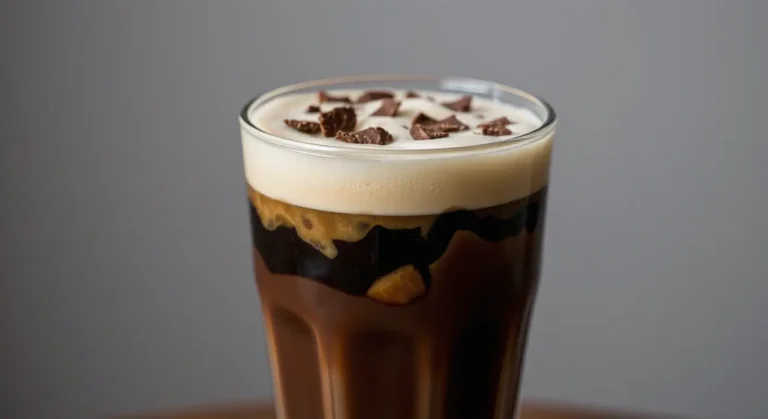
When a barista asks if you want a cafe mocha, they are referring to the standard bearer. This version aims for harmony rather than dominance by either ingredient. It’s designed so that the robust notes of the espresso aren’t entirely buried under a sugary wave of chocolate. The steaming process for the milk is crucial here; it needs to be perfectly texturized to carry the chocolate through every sip.
A typical café mocha is usually made with about one double‑shot espresso (≈2 oz), 1–2 tablespoons of chocolate sauce or powder, and 1 cup (8–10 oz) of steamed milk – giving a rough espresso:chocolate:milk ratio of 1 : 1–2 : 8–10, as noted in a Reddit discussion on mocha ratios. Getting these ratios right is how you ensure the chocolate enhances the coffee, rather than masking it entirely.
White Chocolate and Other Creative Variations
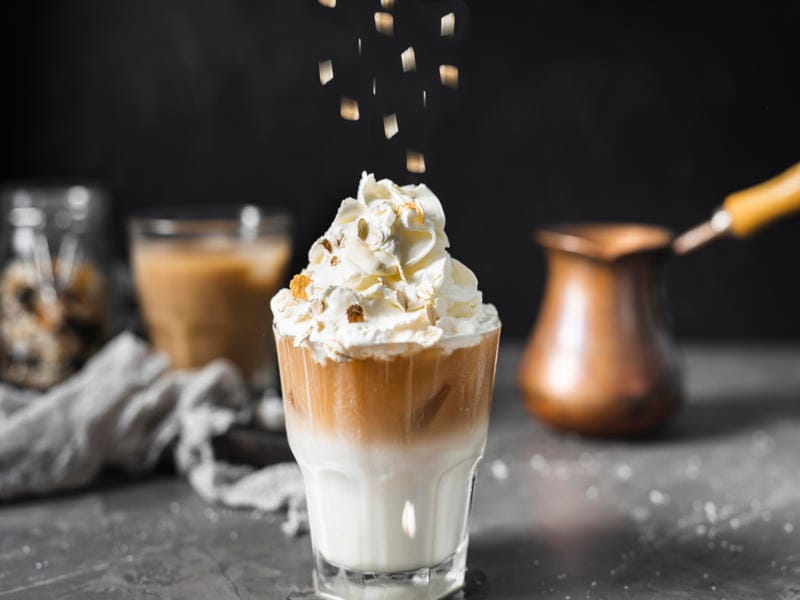
Not all mochas swirl with dark cocoa. The white chocolate mocha is a completely different beast. Since white chocolate contains cocoa butter but no cocoa solids, it lacks the bitterness associated with dark chocolate. This variation leans heavily into sweetness, offering creamy, almost vanilla‑like notes that beautifully complement the espresso without competing for earthy flavors. It’s richer, often thicker, and appeals to those who prefer their coffee drinks dessert‑like. Other creative additions might include flavored syrups like mint or hazelnut mixed in with the standard chocolate or white chocolate base.
Regional Mocha Variations
Coffee culture is never static, and the mocha proves this by adapting globally. In some Italian interpretations, you might hear it called a Mocaccino, which often emphasizes a thick layer of froth over the steamed milk and a dusting of cocoa powder on top rather than mixing the chocolate syrup in below. Traveling further, you might find regional shops using single‑origin chocolates, significantly altering the flavor profile based on the cacao bean’s terroir—shifting from fruity highs to deep, earthy lows. These regional interpretations show that the mocha is truly an international canvas.
If you’re curious about the hands‑on craftsmanship involved in mastering these chocolate and coffee combinations, experts offer great insights into technique. You can hear from a coffee professional discussing how different preparation methods and chocolate choices alter the final product here:
Discerning coffee drinkers often debate the nuances of a cafe mocha versus mochaccino when navigating international coffee menus.
Mocha vs. Other Coffee Drinks: What’s the Difference?
This is where the confusion often starts. Is mocha just a fancy latte? Does mocha taste like coffee heavily, or is it just sweet? Understanding where the mocha sits relative to its siblings—the latte, the cappuccino, and regular brewed coffee—is key. The presence of chocolate is always the deciding factor.
- Mocha vs. Regular Coffee:
- Mocha contains chocolate syrup or cocoa powder, while regular coffee does not.
- Mocha typically includes steamed milk, whereas regular coffee is often served black.
- Mocha is sweeter and has a richer flavor profile compared to regular coffee.
- Mocha vs. Latte:
- Mocha is made with chocolate syrup or cocoa powder in addition to espresso and steamed milk, while a latte consists of espresso and steamed milk.
- The presence of chocolate gives mocha a distinct flavor and higher calorie count compared to a latte.
- Both drinks can be topped with foam, but the overall taste experience differs due to the chocolate element in mocha.
- Mocha vs. Cappuccino:
- A cappuccino is characterized by a distinct layering of espresso, steamed milk, and a thicker layer of foam on top, while mocha combines espresso, steamed milk, and chocolate, with foam being optional.
- Cappuccino has a stronger espresso flavor since it’s not mixed with chocolate or as much milk as in a mocha.
- Mocha tends to be sweeter and has a more complex flavor profile due to the chocolate ingredient, whereas cappuccino retains a clearer coffee taste.
For someone asking, do mochas taste like coffee? Yes, but subdued. The chocolate acts as a smooth curtain drawn slightly over the brightest notes of the espresso. You know the coffee is there, providing depth, but the immediate flavor sensation is usually that rich, warm sweetness.
The Buzz on Caffeine: How Much is in Your Mocha?
A common query centers around the jitter factor: do mochas have caffeine? Yes, they absolutely do. Since the Mocha Latte (or Cafe Mocha) is built upon a foundation of Espresso, it contains caffeine. The amount, caffeine in mocha, depends entirely on how many shots of espresso the barista pulls for your specific order.
Typically, a standard mocha uses the same number of espresso shots as a standard latte of the same size—usually one shot for a small and two for a medium or large. Therefore, the caffeine levels are generally comparable to those drinks before you factor in the chocolate.
While thinking about caffeine, I recently came across a study titled Extended Caffeine for Apnea in Moderately Preterm Infants The MoCHA Randomized Clinical Trial, which, despite sharing an acronym, is unrelated to our morning cup. The study looked at extended caffeine treatment in preterm infants.
Savoring the Flavor: The Taste Profile of Mocha
So, what does cafe mocha taste like? It’s a spectrum tasting experience. The primary characteristic is that luxurious mingling of dark roast bitterness meeting deep, sweet chocolate. It’s inherently comforting.
Is mocha sweet? Yes, typically much sweeter than a standard latte or Americano because you are adding syrup or powder, which contains sugar. The goal of a well‑made mocha is not for the sweetness to dominate, but for the chocolate to round off the sharp edges of the espresso, making it incredibly smooth and easy to drink, even for those sensitive to strong coffee flavors. You get the creamy texture from the steamed milk, the body from the espresso, and that unmistakable chocolate finish on the palate.
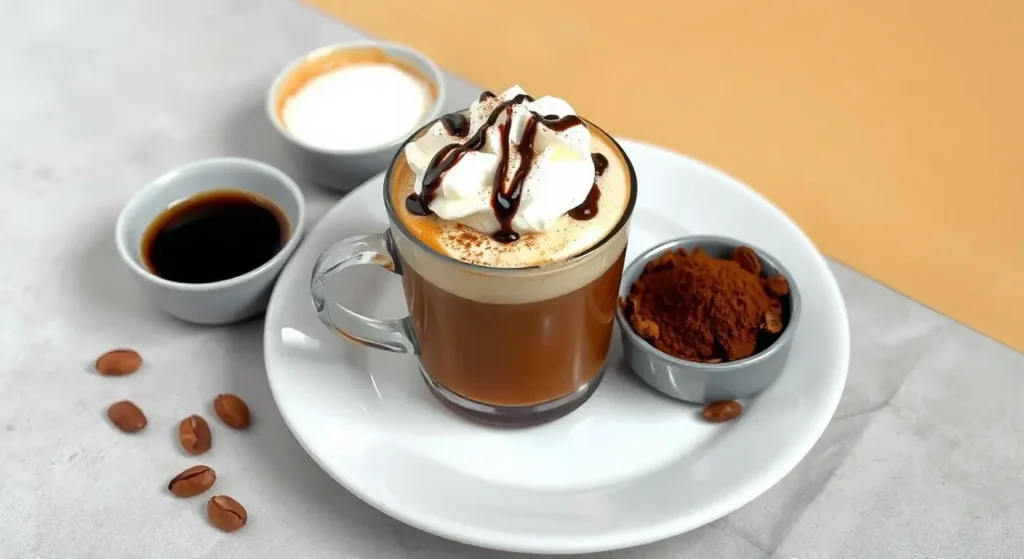
When you take that first sip, you should immediately recognize the duality: the familiar earthy scent of coffee meeting the recognizable, comforting aroma of chocolate. It’s a flavor profile designed for indulgence.
Understanding the interplay of bean profiles requires exploring whether Does Dark Roast Coffee Have lower stimulant levels despite its intense character.
Reflecting on the Mocha Experience
The mocha coffee drink deserves its lasting popularity. It successfully bridges the gap between a straight coffee beverage and a sweet treat. Whether you prefer the traditional dark cafe mocha or a sweeter, creamy white chocolate version, you now know the structure holding this magnificent hot beverage (or cold one!) together. It’s a calculated blend of coffee power and chocolate comfort.
Next time you’re at your favorite coffee spot, order that mocha not just as a treat, but as an appreciation for its history and composition. You might notice the balance of ingredients in a completely new way. Enjoy that perfect intersection of caffeine and chocolate!
Frequently Asked Questions
Q: Does a mocha taste more like coffee or chocolate?
A: Generally, a mocha tastes like a balanced fusion, but the initial impression is often driven by the chocolate’s sweetness, followed by the coffee’s underlying strength.
Q: Is a mocha automatically sweeter than a latte?
A: Yes, assuming standard preparation, a mocha will be sweeter because it includes chocolate syrup or powder, which adds sugar that a standard latte lacks.
Q: Are mochas weaker in coffee flavor than cappuccinos?
A: Yes, mochas tend to have a milder, more integrated coffee flavor because the chocolate components soften the espresso’s intensity compared to the defined layers of a cappuccino.
Q: Can a mocha be made without espresso?
A: While technically possible (using brewed coffee instead), a traditional, authentic mocha coffee relies on espresso for its signature intensity and crema.
Q: Is a mocha considered a dessert drink?
A: Because of the added chocolate and resulting sweetness, many people categorize the mocha, especially variations made with extra syrup, as being close to a coffee dessert.